

Ep. #186: What Is Your Emotional Weight? with Jonathan Boulware
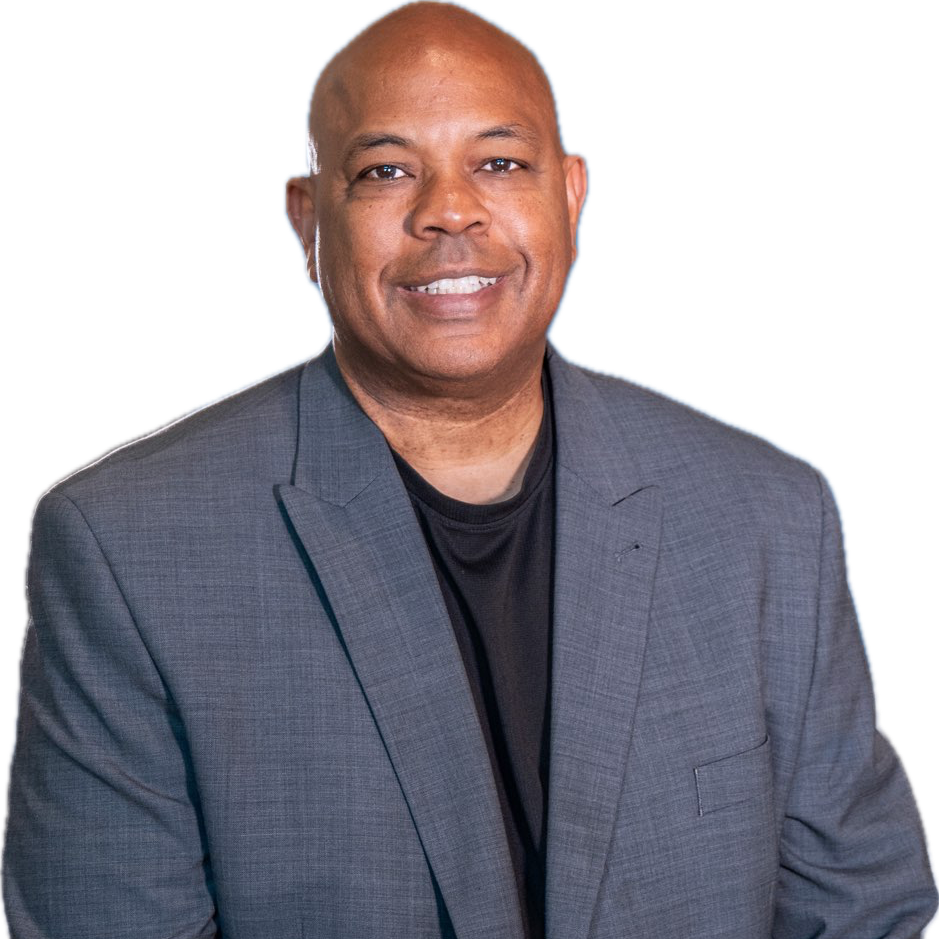
Sometimes the hardest part of changing your health is not knowing what to eat or how to exercise.
Sometimes it is the emotional weight you have been carrying for years.
In this episode of The Energy Fix, Tansy sits down with Jonathan Boulware for a compassionate and honest conversation about health transformation, obesity, self-forgiveness, and the mental and emotional obstacles that often get overlooked.
Jonathan shares his personal story, including his experience with obesity and the loss of his mother, and how those experiences shaped the way he now understands lifestyle change, motivation, and long-term wellness. Rather than focusing only on diet plans, workouts, or the number on the scale, he brings the conversation back to the emotional burden many people are carrying underneath it all.
Together, they explore why self-forgiveness has to come first, how to uncover the deeper “why” behind change, and why transformation is often less about motivation and more about identity. Jonathan also shares his 432 Playbook, a practical framework that helps people focus on micro goals, build support, and reduce overwhelm while creating healthier habits.
This conversation is a reminder that true transformation is not just about losing physical weight.
It is also about addressing the emotional weight that has been shaping the journey all along.
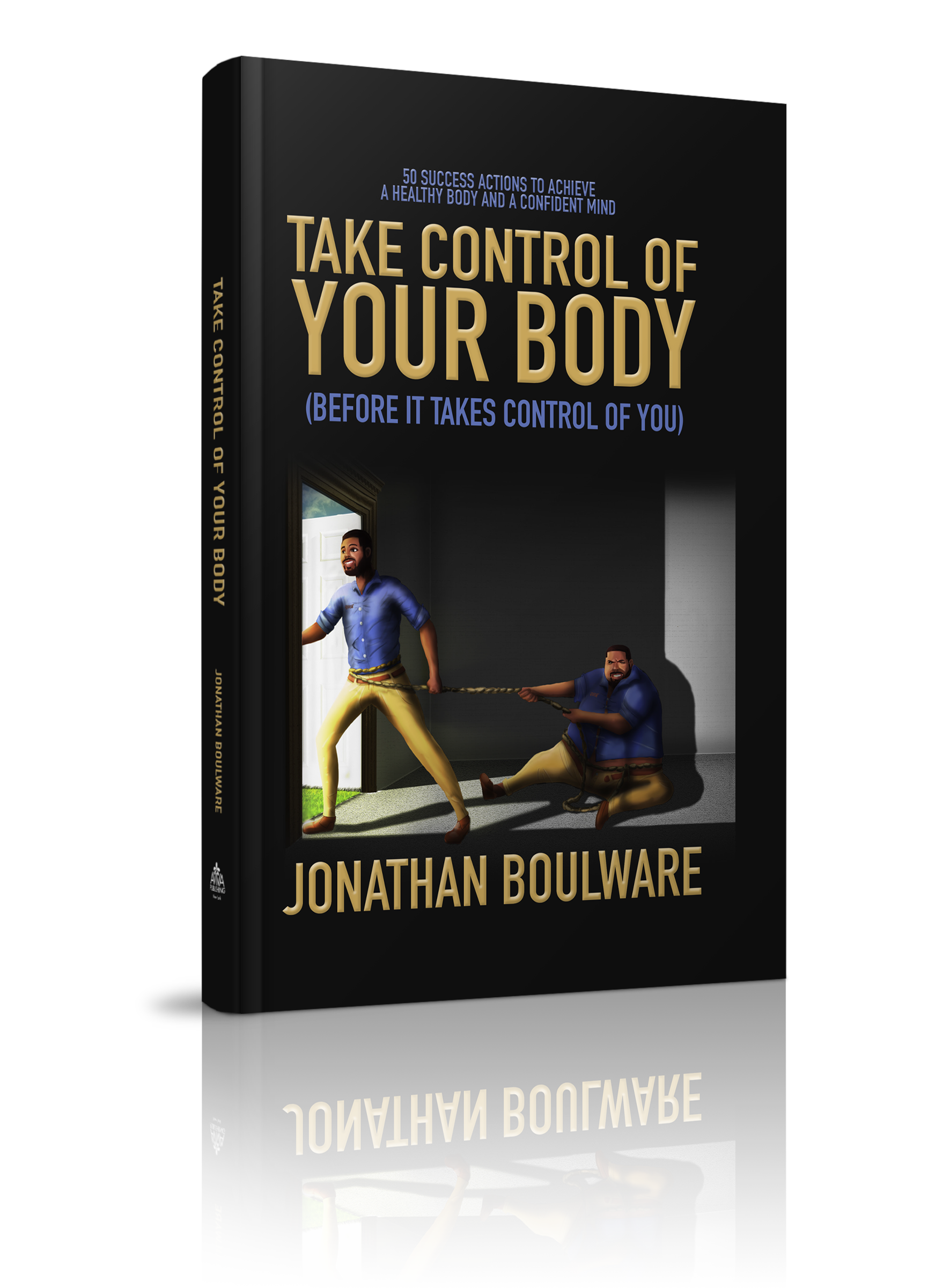
Get his book for free!
Listen & Watch
🎙
Listen & Watch 🎙
What We Cover
In this episode, we talk about:
Why health transformation is about more than food and exercise
The emotional and mental obstacles that can block progress
Jonathan’s personal journey with obesity and loss
Why self-forgiveness is foundational for change
The idea of emotional weight and how it impacts health
Finding your “why” in a deeper, more meaningful way
Fear-based motivation versus purpose-based motivation
Why micro goals reduce overwhelm
The structure and purpose of the 432 Playbook
Why motivation is not always necessary for change
Rebuilding identity during a health journey
Setting meaningful goals that support lasting transformation
Why lifestyle change still matters alongside medications
Shifting the focus from weight loss to whole-person wellness
Key Takeaways
Health transformation begins with addressing mental and emotional obstacles
Self-forgiveness is a crucial first step
Emotional weight can be just as significant as physical weight
Progress should be measured by behavior, not just the scale
Finding your “why” creates deeper motivation
Fear can spark change, but it is not enough to sustain it
Micro goals help reduce overwhelm and build momentum
Identity change is essential for lasting transformation
Motivation comes and goes, but commitment can be built
Whole-person wellness matters more than weight alone
You can begin again at any time
You can do this one step at a time
Favorite Quotes
A few moments you’ll want to remember:
“I started to forgive myself.”
“Self-forgiveness has to come first.”
“What is your emotional weight?”
“Your why is your deep-seated reason.”
“Focus on who you want to become.”
“You’re rebuilding your identity.”
“Make your health the number one goal.”
“There’s no quick fix to identity change.”
“You can do this one step at a time.”
Chapters
00:00 – Why Diet and Exercise Aren’t the Whole Story
03:19 – Jonathan Boulware’s Personal Journey
08:21 – Self-Forgiveness as the First Step
13:50 – Separating Identity from Struggles
17:12 – Mental Obstacles, Sabotage & Setbacks
22:13 – Behavior Goals vs. Outcome Goals
24:49 – Finding Your Deeper “Why”
27:23 – Fear-Based Motivation and Positive Energy
33:05 – Mindset, Environment & Habit Change
34:34 – The 20-Step Lifestyle Change Process
36:15 – Decision Fatigue and Neurodivergent Support
38:39 – Micro Goals and Momentum
42:54 – Rebuilding Identity for Lasting Change
45:28 – Meaningful, Sustainable Goals
47:25 – Navigating New Obstacles During Transformation
48:55 – Shame, Guilt & the Past Self
55:21 – Medication, Lifestyle Change & Whole-Person Support
59:16 – Shifting from Weight to Overall Health
01:02:14 – Why Integrated Support Matters
01:03:25 – Small Actions When You Feel Discouraged
01:04:41 – Pattern Disrupts and Negative Self-Talk
01:07:08 – Remembering Your Resilience
01:08:44 – Jonathan’s Work and Upcoming Programs
01:10:24 – Creating Your Personalized Plan
Why This Episode Matters
Because health struggles are rarely just about discipline.
They can show up as:
knowing what to do, but still not following through
feeling ashamed of where you are starting
carrying grief, fear, or emotional heaviness into every health decision
using fear as motivation until it stops working
feeling disconnected from the person you want to become
measuring progress only by the scale
And the frustrating part? Most conversations about health skip over the emotional and mental side of change. This episode matters because Jonathan reminds us that people are not failing because they do not care. They are often carrying emotional weight that has never been acknowledged, processed, or given space to heal.
This conversation brings compassion into the health journey without removing responsibility. It reminds us that lasting change is not about shaming yourself into better habits. It is about forgiving yourself, rebuilding trust with yourself, and becoming the person who can care for their health in a new way!
About Jonathan Boulware
Jonathan Boulware is a Lifestyle Behavior Change Specialist and creator of The 432 Playbook Lifestyle Reset, a 12-week step-by-step coaching program that helps people create a personalized lifestyle plan built around their real lives—so they can Take Command of their health without feeling overwhelmed and build a healthy lifestyle that lasts.
Jonathan’s own battle with obesity began a few years after graduating from Stanford University. In 2014, he lost his mother to complications from obesity, a life-changing experience that led him to dedicate himself to understanding why lasting lifestyle change is so difficult—and how to make it achievable.
Jonathan is the founder of You Take Control of It and author of Take Control of Your Body Before It Takes Control of You. He is an American Council on Exercise (ACE) Certified Personal Trainer and Health Coach, a Precision Nutrition Level 2 Master Coach, and holds Behavior Change Specialist designations from ACE and the National Academy of Sports Medicine (NASM).
Jonathan transformed his own lifestyle and is winning his battle against obesity. Now, his mission is to help others win theirs. And to keep challenging himself, he plans to complete a duathlon every year, beginning with the 2026 Cal Tri LA in Los Angeles, CA on October 18th, 2026.
Links Mentioned In The Show
Website & get your hands on The 432 Playbook! https://www.youcanbeatobesity.com/
Just Thrive & Just Thrive Probiotics: Save 15% off your order by clicking here!
Fusionary Formulas: Click here to get 15% off your order using code TANSY15
Podcast review promo...Get 15% off a distance energy healing session or a piece of jewelry with a positive review of the show. Email photo of review (aftersubmitted on podcast platform) to info@tansyrodgers.com
Support Beyond The Episode
If this conversation hit home, and you’re craving deeper support (not just ideas, but real integration):
Join the newsletter →
If this episode resonated, take a moment to ask yourself:
What emotional weight am I still carrying?
Sometimes the most powerful first step in a health journey is not another plan. It is self-forgiveness.
If you enjoyed this conversation, follow or subscribe to The Energy Fix, leave a review, and share it with someone who may need a more compassionate way to think about health, weight, and transformation.
Transcript
-
Jonathan Boulware (00:00.024)
You know, the first mistake everyone will tell you is you gotta diet and you've got an exercise. I mean, and certainly to make a physical transformation, that is true. But what happens is when you go to the doctor, the doctor will tell you, okay, you've got to lose weight and you've got to start a new nutritional plan. And everybody who's overweight knows that. But what does what doesn't get answered is how am I gonna deal with the overwhelm? How am I gonna deal with the stress? How am I gonna deal with the fact that I have felt like a failure because I've tried so many times.
And so your weight loss or your health journey has to begin with tackling those issues first. Because if you don't create a plan that's going to deal with the things in your life, the adversity that's going to rise up in the beginning, then you will stop long before any diet or or exercise plan kicks in. So really it begins there. And then once you once you get comfortable with that.
Tansy Rodgers (01:02.466)
Welcome back to the Energy Fix, a podcast dedicated to help you balance your energetic body by diving deep into the sweet world of all things health and spirituality. My name's Tansy, and I'm an intuitive Crystal Reiki energy healer, energetic nutrition and holistic health practitioner, and a crystal jewelry designer. It's time to talk all things energy. Let's dive in.
Welcome back to the energy fix. Thank you so much for being back on the show with us today. Today is going to be a conversation where we are talking about health transformation, but not from the usual eat this, move more, try harder angle. I think that so many of us are just exhausted with that concept. And I know that I've been as well. And so
This conversation today with my guest Jonathan Bulware is going to be quite enlightening, a different perspective. We're going be talking about what has to happen before the nutrition plan and the exercise plan can actually stick. Because for so many people, especially those who have struggled with obesity, the issue is not that they don't care.
It's not that they don't know that they quote unquote should change. It's often that the mental obstacles and the shame and the overwhelm and the self-doubt and grief and old patterns, they're standing in the way. Now, my guest today, like I said, is Jonathan Bulware. He is a lifestyle behavior, behavior change specialist and the creator of the 432.
Playbook, a step-by-step program that helps people build a personalized lifestyle behavior change plan to overcome obesity and take control of their health. Jonathan's own journey with obesity became even more personal after losing his mother to obesity in 2014. And since then, he has dedicated his work to understanding why lifestyle change is so hard. What people
Tansy Rodgers (03:19.57)
Actually, need at the beginning and how to create a plan that works with the real human that is looking at you in the mirror each and every day. We're going to talk about self-forgiveness, the mental starting point, why your why matters, and how to build a lifestyle change without getting buried in overwhelm. All right, Jonathan, let's dive in. Welcome to the show.
Jonathan Boulware (03:49.464)
Thank you so much, Tancy, for having me. I'm so glad to be here and looking forward to our conversation.
Tansy Rodgers (03:54.06)
I am so happy to have you here. You know, my original foundation place, my bread and butter has always been health and wellness and physical movement. And so when we're talking about this concept that we're talking about today, about the mental aspect and the obstacles that come from everything that's hiding below the surface, I couldn't be more excited to have you on to really dive into this because I think it's such an important topic.
Jonathan Boulware (04:24.266)
It it is probably the one of the most imp in my life it's been one of the most important topics in my family's life as far as health and and understanding how do you actually get healthy.
Tansy Rodgers (04:34.764)
Yeah. Yeah. Well, with that being said, let's just start really at the beginning. When someone wants to get healthier but feels completely overwhelmed, what is the first mistake that they usually make before they even get started?
Jonathan Boulware (04:52.376)
You know, the first mistake everyone will tell you is you gotta diet and you've got an exercise. I mean, and certainly to make a physical transformation, that is true. But what happens is when you go to the doctor, the doctor will tell you, okay, you've got to lose weight and you've got to start a new nutritional plan. And everybody who's overweight knows that. But what does what what doesn't get answered is how am I gonna deal with the overwhelm? How am I gonna deal with the stress? How am I gonna deal with the fact that I have felt like a a failure because I've tried so many times.
And so your weight loss or your health journey has to begin with tackling those issues first, because if you don't create a plan that's going to deal with the things in your life, the adversity that's going to rise up in the beginning, then you will stop long before any diet or or exercise plan kicks in. So really it begins there. And then once you once you get comfortable with that, then everything becomes not easy, but easier.
Tansy Rodgers (05:48.876)
Yeah, yeah. Which I'm sure that you probably have learned this the harder way. So I would love to talk about let's talk about you before we go into the playbook and everything else. I want your story. What was your own relationship with obesity like and what changed in you after losing your mother in twenty fourteen?
Jonathan Boulware (06:10.22)
Well, the losing my mother was everything. my mom, just to make a the long story short, my mom went to a rehabilitation center in February of two thousand fourteen. She had had a she had a wound on her leg back in December of twenty thirteen. And for the longest time I thought she was gonna get healthy and I was writing in these motivational mo notes and saying, Mom, we're gonna change your lifestyle. And during that time, Tansy, I had my own medical scare because I was I was in my office and I felt this tingling sensation.
Go up on the left side of my body from my left foot all the way up to my left lips. I ran to the bathroom, threw water on my face, and it went away. But I just remember being so angry. And I was so angry because I I associated with it with being obese. At that time I around 290 pounds. I went to the doctor. Doctor said I was fine, but I needed to lose weight. And but I was a wreck mentally because I had a young daughter, I had a beautiful wife, and I was so angry with myself.
And so when I was working with my mom or trying to motivate my mom, I looked at myself and said, How in the world am I going to motivate her when I'm looking at me and I am two hundred and ninety pounds and I'm not doing the things I need to do? And so in June of two in April of 2014, my mom and I had our last good conversation and she told me, said Jonathan, my body's winning this battle. what you're saying is not gonna save me, but use it to save yourself or help others. And then June, she passed away.
And I still remember my brothers and I sitting around her bed as she was passing away and thinking, why is it so hard for us to change our lifestyle when we know it will save our lives? When we know it will do everything, why is it so difficult to something that's so important? And from that moment on, I dedicated my life to understanding the answer to that question and then providing people an answer and a pathway and how they can change your lifestyle. And that's how it all got started.
Tansy Rodgers (08:04.166)
Mm. I would love to know what was your first your first significant change that made the ball start rolling in the right direction. Like what opened you up to the actual change shifting?
Jonathan Boulware (08:21.378)
When I I look in the mirror and I hated what I saw, I hated my body, I hated myself, I judged myself. And every morning I would wake up and I would start with that mindset. And so the first thing that changed is I said, I've got to stop that. I've got to, I've got to forgive myself. And so I started to forgive myself for the situation I was in that I blamed myself. And I just practiced self-forgiveness and helping myself heal to say, look, it don't you you're you're you're a good guy, you're a great father.
Let's let's not beat yourself up because when you start your day off insulting yourself, it's really hard to feel good about starting a d a diet nutrition plan and getting your health together when you don't like yourself. And so that was the first change that I made, self-forgiveness that put me on the path to taking control of my health. And people don't think about that. People like, well, I got to do the Mediterranean diet and I've got to eat these things. But it's so much about forgiving yourself, especially if you've been dealing with obesity for for a very long period of time.
Tansy Rodgers (09:19.232)
Yeah. And so that is so opposite of what I think most people think to go to. That's exactly usually usually they're like, all right, I gotta cut out the carbs, I need to eat less, like whatever it is, right? I gotta start running or going to the gym and they buy the memberships and they do all the things. But you intuitively knew that it had to be a place of forgiveness to yourself first and foremost.
Jonathan Boulware (09:45.302)
Absolutely. And then I think to to your point, when people start they, I've got to cut the carbs, I've got to do those things, the reason why that never works or works very seldom is because something you might you start to feel overwhelmed or you're stressed from work or you have financial issues, whatever the case may be, that adversity is going to rise up and mentally say, You can't do this. You've tried this before. What are you doing? Or in my case, looking in the mirror.
And you've got to deal with that first. Come or deal with a plan that's when that rises up, you have a plan that's going to beat that back so you can continue forward.
Tansy Rodgers (10:21.932)
Yeah. So where you were to where you're stepping in now and where you're moving forward to, is there a word or a phrase that you really feel like you're embodying in this season of your of your life as you've shifted and transformed so much?
Jonathan Boulware (10:38.242)
I I guess the the best phrase I think about every day is I'm going to live my best life. And when I say I'm gonna bus live my best life, it doesn't mean that I'm constantly thinking about working out or I'm constantly thinking about being healthy. I'm living my best life knowing that I've done the things in my life and changed my lifestyle so that I can I can feel when I look in the mirror, I can feel good about who I see. I can feel good about
the relationship with my daughter, I feel mentally strong. And if I have those bad days of adversity, I have a plan of how I can build myself back up. So I live my best li best life mentally and physically. And that's really what I focus on every day. But those stepping stones started a long time ago to be to get myself to this point.
Tansy Rodgers (11:19.566)
Yeah. I think that so many people don't understand that when you live your best life, it really comes from a place of loving yourself, forgiving yourself, being feeling that you're worthy enough. And so let's talk about this self-forgiveness piece. I want to dive a little deeper. Why does self-forgiveness have to come before the meal plan or the gym plan or the habit tracker? Why does that have to come first?
Jonathan Boulware (11:49.132)
Because if you are constantly well, let me let me back up. If you're overweight, or in my case to classified as obesity, every moment of your day reminds you that you're overweight. Every moment of your day reminds you that somehow you have failed. And it just p it just eats away at your self confidence, your self esteem. And especially in my case when I when I had a a a a daughter that I wanted to take care of. So when you're carrying that extra weight, ment the mental weight is so much stronger.
And so much heavier and so much damaging than the physical weight. And so the reason so the reason why I say start with self-forgiveness or start with the mental strength is because mentally you can psych yourself up, you can overwhelm yourself, you can make your feel make yourself feel like this is never gonna happen. So when you get ready to start your program, you've already started from a place of of self-doubt, lack of self-confidence. And so any adversity that you hit along the road or any bump that you're gonna hit, and you're gonna hit bumps along the road.
It's easier to quit. It's easier to quit because you because mentally you haven't prepared yourself for the journey. And so that's where I always start is let's prepare yourself for the journey because there's going to be obstacles. Something is always going to rise up and say, You can't do this mentally. And you've got to be ready to say, Yes, I can. I can do this. And that's just part of the journey. So working through that piece makes the diet and exercise and all those things you got to make a physical transformation so much easier.
Tansy Rodgers (13:16.312)
Great Jonathan. I gotta ask this because something that you just said, I think, is going to really spark for people. You talked about all these obstacles. And I think it's so easy that when people see the obstacles, they feel like they have failed and they feel like they should just throw the towel in. So for someone who has spent years feeling like they have failed at weight loss or they have failed at trying to live their best life.
How do you help them separate who they are from what they've struggled with?
Jonathan Boulware (13:50.082)
Well, really well, we just we just have a conversation about it. We just really talk about what are the what is mentally the things that are in your way right now, mentally that we call it the emotional weight. What is your emotional weight, your emotional baggage that's telling you right now that says I can't do this? And then what I call countermeasures. So for what for every bad thought that you have about yourself, you can you can have a good thought. And so for let me give you an example. So when I was going through my
self-esteem problems. I was looking in the mirror as I said to you earlier, I hated myself. Well, what I did is I put up post-it notes and I, for every time I looked in the mirror, I'd have something that says, yes, but you walked five minutes a day. Yes, but look what you did yesterday. I'd have something positive that would counteract that negative thought. So a lot of times when we start with people that really have that self-doubt, I was like, look at the what are your superpowers? What are the things that you do really well? It may have nothing to do with health. It may have nothing to do with any of that.
But research shows that if you start focusing on things that you do well and you start feeling good about yourself, you start building momentum, confidence, self-esteem. And you do a little bit at a time. And before you know it, that starts to trend, that starts to come into your health goals, your health journey. But so we really start talking about what are the things that you do well? Positive conversations. Everybody has something that they that, like I said, their superpower. So we really start focusing on that and really start building up. People say, look,
Even though you carry in the sexual weight, look at all the things that you do so well in your life and let's just talk about those things. So really we d we center those conversations and once people start feeling positive about the things that they do in their life, it's it's it's much easier for them to move forward.
Tansy Rodgers (15:31.906)
I love that idea of the sticky notes with the positive things that you did and writing that down. I think it's so easy to just write down positive phrases. And then a lot of times we look at those positive phrases and we think, that's not true. Right. Right. But when we can actually put a tangible piece onto like, yes, I did this. I did walk for five minutes. That is, I think, much more powerful.
Jonathan Boulware (15:48.352)
And yeah.
Jonathan Boulware (16:02.218)
It is. And if you put up a sticky note about the things that you do well. So I may not have walked five minutes, but I for me, I did the things that I know for myself that I know I do well. And so I put those up there as well, too. So anytime a negative thought, my rule was anytime a negative thought came into my head, I grabbed one of those sticky notes and I said, Here you go. Let's think about this positive thought. And then it doesn't work.
right away, but you do it over and over and over again. And eventually I didn't need the sticky notes because it just became a part of my thought process. Yeah. And so you really have to use the positive things in your life, the positive things you do do well. And I convince people and show when we have those conversations, they realize they have a lot of positive things in their life. And then they use those to combat the the adversity, the obstacles, the overwhelm, all the things that rise up, we focus on those things. And it's very powerful.
When I have these conversations, it's very, very powerful.
Tansy Rodgers (16:59.534)
What do you see as some of the most common mental obstacles or internal barriers that people face? And how do they really sabotage the change?
Jonathan Boulware (17:12.417)
First thing is number one, results. I worked out for three days, I ate for for four days and I I gained a pound, or I don't see any changes, or I don't know the people want transformation immediately. And so when they don't see the change, forget this, it's not working, I'm not gonna do this anymore. Number one thing. Number two, overwhelm. I'm so overwhelmed. I've got the kids, I've got my job, I have no time, I I don't want to do this, and because I'm so tired and I'm stressed out.
That that typically is number two. So those are the things we attack right away. Because I tell people all the time, if you are using weight as a way to determine your success, then you then it's gonna be hard for you to be successful because as soon as you step on the scale and you and the results don't match your expectations, you're gonna spiral into this, my God, what am I doing this for? I and and you're and and you're gonna go down a path when you are seeing actually inside of you there's there's there's good things happening.
But you don't realize it because you're measuring your progress by the wrong thing. And so that's typically what what boggles down people. And so we we we eliminate that as a measure of progress for someone immediately.
Tansy Rodgers (18:21.708)
And and I think it's really challenging for people these days because we live in a society that absolutely coddles quick results. And so, hey, there's a pill for this, there is a technique for this, there is the quick fixes all across the board. So, so how do you help someone who is so used to these quick
Jonathan Boulware (18:33.08)
That's right.
Tansy Rodgers (18:48.418)
Fixes and quick transformations in the long game of that which is weight loss.
Jonathan Boulware (18:54.466)
Well, I I think the first thing we we that we focus on is well if someone's on if someone is on a weight loss pill, that that you mentioned that's different, in the sense that they're gonna see physical changes immediately. Cause if if you don't eat, you're gonna lose weight. But in order to live your best life and to really be healthy both physically and mentally, and and even if you're on a weight loss drug, you still have to change your lifestyle. Every doctor is going to tell you that.
you still need to focus on the things that are going to move you forward. So one of the things one of the techniques that I use is progress. Progress is one of the most powerful things in helping people move forward. Let me give you a quick example. My wife is a dyslexia specialty tutor, which means that she tutors to students with dyslexia. And so it's about to use the Barton method, it's about a two year method. And so when the students come in, they into her office for the first time
They have their heads down, low self-esteem. They don't want to be here. You can tell that they're ashamed of themselves because a lot of times we're not nice to people when they think they can't read. And so a month into the program, and again, it's a two-year program. A month into the program, they're coming into the office, they're bouncing in, they're excited, they're they're they're they've got that bright, that sparkle in their eye. Why? Because in one month, they have seen the progress. They have seen the the the how much.
positive gains they're making. And so that just fuels their energy. Same thing in health. So when you measure progress, when you look at progress in a different way and you actually celebrate it, then things get so much easier. You don't worry about, hey, I'm not, I'm, I'm not overwhelmed. I'm I'm making progress. And so that's the first part. The second part is you have to change how you measure progress. So we mentioned the scale.
So you don't measure progress by weight, you measure progress by something that you that you diff did differently that you normally would not have done. Example, I eat five bad meals a day.
Jonathan Boulware (20:59.182)
Today, I ate four bad meals, I had one great meal. That is progress. That is something to celebrate. And you just build from there. So the minute you start seeing progress, the psychological, psychological health benefit of seeing yourself move forward, being in momentum, having the momentum, feeling like you're in control, feel like you're taking action, feel like you're making a difference and recognizing how important that's small part and celebrating it. That's how we help people move forward.
and change your lifestyle and not feeling overwhelmed and realizing that so many good things are changing long before they they reach the finish line. So then they actually enjoy the journey. They actually ha are having fun.
Tansy Rodgers (21:40.352)
Yeah, I like how you said that you need to shift your perspective of how you are tracking your progress.
Jonathan Boulware (21:48.856)
Yes. Yes. Matter of fact, I don't let people encourage people, don't use weight. Don't use weight as a progress. Because for for a couple of reasons. Number one, you have zero control over how much body your weight's gonna lose. You have zero control over what your body is going to look like after you start exercising. You have you you hope it looks a certain way, but you have zero control over that. But what you do have control over is I walked five minutes a day. I
Instead of going to the fast food, I went to the grocery store and I bought something healthy. You have a hundred percent control over that. So measure your progress with that and everything else will take care of itself. And so we call those the behavior goals. So so track your success based on your behavior goals, not outcome goals that you have no control over. And so really, and once really people buy into that and they really start understanding that concept, they soar.
They absolutely sore.
Tansy Rodgers (22:45.934)
Quick pause for a gut check because gut health is not just about digestion. When your gut is supported, it can impact so many big picture things like immunity and brain support, mood and energy, and even how steady your nervous system feels day to day. And when your gut is struggling, it can show up as more than bloating or bathroom drama.
It can look like feeling run down and more reactive or foggy or anxious or like you're just not bouncing back the way that you used to. And that's why I'm a big believer in supporting the microbiome as part of a real life wellness foundation, especially if you're under stress, if you're in a busy season of your life, or your system is already sensitive. One of my consistent staples is just thrive probiotics.
I love it because it's simple, it's consistent, and it helps me feel like I'm supporting my body's baseline without turning my routine upside down. Because here's the reality. When you're supporting your gut, you're often supporting everything downstream, like your immune functioning, your nervous system resilience, and how well your body and your brain can actually do their jobs.
If you want to try it out, you can use code TANSY15 for 15% off your entire order. Jump down to the show notes, click the link, and make sure to use Tansy15 for that 15% off. All right, let's get back into this episode. Well, and you you talk so before we've actually recorded today, you talked about
Finding your why. You talked about how that is such an important piece to this whole thing. So, yes, we need to have a good perception on how we're tracking ourselves. we need to have some great goals, but there also needs to be that foundation. So I would love to talk about how you
Tansy Rodgers (24:49.442)
help people find what their why is and how does someone know that they found a why that is strong enough to carry them through the hard days? I think that that is the biggest question here.
Jonathan Boulware (25:01.548)
Yeah, so the first thing, the first two steps before you find your why and changing your behavior, the first thing is that you have to recognize that you have a problem to solve. because a lot of people don't recognize they have a problem to solve. So admitting to yourself I have a problem to solve and then taking it and and then acknowledging it. Second thing is once you've c completed that first step is what exactly is the problem? What what because you may say, well, like in my case, the problem was the problem wasn't that I was overweight.
The problem was that in the morning, I beat myself up to the point where I I I was not a positive person. And so once you know you you you acknowledge you have a problem solved, you know what the problem is, it's much easier to define your why. and so that's the third step. And your why is that deep-seated reason. Like here's I know I have a problem, here's the problem I want to solve, and here's why I want to solve it. So you have to do those do you have to do the work first, those first two. And then once you get to the once you get to the why.
Then it's much easier to craft your why to say, I really want to solve this because of this reason. Your why is not a goal. It's not something that you want to achieve, or maybe not physically. It is your deep-seated reason as to why you want to change your lifestyle. So for me, my deep-seated reason was I was tired of living a life in which I felt ashamed of myself. I felt the mental burden of weight. I f I I didn't want to feel like I was failing as a father and as a husband.
And I wanted to live a healthy life. That was my why. And the reason why that is so important on your lifestyle change health journey is because when that adversity hits and when you're having that bad day and you just feel overwhelmed and you and you're not happy with your progress or whatever creeps in your mind, your why is right there to remind you this is why you're sticking with it. This is why you want to continue. It's your best friend.
It's your it's there with you. You I I printed mine out. You read it to yourself and it gets you going again. It may not come back a hundred percent, but it if it gets you back on track just a little bit on that day, it's working. And that's why the why is so critical.
Tansy Rodgers (27:08.716)
What happens when the why is so fear-based? You know, like I don't want to get sick or I don't wanna suffer like I watch somebody else suffer. How do you work with someone with that without demiss dismissing it?
Jonathan Boulware (27:23.768)
You know what, I don't I I'm been as a matter of fact, when I say don't, I don't let I don't really guide them in change from fear based because if if that's their real concern, that I don't wanna get sick, I don't want I don't wanna I don't wanna die and and leave my family. We'll we'll dive into that and and craft a why around that because that's good energy. That is so instead of turning into a a a negative thing, we use that as a fuel to help you build even a more comprehensive why. So I don't let I don't
encourage people to shy away from fear-based because fear-based sometimes is good. You just use it in a way that's healthy and then that's what we w that's that's how we use that. So cause everyone has a different reason as to why they want to change their lifestyle, why they want to get healthy. And so we we just dive into those things. Because some some fear-based works for some people where they say, look, I I don't want to you know, 'cause fear based was for me. I I I don't want to my daughter's three years old. She's an only child.
I can't afford to to be sick. I'm at that point, I was only a financial provider for our family. So mine was built in fear-based, but I learned how to craft that in such a way that it worked for me. So whatever the reason is that people, what their why is, we just I just work with them on crafting something that if it's fear based, that helps them move forward. Cause that's good. That's good energy. That's because you're getting to the real reason as to why you want to change. And so it we just we just guide them to help.
to use that as a positive way to help them.
Tansy Rodgers (28:52.246)
Yeah. I guess really it comes down to making sure that number one, it motivates you, but also number two, it is the root reason. And I know that when I've done different exercises like this to come up with my why for whatever it is that I'm crafting, one of the things that I have found myself falling into is crafting a why that I think sounds.
And I'm for those who aren't watching, I'm using air quotes here, sounds like a good why or a good reason. And I think that it's what I actually want. But when I get down to it, I don't know that it motivates me enough. So I'm curious, how do you how do you help somebody pull away some of those layers and really get down to that reason that brings the emotion and brings the inner fire and power?
Jonathan Boulware (29:48.866)
Well, when what I mentioned earlier, you'd be surprised when when in the conversations when we're talking and I'm talking to someone and I'll say, Well, tell me exactly what the problem is what what the problem is. And it just opens up conversation. You know, I had a conversation with a client. He said, You know, Jonathan, I'm I need to lose a hundred pounds. And the the reason why it's so hard for me is because my problem is that I have a problem with my prostate.
I don't have prostate cancer, but I don't I have a problem with my prostate. And every night I have to get up and I have to pee three or four times a night. So then when when I'm when I finally get up in the morning, I'm so exhausted that I don't feel like I I can do anything during the day. And it's so frustrating for me. So in this particular case, the problem wasn't necessarily I mean the problem is a hundred pounds, but the problem was we had to solve why
How do you deal with the fact that you're getting a three or four times to pee? And so we really got into those deep seated conversations. Like you never thought we'd have a conversation about that. But as soon as we start talking about that, it led to, you know, okay, well, I'm tired and they want to get tired and get exhausted. And so that that thing about talking about exactly what your problem is or what you want to solve really leads to some really deep, emotional, hard conversations. And it's it's and it's so much easier to craft your why.
when you when you have those type of conversations. So getting people to open up, getting people to really share. I mean, everyone knows what they want. They want a healthy lifestyle. They want I mean that part's easy for them. The harder part is to talk about the the the the problem and what's what's holding me back and and the mental and all those things. And once they start opening up, it's so much easier to craft a why. So that that exercise is a lot more important to do before we start talking about the why. Because you don't want to go and say, okay, tell me what your why is
I know you want to be no, no, we do a lot of work before we get there.
Tansy Rodgers (31:43.102)
Mm, yeah. Yeah. Sometimes it doesn't even seem like it's related.
Jonathan Boulware (31:50.304)
It it doesn't, but it is. In this case, the example I gave you, it was related because he was so exhausted that he it it affected his eating habits. He didn't feel like cooking. He didn't feel like going, he didn't feel like doing anything. So we had to go back and let's say, well, how do we come up with a strategy to deal with how many times a night you get up and maybe it's a a doctor strategy? And then and then dealing with the mental side of it when you wake up and you're tired, you don't feel like doing anything. So we focused on that and building a why around that.
And then and then everything else became easier. And so he's on the path. His A1C is down. He's figured out a plan of how he deals with waking up in the middle of the night and and his mindset has changed. And so his health journey is on the right path because of the work he did earlier that seemed like it had nothing to do with it.
Tansy Rodgers (32:37.782)
Yeah. So somebody has their why. They know exactly how they're moving forward. But I want to talk about the starting point. Sure. If someone feels like they are at the bottom of the mountain, the mountain, what do you feel is the first thing that they really need to assess? Is it mindset? Is it environment? Is it habits or emotions or sc like what do you find is that first place?
Jonathan Boulware (33:05.932)
Well, yeah, that's a great point. So part of the four thirty two playbook we're designed is a twenty step twenty step process. It sounds like a lot of steps, but a twenty step process to help people navigate through that. And you mentioned a few things. Environment's important, but typically it's hard for people just going and I'm gonna change everything, change my environment. So really you wanna start with the first five steps for me, if you're any lifestyle change. When I mentioned you know we've got it know that you have a problem to solve, know what the problem is, know what your why. But the next two s
Two steps is you have to be ready to take action to solve your problem. And then you have to believe that you can. And so we don't make these big transformational, I I I've got I've got to solve this. I'm I gotta solve it in 20 days. I've got to no, just take little baby steps, little steps at a time. Let's define your your plan, define where you want to be, and let's take these. So these we we work on these first five steps. Because without these first five steps, if if you're not ready to take action or you don't believe that you can.
Then it's hard to make lifestyle change. So what I do when people just come to me and they're just at a point of, I've tried for years. I'm I I don't believe I can do this. I have a little a lot of self doubt. We just talk about each one of these steps and craft your plan. So what I tell people is that you just like anything else, if you're going to travel across country, you don't just get in your car and you go, you come up with a plan. You plan out your trip, your the days, and all these different things to give yourself the best chance for success. It's no different than lifestyle.
And lifestyle change to your health. We craft a plan from step one all the way to step 20. and then when you're done, you have a lifestyle plan that's built specifically for you. So each one of those steps, self-forgiveness, self-care, changing your environment, setting the right goals, all of those things come in. And believe it or not, when people build their plan, they feel like they're taking control. It's much easier than you think for people to really feel positive about where they are from where they started mentally. Just by building the plan, they feel
fantastic about what they what they can achieve.
Tansy Rodgers (35:07.599)
Mm. So the playbook really gives them structure without making them feel trapped.
Jonathan Boulware (35:12.534)
It does. And where the playbook came from is when I said earlier in our conversation, when you come out of the doctor's office and you don't know what to do. You you the doctor says you've got to lose weight. Everybody knows that. But you're like, But I got the kids and I've got my work and I'm stressed out and all those things. What the 433 playbook comes in, it takes you from that moment and builds your plan based upon all of those things that you have in your life right now and builds a plan around those things.
so that you can be successful. Because those stressors are not going to go away. It's just how you deal with them and how you how you incorporate that into your life in a positive way so that it helps you. And so that's really what we focus what it what we focus on.
Tansy Rodgers (35:54.47)
And so do you feel that this playbook really helps people with more neurodivergent brains, ADHD, those kind of brains where where decision fatigue, follow-through, having too many open loops and overwhelm can really become an issue. Do you feel like that helps to get keep them on track?
Jonathan Boulware (36:15.564)
Absolutely. And the reason why is let me tell you where the four, three, two come from. So the what happens is when people say, I don't know where to start, I get that a lot too. I don't know what start. I don't know what to do first. I don't know where to place my goals. I I don't know any of those things. So the four are the four categories that really you should place what we call micro goals, which I'll talk about in second. The four categories are eat a eat to eat to live a healthy life. Do you don't eat to lose weight? Do you eat to live healthy, especially as you get older, nutrient dense?
diet diet plan is i critical. category number two, build and strengthen your mental resolve. So you have goals around that. So because it's really important what I said earlier if you're if put yourself in a mentally good place or work towards that. Of course move your body moving your body not to lose weight but there's so much health benefits from moving rather than just losing weight. So we get off of the losing weight focus. And then personal organization meaning that people say I don't have enough time. I don't have time. Well I have an exercise
That I have people go through that shows they have plenty of time to achieve the things they want to achieve. So you put your goals in those four categories. The three is for three months of patience. We talked about people want results immediately. Well, three months, I say, give yourself plenty of time to achieve the goals you want to achieve. And the reason why you want to give yourself time, three months is just a check-in, it's not a hard deadline, it's just check where you are, is because making transformational steps doesn't happen overnight. It takes time and you can easily get discouraged.
If your results don't make your expectations. And the two is for those people with ADHD, two weeks. Every two weeks, you're gonna focus on one of your microgoals and see what your progress is. You're not gonna focus on the 15 things you got to do. What are the micro goals and one of those categories that you said you're gonna make progress on? Let's see where you are in two weeks. What kind of adjustments? That's all you're gonna focus on. So, in the example of my client that got up in the middle of the night because he had to go to the bathroom, we focused on a micro goal specifically catered.
Towards that. And he focused just on that. Didn't worry about, hey, I'm gonna run on the treadmill for this. I'm gonna do let's just focus on that. And so that's so that's where the four thirty-two comes from is to give people a framework in which they're not overwhelmed, they focus on small things, they can see progress, and and they have different categories in which they can set their goals to help them achieve their journey.
Tansy Rodgers (38:34.888)
Mm, yes, micro goals are very important.
Jonathan Boulware (38:39.188)
So don't so get passionate about this stuff I get passionate when I talk about this stuff.
Tansy Rodgers (38:40.846)
I love I love it. Pull out the towel, wipe the face off.
A lot of people do really well for a few days or a few weeks. And I think that that's why those micro goals are so important to really emphasize when it comes to number one, staying on track, but then also number two, being able to stay motivated so you can continue to go forward, right? What does your approach do differently to help people recover quickly?
Instead of turning one hard day into a full stop, like is there somet do you approach that a little bit differently than maybe some of these other mainstream concepts?
Jonathan Boulware (39:26.892)
I do. I I I tell people we really don't need motivation. And the as soon as I say that, what do you mean I'll need I need to I don't need to be motivated? I say, well, let me explain what I mean by that. And here's here's a simple example. If you if your Y or the person that you want to become is a great parent. You wanna be a great parent. Well, part of being a great parent is that you're gonna take your kid to school, right? So you're gonna so let's say you wake up morning and you're tired.
Or you feel sick or whatever the case may be, you're not motivated, but you're still going to get up and take your kid to school when you have zero motivation to do that. Right. And the reason why that is, is because the person that you said that you're going to become is a great parent. So if you focus on the person I'm going to become is this person that's going to live their best life, and you and you develop the the skills and all the things to do that.
Then motivation really doesn't matter at that point because you're that's just who you are as a person. Because to think that you're going to be 100% motivated every single day to do all these things is just not I've never met someone that that's that's that way. How do you do things when you're not motivated? It's just who you are as a person. So I always go back. Would you take your kid to school if you were sick and it was a really important project and you didn't feel like doing it, you had zero motivation to get out of bed? And of course I would. There's no different there. So let's focus on.
Who do you want to become? And then develop the skills or or the the steps in order to support that person you want to become. And so that's how how I do things a little bit differently. motivation certainly helps. I mean, look, if you're motivated, do certain things, but to rely upon motivation to achieve your health goals, I think people would, and that's why when hundreds when people have New Year's Eve goals, you know, January 1 by February 10th, they're done.
because they're fired up in January and they've lost all that because they've got to do the work to say, this is the person I want to become and then do the work in order to support that.
Tansy Rodgers (41:31.298)
Hmm. How how does somebody develop skills to become more motivated?
Jonathan Boulware (41:37.506)
Well, again, you go through the process of of setting your behavior goals, changing your environment, self-care, getting plenty of sleep, all these things that people aren't going to tell you, self-forgiveness, you know, countermeasure, all these things that you build on your life, like when you when we build your lifestyle plan, you have all these weapons at your arsenal. So motivation is just one small thing that it really doesn't matter if you have it or not, because you've worked towards becoming this person.
And so just think, if you're the type of person to get home and I'm tired, I don't feel like doing this, but it's who you are. So you just put your clothes on, you go. And so that becomes it, that becomes your habit, that becomes who you are. And so we just build all these different components, like building a house, right? Your house is there, you have a strong foundation, you have the wood structure, you have all these things. And so when you move into your house, it looks beautiful, but you had to build all those things first. And that's that's that's what we do.
So we've talked about some of the day, environment, behavior goals, progress, knowing how to measure progress. Don't use weight as as a way to to measure your progress, self forgiveness, self care, all these different things. Know your superpowers. All these things really start to build and help you achieve the things you want to achieve.
Tansy Rodgers (42:54.88)
onathan, you're rebuilding your identity.
Jonathan Boulware (42:57.602)
You are. Great way to say it. That's exactly right. And when you rebuild your identity, you no longer have to worry about I'm stressed, I'm overwhelmed. Because when your identity is rebuilt, then you're going to do the things of your new identity regardless. I mean, think of something in your life that you do right now, no matter how tired you are, no matter how stressed you are, there's something that's a part of your identity that you're going to do no matter what. Make and so one of the things is make that your health. Make that the number one, make that the number one goal in your life.
And you no longer have to worry about being overwhelmed or stressed or or or burned out or motivation because it's your identity. It's who you are. Yeah. That's a beautiful thing. And then when that happens, game over. Yeah. I mean you are you you are living your best life. And when I say game over, meaning that you no longer have to worry about, will I ever go back? Will I ever lose this? Will I because it's who you are as a person. It's who you are as a person. So great way to say that.
Tansy Rodgers (43:54.368)
Yeah. And you know, if you think about it really, that translates into so much. I mean, people who used to drink that are now sober, people who smoked that don't smoke anymore. You know, I've heard so many times who say, I just I don't identify as a smoker. I'm not a smok I'm not a smoker anymore. So why would I pick up a cigarette again?
Jonathan Boulware (44:15.352)
That's right. That's right. And James Clear in his book Atomic Habits talks about that big way. He gives that example in his book where he says, I'm do you smoke? I'm a non s I'm I I'm trying to quit as opposed to I'm a non smoker. And so changing your identity. So just because you say you want to change your identity doesn't mean it's gonna happen. Even if you're super motivated, you have to you have to do the work, set the foundation, take the steps in order to change your identity. But it is possible. Just you're speaking to somebody
who was very obese, looked in the mirror, hated themselves every single day. I have pictures on my website to prove it, with my daughter when she was young all the way through, to someone who's completely changed their identity through the through through through just the work. And so it is so much it's a much better place to be. And and you can do it. You can you definitely can do it.
Tansy Rodgers (45:04.554)
Yeah. Well, let's talk about some of those goals. So a lot of people will set weight loss goals that sound super clear, but don't actually change their life. And so I'm curious if there are certain categories that people should focus on if they want goals that are meaningful and effective and sustainable for life.
Jonathan Boulware (45:28.194)
Well, the best way to do the goals is once you define the person you want to become and you define who you are, then it's it's easier then to determine what are the what are the habits, what are the things that you're doing that support that and what are the things that you're doing that don't support that. And so we can have another conversation about habits. That's a whole different process. But once you know, hey, I want to become this person, here's the problem, here's my why, and then it becomes clear, well, these are the things or people, whatever it is that's stopping that and here are the things I want to start doing.
And so then we can sit down and say, okay, well, we've done this work. Let's define some of the goals that are some of the habits or some of the new behaviors that you want to start in order to become this person. And so once you've done that work, then you won't just throw out a goal of I want to lose 10 pounds, I want to lose 20 pounds. Once you've done the work, you say, you know what, I want to get seven hours of sleep, or I want to feel good about myself when I start my day, or instead of eating three.
Three bad males and we want good mill because it's very clear to you the things that are stopping you from achieving the person you want to become. So setting the goal, setting meaningful, achievable goals that push you are a lot easier once you, like I said, determine the person you want to become, know exactly what your problem is, know what your why is. Crafting your goals is a much easier, you know, not necessarily easy to achieve. You want to push yourself, but much easier to map out in order to achieve your ultimate goal.
Tansy Rodgers (46:56.556)
Yeah. You know, as you were talking, I started thinking, okay, so somebody starts shifting their identity. They've changed they they've established their why, they're choosing their goals, things are really falling into place, their pers their perspective is shifting, their identity is starting to shift. Do you see that new mental obstacles or emotions start to pop up from that that they need to now navigate through something a little bit different?
Jonathan Boulware (47:25.078)
Yes, but I understand your question. Do does something different pop up along the way that they that they hadn't planned to before? Yeah, that's that what I always say, we call that emotional pounds. Emotional pounds are the baggage that you carry and your emotional weight and for example, you're going along and something happens, your your your your cat gets diagnosed with cancer or whatever the case may be, or s a family member has an issue, there's always gonna be something that pops up that says that gets you away. The difference this time though is
you have a foundation and know how to deal with it. The identity changes you've you've made allow you to push through. You've changed your environment. You've changed your mindset. So when adversity rises, which there's always going to be some sort of adversity in your life at some point, if not already, and if you don't have it now, it's coming, you've but you're in a much better position to where you don't spiral back to where you were. And so that's really the goal is to to build a foundation, to build a plan
to build your identity such that no matter what comes your way, your identity is solid. Your identity fights through it because there's always going to be something that comes. So we're not saying that you won't have mercy, we're saying that you're better equipped to deal with it.
Tansy Rodgers (48:30.486)
Yeah.
Tansy Rodgers (48:35.158)
Yeah. Well what though happens what happens what if somebody starts shifting their identity, but now all of a sudden they may start feeling sh more shame or more guilt towards their old self that maybe they didn't they weren't too pleased with some of the actions that they did. Does that make sense?
Jonathan Boulware (48:55.816)
you mean they're looking back they're looking back at what they were before
Tansy Rodgers (48:59.674)
Yeah, like like they they they're seeing all of these possibilities that they can be and they're stepping in towards and now they're faced with the weight of everything that was.
Jonathan Boulware (49:10.722)
Yeah, and you know, I dealt with that. That's a very great point. And that was something that I dealt with specifically. And for the example for me was when I when I really started to make progress, I looked back and I'm God, I wasted so many years. You know, if I would have just done this sooner and I could have been there for my daughter, and I just started feeling the guilt of not doing this sooner. And so really, just for me and different techniques, I I went back to that for every time there's a negative thought, you have to have a positive thought.
You have to have something that counteracts because you have no control over the thoughts that come into your head sometimes. The only thing you have control over is how you respond to them. And so I started to change my response. So when that guilt came up that you should have done this a long time ago when your daughter was going through this and you weren't tired and you could have gone to some of the things that she wanted in her life, when that guilt comes up, I go back to re are a a response that I've built and says, when this happens, I'm gonna think about this. I'm gonna think about yeah.
But look at look at what you can do now. Look at where you are now. Enjoy those. And that's how I got myself out. And that's what I teach people. You can't control the emotions that pop up sometimes. All you can control is how you respond to them. So don't get caught off guard. Have your responses. When this thought comes or this feeling comes, I'm gonna allow myself to go in this place and help yourself get there. And that's that's what I that's what I do. I haven't come across it a lot. I came across that with myself, but I teach people that.
It's important to predefine your responses or what I call countermeasures. Have your countermeasure ready when that when that enemy fire comes in, have your countermeasure ready that's going to to to to protect yourself from enemy fire. There's always gonna be any enemy fire. What's your countermeasures that you already have predefined? And that's how I got myself through it. And then when I do come across that, that's really what I really work with people. That's a really great question. Yeah. And it's a really real thing.
Tansy Rodgers (51:06.72)
Yeah, and and having the preparation. I like that the counter fires.
Jonathan Boulware (51:11.362)
Yeah, you gotta have it. Cause if if you get caught off guard and I learned that early on, I was like, Man, I have these thoughts and I was just searching for how do I get myself out of it. So now I just I I predefined all my really the things I do well. Thought came in, I'm like, Okay, let me get this countermeasure and and it worked. I mean, I just started thinking positive. And before you know it, I didn't need it anymore. I just it just it happened naturally. That habit just started to build.
Tansy Rodgers (51:35.384)
Yeah.
What do you have to say to those people that say, you know, I can't just think positive because this is the reality of the situation?
Jonathan Boulware (51:49.4)
You know, talking to someone who's been there, you're talking to someone I always go back to my experience, you can always think positive. You may not feel like it, you may not feel like it's it's a lot of people feel some people believe or not feel guilty about thinking positive. They want to think negative because they feel like they deserve the fact that they put themselves in a situation and I deserve to feel this way. And so therefore I'm gonna make myself feel bad because I don't deserve to feel good. And it's
Tansy Rodgers (52:15.254)
Comfortable there, right? It's comfortable.
Jonathan Boulware (52:17.71)
Comfortable there. And so you have to put in the work. So for me to get myself out, I had to do self-forgiveness. But you can always think of something positive. And so, and when to convince people of that, my conversation is all right, what do you tell what you do well? Everybody has a superpower. It could be I am the best at when you come to my house or my home, my I I will spend the time landscaping and my yard looks great. I love doing it, and I spend the time there. So we talk about
What are your superpowers? Because in my research, anytime someone talks about their superpowers or what they do well, they st the positive feelings start coming in and they start realizing, okay, well, I do do some things positive. I do have some things, some good qualities. Everybody has a superpower or several superpowers. And so that's where I start. And then once they start thinking positive about whatever it is, then it it opens up the door to those type of conversations. But convincing the people that
often think negative that yes, you have some positive things. It's work. Don't get me wrong. It's not easy. But once you get them down that path, it's a lot easier to to help people feel positive. Especially the ones that feel like they deserve to feel negative. They deserve the negative things that happen to their wives because of some of the decisions they've made.
Tansy Rodgers (53:31.742)
A quick break because inflammation is one of those root issues that can quietly mess with everything, like your energy, your joints, your digestion, your recovery time, your mood, and even mental clarity. And here's the tricky part: a lot of people wait until they feel terrible to actually support inflammation. But inflammation is often a slow build.
Things like stress and sleep and food choices, hormone imbalances, overtraining, underrecovering. Well, it all stacks up. That's why one of my consistent staples is turmeric gold by fusionary formulas. It's designed to support a healthy inflammatory response. And I like it because it's practical. There's no complicated routine. It's just a really grounded, steady support that you can actually keep up with. And
It is clean products. If your body has been feeling more achy, stiff, foggy, or reactive than you want it to be, this is a solid option to consider as part of your foundation. And you can use my code, code TANSI15 for 15% off your entire order.
Two Merc Gold isn't the only thing they have. They have an array of incredible products that you can explore and try out. I will link it down in the show notes so that you can easily jump right on over and use that code, code TANZY15 for 15% off. All right, let's get back into this episode. It's sad how many people actually feel that way deep within themselves.
That they feel that they that's what they deserve.
Jonathan Boulware (55:21.848)
You know, I I I, you know, one of my my darkest moments, I felt like I deserved the overweight. I deserved whatever happened to me physically because I put myself in that situation. And then that was very obviously unhealthy thinking. And so really Tanji, those are the types of conversations though, that have to happen for people to have identity change and take command of their health. Those are the things that we have to work through in order because if you don't, then that those thoughts are gonna rise up as soon as adversity hits.
They're not mentally prepared for the road ahead and there's always gonna be adversity. It's just a you know, it's just part of life.
Tansy Rodgers (56:00.204)
Shift the conversation just a little bit. I want to talk about weight loss medications. They really are a big part of the conversation these days with GLP1s and all of the talk of quick fixes. Yeah, we need to talk about that. So if someone is taking a medication or considering one, why do they still need a lifestyle behavior change plan? Like, why is that so important? And
How can you help people to be convinced that they need that rather than just sticking with the quick fix?
Jonathan Boulware (56:35.32)
Well, two things. Part of it is when they go to the doctor, and it for every person that I've talked to or or worked with that's on one of the weight loss drugs, the doctor will tell them, okay, you're gonna get these drugs, but your lifestyle change is just as important as it ever was. And so that that so they're they're already with that mindset. And the reason why it is is that even though weight management is really important for health, there's no question about that, losing weight. But
Doesn't mean that you can eat anything you want to eat. You still need to eat healthy. You still need to, and because a lot of the weight loss drugs, you know, they they they they restrict your appetite. So your body's gonna cannibalize itself, right? It's gonna burn up fat and muscle in order to do the things it needs to do to survive. And so as you get older too, especially muscle is really important for health. And so being able to not lose your muscle, have the proper nutrients.
that you need to eat every day and it's it it's well documented. You can you can chat it you with chat you could go have all all the nutrients that your body needs in order to keep you healthy. Well weight loss is just one aspect of being healthy. What you put in your body, moving your body, mentally being strong, all of those things are are really important for lifestyle change. And so yes, your body is physically changing. And if you ever want to get off the drug, if you want to take the drug
For the rest of your life and weight management is one thing. But if you ever want to get off the drug, then lifestyle change is going to be really important. So in order to be healthy while you are doing the drugs, lifestyle change is is more important than ever. Because I've seen people, and I've actually helped, I don't have too many, but I've helped a few people that are weight loss drugs, but they're still eating poorly. And so they still have major health issues, even though they've lost the weight because they're what they're putting in their body is not healthy. And
not recognizing the benefits of exercise with with high blood pressure and being pre-diabetic and all those different things, still and and anxiety and depression and all the things that moving your body help you with are all still a part a part of of of your life, even though you're taking the the weight loss meditations. So it just kind of shifts the conversation from weight to all the other things that are important to be healthy in order to live your life. And if you haven't built your lifestyle to do that,
Jonathan Boulware (58:57.646)
then you're still going to have the same bad habits. You're still going to it's just gonna be masked by the fact that you've taken this drug, but you're still gonna have the same bad habits. And in the day, you still may be just as unhealthy with with with other areas. And so that that's why it's more important than ever to have lifestyle change.
Tansy Rodgers (59:16.034)
Yeah. I think too that it can get really confusing when we go to the doctors or we're working with a lot of different health professionals and they're they're trying to help guide us along. Maybe they're offering up medications or they're offering up ideas for lifestyle changes or food recommendations or whatever it is. Do you find that there is anything in particular that you wish
Sir that you wish health professionals in general would just let go, like stop stop pushing or talking about that you think is just not really valid anymore.
Jonathan Boulware (59:55.564)
I think the the biggest thing is talking about weight, 'cause w we have in our minds that if we lose weight, and I had this too, you lose weight, it's gonna solve all your issues. I really wish people talk about of complete wellness, meaning that yes, weight loss is really important for health. No argument there, but there's so many other factors to make you feel mentally and physically healthy. And as you get older, as you know, for for the for the older crowd listening to this.
As you get older, making sure that your body has the proper nutrients in order to do the work to keep you healthy, making sure that you're moving your body, not just for weight loss, but just to build muscle, which is really important as you age to be functional. and for your brain, for brain health. We don't talk about brain health, cognitive health, all those things that really we just focus on how many pounds have you lost. And there's so much more to being healthy than that. And and and putting in the work.
I mean, even though there's a quick fix for you know, taking a pill and and and you're losing weight there, there's no quick fix to identity change and living the life you want to live. And so I really just would try to encourage us to not put so much focus on weight as a as the defining thing to being healthy. So it's something I had to learn as well too. I mean, it's so easy too 'cause you look in the mirror and you don't like what you see.
Tansy Rodgers (01:01:16.28)
Yeah.
Jonathan Boulware (01:01:21.352)
and you get frustrated and it's all about your body and weight, but there's so much more to it. All the good things that happen inside your body when you just go on a walk, when you walk for for thirty minutes or you walk for twenty minutes or whatever the case may be, all the all the good things that happen to keep you healthy. And so I wish the conversation would shift more towards, you know, like I said, cognitive health, the things you can do to to to enhance your your brain health.
Tansy Rodgers (01:01:45.538)
Which to, you know, spark the thought is I know that this already exists, but I wish there was more and more and more doctors or health professionals that were coupling and working with coaches so that somebody can keep working the patient, the client through this process, because this isn't a, hey, I'm gonna go into the doctor's office, I'm gonna have this conversation, I'm going to walk out and suddenly I'm ready for lifestyle change. And I'm
Fixed and all ready to go. It just doesn't work that way. I wish that there was that relationship that could keep the process going a little bit easier. Yeah.
Jonathan Boulware (01:02:26.23)
Yeah, and that's where that's where I struggled with you're you're one hundred percent right because when you come out of the doctor's office and they say you've gotta lose weight, I mean everyone knows you gotta lose weight, but you're just so confused as to how. You're so confused as to what do I do, how do I balance and and we didn't talked a lot about mental health. The mental side of this, you were talking about ADHD, anxiety, depression and all those different things that are part of
a health journey that have to be discussed and how do you incorporate that into your plan as well too. And so you're right, there needs to be more conversation of helping people from the physical transformation to the mental transformation because it's just as important.
Tansy Rodgers (01:03:08.64)
Yeah. Well, for somebody who is listening to this that's feeling embarrassed, discouraged, or afraid to really start again, what is a small action that they can take right now that's actually going to make some forward movement for them?
Jonathan Boulware (01:03:25.718)
I would say the the first thing what I encourage people to do, the first thing, and we've talked a lot about this, is to well, first thing is try not to do everything all at once. I mean, if you if you want to make a change, realize that there is no big one transformational step. And what we talked about before, baby steps, find something that you didn't do before. And it could be a small thing. I when I came home, I always sat on the couch, watched TV. This time I watched TV, but I walked five minutes.
Find something that you didn't do before, even no matter how small, and change it towards something that you know you should do that you want to do, no matter how small it is, and then celebrate it. And then just make it like it's the biggest deal on the planet that you did this. And then pick something, a little thing here and there, and then watch how that momentum starts to build and watch how you're gonna want more and more and more. But pick something really small. Just start with something really small. And so just like if someone wants to wanna.
run a five minute mile, they don't start running a five minute mile. They they probably start walking first, run, then walk, then run, then walk, then build up. And then they they build that confidence. Start building your confidence with something really small. Get good with that. And I promise you you'll soar.
Tansy Rodgers (01:04:39.918)
Jonathan, this conversation has been so eye-opening. I feel like it's really going to shift a lot of people's perception. Before we get into the logistics of how people can find you, I want to do a few rapid fire questions. I want the listener to get to know you and how you attack some of these situations. All right. All right. Are y'all ready?
Jonathan Boulware (01:05:04.448)
I'm ready. Tell this I get I get you know, I get passionate, I get sweaty, but go ahead. Okay.
Tansy Rodgers (01:05:08.198)
All right. All right. Three questions. Number one. What is one habit that looks small but changes everything over time for you?
Jonathan Boulware (01:05:22.178)
Waking up in the morning, the looks small. Let me think about this. One habit looks small that changes everything.
Making decision when I come home when I don't feel like doing something, I force myself. Well, that's If it's a habit, I force myself to do something that's towards my health. For example, I get home, I'll go I immediately go on a five minute walk. So one not a not a run, not a sprint, not a not a two hour workout, just a five minute walk. And then I I start feeling good. It it puts my mind in the right spot. So the habit now that I come home, five minute walk.
Tansy Rodgers (01:05:59.062)
You do a pattern disrupt. You do a pattern disrupt.
Jonathan Boulware (01:06:01.57)
Pardon me?
Yes, I do a pattern disrupt. That is a great way to say it, a pattern disrupt. So f so for me it was a five minute walk, but one habit that like I said, that you it could be as simple as instead of going to this fast food, I'm gonna go to the store and I'm gonna buy something. Just really something small. Like a a great, great way to describe it, a pattern disrupt. And that was my pattern disrupt. I'm gonna force myself walk five minutes. And I end up more I end up walking more than five minutes, but just five minutes.
Tansy Rodgers (01:06:31.982)
Yeah, yeah, I love that. I love that. All right. Question number two. What is one sentence that you wish people would stop saying to themselves about their body?
Jonathan Boulware (01:06:46.798)
I hate my body.
Tansy Rodgers (01:06:49.87)
Straightforward. Yeah. Yeah. Mm. All right. Question number three. What is one thing you do when you need to remind yourself that I am still in the fight and I'm still going strong?
Jonathan Boulware (01:06:51.406)
I hit my body.
Jonathan Boulware (01:07:08.238)
There's several things that I do. But the one thing I do is I talk to myself every morning. Because every morning, the first person I typically see when I go into the bathroom is me. So I'll have one positive phrase. I don't need it as much as I did when I was when I was really battling obesity. But I I will say something positive about myself every morning. Sounds corny, I know it does, but I but I do.
Tansy Rodgers (01:07:33.686)
Is powerful though. We I think so many people get stuck in that place of listening to everybody else's influence right away when they wake up and they forget to listen to their own influence.
Jonathan Boulware (01:07:46.488)
That's right. That's right. And I learned a long time ago that your voice is has to be the most powerful voice in your head. I mean, you'll have friends, you'll have encouragement, you have support groups, but at the end of the day, when all that goes away, your voice has to be the strongest voice. So every morning, no matter if even I look at myself and I'll I I don't I don't have this habit so much anymore, I will say something positive. You know, whatever whatever whate whatever comes to mind. It I don't have a pre programmed, I have whatever. Hey, for example
I called my daughter today and I told her I loved her. Or, you know, good job on on on doing this with your with with my wife, Yvette, that I that I did something. What it whatever comes to my mind, I just try to say something positive because I understand the power of starting your day off positive. So that's something that that I've incorporated into my life.
Tansy Rodgers (01:08:34.798)
I love it. I love it. Jonathan, where can people find you? What do you have going on in your work? And what are you excited about that's coming up?
Jonathan Boulware (01:08:44.082)
I well where people can find me is at you can beat obesity.com. And I have on my website, I have all my not all of them, but a lot of my obese pictures up there because and my dad said, Do you sure you want to put that up there? And I said, I want people to come to my website and when they come there they say, This guy gets me. He understands, he understands where we're getting from. So and what I'm so excited about, what I have coming up is
I revamped my program, my four thirty-two lifestyle reset program, which is gonna come out in September, where really we we are we have a community, we bring people in, and it's 12 weeks where they can build their lifestyle plan. they come in we've right from the very beginning. And by the time you are done in those twelve weeks, you have built a lifestyle plan that is caterized to that is personalized to your life, and we are and you and just ready to soar.
And so there's a lot of good things in there. You work with me, you I've got video support and the community and and what I call Navi four thirty two, my AI component that helps you along the way as well. So I'm really excited about how that's really gonna help people. that's gonna get released in in September. So I'm excited about that.
Tansy Rodgers (01:09:53.42)
And will they be able to find that on your website?
Jonathan Boulware (01:09:55.554)
Yes. If they go to my website, you can beat obesity. The tab up there is get started and they can read all about it. And they can set up a call with me and we could talk through it. And and listen, it it may not be for someone at that time, but I but I want to make sure that there's enough things on my website that people can find to help them. And so really just try to find things that that that they can discover that will help them today, tomorrow, whatever they need. So yes, but for that particular program.
You can be the beast dot com and then get started is on my is on my website.
Tansy Rodgers (01:10:29.294)
Right. And friends, you know how it works around here. All those links are down in the show notes for easy access. So make sure you jump on down there and get into Jonathan's world. Jonathan, do you have any last words that you'd like to lay on the hearts of the listeners for today?
Jonathan Boulware (01:10:43.882)
I do. I would tell people for for for those of you that are struggling with weight, struggling with obesity, struggling mentally to get through this, you can do this. You can do this. Don't give up on yourself. No matter how much self-doubt you've had in the past, no matter how many times you've tried and you and you haven't succeeded in your mind, you can do this one step at a time. Look in that mirror, forgive yourself, get fired up, live your best life, take control, little baby steps, and you will be fine.
you will be fine. Take it from somebody who just go to my website, look in my pictures. If you just go just to that for opening page, I put it right up there when I'm two hundred and ninety two pounds, just to motivate people to say, if I was there, you can do this. And I encourage everyone just to just take command of their health, make it the number one priority in their life.
Tansy Rodgers (01:11:31.122)
Mm. Jonathan, thank you so much for being here today and sharing your heart and passion. I appreciate you.
Jonathan Boulware (01:11:37.816)
Thank you so much for having me. I truly, truly enjoy this experience. Thank you so much.
Tansy Rodgers (01:11:43.79)
So often people are handed a food plan or an exercise plan before anyone asks what they are actually carrying around emotionally, mentally, or energetically. And what I loved about this conversation is that it reminds us that lasting change does not begin with shame. It begins with honesty and self-forgiveness, structure, and a starting point that actually honors the person in front of you.
It starts with awareness. And until next time, keep spreading that beautiful energy you are born to share.
