

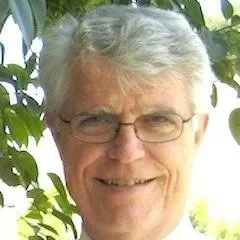
Ep. #167: Grief, Loss & Relearning Life with Dr. Thomas Attig
Grief isn’t something you fix or finish.
It’s something you learn to live with, as your world quietly reshapes itself.
In this episode of The Energy Fix, Tansy sits down with Dr. Thomas Attig for a deeply human conversation about grief—what it actually is, how it unfolds, and why so many experiences of loss go unseen or unsupported.
Together, they explore stigmatized grief, the kinds of losses that aren’t always acknowledged by others, and how that silence can deepen isolation. Dr. Attig shares a powerful perspective: that grief is not something we move on from, but a process of relearning how to live in a changed world.
The conversation also touches on the emotional and physical responses that accompany grief, the importance of being heard, and the role of support in navigating loss.
This is a gentle, grounding episode for anyone carrying grief—whether recent or long-held.
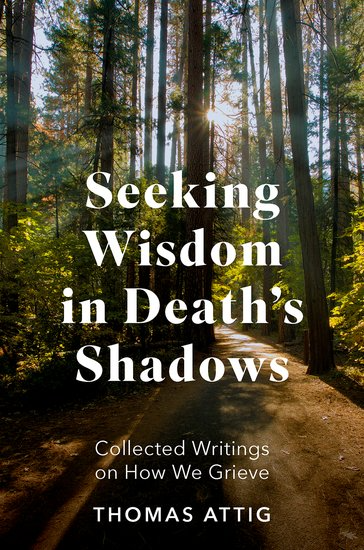
Purchase his new book!
→ Use code AUFLY30 to get 30% off at Oxford University Press
Listen & Watch
🎙
Listen & Watch 🎙
What We Cover
In this episode, we talk about:
The non-linear nature of grief
Grief as a process of relearning life
Emotional and physical responses to loss
The role of relationships in healing
Why being heard is essential in grief
The importance of support and community
How love continues even after loss
Honoring your grief without judgment
Key Takeaways
Grief is not linear and doesn’t follow a set timeline
Some losses are minimized, even though they deeply impact us
Healing can happen through relationships, not just within ourselves
Grief affects both emotional and physical states
Being heard and supported is essential
Relearning life after loss is part of the process
Your grief is valid, regardless of how others perceive it
Love continues, even in the presence of loss
Favorite Quotes & Sound Bites
A few moments you’ll want to remember:
“Grief isn’t a checklist and it’s not a straight line.”
“It’s a process of relearning how to be in a world that has changed.”
“Grief was never meant to be carried in isolation.”
“It’s okay to really just be gentle with yourself.”
“Your grief counts. Your love counts.”
“What is one small way you can honor your love today?”
Chapters
04:10 – Dr. Attig’s path to grief work
08:02 – Why the five stages don’t fit
09:54 – Grief as relearning life
16:14 – Love, remembrance, and ongoing connection
21:26 – Anticipatory grief and loving in absence
29:04 – Navigating sudden loss
45:52 – Finding steadiness when grief takes your breath
55:03 – Emotions as signals and guidance
66:44 – Relearning life after deep loss
77:16 – Supporting others through presence
83:24 – Honoring your unique grief
Why This Episode Matters
Because grief doesn’t always look the way people expect it to.
It can show up as:
feeling like your world shifted, but everyone else kept going
grieving something others don’t fully recognize or validate
emotional waves that come and go without warning
changes in your body—your breath, your energy, your focus
feeling alone in something that feels deeply personal
trying to “move forward” while still holding love for what was
And the hard part?
There’s often pressure to process it quickly, quietly, or correctly.
This episode matters because it removes that pressure.
Dr. Attig brings language to grief as a non-linear, relational process—one that includes love, memory, and continued connection.
You don’t have to rush it.
You don’t have to justify it.
Your grief counts. Your love counts.
About Dr. Thomas Attig
Thomas Attig holds BA and PhD degrees from Northwestern University and Washington University in St. Louis. At Bowling Green State University, while Chair, he and his colleagues established the world’s first PhD Program in Applied Philosophy. A Fellow of the International Work Group on Death, Dying, and Bereavement, he has received a Lifetime Achievement Award for Death Education from the International Network on Personal Meaning, Death Educator and Lifetime Achievement Awards from the Association for Death Education and Counseling, and the Robert Fulton Founder’s Award from the Center for Death Education and Bioethics at the University of Wisconsin La Crosse.
Links Mentioned In The Show
Website: https://griefsheart.com/
Order the book! Seeking Wisdom In Death’s Shadows and get 30% off at Oxford University Press: Use the promotional code AUFLY30 to get the 30% off
Podcast review promo...Get 15% off a distance energy healing session or a piece of jewelry with a positive review of the show. Email photo of review (after submitted on podcast platform) to info@tansyrodgers.com
Support Beyond The Episode
If this conversation hit home, and you’re craving deeper support (not just ideas, but real integration):
Join the newsletter →
If this episode resonated, follow or subscribe to The Energy Fix for more conversations that meet you where you are—especially in the moments that don’t have easy answers.
And if you know someone carrying grief quietly, consider sharing this episode with them.
If there’s something you’d like explored on the podcast, you’re always welcome to reach out.
Transcript
-
Tansy Rodgers (00:13.73)
Welcome back to the Energy Fix, a podcast dedicated to help you balance your energetic body by diving deep into the sweet world of all things health and spirituality. My name's Tansy and I'm an intuitive crystal Reiki energy healer, energetic nutrition and holistic health practitioner, and a crystal jewelry designer. It's time to talk all things energy. Let's dive in.
Today's episode is for really anybody who has ever experienced a loss that they feel maybe didn't count or they didn't have the time to really just process and move through it. It's the kind of grief that people minimize and misunderstand or maybe quietly judge. It's the kind where you're not just mourning the person or the thing. You're also mourning your right to mourn it.
And so before we begin, I just wanna name something for you. This conversation is tender. We're gonna be talking about grief and especially the kinds of losses that don't always get understood or honored. And so if anything here stirs something in you, just know that you're not doing it wrong. Just know that your trigger is absolutely okay. It is okay to pause this. It's okay to come back when you feel ready. It's okay to really just be gentle with yourself.
especially if you're in a process right now of grief and you are trying to understand how to move forward. Because we're going to be talking about stigmatized loss. The ways grief can change your body and your breath and how healing isn't just about quote unquote getting over it. It's about learning how to live again without betraying what you loved without betraying yourself.
My guest today is Dr. Thomas Attick. He's a philosopher who has spent decades studying grief and meaning and what it takes to recenter the world after loss. He's the author of a new collection, Seeking Wisdom in Death's Shadows, and he teaches a perspective I find so deeply stabilizing, and that is grief is not just something that happens to us.
Tansy Rodgers (02:40.566)
It's also something that we learn our way through. And I will tell you, I personally have been on this roller coaster process for the past five years of dealing with so much grief and so much loss in my life. I am incredibly excited to have Tom here on the show. All right, let's get into this conversation.
Let's dive in. Welcome to the show, Tom. Thank you so much for being here.
Tom Attig (03:12.35)
It's really nice to be here. Thanks for asking.
Tansy Rodgers (03:15.51)
Yeah, you know, I want to learn about you before we get into this potentially heavy conversation and to also learn about your book and the things that you have written and the things you've learned. I want to learn about you and I want to learn about where you're at at this time in your life. Is there a word or a phrase that you're really connecting to closely right now?
Tom Attig (03:44.214)
I've been thinking about it for about the last two or three years. Teaching. In writing the book, I sort of did a personal autobiography with an emphasis on the work that I've done. But the work that I've done has been central to who I've always been. When I was a small fellow in school,
The people I admired most were my teachers. My older brother was nine years older and he became a teacher. And I just found that I wanted to do what they were doing. And I wanted to be approachable. I wanted to be the kind of person that if something serious had happened in your life, you'd want to talk to me. Or it would be getting...
be good to sit down together. And then if talk comes, it comes. If a hug is needed, a hug is given. And I thought for a while I was gonna be a math teacher because I was really good at that in school, but I was pretty good at most than anything. And I went off to study math and within one semester I decided I did not want to do what I saw my teachers doing.
I imagined myself in a high school classroom teaching trigonometry to a class where most everybody didn't give a rat's a patoot about whether they learned anything about trigonometry. And you didn't have any conversation in a class. And I thought, maybe I'll do the humanities. And eventually I wound up in philosophy. And the idea there was, I thought, to seek wisdom. That is sort of know-how, how to live a life.
meaningfully. And I had no idea that I'd ever teach death and dying. I thought maybe ethics or I studied phenomenology and existentialism, the first being disciplines to help you describe and interpret experiences. The whole range of human experiences was open game for philosophers and existentialism. And they were philosophers concerned about
Tom Attig (06:08.386)
how to live a finite life that ends in death with integrity and meaning. And once I got into actually teaching, I was teaching at a place where they put together a College of Health and Human Services that featured programs in nursing and social work and gerontology, child and family development. And...
My colleagues were teaching applied courses in medical ethics, philosophy of law, philosophy in business, and so on. And I thought a course on death and dying would be possible. I proposed it. And I thought I was going to do ethics in the end of life. Then I realized that would be rare for nurses and gerontologists to really be working on such challenges. But every one of them was going to be afraid to go in a
to a room where someone was dying, or every one of them was going to be challenged to know what to say or how to talk with someone who was grieving. So I thought I was leaving philosophy behind and became a one man band in psychology, sociology, literature, poetry, film, and so on, and got into teaching death and dying. And this is how I came to do
the work that I've done ever since, I had them doing self-reflection exercises. And one of them was write about the three most important or most difficult or challenging losses you've ever experienced. And if they're not about death, that's all right. But if they are, write about those. And I read hundreds, if not thousands, of these exercise responses.
And no one ever mentioned five stages of grief. No one ever mentioned a single stage of grief, which is supposedly something that happens to everybody. They didn't emphasize so much what happens to you when you grieve. They were talking about challenges in going on from here. What do I do next? What do I do with the stuff in the closet? What do I do with, how do I have a conversation with grandma?
Tom Attig (08:31.726)
My father has just died. That's her son. How do I talk with her about what's happening to me when she's got her own grief to worry about? Do I want to go to church anymore? What's it going to be like walking, getting out in the backyard where we used to hang out and play and so on?
They're talking about various parts of the world that are going to be difficult for them or various interactions with others that are going to be difficult. I told them in response, said, none of you ever talk about stages of grief. You're always talking about learning how to live in the world because it's changed. Your daily life has changed and the next chapters of your life are not going to be the ones you were anticipating living.
a major character is going to be missing and the shape of that living in the days to come is going to be different. I said, does this make any sense to you to talk about grieving as relearning how to live in the world? And they said, that's exactly right. I've had people say pretty silly things about grief and loss, but that's exactly what I'm experiencing. So I started writing and here I am as the guy who started writing about that stuff.
Tansy Rodgers (09:54.554)
Do you think that people don't talk about some of these stages because it's so, it can be so hard because it demands certain emotions. It's easier to talk about, okay, what do I need to take care of? What do I have control over? Do you think that that's part of people's, like, moving away from talking about the stages?
Tom Attig (10:22.302)
I don't think people go through stages. I think that's a profound mistake. And every journalism school seems to teach commentators and authors to think in those terms. If you'd like, I'll pick apart that view in the next couple of minutes. I suspect that in the work you do, you talk to people about egos. And egos are the part of us that like
to take control, to be in charge, to solve problems, to get things done, to finish things. And there are challenges in life where egos are suited to handle them. And you can make a list of them and you can put them on the refrigerator door, hang them up there and tick them off.
As one by one you finish them, you address them and you finish them. There are different kinds of challenges in life and they are challenges of contending with what I would call constants in life that you can't control, you can't manipulate, you can't change them, you have to change in response to them. And they will show you a face like when grandma dies,
you meet up with death and sorrow. When dad dies, you meet up with death and sorrow in a different light, and they show you a different face. And the changes that you are challenged to make in your life are different from what they were with that first loss. I think of egos as geared up to deal with everyday problems.
But when you meet up with the death of someone you care about and love, that's not an everyday problem. And you can't change them at all. You can't change that event, that happening, and that change in life. You can only change in response. And grieving is about the responding rather than the reacting. Think of ego defenses. Ego defenses are sometimes described as fight or flight.
Tom Attig (12:47.63)
And egos are ready to fight. They're ready to contend. They're ready to try to control and conquer and so on. Let's go through the five stages. What's happening with denial? This didn't really happen. Okay. That's an attempt to fly, to flee from, not to fight. I'm going to get the hell out of here and I don't want to contend with this stuff.
Or think of the second one, anger. What do people do with anger lots of times? They try to control things, right? And if anger isn't fighting, I don't know what it is. And then there's bargaining, where you're, you know, if I do this and I do that, can this be different? You try to negotiate. If you're dealing with death and dying, you're trying to negotiate with what can't be negotiated.
And then you get to, what's the next one? it's depression. That's the fourth stage. None of these things that I usually do, engaging with ordinary problems, denial, anger, bargaining, can I do. None of my ego defenses are working for me. This feels crappy.
And then supposedly the fifth stage is acceptance where, well, it's a reality I've got to live with. Now, if that isn't as clear an accounting of fighting and flighting or flying, not working, those are your ego defenses. All right. You're going to do something with something deeper in you. I call them soul and spirit and the soul.
makes itself at home in the world, loves, cares, builds relationships, thrives in relationships, and so on. And your spirit overcomes adversity, rises above suffering, seeks delight and joy and adventure in living, stretches into the new.
Tom Attig (15:14.478)
Your soul makes you at home in various contexts with others in places that you care about deeply and invest your energies in. And your spirit engages with what troubles you, struggles to overcome it, and seeks the best that life has to offer in the new, the exotic, the wonderful.
the joyful, the hopeful, and so on. And grief is about what the soul and spirit does in response to this immovable event that has intruded in your life and that you have to engage with. And as I have this idea of grieving as a process of relearning how to live in the world, I ask people like your audience and you.
a simple question. I'd love to have like a hundred people in a room and say, raise your hand if you have finished learning how to live.
No one ever raises their hand. All right, so suppose then we think of grieving as a process of relearning how to live. How many of you think you're ever going to finish missing the person who died? Anybody? No. Anybody here going to finish loving them? No. So just as learning how to live goes from birth to death, grieving is going to do the same thing.
30 years from now, when you're in your 50s after your father has died, you're still going to miss him and you're still going to love him. And one of the hardest things, I think it's the heart of grief, and we can talk about all of this, is learning to make the transition from loving when the person is physically present to loving them when you're separated permanently.
Tom Attig (17:26.945)
That's hard to do, but it's easier than people think it is. So I wrote a whole book about that.
Tansy Rodgers (17:35.438)
break.
because I want to share something I make that's meant to support you in real life, not just look cute on your wrist. I create intentional crystal jewelry through BEU crystals. These pieces aren't random. I design them using crystal energy and I also weave in numerology and geometry and I infuse the pieces with Reiki healing energy as part of my process to really help support you on an energetic, deep level.
little wearable anchors. The kind you can touch when you're overwhelmed, when you're heading into a hard conversation, or when you need a reminder to come back to yourself. More solid, more grounded, more authentic.
I'm not here to tell you that jewelry fixes everything, but I am here to tell you that having a steady physical cue can change your day, especially if you're sensitive, easily overstimulated, or your brain likes to sprint way ahead of you. If you want to browse what's available or see what is newly released, head on over to beucrystals.com. I'll link it down in the show notes so that you can easily shop and check out what is available.
As always, if you have any questions or you want to do any custom work, you can easily reach out to me right there. Okay, let's jump back into this episode.
Tom Attig (19:02.734)
Does that make sense?
Tansy Rodgers (19:03.662)
It makes complete sense. And actually, I'm just I'm going to give a little example if that's OK, because I love I love what you just said. First off, yeah, it is, you know, the whole concept of the five stages of grief. this I'm saying this coming from a person who has been trying to really move through a lot of grief in a short period of time. The stages, they you're never really you're never really
mastering any of those stages because it's like you might go forward a few, you might come into acceptance, and then you're right back down into depression again or you're right back into I can't believe this right like it is just it's not linear it's not linear but what I will say when you talked about the heart of grief learning to love people right now that when they do pass
There's just that different kind of love and connection. When my father passed in 21, I had a strained relationship the majority of my life. And when he got really sick, our family stepped in. We started doing a lot of work with him. We really took care of him. We were there 24 seven for the most part, especially by the time he got towards the end of his life. And in the three months that I got to really spend
with him and doing some of that caregiving work and getting to talk to him, the love and the relationship healing was so immense. And I got the fortunate, the fortunate opportunity to be there while he was passing. And I will tell you, Tom, I feel like it almost makes me choked up even thinking about it. I feel like
that opportunity to have with him to heal the relationship and love on him in that moment no matter what our relationship was prior to that. I have a better relationship with him now that he's on the other side because of that time that we got to spend together. And so that concept of the heart of grief that you just talked about, I feel it. I was there and I absolutely attest to that. I feel that that is so powerful.
Tom Attig (21:26.914)
There's another little piece that I wrote that's in the book on anticipatory grieving. And a lot of the writing before that was about completely letting go. And that's what you have to do. And I'm thinking while we're anticipating someone dying, we're feeling the sadness already and we have to process that.
in some way. And we are doing painful letting go of what we're going to lose in their physical presence. But I also think that anticipatory grieving can be anticipating, loving while they're not here. And a lot of efforts on the part of people who are dying are with their children like you.
I'd like this for you after I'm gone, or you're going to be leaving a wife as a widow. I'm arranging this for you. I'm teaching you how to do this because I know you're going to have to do it without me when I'm gone. Here are some of the things I hope you remember and cherish. If I taught you anything, I hope you hang on to the lessons.
and so on, and you can see people in personal relationships with their loved ones as they're dying, taking in some lessons that they have to offer, expressing how you're not going to forget this and you're not going to forget that. And I remember how you taught me this, Dad, and how you taught me that or showed me how to do this. We get legacies.
from people that we still have after they're gone and remembering and cherishing those legacies, being moved by those legacies.
Tom Attig (23:34.638)
keeps the love alive.
And let me talk about love and separation for a minute. This is the same kind of thing you can talk about. Like those questions I said, how many of you feel like you've finished learning how to live and so on? You came into your studio today to interview me and the people who are listening to us came somewhere where they sat down and they're sitting and listening and maybe watching.
And here's a simple question that I've asked audiences. Does anyone here love anybody who's still alive? Yeah, they all raised their hands. Okay. How many of you brought all of the people that you love with you and they're in the room right now and you could point to them and afterwards we could shake hands and maybe some of them would even want to hug me and so on. Did you bring them all with you physically? They're here. No. Okay.
Not a hard question. Did you stop loving them when you came here? No. Do you think, how many of you think the people you left behind today to come here stopped loving you when you left? No. Well, here we are then, separated from all the people we love and cherish who are still alive with us, and they're not in the same room. They're not present with us.
How do you suppose we're doing that? Because that's what we do most of the time. I don't think there's anybody we spend half of our time with. Even somebody you might be married with or someone who's raising you as a child isn't there that long. So we don't stop when we're physically apart. Well, when somebody's dead, it's just that that physical separation is permanent.
Tom Attig (25:39.714)
But all the stuff we can do while they're dead and we're still alive is what we can do when we're separated when they're alive. The only stuff you can't do is what requires physical presence. You're not going to be hugging and kissing. You're not going to be tickling. You're not going to be laughing together out loud where you can hear one another and lots of things like that. You're not going to be taking walks together and so on.
but everything else that doesn't require physical presence, you can still do. So what do we do when we say we're continuing to love people that we left behind before we came to hear this interview and so on? We remember them. I that's the most important thing that we can do when they've died. We bring them to mind when we're apart. Okay, and what do we do when we do that?
Well, we remember conversations we had. We remember histories of doing things together. We remember lessons that they taught us. We remember influences, how they, while they were raising us, made us better at this or better at that with friends that we have or with problematic people in our lives. How to live a life, how to have a job, how to honor a job that we're doing and so on.
I wrote in my little book called The Heart of Grief, which is about this, that there are four places where we hold those who have died in ourselves as we live on without them. One place is in memory, and memories are precious, and they provide us access to everything else. Our practical lives are different.
We learned how to make muffins. We learned how to play baseball. We learned how to read a newspaper. We learned how to do all kinds of things, practical lessons in living. But we also hold them in our souls. Where their love influenced us, we learned from them. They touched us. They shaped how our souls love and care about things in this world.
Tom Attig (28:05.234)
and they influenced our spirits. How we contend with adversity and difficulty. We've learned lessons about how to be hopeful when it seems like it's really difficult to be hopeful. We've learned how to be adventurous. We learned how to be joyful. We learned how to laugh. We can laugh with the people who aren't here with us today, just thinking about some of the silly things they've done or we've done together.
The songs that we've sung together and so on are still ours to enjoy when others sing them or if we try and fail but try better to sing those songs and so on. So there's so much by way of how we can love when we're apart that we can still do that if you're counseling with people and they seem to be dwelling on the darkness, invite them gently.
to think about when's the last time you smiled with dad and what brought that to the surface. Did you ever sing with your mom? Does she have a favorite song? Can we sing it together now? Things like that. Does this all make sense? I hope it does.
Tansy Rodgers (29:22.38)
absolutely it does.
Tom Attig (29:24.002)
There is such a thing, know, grieving the loss of your former spouse is something that a lot of people won't let you get away with doing. And it can be very hard. Or you had, say, a child who killed himself. And then you're proclaiming your love for your son who did that.
And people say, well, how can you do that? Do you approve of his killing himself? Well, not necessarily. Well, then you can't really approve of him, can you? And I think in very simple terms about something like that, you raise a child. Do you stop loving them when you don't approve of something that they did? No, it's part of the package.
And we do that all the time. We see people doing things that we wish they wouldn't do, that sometimes even hurt us, and maybe even harm us.
There's so much else to them and who they are and what they do that we... Well, sometimes you feel like you have obligations and so on, but beyond the obligations, you still genuinely love them, though, unfortunately, he became a alcoholic. Unfortunately, he got into drugs. Unfortunately, he ran with a gang for a while and wound up with doing some jail time.
You've got this kid in jail. You've stopped loving him because the society says you've done something wrong and they're correct. It's part of who you love and it makes it harder. It makes it more challenging and it makes sometimes negotiating with them difficult. forgiveness is lauded in an awful lot of religious contexts and so on for a reason. I mean, the thought is that
Tom Attig (31:34.048)
Love matters enough here so that working toward forgiveness is going to make life better for both of you. But the history will remain that they did something that was really hurtful and harmful. I've not met perfect people to relate to and I think I noticed that fairly early in my life. So I've had friends that a lot of people wouldn't have as friends.
but I would have missed out on an awful lot if I'd kissed him all away, just because it did something that even hurt me. which I, one of the things we were talking about my youth a little bit, I don't know how it happened. but from the very beginning, you could try to get me to read a book. And that's what my mother wanted to do when I've seemed like I was bored.
And that was the last thing I wanted to do. I remember days as a child when I left at about nine o'clock in the morning on my bicycle and rode to every friend's house in the town where I was growing up and no one was available to play. So I went home and had lunch and I spent the afternoon doing the same thing. And you know, why don't you sit down now? Gosh, you've been riding your bike all day. Why don't you sit down and read a book?
No, I'm thinking I'm going to drive over to Chuck's house or Bob's house or whatever. And somehow I became a scholar later on in my life. I don't know how that happened because I'm a slow reader on top of everything else. But by the time I was, well, I also had big families. My mom was one of nine. My dad was one of 10. And my mom's family all lived in the Chicago area. So my parents' social life was with my mother's relatives.
A lot of my cousins played with each other. I did that now and again. We were different ages. I just love sitting in the corner and listening to my aunts and female cousins talking and to my uncles and male cousins talking. And I listened and I listened and I listened and that's where I belonged. And by the time I was say junior high, a lot of my best friends.
Tom Attig (34:02.254)
turned to me for advice. And we had conversations like this. So I guess, that's part of what I've always done as a teacher is have conversations with my students and that upbringing and that set of habits that I developed as a child helped a great deal. It also happened with those large families filling in a picture of me.
For those of you who might be interested, I don't know why exactly, but that's the way it is. My dad was 18 years older than my mother. So his relatives started dying while I was growing up. And at that time, people didn't tend to travel a long distance to a funeral. Letters were sent. know, an uncle would die and Aunt Irma would send a letter and spelling out
the details of the experiences they had in their last days, sometimes several pages. And my mother would announce that a letter had come and then she read it out loud to the whole family. And when her relatives started getting sick and spending a lot of time in hospitals, she always took me to the hospital with her and we'd spend a whole day, often in near silence.
I got used to being around death and dying and hearing stories. And some of the stories were quite unpleasant, but she never edited. She just read what she read. So I remember once meeting one of my cousins on my dad's side, and he was a farmer in the Midwest, and he'd been in a combine accident and lost part of his, one of his arms. But he went back to farming.
And a few years later, we got one of those letters and he'd been combined to death. He fell into the machinery and by the time they got the machine stopped, he was gone. So I got used to death having ugly faces, not simply quiet faces in hospitals and so on. We used to have rumors who lived upstairs.
Tom Attig (36:28.75)
And I was about 12 or 13 when we had this especially nice guy. And he would come down the stairs and he'd find me in the living room and he'd come and play with me. We'd play games on the living room floor. We had little conversations and so on. And finally he graduated from the local college. I think he got a master's degree and he started working for a local funeral home. And he was doing like a
an internship or something and he was driving out and picking up bodies. At midnight one o'clock there was a train that ran through town and one night he went out to go where a car had been hit by a train and he found the body of the driver and it was his fiance.
I spent a lot of time when I was junior high and early high school thinking about him and his experience, what that had to be like doing the work that he was growing to love and then having the shock of his life. And I think that my experiences growing up probably disposed me to doing what I've turned out.
to be doing, but it took me a long time. I recognized early that I wanted to be a teacher. I didn't realize it was going to be about grief and loss and death and dying, but mom set me up and my brother as a teacher set me up. And then all those experiences. And I remember with some of my high school classmates, they were thinking about killing themselves and we had conversations and none of them did.
I don't know that I was the decisive influence there, but to have a friend actually want to talk to you about what they're thinking about was remarkable. I've always had a real tough time readily dismissing people for having concerns in their heads that I don't have. They're different from me and life.
Tom Attig (38:54.38)
was hard for me in some ways, I think, but never as hard as a lot of what I witnessed. There you go.
Tansy Rodgers (39:01.518)
Yeah, yeah. so and, you know, to add on to that in all these stories that you were exposed to, all of the exposure in general, to a certain degree, I mean, maybe desensitize you to a certain degree. But I would also say, too, just allowing you to process, allowing you to see the fragility of life, allowing you to
be open to what the face of death could look like. What I find so interesting is all of that really just allowed you to be able to stand up as a leader and say, I'm going to walk forward with this knowledge and this gift that I was given and be able to help hold space for other people. And I would also say to you, you talk about this concept of.
a lot of grievers might say that death took their breath away. I want you to talk about that. I want to know what that means exactly from your perspective. But I feel like with you saying consciously, I'm stepping up, I'm holding space, I'm using this knowledge and this experience to be there for people, to help teach people to be and philosophize and philosophize, philosophize.
You know what I'm saying. I can't get the word out. Yes, thank you. To be there and to be able to do that for others, you know, that is such a gift. So let's talk about those who don't have that kind of experience. And when they say, death took my breath away, what does that, what's happening there? Missionally, physically, spiritually, what?
Tom Attig (40:32.108)
Yeah.
Tom Attig (40:50.987)
I think that
I think that holds for anybody. A sudden death is like a punch in the gut. A sudden death is like a huge weight just fell on your shoulders and you feel like your legs are giving way.
An unanticipated death especially just takes your breath away in the way in which anything that's kind of overwhelming just stops you in your tracks. Whatever you're doing, you just find yourself unable to continue. I don't know fully what's
just happened. It feels like everything about me has been affected sort of all at once by this event. This just isn't normal. And I need some time out to sort it out. I need some time out to think about it. I need some time out to just scream at the moon or cry in my pillow or punch a punching bag or something. I'm just I'm stopped in my tracks.
and you're stopped in your tracks because the world you're about to go back to has just changed dramatically. is as big a change as comes into an individual life that's just happened. I lost my child, I lost my wife, I lost my best friend, I lost my father, I lost my caregiver, I lost my lover.
Tom Attig (42:43.254)
It's not small and we recognize it and we feel it in our bones. mean, our bodies are made to just sort of carry on automatically. But this is such a big change that on autopilot, it's not working for me anymore. It's almost like I can't move. I've got my hands, I can still do with them everything I know how to do, but I've lost the motivation. That's been knocked out of me.
I don't understand this. is a bigger thing than I can take in and process and feel able to deal with, negotiate with, find my way through. That's the...
Thinking of grieving as catching your breath is, I'll do this. This is the best heart-to-heart book that anyone has ever written or put together about grief and loss. Catching your Breath and Grief.
Tansy Rodgers (43:52.274)
For those who are just listening to that, is the book that is the book that he is holding up that he has written, Catching Your Breath in Grief. I will have that linked down in the show notes for you to check that out close.
Tom Attig (44:05.71)
This book was written 13 years ago. And it's got like 50 or 60 pages in it that has a nature photograph on the top and about 200 to 250 words on the bottom on a particular topic. And I find that people who are in the depth of grief
can't read a book. They can read it later. And that's what my new book is about. This thing has got a little bite-sized reflection for you that's like a little meditation that speaks to the breath of life. The first part of it is learning to live, catching, you know, breathing into life. The second part is about when
Lost takes your breath away. And the third part is breathing back into life, catching your breath.
People who read, just a lovely little story. There's a hospice here in town and I knew the chaplain there. And she was walking down the hallway in the hospice one day and she heard a room that was kind of alive with conversation. And someone was dying in that room, but a whole family was gathered together. She said, Tom, I just snuck in the back of the room. They didn't even see me come in.
That family was taking turns reading a page from your book and talking about it with the dying person in a room with them. I thought you'd like to know that. said, well, yeah, I do. But this is the book for today.
Tansy Rodgers (45:55.382)
Aww.
Tansy Rodgers (46:03.552)
again, he's holding up his book is called Seeking Wisdom in Death's Shadows. And I will have that linked in the show notes as well.
Tom Attig (46:11.79)
Well, and I'll tell you what else you can have. I will, we'll do a little email exchange. Oxford is offering this book for 30 % off. And I've got the information about how you can go to their website and get hold of the book. So a $35 American currency thing becomes a $25 route. So that's a pretty good deal. We're talking about.
You wanted to know about catching your breath and grief. It is a huge challenge to get up and running again after someone has died. And people talk about closure. I said, you won't stop missing them and you won't stop loving them. You won't stop grieving. That's not a kind of a thing that you finish.
And it's not the kind of a thing that an ego takes care of. Egos aren't used to having challenges that they can't complete. And they're geared up and they're made for handling everyday problems. And you talked about sort of sensing that you're going through stages. If you ask people who are grieving in a large audience,
and so on. How many of you have felt denial or bargained or felt angry? Angry? Yes. The others? Harder. In sequence or like stages of anything? No. Kubler-Ross came up with the five stages and they fit perfectly with dying.
When you are physically ill and you're on your way to dying, you don't want it to be so. whatever information you receive is ambiguous. There's a pretty good chance you're going to die, but there's also a chance you're not. I'm going for that and I'm buying into denial. You get harder information about your dying and you get angries because angry
Tom Attig (48:37.602)
helps you get through some things and get control of things that otherwise can't be controlled. But it doesn't work if you're actually dying. bargaining, you can negotiate about things that are negotiable, but your life ending, you can't negotiate that. That cannot work. And if you're feeling ambiguous about whether the doctor's got it right or not,
And they will tell you that, well, we can try this. I'm going to bargain my way with this and get past it by accepting one more horrible treatment and so on and so on, rather than face the idea that I'm really not going to make it out of this and choose to live differently, possibly in hospice care or palliative care and so on. When someone has died, there's no ambiguity.
Especially, well, there can be if they haven't found the body or there's a missing person who's died. But if the person has actually died, you're not going to attempt to bargain your way into them coming back to life. You're not going to think that your anger is going to make a difference in whether you survive or not. This person, this person has died and denial isn't going to do a heck of a lot of good either because you're facing what you're wanting to deny.
Most people won't hang in there with denial when there's actually been a death. So there's a fellow named David Kessler. worked with Kubler-Ross toward the end of her life and they wrote a book together. And he's been known in lots of circles where I read things as the man who understands best grief. And he's holding onto this five stage view. And to my view,
the idea about dying doesn't transfer to what happens in grief. And I think the students that I tried that exercise on with gave me a better picture of what's really going on. And there's nothing like contending with those, especially all five of those stages. Some people will be depressed about what grief is doing to them. And they'll have to struggle to
Tom Attig (51:02.066)
really believe that this person has died. But the five stages just don't fit. And they're wrong about calling him what they call him. He's been misled.
Tansy Rodgers (51:16.582)
A quick pause for a gut check because gut health is not just about digestion. When your gut is supported it can impact so many big picture things like immunity and brain support, mood and energy and even how steady your nervous system feels day to day. And when your gut is struggling it can show up as more than bloating or bathroom drama.
It can look like feeling run down and more reactive or foggy or anxious or like you're just not bouncing back the way that you used to. And that's why I'm a big believer in supporting the microbiome as part of a real life wellness foundation, especially if you're under stress, if you're in a busy season of your life or your system is already sensitive. One of my consistent staples is just Thrive Probiotics.
I love it because it's simple, it's consistent, and it helps me feel like I'm supporting my body's baseline without turning my routine upside down. Because here's the reality. When you're supporting your gut, you're often supporting everything downstream, like your immune functioning, your nervous system resilience, and how well your body and your brain can actually do their jobs.
If you want to try it out you can use code TANZIE15 for 15 % off your entire order. Jump down to the show notes, click the link, and make sure to use TANZIE15 for that 15 % off. All right, let's get back into this episode.
Tansy Rodgers (52:52.782)
Well, I want to dive even deeper into that because you talk about these five steps not necessarily truly being stages that you that you go through in the traditional sense of how they're typically described, right? But I'm curious about when people are deep into that suffering, you know, they're in that grip of suffering. What are some of the signs that you see or steps or stages or whatever you want to call it?
that you see that grief has really shifted from pain into something tighter and something more consuming that that person is struggling with.
Tom Attig (53:33.09)
This is the time when I have to talk about emotions.
Tansy Rodgers (53:39.017)
We like emotions here. Let's talk about those.
Tom Attig (53:41.858)
Well, and I kind of read sort of what your purpose is in your podcast and so on. I think I have something to offer and you can find it discussed in the book.
I talk about emotions and I have to confess that just my mindset is sort of like this. Sometimes I just get curiouser and curiouser. Have you ever wondered what the E is in front of motion in the word emotion?
Tansy Rodgers (54:19.394)
I never really thought about it, but I would love to know your thoughts.
Tom Attig (54:22.574)
What is this about motion here? emotion? As opposed to locomotion or, know, and I looked it up and there are several meanings of the word emotion. Okay. But it's pretty clear that a fundamental meaning of emotion is without motion.
Tansy Rodgers (54:30.062)
8
Tom Attig (54:46.766)
And I believe just as I was talking about catching your breath and grief, and I talked about you're being kind of stopped in your tracks.
Tom Attig (55:03.126)
I take seriously that idea of without motion. And I thought about emotions and the watchword in all kinds of reflections about emotion and literatures about emotion says, and this is a cliche about grief, your emotions have to be expressed.
They're crying out for expression. saying, tell the world you're feeling this. All right. And I think, no. What emotions are crying out for is understanding. It's like a pain. If you had a pain in your knee, you say, my knee hurts. And then you go on and do stuff and you hurt your knee a little bit more or the pain gets worse. And
You cry out, my knee hurts, but you don't do anything. You're not attending to why is my knee hurting? What is my knee telling me? My knee could be telling me that I bruised it in some way. It could be telling me that I've got a circulatory problem behind my knee and that's where the pain is coming out. It could be telling me all kinds of things. My view is that emotions
aren't crying for expression, they're crying for understanding. Just as the pain in your head is telling you to have your head checked, or the pain in your elbow, or the pain in your belly, and it persists and you don't change what you're eating, or whatever, whatever, it's just gonna get worse until you do find out what it's telling you about what's...
wrong temporarily with your knee or with your belly or your head or your tongue or whatever that's really hurting. It's not crying so much for expression. It's crying out for understanding. And there are ways of understanding or learning about what your emotions are trying to tell you. People can keep journals. They can talk to counselors.
Tom Attig (57:26.912)
They can read up about the associations of this kind of agony or pain with this kind of trouble that needs attending to. We can pray, we can converse with good friends, we can do body work. Lots of people know how to do body work where attending to processes that are underway in your body get attended to.
And you can learn how to carry them in a different way that isn't so painful and so on. You can do body work with a therapist who knows how to read what's going on and can tell you that this kind of muscle problem is what you have or this is happening in your hip and it's projected into a pain in your knee. And when you understand the connection,
You can hold your hip differently or have it massaged in a way that will make it so that your knee that's really a hip related pain doesn't hurt anymore. You can do prayer. You can do rituals. You can do, you can keep track of your dreams and your dreams may tell you things about why you're hurting in this way as opposed to that way and so on. And once you learn lessons about
why it is that you're feeling these emotions. Typically the emotions will lose their intensity, especially when you start paying attention to things in your body, if that's what they're really about, and so on. And I've got a chapter that I wrote a long time ago in this book that I never really published, and it's called Sorrow-Friendly Practices.
And it's about 15 or so of these things that you can do in hearing what your emotions are trying to say to you. And as you learn them, here are things that you can do to respond in meaningful ways. When I've exposed people to that stuff, they like it a lot.
Tansy Rodgers (59:48.92)
Can you give us one or two?
Tom Attig (59:52.674)
Well, mean, part of what we're doing today is what you would do if you went to a counselor who knows what they're doing. And you tell me about a dream that you've had about your father, or you tell me about a pain you have in your back, or you tell me about a fear that you have about talking to grandma or whatever. And we can puzzle together about that thing that you're afraid of.
talking to grandma about. Let's figure out how you might begin a conversation and see where it goes. Let's talk about your fear. Well, maybe there's some things that you might say that you we can puzzle out together and say best not to say that that's not the best way to begin and so on. So counseling with another keeping track of your dreams, your dreams may be speaking to you and people who
keep track of them and write them out and so on. They find that there's a pattern and the dream keeps recurring or this is a variation of that same dream that's raising some issue or other. You can puzzle it out yourself or you could puzzle it up with someone else or especially with a counselor who's used to working with people with their dreams. Prayer is good and it's not make me better, but I...
Help me to understand this thing that keeps coming up and help me find comfort and help me learn people to be with who can be helpful with me given this kind of experience that I'm having and so on. People have extraordinary experiences. I have a friend who's written like five books about extraordinary experiences and these are what he means by them is experiences of meeting with the person who has died.
It's not like they come up, ring the doorbell and say, hi, I'm Bob from Among the Dead and I'm here to talk to you. But they think they see people, they think they hear people, and take those experiences seriously. Usually when examined closely, people find that the experiences are speaking to them and they have a sense that it's dad speaking to them or mom speaking to them.
Tom Attig (01:02:20.942)
and so on. This fellow became a nighttime radio hero, like the shows that are on from one to three o'clock in the morning. He was on those talk shows and people would call in and tell about their experiences of hearing or seeing or spending time with the person who has died. He said, don't dismiss that as crazy or just a dream or whatever.
What is it, if you read it as trying to say something to you, what is it? And then when they take it seriously and do what the person is calling out in those experiences, frequently they change things that they're doing for the better in their lives. I would never dismiss people telling me about something that happened in a dream or a vision or a hearing.
of dad's voice or mom's voice or my son's voice or whatever. Be open-minded and give your emotions credit for being pretty smart and reflecting something that's serious going on with you and you'll live better than, that's just my craziness. Don't dismiss what may be. How those signals come to you and
Why they do is pretty clear often, but how? Why do you need to know how it came? Take it seriously as a message and see if there's something in there that you can live in terms of that will help you. son of a gun, this really does help. I'm not crazy. I don't know how this voice came to me, but hmm, when the voice has stopped, hmm, maybe it did what it wanted to do.
and I seem to be catching on. People live that way.
Tansy Rodgers (01:04:20.844)
Yeah, yeah. And our soul and our spirit is constantly talking to us and helping to guide us and allowing us to have these physical and emotional responses so that we can know our body is so intelligent. Our energy body is so intelligent. It's trying to talk to us all the time.
Tom Attig (01:04:44.75)
I'm a philosopher and we are stereotypically taken as blow hearts and into their heads and as far from their hearts as they can possibly be and so on. And it seems to me, look, a philosopher is by definition a lover of wisdom. How do people live? Do you know people who live scientifically?
Tansy Rodgers (01:05:14.467)
Yeah.
Tom Attig (01:05:15.234)
Really? Stay far away. We live better if we live wisely. It's not clear that science can help us live better very much. It's wisdom that we want to cultivate. And people always ask, you know, what kind of applications are there in philosophy? What does an applied philosopher recommend?
and so on. And all I'm doing is recommending that people seek wisdom about what troubles them and what they're hopeful about and find the best ways of doing what makes you the best person you can be.
Tansy Rodgers (01:06:05.228)
Yeah, I love that. want to talk, Tom, I want to talk a little bit about your signature idea. And that signature idea is that grieving is relearning how to live in the world. feel like that is just such a beautiful, a beautiful semi ending to this whole conversation, because isn't that
really what we're trying to do through this grief process is learning how to relive in the world. So can you talk about this idea and what relearning actually looks like day to day?
Tom Attig (01:06:44.492)
Well, it looks like learning how to live in the first place, but you've got a profound change that's been introduced into your life. So the circumstances where your learning applies have changed radically. if you're wise, you will find changes that fit best with the changes you can't do anything about. And I think that's what grieving in a nutshell.
is. It's a process of seeking wisdom, living in shadows that you can't make go away, and changing how you're living so that you engage with the great mystery that's been introduced to your life, that is the death of a loved one, is not an everyday problem. It's a set of major changes in almost every dimension of your life.
Tom Attig (01:07:46.618)
And you want wisdom. That's what the relearning is. Find a new wisdom that fits with the new life circumstances that you could not control. put yourself back in charge to the extent that you can be of reshaping your life so that you honor the person who's died. You take seriously the
major changes that have been introduced in your life and you do your best to connect again in meaningful ways with what remains and what is receptive to you or welcoming you. Unfortunately a lot of what happens when someone dies is other people get to a point where they don't know what to do with you and how to live with you or how to care for you.
And sometimes that costs you more than just the one life. You lose other relationships. I can't tell you the number of couples that I've spoken with where they had a lot of friends and couples and a child dies and the other couples can't handle being with people whose child has died and they lose friends.
and they make new friends and sometimes they meet new friends in support groups because nobody else was particularly good at responding to them. Just a gentle little story. I used to have this two couples that had gotten together after one of their children had died and they formed a group for parents.
And they had found that so many of their couple friends were just unable to stay with them. Sometimes they didn't have tolerance for the upset that they saw their friends living through. Or they couldn't manage conversations that they sensed their friends really wanted and needed. Anyway, they lost a lot of friends and then they got together and...
Tom Attig (01:10:02.868)
in support groups and did a lot of good for one another. One of those women whose child fell from a swing, she was three years old, from a swing in their backyard. And she, on Friday, she was dead by Monday. It hadn't done a particularly damaging injury to herself, but it turned out that she had an incipient illness growing in her brain.
And the injury triggered that thing kind of almost exploding in their child's brain and she was dead on Monday.
Two responders and one final event. These are just nice stories to sort of draw toward a close with. They went to church for church service funeral and the pastor greeted him at the door and reached his hand out to shake her hand, not to hug her, but to shake her hand. Congratulations. What? Congratulations, you have a child in heaven.
She said, if I had the strength, would have punched him out on the spot. This is not what a grieving mother needs to hear. You're hurting, I'm hurting terribly. I'm being congratulated because I'm separated from my daughter. Later in the week, a woman from down the block where she and her husband were living with her, daughter and an older son, a five-year-old son and a three-year-old daughter who died.
Helen got a call from the woman down the block who also had a three-year-old girl and those girls had played together quite a bit. And this is how the woman greeted her on the phone. I know we haven't really gotten close, but I know that our kids played together quite a bit and so on. And I know that you've got to be in a bad way. I'm wondering if I've taken a lot of pictures of our two girls playing together.
Tom Attig (01:12:13.678)
I'm thinking and hoping that you would like to come down and have tea or coffee and we could look at the photos together. All right, she said, I was down there like a bullet. And we had the most wonderful afternoon and we've become really close friends and so on. So grievance like that contrasts with two different responses. Five years later,
a couple of hundred miles away are the sand dunes on Lake Michigan. And they decided to take their then nine or 10 year old son to the sand dunes for the first time. And they climbed these things and the climbing took like half hour, 45 minutes. It was just up, up, up. And they got to the top and she's looking around and she starts to cry. And her husband says, did you hurt yourself on the walk up?
She said, no. Well, what's up? Well, I'm just remembering that we always wanted to bring Mary here. And now here I am and she's not here. And I'm just crying. Just leave me alone. I want to make my mind up whether I want to, he says, do you want to leave? You know, guy wants to rescue girl who's suffering and so on. She said, no, you idiot. Just let me cry and then I'll make up my mind.
And so she cries for several minutes and he's got his arms around her. And finally she backs up a little bit. I figured out what I want to do. Well, what do you want? Shall we go now? He says, no, no, no, no, stay. I want to stay. And it feels like if I stay, I'm sort of like Mary's representative here. And it just, warms my heart to remember that she wanted to come here. We never got her here. And it just feels good to be here. Let's have fun.
with our son and we'll have a nice memory to associate with remembering her on this day and so on. Grieving's like that and it doesn't finish in a week or a month or a year. There will be reminders for the rest of your life and this was a pretty big reminder and they processed it together and had another good cry but it's not like the crying when it first happens.
Tom Attig (01:14:38.51)
And it never is. mean, it goes from really intense to less intense to more episodic and not as constant and so on. And I think that series, The Little Vignettes, tells you quite a bit about sort of what grieving is like. And it's manageable. But at first it's like...
You can't even muster the strength to tell your minister to buzz off or you got it all wrong.
Tansy Rodgers (01:15:10.07)
Yeah, yeah. Well, if somebody is really gently, if the listener is just sitting here saying, you know, I'm I love all this, but I'm still kind of having a hard time, maybe feeling ashamed of the grief that they're still feeling or not even sure where to start. What would you suggest would be a really great starting point to help somebody work with this grief that they're feeling to work through?
some of the grief that they're feeling so they can start to relearn how to live again.
Tom Attig (01:15:40.686)
I think that there's enough message coming to a grieving person from the world that
We feel real badly for you, but we don't know what to do or what to say. Please don't bother us about it too much. Handle that by yourself if you can. And I think a very natural place to start is like that woman down the street. I don't know just what you're feeling, but I know it's...
probably uncomfortable and part of it is being uncomfortable with nobody paying attention to you. And I'd love to be ears if you want to talk. And if this isn't a good time, I'll ask you again later. Okay. that's, and they'll eventually identify what it is that really bothers them. And sometimes you can be helpful or sometimes just listening can be helpful.
And that's way to get started. And don't anticipate that you're going to develop skills that you really don't have, but you might surprise yourself on how easy it is to be a good set of ears. And if the world is really behaving as if it doesn't want to hear your story, someone who says, we can talk. And if that helps in any way, I'm sure right now is a good time.
anytime you want.
Tom Attig (01:17:21.676)
You don't come at people with recipes and you're prepared to tell them the five best things they can possibly do. Be reactive along with them and stuff comes out of them and sometimes they're surprised by what they just said. I didn't realize I was feeling that. okay. And is that good for you or is that troubling for you? Let's talk. Does that make sense?
Tansy Rodgers (01:17:49.39)
I feel like sometimes people just want to be heard. Even if there is no advice, like you just want somebody just to hear them.
Tom Attig (01:17:59.594)
Absolutely, absolutely. it's frequently in a world that is pretty strongly signaling they don't want to hear them. Don't bother me with this. I've got enough stuff on my plate. Just a few minutes or a kind gesture or a cup of coffee and a conversation or a meal later on or a walk in the park or whatever. Yeah.
Tansy Rodgers (01:18:06.637)
Yeah.
Tansy Rodgers (01:18:10.946)
Yeah.
Tansy Rodgers (01:18:25.686)
Yeah. Well, this has been an incredible conversation. Thank you so much, Tom. We're going to talk about where to find the book in just a moment. We're going to talk about all of the ways to get into your world, Tom. But before we do, I want to do just a few rapid fire questions.
Tom Attig (01:18:43.32)
That's mean, go ahead, go ahead, I'm gonna repeat this line.
Tansy Rodgers (01:18:46.934)
It's going to be so much fun. All right. This is going to get to know. We're going to get to know you even more. All right. Three questions, Tom. Are you ready? All right. Here we go. Number one. Is there a book or a poem or even just a line that has stayed with you for years?
Tom Attig (01:18:57.131)
I think so.
Tom Attig (01:19:12.31)
a book or a line that has stayed with me for years.
Tansy Rodgers (01:19:17.87)
We're even a poem.
Tom Attig (01:19:26.526)
What's the fellow's name? C.S. Lewis has written a book called The Grief Observed. And in it he's talking about his experiences following the death of his wife. And they married late in life. And she was stricken with cancer and it looked like she was going to die right away. And then she got into remission. So they had two or three years together. And she finally died. And he's...
He's really angry at God and he's been a man of God. He's a theologian and so on. And he imagines God as a vivisectionist who is carving him in pieces and so on. It's just awful. And one morning he wakes up and he's not as angry and he's not hurting as much. And he says,
something on the order of...
Tom Attig (01:20:29.78)
It was almost as if when I was hurting least, I remembered her best. And it was like his own grief and intense sorrow was keeping him from remembering his wife. And he had talked about his memories as just melting into one another like a glob where there was no differentiation.
and no reality that resembled his wife really. And he woke up in the morning and it was like when I was grieving her least, I remembered her best. And I think initial grief is the most painful. And as the days and weeks and months go by, the intensity does lessen. You can be startled and shocked
only once or twice by a reality. And then there is a getting used to it and a puzzling over it and wondering about life around it that seep in around the edges and eventually take center place. And that's a passage that sticks with me. I think it really describes a lot of what happens.
Tansy Rodgers (01:21:49.678)
I love that, I love that. All right, question number two, a simple practice that helps you personally return back to yourself when life is feeling pretty heavy.
Tom Attig (01:22:07.246)
I think what I actually do, can't name something in particular. I turn to music and listening to music. And there have been times when I've been in choirs, not often, but for seven or eight years, I was in a church choir, a black church choir in California, actually.
an inconspicuous member of the choir. I'm not only as white as a ghost, but I'm really tall. Yeah, just kind of hid there, you know, nobody noticed. But music does a lot for me. And it used to be that I had a whole bunch of songs that I would listen to. It would be hard for me to name them, but kind of folk musicians and so on work for me rather well.
Tansy Rodgers (01:22:56.076)
Yeah, I love that. Just music in general. Beautiful. All right. See, this is painless, Tom. This is painless. You only have one more question. Here we go. If you could offer just one sentence of permission to every griever out there, what would it be?
Tom Attig (01:23:24.034)
Don't let well-meaning people in your life, strangers or friends, tell you what to do when only you can figure out where you need to go.
Tansy Rodgers (01:23:36.086)
I love that. Yeah, I love that. Tom, this has been such a great conversation. Thank you for coming here and just sharing your wisdom and sharing all of this knowledge and research that you have accumulated over the years. Where can people find you? Where can they get their hands on your book? And what would you like to share with us?
Tom Attig (01:24:02.68)
Here's the book again. It's called Seeking Wisdom in Death's Shadows.
Tom Attig (01:24:12.084)
It's produced by an academic press and that press is Oxford University Press. And I learned just a couple of weeks ago, three weeks ago, I think, that
They have established what in effect functions as if it were a coupon. They've set up a password that can be typed in at their website, Oxford University Press, where my book is offered for sale, and they're offering a 30 % discount.
on the book, which takes it from US hardback, 360 pages, takes it from being a $35 book to a $25 book. And I'm going to give you the information that your listeners can take and just go to that website, find the book, read more about it, see the table of contents, see what reviewers have had to say.
And it'll give you a little code number or code that once you go to the, what do they call that site where they're about to process the order, they're going to want your credit card number and all that kind of stuff. And anyway, when they ask you to, you know, go to the place where you're going to check out, when you go to check out, you can use the code.
Tansy Rodgers (01:25:48.162)
Like a check out.
Tom Attig (01:25:58.348)
that you will be able to give to them. And they enter it and that little $35 charge becomes a $25 charge before their eyes. And if they want to order 6,000, they'll have that much taken off of every book. So you want to arbitrarily fill your whole hometown with copies of this book, you can do it. But you know, might want to give them to a friend or you might want to give them to a child, one of your children who's grown up.
It's adult reading and I just learned that and I cannot confirm but Publishers Weekly apparently just reviewed the book and someone who told me about it said they called it profoundly moving and gave it five stars. So I wish I could find that so I could show it off to everybody. that's the rumor.
Publishers Weekly likes it a lot. And I showed you the other thing called Catching Your Breath and Grief. And if you had a grieving friend and so on, and you wanted to be friendly in an easier way, you can order that one from Amazon. No discount. But you can order that one there. Anything else you would like me to share with your viewers?
Tansy Rodgers (01:27:23.918)
think that's great. Yeah. I will have those links down in the show notes along with the link that you can get the discount from Oxford Press. make sure you jump down to the show notes, click on those links and go order your many, many copies. Tom, this is awesome. Do you have any last words that you would like to share with the hearts of the listeners today?
Tom Attig (01:27:48.503)
I'm just a silly man. Things are occurring to me like, smoke them if you got them and so on.
Tansy Rodgers (01:27:55.948)
Sometimes those are the best motivational lines.
Tom Attig (01:27:59.246)
I,
Tom Attig (01:28:05.1)
I really think that the heart of grief is learning to love in separation. And some people are doing that already while their loved ones are alive. And some people need help in getting there. But we really can love anybody who we have loved and has loved us in return for the rest of our lives. And some of the best living in terms of that loving is possible.
even while they're not around. They've given a lot and if you remember well, you can reconnect with all the gifts they've given, except their physical presence. So you're always going to miss them, but you really can love them very well when they're no longer around. I want to encourage that. The power of remembering is awesome.
Remember well and live well in the wake of your loved ones dying and every one of them will.
and you'll predecease some and unfortunately quite a few of them will die before you do. I graduated with 350 fellow students from my high school and I think there are fewer than 100 of us still alive. And my over 30 aunts and uncles and I would say 35 of my 40 cousins.
and both my parents and many of my friends and colleagues have died. And you can stay standing and live well in the wake of all of that. And I wish you well as you work your way through the years to come.
Tansy Rodgers (01:30:00.642)
Thank you so much for sharing your heart and your passion and your knowledge. I appreciate you, Tom. Thank you.
Tom Attig (01:30:07.533)
you're welcome. Thanks for hosting me. I appreciate it.
Tansy Rodgers (01:30:10.84)
Some episodes don't end neatly.
because grief doesn't either. What I hope you're taking from this conversation with Dr. Thomas Adig is that grief isn't a checklist and it's not a straight line. It's not something that you get over. It's something that you learn to live with and to live through. It's a process. It's a process of relearning how to be in a world that has changed. And that can feel very disorienting, physically, emotionally, spiritually,
and really all at once. And if you've ever felt like you didn't have the right to mourn a certain loss because it was complicated, stigmatized, not understood by others, or not something people talk about openly, well, I want you to know your grief counts. Your love counts. Your loss counts. Here's a question that I want you to sit with as you move through the rest of your day.
What is one small way you can honor your love today without rushing your grief, without trying to turn it into something neat and tidy? Just one way that you can bring honor. Be gentle with yourself. Let it be slow. Let it evolve. And if you need support, reach for it. Grief was never meant to be carried in isolation. And until next time.
Keep spreading that beautiful energy you were born to share.
