

Ep. #168: Breathwork, Emotional Healing & Energy Balancing with Jessica Dibb
You breathe all day without thinking about it.
But the way you breathe can change how you feel, how you think, and how your body processes everything you’re carrying.
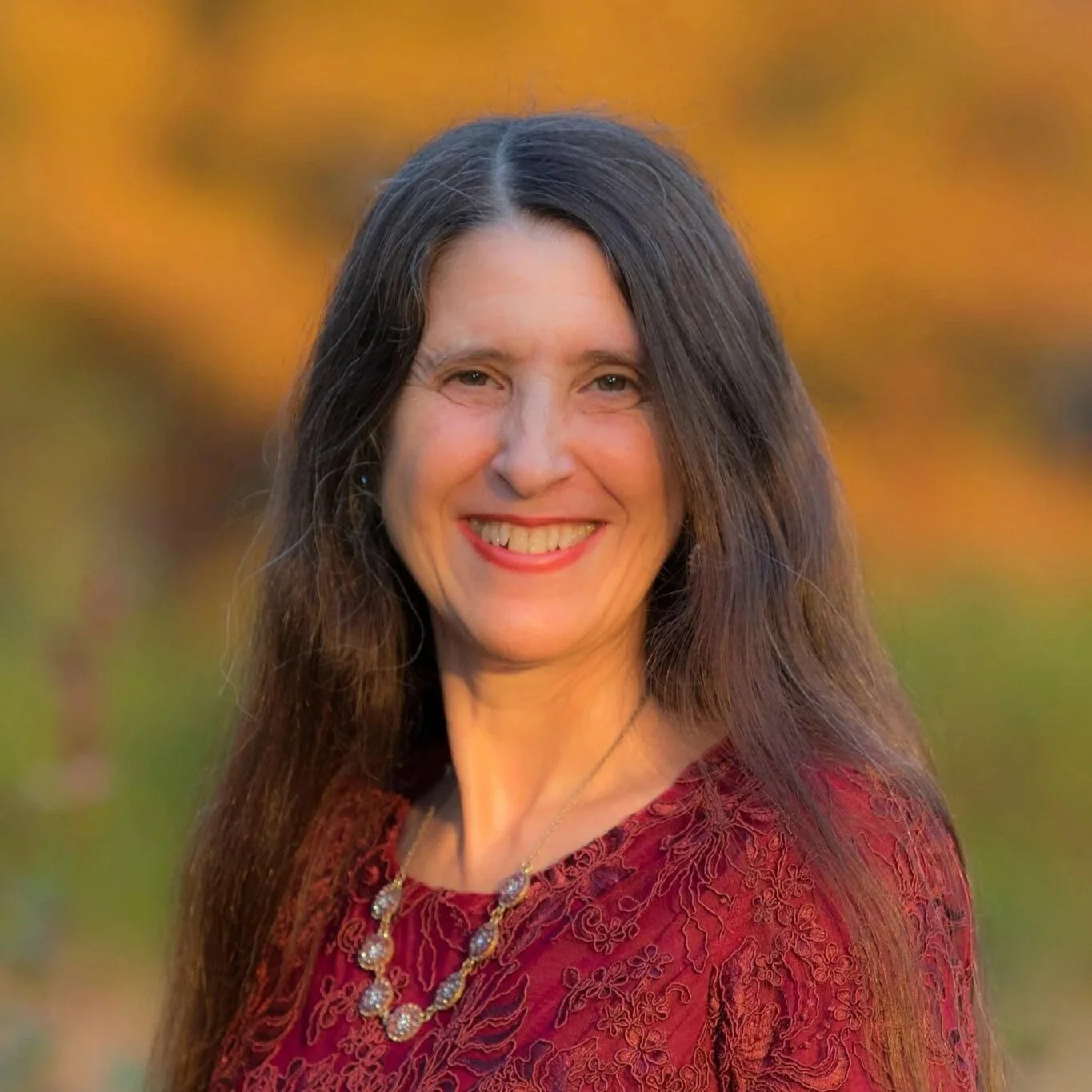
In this episode of The Energy Fix, Tansy sits down with Jessica Dibb, creator of Energy Hacks, to explore the deeper role of breath in emotional healing, energy movement, and overall well-being.
This isn’t just about breathing techniques.
Jessica shares how breath acts as a bridge between the body, mind, and energy system—helping regulate emotions, shift internal states, and bring clarity in the middle of chaos.
Together, they explore the connection between breath and inflammation, the difference between unconscious and conscious breathing, and why breath can be understood as both a biological necessity and a form of medicine.
This conversation invites you to stop trying to fix everything—and instead, start with something you already have access to: your breath.
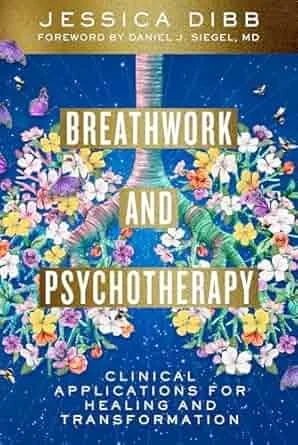
Purchase her new book!
Get 20% off at the link below
Listen & Watch
🎙
Listen & Watch 🎙
What We Cover
In this episode, we talk about:
Breath as a life force, not just a function
How breathwork supports emotional regulation
The connection between breath and inflammation
Breath as a tool for moving energy through the body
The difference between unconscious and conscious breathing
Why authentic breathing requires inner awareness
Breath as a relationship, not a technique
Using breath to return to yourself in chaotic moments
Integrating breathwork into everyday life
Key Takeaways
Breath is both physiological and energetic
Conscious breathing can shift emotional and mental states
Inflammation impacts energy, mood, and clarity
Breath helps move and release stored tension
Breathwork doesn’t need to be complicated to be effective
Awareness of breath is the first step toward change
Small moments of intentional breathing can create real shifts
Your breath can become a reliable anchor
Favorite Quotes & Sound Bites
A few moments you’ll want to remember:
“Breath is the life force.”
“Breathwork is a tool for regulation.”
“Breath is the most powerful nutrient.”
“Breath helps to move energy.”
“Conscious breathing affects the body differently.”
“Breath can be a relationship.”
“Breath is emotional nourishment.”
Chapters
05:35 – Returning to Love in Chaos
14:08 – Inflammation and Its Impact
15:48 – Breath as Medicine
40:05 – Conscious vs. Automatic Breathing
49:34 – Integrating Breathwork Daily
01:08:29 – Jessica’s Work and Teachings
01:13:33 – Closing Reflections
Why This Episode Matters
Because when life feels overwhelming, most people look for something outside themselves.
But one of the most powerful tools is already happening… all day, every day.
It can show up as:
feeling overwhelmed or emotionally flooded
holding tension in your body without realizing it
shallow breathing when stressed
brain fog or low energy
feeling disconnected from yourself
trying to “think your way” out of how you feel
And the tricky part?
Most people don’t realize their breath has changed.
This episode matters because it brings awareness back to something simple—but not insignificant.
Jessica reframes breath as more than oxygen.
It’s a way to move energy, regulate your system, and reconnect with yourself without forcing or overcomplicating the process.
You don’t need more information.
You need access to what’s already within you.
About Jessica Dibb
Jessica Dibb is the author of Breathwork and Psychotherapy: Clinical Applications for Healing and Transformation, the founding director of Inspiration Consciousness School, and the founding co-director of the Global Professional Breathwork Alliance. Jessica synthesizes Integrative Breathwork, depth psychology, consciousness studies, science, individualized spirituality, and somatic, emotional, and cognitive energy for supporting potential, presence, wisdom, and love—in relationship with all life and this breathing planet.
Links Mentioned In The Show
Inspiration Consciousness School & Community: https://www.inspirationcommunity.org/
Global Professional Breathwork Alliance: https://breathworkalliance.com/
Order the book! Breathwork and Psychotherapy: Clinical Applications for Healing and Transformation …Get 20% off using this link!
Jessica’s classes on Demand at The Shift Network: 12 Pillars of Breathwork
Jessica & Dr. Dan Siegel course on breathwork: Breathwork for Human Potential
Email Jessica directly: Essence@inspirationcommunity.org
Fusionary Formulas: Use code TANSY15 for 15% off your entire order!
Podcast review promo...Get 15% off a distance energy healing session or a piece of jewelry with a positive review of the show. Email photo of review (after submitted on podcast platform) to info@tansyrodgers.com
Support Beyond The Episode
If this conversation hit home, and you’re craving deeper support (not just ideas, but real integration):
Join the newsletter →
If this episode resonated, follow or subscribe to The Energy Fix for more conversations that blend practical tools with deeper understanding.
And if you notice yourself feeling overwhelmed this week, come back to this:
Start with your breath.
If there’s a topic you’d love explored on the podcast, you’re always welcome to reach out.
Transcript
-
Tansy Rodgers (00:13.73)
Welcome back to the Energy Hacks, a podcast dedicated to help you balance your energetic body by diving deep into the sweet world of all things health and spirituality. My name's Tansy and I'm an intuitive crystal Reiki energy healer, energetic nutrition and holistic health practitioner, and a crystal jewelry designer. It's time to talk all things energy. Let's dive in.
Welcome back to The Energy Fix. Thank you so much for being here again with us today. Today, we're going to be talking about something that you do all day long, and yet most of us have never been taught really how to use it. And that is the breath. It is the breath. It is the life force. It is who you are as a soul, that breath. And so today, we're going to look at this in a very real way.
Jessica Dibb (01:10.699)
Thank
Tansy Rodgers (01:11.2)
where breath becomes this tool for regulation, for clarity, for emotional processing, and really just coming back home to yourself when life feels so darn loud. And to be honest, I feel like it has felt so loud for so long these days. Breathwork, yes. My guest today is Jessica Dibb. She is the author of Breathwork and Psychotherapy.
clinical applications for healing and transformation. She is the founding director of Inspiration Consciousness School, and she's the co-director of the Global Professional Breathwork Alliance. Jessica bridges breathwork with deep psychology, somatics, science, and spirituality in a way that's both expansive but also grounded, which is what I love so much. Yes.
We're going to really talk about breathing as medicine and how it affects the nervous system and emotional healing and what authentic breathing actually means when you're trying to live like a whole human being. We're going to be diving deep into this conversation and just allowing Jessica to expand in her genius in this beautiful world of breath and breath work.
and how to really make it applicable to real life. All right, Jessica, let's dive in.
Jessica Dibb (02:50.326)
It's so wonderful to be with you, Tanzee. Just in the time that we've spent together, I am feeling your mission for the world and how it's supporting so many people. And I feel like I just want to follow your trajectory of your vocation and see what happens over the next few years, because I can tell that you have so many gifts to give. So it's an honor to be here.
Tansy Rodgers (03:17.126)
thank you so much. It is an honor to have you here. And I mean, honestly, and you know, if you're just listening to this podcast and you're not actually watching it over on YouTube that you're seeing the video, Jessica's energy is just so peaceful and she just feels like this beam of light. And so her saying that to me is such, it is such a compliment because right back at you, Jessica.
right back at you. Aww. Well, we're gonna get into this and I wanna know more about you as the human, the soul that you are. Is there a word or a phrase that you're really embodying in this season of your life?
Jessica Dibb (04:05.614)
Commitment to embodying love in every breath. is really my focus. just know, I've seen through myself, through other people, through animals, through plants, I've seen that when love is present, it is a force multiplier. It's a quantum game changer.
Things can happen when love is present that couldn't happen in any other way. I really believe that we're all born wired. I mean, it's clear we're born wired to breathe and we're born wired to love because babies will love their parents even when their parents are wounded or can't love them back or even abuse them, heaven forbid, but
or neglect them, those babies, we will all love our parents. We're just born wired to love and wired to breathe. And I think that our greatest potential is to love and be loved, but more than that, even to be loved in every moment, in every situation with any person, with whatever time is happening. And I think that is where our greatest flowering will happen. So that's really my focus right now.
Tansy Rodgers (05:35.404)
So I guess my follow-up question to that for you is, you know, and I ask this because I hear people talk about this a lot and you see it more and more. Living in a world right now that feels so chaotic and feels so crazy in many, in many ways, especially on the world stage, but even in our own lives as things are shifting and changing, how do you consistently bring yourself back?
to that embodiment of love, to be able to really stay connected into that.
Jessica Dibb (06:09.949)
Mm-hmm.
Well, that's a profound question. I think we could spend days talking about that. there's three things that are coming to my awareness right now. One is we are living in chaotic times. We're living in really frightening times for many people, for maybe most people.
And we do need to remember that there have been other frightening times. There have been other chaotic times. You know, there have been countries that have literally been infiltrated by war or famine. And although we went through this terribly tragic, I mean, just awfully horrible pandemic where we lost so many people.
You know, in 1918, there were 50 million people that died from that pandemic. you know, we're, and so what I would say is we know from all of those times when we read the stories of people that there are people that have been able to embody love and they have made a difference. I think one of the most, you know, just a story that lives with me so deeply.
is the story of a French baker who was in, I believe, Auschwitz, but he was in one of the concentration camps. he had already been known as a person. He lived in the mountains in France, and he was a baker, and he baked fresh bread. And everybody felt like that bread just had so much love in it. You know, that kind of cook, that kind of chef. So when he was in the concentration camp, he was so peaceful.
Jessica Dibb (08:04.31)
and just so sort of not reacting in a way to everything that was going on, that there were stories written about him later of how these bunkers, you couldn't move. Everybody had to move in the same time and same way because they were packed in. But somehow when he wanted to walk from one end of the bunker to the other, it was like the Red Sea parting.
It was just like they would open up and he would walk through. There were so many people that wrote about the solace that he gave them, the peace, and that these unusual things would happen because he had this, you know, like how could all these people part for him to walk through when they couldn't do it for anybody else? you know, there are so many stories through war and pestilence and violence and famine and
you know, trauma where you read about or you know about people that have embodied love and what it can do. And so I think that one thing we can do is let ourselves be inspired by people throughout history that have been able to embody love in difficult times. I think that a second thing that we can do is to learn as we're going to do today.
about the power of medicine, the potential of our own breathing, like our greatest medicine chest, our greatest treasure chest, lies right within our own chest. And I had a spiritual teacher once who said to me that all of the pain and suffering
forgiveness in both directions and whatever can be dissolved in just one moment of being fully present. Well, I don't know anything. And I've practiced not every practice that there is and not every holistic technique, but just I've been on a huge journey in my life and have great appreciation for a plethora of practices and modalities.
Jessica Dibb (10:32.256)
And I do not know anything that can bring us into the present moment as quickly as one conscious breath. So I think that that's the second thing that comes to mind of what we could do in these times to be able to embody love is just to get so friendly with our breath, to befriend it, to let it befriend us, that it's always there for us.
when we forget, when we're losing our capacity to be present, when we're reacting with fear instead of presence and wisdom, to have the practice of conscious breathing to just bring us into the present moment. And I know this is where we're going to go in this interview deeply, but that would be my second thing. And the third thing is, and you know, it may not apply to everybody,
but I bet it does apply to a lot of listeners, is that I think some of us have experienced profound grief loss. It might be the loss of a way of life that we thought we were gonna have. It may be a loss of a particular beloved person, a family member, a partner, a child, God forbid, or a parent.
or an animal, know, that I mean, so many people love their animals and they feel so shy about the fact that the grief about those animals, they often feel like they can't share when those animals pass away, but I completely get it. You know, those are souls too, and we have a deep heart-soul connection and the passing of those animals can be just as devastating or painful as the loss of a human. So I think that
that those of us that have experienced real grief, we are reminded, everybody knows at that moment, I hear everybody say it when this kind of grief happens, that every moment matters, and that there's nothing as important as loving, and there's nothing as important as living life.
Jessica Dibb (12:55.242)
out loud, know, living life with great aliveness. So I think I would also say to people, if you've ever experienced any significant loss of a job, a way of life, of a person, a, you know, your dwelling place or whatever, and you know what that pain feels like, it also can be, or if you have regret about the way that you treated somebody, and I know these things are very painful, but I think if we can
allow our hearts to feel them, it motivates us to stay present with love because we don't want to miss the preciousness of each moment. The preciousness of the sunlight coming through the window and the preciousness of me meeting you, Tansy, and feeling almost like you're a sister spirit or just somebody that does a simple act of kindness. We don't want to miss those moments.
And I think that can also help us center what really matters in this time of great upheaval and concern and worry and confusion and fear.
Tansy Rodgers (14:06.821)
A quick break.
Because inflammation is one of those root issues that can quietly mess with everything. Like your energy, your joints, your digestion, your recovery time, your mood, and even mental clarity. And here's the tricky part. A lot of people wait until they feel terrible to actually support inflammation. But inflammation is often a slow build. Things like stress and sleep and food choices, hormone imbalances, overtraining,
under recovering. Well, it all stacks up. That's why one of my consistent staples is Turmeric Gold by Fusionary Formulas. It's designed to support a healthy inflammatory response and I like it because it's practical. There's no complicated routine. It's just a really grounded steady support that you can actually keep up with and it is clean products. If your body has been feeling more achy,
stiff, foggy, or reactive than you want it to be, this is a solid option to consider as part of your foundation. And you can use my code, code TANZIE15 for 15 % off your entire order. Tumor Gold isn't the only thing they have. They have an array of incredible products that you can explore and try out.
I will link it down in the show notes so that you can easily jump right on over and use that code, code TANZ15 for 15 % off. Alright, let's get back into this episode.
Tansy Rodgers (15:48.232)
Mm-hmm. I love all of that. And you know, as you were talking, I couldn't help thinking about how, at first, I love that you tied love and the conscious breath and bringing all that together, but I couldn't help thinking about how it's almost like breath is kind of like your heartbeat. It's like that center area of where love really resides. I mean, that in-out motion.
your life force. Yeah, yeah. And so I feel like that was just such a beautiful explanation of even just being able to then bring in that breath work and have it as part of that, just powerful, powerful.
Jessica Dibb (16:35.04)
You know, I think of it as creation unfolding. mean, you we think about the Big Bang and how, you know, it exploded and became all these things. And there's different theories that, you know, could potentially replace the Big Bang. But there is one cosmologist that actually thinks that it wasn't the Big Bang, it was the Big Breath, and that it didn't actually move quite as quickly as some of the physicists think.
it actually sort of expanded a little bit more, a little slower anyway than what they've talked about, but that in any case, creation is still happening. It's still unfolding, it's still expanding. I went to this beautiful show at the Natural History Museum in New York City about the Milky Way and our cosmos and in the planetarium.
And it was just awesome that they were saying that the universe is actually expanding faster and in more dimensions than we even thought, than astrophysicists even thought. you can think of our breath as the living unfolding of creation itself. Like it's expanding and every time we are breathed, a concept that I wanna
talk about today rather than us taking a breath, that we're being breathed, every time we're being breathed, that's creation new. It's unfolding in the breath that is in our body. So it really literally is the life force and it is creation.
Tansy Rodgers (18:26.668)
Yeah, yeah, oof. When along your journey, did you realize that breath, breath work, is not just this automatic human experience that is actually this doorway into something deeper? I would love to hear about your story and what brought you to where you're at now.
Jessica Dibb (18:47.134)
thank you for that question, Tanzee. It's interesting. It happened when I was, you know, like my early 20s, and I had already been doing breathing practices through yoga. I had actually lived in an ashram for a few years and I had been very,
We were required to be very disciplined. We did a lot of breathing practices. So I knew that breathing could create state changes. I knew that it could energize you. I knew that it could help you go to sleep. I knew that it could help you heat up your body. I knew that it could help you with respiratory distress and respiratory illnesses.
I knew that it could help you focus. I knew that breathing was extremely potent in terms of making state changes. And concomitant with that, my whole life, literally my earliest memories of life, I remember being on a search for how to help people be able to live the love that I could see was inside of them.
I mean, because I remember this about my parents, that I could see there was just so much love. And they, of course, did love me and love each other, but there was like even, and they loved the world. My father was a great peace activist, but I could see that there was even more love and that there was fear that was blocking that love from coming out completely. So I remember searching my whole life.
for finding like a magic key. Like how do we unlock that fear? How do we dissolve that fear so that we unlock this love? And so I'd already been on this search and it had started when I was five. And I mean, it had started much earlier than that, but I remember the first time that I really thought, this might be it. Well, actually was even younger than five. I thought at first.
Jessica Dibb (20:58.712)
Well, if I'm kind to everybody, that was my first thought. And then kindness spreads, you know? And that's true, but kindness also, when a person is wounded, when they have fear, kindness can also bring up all of the pain and the fear and the hatred and the anger that they're carrying. sometimes kind people, I think that you know this.
can often become the targets of people who have pain in them because they're so easy to sort of overpower or, you know, take advantage of. So kindness is definitely a piece of it, but I could see that there was something more. And so then when I'm five, my mother takes me to see the Royal Danish Ballet and it's a starlit night. It's an outdoor performance. It's the summer, it's beautiful.
And I had never seen anything so beautiful in my whole life as this ballet. And I thought, well, that's it, beauty. We just need to bring more beauty to the world. And ballet is like, and so I became on fire for that. And I remember, I started to do dancing. I was trained as a ballerina. I moved to New York. My parents support when I was 12 to study very intensely. And I loved it with all of my heart.
And by the time I was 15 though, I was so aware of the pockets of suffering in the world that wouldn't be touched by ballet in an immediate way anyway. I was living in New York and I had seen poverty, I had seen violence, there were wars happening on our planet and I was...
I was just realizing this wasn't a universal medicine. It wasn't going get to everybody. And so I started searching more and then I went, that was when I found yoga. And then I realized that, okay, there are these state changes that can happen through breathing and meditation. And so what if I was a doctor? You what if I was a physician with those credentials and I could, instead of, you know,
Jessica Dibb (23:21.112)
prescribing medicine all the time, medicines, I could use the breathing techniques as well. But somewhere in there, I was really, really, I was really concerned because I had had a child now and he was a little boy, he was just a few months, you one year old, kind of, I was getting ready to go to medical school. And I was really struggling inside because I thought this,
there's only going to be this one time period with this little boy. How would I ever do these long hours? And yet I loved medicine. I had worked in hospitals and I still love medicine. But I went through a kind of an awakening. know, it just in the middle of the night, I sort of woke up and I knew I was sort of an inner guidance that was telling me you're not going to go to medical school. There's something else for you.
And I walked around in a kind of, know, to be honest with you, what some people would call an altered state of consciousness, but it was just a very refined awareness that there was something deep inside of me that I didn't have access to yet, but it was trying to come out and show me what I was going to do. And three days into that, my, this man who was the head of a holistic healing clinic, he was a psychologist.
And I had been working with him and I had found him just a few days before. And I went to see him and he said, you're going to do, I'm going to take you through a process called breathing therapy. That's what he called it. And this is the kind of breath work that I call human potential breath work. It's the kind that
that accesses the deepest parts of our being. It's the kind that you can have expanded states of consciousness. It's the kind that moves underneath our defenses to our original nature, to our authentic self. And in one session of that breath work, Tansy, I know it sounds fantastical, but it really happened. It was like everything that I had ever known.
Jessica Dibb (25:44.568)
was possible for a human being. Every pathway that I had ever taken came together and I knew that breath, breathing, is the universal medicine. It transcends religion and gender and language and education and race and everybody is breathing and everybody has access to this.
This is the medicine that it's democratic, can be free ultimately, and this is the medicine that can help us feel our original winery to breathe and to love. And so that's how it happened. And after that, and I was, he said to me after a few sessions, I've been looking for someone to train for two years up to.
learn how to do this and I think it might be you, what do you think? And because I'd had this experience about should I go to medical school? I just felt this yes. And I just felt like everything had been leading me to not only do this breath work for myself and my own healing, and I had some amazing experiences happen that were extremely healing about my childhood, about my body, about my spirit, about all of it.
And I just felt like, this is the vocation. This is the magic key that I'm looking for.
Tansy Rodgers (27:16.876)
Well, mean, breath is so powerful. It is literally the foundation of who we are at birth. Yes, there's the heartbeat, but you do not live as a human being until you take that first breath.
Jessica Dibb (27:30.956)
That is the culmination of birth is the breath.
Tansy Rodgers (27:34.998)
Yes. so what a beautiful story. You've mentioned, and you touched on it here, you've mentioned that conscious breathing is the most powerful nutrient and medicine. You talked about it being a medicine here. When you say nutrient, Jessica, what do you mean exactly? What is breath feeding us? And why is it so powerful?
Jessica Dibb (28:01.93)
Yeah. Well, of course, we all know that when we inhale, we're taking in oxygen and nitrogen and a few other, you know, trace elements that come in through the air. And we are literally nourishing our cellular functions. You know, everything, the...
the mitochondria that everybody talks about nowadays for health and longevity, it's like the electron transport cycle happens through breathing. It generates the energy that feeds the mitochondria that animates all of our processes in our bodies. So it literally is the most important physical nutrient. And I know this is a little bit
far out to say, but there are people, it's a growing movement actually. We do understand now about intermittent fasting and autophagy, which is the state that the body can go into when it is repairing its cells. And so now there's like scientists studying this, there's clinics around the world that are doing water fasting.
Even Johns Hopkins, which is one of the most revered medical institutions in the world, I think it's number one or two or three every year by US News World and Report. And they're so conservative by nature in my experience. However, they have a current study going of seven day water fast for people with prostate cancer. So they must know that something's happening there.
And there are people that even do what's called dry fasting. I like to call it air feasting instead of dry. Yes, yes. Exactly. I like to call it air feasting, you know, and I've done some of that where for, you know, 12 hours, 24 hours, you know, 72 hours, some people do it much longer. You're actually not even taking in water.
Tansy Rodgers (29:59.948)
Brecetarians, Brecetarians.
Jessica Dibb (30:21.41)
you're literally living through the breath, through the breath cycle that you have. And people report, of course you have to do it safely, I just wanna say that, and you have to have some education and some, maybe you even have coaches who know how to do this or physicians who have done this kind of thing. So I wanna say you need to be careful. However, people report tremendous transformation.
not just in losing weight, but in physical ailments that they have, they enter these states of autophagy and their body is able to heal things that seemed intractable sometimes. I've certainly had that experience fasting. Just to give you one example, I had a kind of a knot in between two ribs.
that was painful almost all the time, and I must have spent thousands of dollars over three or four years doing acupuncture and rolfing and deep tissue massage and saunas and everything that I could think of to get that knot to uncurl, but it would never completely, it might let go for a little bit, like an hour or two, but then it would come back again.
And when I was on a fast, it was during the dry fasting or the air feasting where it suddenly dissolved and it has never come back. That was decades ago. Now I've had other things happen. So I guess when you talk about nutrient, I want to say that literally at a physiological level, our breathing is the most powerful medicine that we have.
Now it doesn't mean that we shouldn't also use other medicines like water, like food, like herbs, like other kinds of healing modalities. And even like allopathy, conventional medicine, allopathy, has saved lives. If you're in a car accident and your artery's bleeding and there's nothing that's going to save you like...
Jessica Dibb (32:39.246)
getting a surgeon in there and getting IVs into your body and all of that. So they're all important. And I think our breathing is our most central and enduring and powerful medicine. So it really is a nutrient on a physical level. It's also a nutrient on an emotional level. We are designed to mirror each other. You know, we have these mirror neurons.
And when we're held by our mother, it's been recorded, it's been observed that our heart patterns and our breathing patterns will start to mirror or complement each other. And I don't think that when we're an infant, there is any more powerful sound than the sound of our mother's breath, particularly when our mother's breathing is relaxed and
She is embodied and she is present with us. I think hearing the sound of her breath outside of the womb and then hearing her heartbeat too, but I think the breath is even more powerful, is the most regulating sound we can have. And then I think as we individuate, the sound of our own breathing becomes the most powerful sound in the world for us, the most regulating sound.
So it's very nurturing, this nutrients that come through breathing emotionally in ourselves and in relationship. And I think that when we can learn that we can breathe deeply in the presence of sadness, anger, fear, and I mean, let's say anger coming from another person.
that we can breathe in the presence of any human emotion and feel our capacity to be awake, to be wise, to respond to what's happening, rather than to react and shut down and be in fear and not know how to respond in a creative way. That is an incredible nutrient. And then there's the cognitive level. I mean, the studies have shown.
Jessica Dibb (35:03.17)
people who are breathing. One study actually did show that when people did a little bit faster breathing for a few minutes, their cognitive abilities, like they focused, their cognitive abilities just became more powerful. And certainly there are many breathing practices that can help us focus and feel more, we have more global neural coherence.
We have more of the brain because the respiratory circuits are wired throughout the entire brain. So when we're breathing consciously, we're activating all of those circuits in a coherent way so that they can work together, so that we can have emotional intelligence, somatic intelligence, and cognitive intelligence all working together. And then lastly, in terms of a nutrient, I mean the spiritual part. There's a part in the book where I have about
four pages, I think. did a lot of re- I would have liked to write even more, but you know, had to keep the book to a certain number of words. But I think I talk about 20 different lineages or traditions, spiritual traditions, that I could find in every single one of them that they spoke about breath, about breathing, as being the conduit to the divine.
I mean, I have in the book about Christianity, Buddhism, Judaism, Islam, Celtic and indigenous and Baha'i and Sufi and all of these different things. And they all recognize at the core that breathing is the connection to the divine, that we are gifted in a sense by the divine.
that we are maintained through our breath by the divine, and that our breath is the divine's breath. As I said, it's like creation unfolding. So the spiritual nutrient of that and the number of spiritual practices that invoke the power of breathing are legion. And yeah, so that's another way that it's a nutrient.
Tansy Rodgers (37:23.854)
Yeah. And you know, even coming back to the immediate help that breath and breath work does for you, I couldn't help thinking too about how, you know, even on a very basic energetic level, it helps to move energy. It helps to free up that energetic congestion and helps to move it through and out of the body because, you know, as we talk about here in the energy fix all the time, energy is really so much.
the foundation for so many health conditions. And so when we can use what we naturally have to not only calm us and to connect us and to emotionally regulate, but also to move energy through and detox, that's powerful. You're really hitting so many of the check boxes.
Jessica Dibb (38:14.894)
That's so important what you just said, Tanzee. I mean, that energetic congestion and the fact that breathing just immediately starts to move it. I mean, as soon as you consciously breathe, even if you don't deepen your breath, but you just bring the neocortex into awareness that you're breathing, you're already changing your state. mean, breath awareness is 50 % of the thing. Then the other 50 % is...
has to do with self-regulating and different practices that you can do, and we can get into all of that, but really that even just with breath awareness, let alone deepening the breath, you are moving energy. You're changing the way that your breathing is able to be received, the way your cells are able to receive this energy. And there have been some studies that have sort of inferred that
Most of what ails us physically and a lot of what ails us psychologically is lack of oxygenation of tissue. It's just that, like, wow, that's a game changer to realize that. So then if you really take that in, oxygenating our tissues, oxygenating ourselves would be the single most important thing we could do for our health.
The famed Framingham study that went on over, I think it's still going on, but it's been decades where they followed people's health, really indicates that respiratory wellness is likely the primary indicator of how long somebody's gonna live.
Tansy Rodgers (40:01.08)
Wow, wow, that's interesting.
Jessica, what is the difference between breathing and conscious breathing? And how does it affect the body? Well, we talked about how it affects the body and the nervous system, but that difference is what I'm really curious about. And I'm sure a lot of the listeners are curious about too.
Jessica Dibb (40:23.744)
Yeah. So when we're breathing automatically, when we're just breathing, the breathing is stimulated. Well, it's always stimulated from this place, but the place it's stimulated from is the brain stem and a little thing called the pre-Batzinger complex, which is the rhythm generator. And I was very honored that the person that discovered the pre-Batzinger complex
in the brainstem, Professor Jack Feldman at UCLA actually consulted on the book with me and knew what numerous conversations. was very grateful and really loved the book and helped to shape to make sure that the science was really accurate. So anyway, we breathe automatically from the brainstem and the rest of our brain, the, you know,
neurons that fire together, wire together. And so if we're not appreciating our breath, if we're not having an emotional gratitude for our breath, if we're not feeling the value of our breath, these are all kind of emotional experiences, then the limbic brain isn't going to be conjoined with the act of breathing. It's not going to be activated.
And if we're not aware that we're breathing, the neocortex isn't going to be part of it either. So we're going to have this kind of respiratory loop where there's a lot of nerve activation going on between our spine and peripheral nerves that are creating blood pressure changes that might have to do with our breathing and things like that. But we're not going to get this kind of neural activation in the brain.
do conscious breathing. We're doing conscious breathing because we are valuing the breathing in some way, or we're wanting something from breathing in some way, or we're yearning, or we're appreciating, or something like that. So then you get your limbic system going, and then you've got your neocortex going because you're aware. So now you've got
Jessica Dibb (42:47.308)
what I talked about earlier, this global neural coherence. The brain is more activated. It's activated throughout. Everything is coherent. It's like happening around the same activity. And that's a game changer. That really brings you into presence. And it frees up patterns of defensiveness, patterns of energetic congestion.
And it allows us to have greater access to all of our resources emotionally, cognitively, and spiritually. And physically.
Tansy Rodgers (43:27.606)
Hmm, yeah. Well, and I'm curious too, when we talk about this conscious breathing versus regular breathing, let's just dive a little bit deeper below the surface here. I'm curious what you see often happens when somebody is breathing and stressed, for example, how their body responds, what happens physiologically, what happens mentally and emotionally versus somebody who's stepping into conscious breathing and doing
breath work to shift and change that stress level? What do you see happen differently in the physiological response?
Jessica Dibb (44:05.742)
Well, first of all, the autonomic nervous system, the sympathetic and parasympathetic start to balance. Now, for many people, the first step that would have to happen is that they would have to up-regulate their parasympathetic because most people are stressed. mean, many people are stressed out and they've got sympathetic
nervous system dominance, which is wonderful for certain things that we have to do, because sympathetic is about go and do and make things happen and all of that. Parasympathetic is often thought of as rest and digest, but it's much, much more than that. It's really about going with the flow. the first thing that will happen is that parasympathetic will be upregulated.
and sympathetic will be downregulated. It takes literally one breath to begin that process. Like you get just one conscious breath with a kind of sighing on the exhale or just an awareness of breathing out and letting go will start that process. And then the longer you do it, the parasympathetic will be amplified.
and then eventually the sympathetic and parasympathetic will be in balance. So that's one of the most powerful things that I notice. That will change a person's heart rate variability. So that we want the optimal heart rate variability to be where a person can respond to a question when they're asked. And if the questions stop and they complete, the person can flow to the next activity.
without feeling like, did I do something wrong? It's like we can be active when we need to, we can rest when we need to, and there's a flow between the two. And if there was an emergency, we can respond to it right away without too much fright. And then when it's over, we can down-regulate. So the heart rate variability will begin to change for a lot of reasons, including that the autonomic nervous system is now more balanced.
Jessica Dibb (46:28.0)
You can also just see literally in people's faces the relaxation. You feel like you're seeing them without a mask on. You you feel like you're seeing them, I want to even say in their original nature, like how they might have been when they were born, you know, as a baby, when they relaxed and just were there. It's just so beautiful.
to see that the effort to promote oneself, the effort to be a certain way so that people will think of you a certain way, the effort to protect if one has been hurt, has trauma in their past and abuse, the hardness that people might have in their face to achieve or to not have someone overpower them.
all of these things just start to melt away. you really, I mean, honestly, I would say that people in a way, they just start glowing, you know, and they look a little differently than they might. I've actually seen, again, I know this might sound far out, but when people do deep breath work for a number of minutes, maybe even 45 minutes to an hour, I think that their wrinkles can disappear on their face.
at least temporarily, if not permanently. It's just, there's just these, you know, I think that's why I was talking about air feasting before, or dry fasting and autotopathy, because that can repair those kinds of things. And I think when you're doing a breath work session, you're cycling so much electrons and, you know, oxygen and nitrogen through the body, and you're burning up calories.
as if you were exercising a lot, and I think the body begins to repair itself. So I've seen that kind of thing happen. Yeah, many things like this.
Tansy Rodgers (48:36.002)
Yeah, well, and it also helps to balance out to regulate hormones as well. so that will play a huge factor in that outer appearance. Yeah.
Jessica Dibb (48:47.374)
Absolutely, you're so right, Tansy. I you I have seen some extraordinary things. I've seen people who have asthma, for instance, it just stops, you know, the asthma attack stops. I want to say that, of course, we're not encouraging people to just drop their medicines or whatever right away, but I'm saying that when you're doing this deeper breath work,
You can get results like that. I've seen people who had heart conditions and were having trouble like gasping for breath. They did breath work regularly and the quality of their life improved significantly. Yeah, I've seen a lot of different changes happen.
Tansy Rodgers (49:34.464)
If you're listening to this podcast episode, there is a really good chance that you're the person who holds a lot. And sometimes the issue isn't that you need more information. Sometimes you need your system to feel safe enough to actually integrate what you already know. That's what my SoulStream and Enlighten Sessions are for. They're intuitive, energy-based sessions designed to help you recalibrate
emotionally, energetically, physically, and in your nervous system so you can move through life with more clarity and less internal noise. People book these when they're feeling stuck, overloaded, anxious, emotionally heavy, or like their energy isn't fully theirs anymore. And we work with that. We work with what's present, clear what's been lingering, and help you come back to center in a way that feels grounded and real.
If you want to book a session or you want to simply know more, you can head on over to tansyrodgers.com or jump down into the show notes and click the link that will take you directly to those services. And if you're not sure which session is the right fit, send me a message. I'll help you choose. I'll help to guide you in the right direction. All right, let's jump back into this episode. Yeah.
Is this go in line with what you just talked about? Is this go in line with what you phrase authentic breathing?
Jessica Dibb (51:08.494)
I really appreciate, the way, Tansey, that clearly you've read the book, or at least most of it, because you're able to bring up all these different concepts. And authentic breathing is one of the chapters, you know, so later in the book that's about the expanded self. I think it is the beginning of it. I think that authentic breathing happens
when we've done enough inner work, and that means inner exploration, inner contemplation, inner psychological work, depth psychology, that kind. We've done enough of that in tandem with breath work, in tandem with conscious breathing, so that we're not just getting like a conceptual orientation shift.
we're getting a physiological shift, right? I think when you have done enough of that and you get to the point where you are no longer rejecting any part of yourself, you're not rejecting, let's say, your nose, because you don't like the way it looks, or your thighs, because you think they're too something, or your belly, you're not rejecting
any of your emotions. You're not rejecting the fact that sometimes you feel angry about what's happening in this world or you feel angry towards somebody for a moment. You're not rejecting the fact that you are different than other people, that maybe at one time you envied that somebody's more rich than you are, they're more healthy than you are, they're more smart than you are, know, whatever it may be.
You're not rejecting how you actually are, like what your truth is, how you are made. I think when you're not rejecting, yeah, your body size, your hair, your level of intelligence, cognitive intelligence, any emotion that you have, any desires that you have, but instead what you're doing
Jessica Dibb (53:29.588)
is that you're welcoming them all in and you're breathing with them and you're not judging yourself for them. And you're, it's kind of like what the great poet Rumi said, you know, this being human is a guest house. Every moment a new feeling comes. And then he says a meanness, a jealousy, a joy, you know, he says, welcome them all in because they may be cleaning you out for something new.
Rejection, self-rejection is the core ailment for all of us. It is the ultimate abandonment. When we reject any part of ourselves, we abandon ourselves, and abandonment is the core wound of humanity. And so I think that authentic breathing happens
You know, we're on a journey towards authentic breathing the whole time and our breath gets more and more authentic. If you were to kind of talk about an ultimate, you know, authentic breath, it would be happening when you're cultivating a state where you're able to not reject any part of yourself. And then your breathing can actually reflect what is truly needed by you in that moment, physically, emotionally, cognitively, and spiritually.
Like how deep it is, whether it's through the nose or through the mouth. What the rate of breathing is per minute. Whether the inhale is a little bit more prolonged than the exhale or the exhale's a little bit more prolonged than the inhale. I mean, all of these things, there will be an organic unfolding of the breathing that will reflect your wholeness.
because you're no longer rejecting yourself. That's what authentic breathing is.
Tansy Rodgers (55:24.826)
Mm, yeah. And so, authentic breathing, I know what I'm gonna ask you could also potentially be some health issues, of course, but I'm curious about this connection with authentic breathing. you said that authentic breathing really demands almost you to do some of that inner work, to go in, to let go, to take it onto a deeper level, but
I'm curious, could that also be, if somebody still has a lot of inner work to do, could that be why someone might have a panic response when doing some of the deep breath work or really stepping into and allowing themselves to have that meditation incorporating breath work, but then they have this like panic almost coming up when they step into that?
Jessica Dibb (56:20.806)
Very, very astute, Interesting. Very astute. That is exactly what can happen. know, some of the early breath workers, mean, breath work's been around since time immemorial, but it was kind of rediscovered in a modern way in the 70s, 60s. And some of those early breath workers used to say, have a phrase, they'd say, love brings up anything unlike itself.
And so that is what happens, especially when you do the kind of deeper breath work that I'm calling human potential breath work, is that what is not met in you, has not been met inside of you, what has been rejected inside of you, what has not had its needs taken care of inside of you, will come up in this field of breathing, which is.
the physiological part of it, it's the field of love at another level. And so the parts of you that have not grieved, the parts of you that are angry, the parts of you that are fearful, the parts of you that are afraid of the deeper parts of yourself because you've been trying so hard to be something for somebody else or for the world or for what you think you should be.
All of those things, especially in the initial stages of doing breath work, can and usually will come up. So it's, you know, this is why people often say with that kind of breath work that it's like one session is like three or six months of therapy because you don't have to like tug your way down and like trying to get through all the defenses. You're held by a field of presence and love.
and these things that you've been afraid maybe to look at will come up and it might come up as panic. It might come up as like, I don't know if I wanna look at this. This is why I think it's so important. I really stress this. I'm sure you saw it in the book that when you're first starting breath work, I think some of the simpler breathing practices, no problem, you can do them on your own, but it's really like an act of self-love.
Jessica Dibb (58:41.238)
It's an act of really valuing yourself to find a breath worker who has been trained well, who is committed to ethical standards like should be in every profession, who can be there with you, not simply to guide you. mean, that's beautiful, but also because you deserve to be attuned to by another person, to be mirrored by another person.
in whatever comes up for you, the panic, the fear, the anger, the sadness and the grief. And then, of course, there's these other buried things that come up like joy and love and beauty and feeling confident. Like those things come up too. And to have somebody who has the experience to mirror you to
welcome those things, to not abandon you, and also has skills if you have questions about the process. I mean, that's a beautiful thing. So I would encourage everybody who wants to work at this deeper level of inner work with breath work to find a qualified, certified breath worker, preferably one that's been certified by the Global Professional Breath Work Alliance, yeah.
Tansy Rodgers (01:00:05.396)
You just answered my question, because that was going to be one of the things I was curious about. If somebody was interested in doing this inner work, where do they start? yeah, yeah. And that makes sense. That makes sense. But OK, so let's actually just step back a moment and make it really practical. If somebody has a busy brain, they have ADHD-ish energy, they're running on fumes, what is a simple breath practice or practices that you recommend that you really feel like helps
somebody to just step forward with more confidence.
Jessica Dibb (01:00:39.15)
Beautiful. So, you know, for anybody who has access to or decides to get the book, I'll just give you a preview. Chapter seven is like the chapter to go to, because chapter seven has, it's like a little toolkit of daily practices that you can do that both address the immediate things of like anxiety, dysregulation,
lack of focus like you were just talking about. So it has that very easy stuff that is just about cortisol reduction and feeling more life force. And it also has practices that begin to do the deeper inner work, but you can do those practices on your own. So I just wanted to say that, chapter seven. And in that chapter, there's a few practices that I would recommend. One is
what is called matrika pronnium from the East. Matrika means mother of mothers. And it is reflective of another technique that people might know about, which I also explicate in the book called coherent breathing, sometimes called resonant breathing. And that breathing has science connected to it. And what they did was they found the average rate that
a human being would need to breathe in order to produce optimal physiological regulation. And that happens to be somewhere between five and six breaths per minute, which is slower than where most of us usually breathe. And so you can find on the internet and other places like apps that will have a bell, like Bell Breathe In, Bell Breathe Out.
or ocean waves breathe in, ocean waves breathe out. And so that is very helpful. And I think even more powerful, like a next iteration of that, is what's called matra capradhiyam, which basically is using the same understanding that the body does appreciate regularity. And so it loves the idea of an inhale and an exhale that are the same.
Jessica Dibb (01:03:04.654)
rate the same amount of time. Matri Copranium, however, allows you to find your own rate. So you're not just breathing on the bell curve of the average of five to six breaths per minute, but you might find that yours is 4.8. You're not going to be counting it that way, or 7.1, or whatever. It's a breathing where you spend time being with your own breathing with awareness.
At some point, you begin to count the exhale or you begin to count the inhale. And then you see if you can allow the reverse, the exhale or the inhale, to be at the same amount of time. And there's going to be like an experiment here because you might find that your exhale is more healthy than your inhale or vice versa. And so you might need to play with it for a while. Which one do I use?
as the measuring tool, you know. But I think ultimately there's a lot of detailed instructions in the book and I think that ultimately finding your own rate and doing matriculpronium, which is a slow, deep breathing at the rate that your body wants through the nose usually, although obviously there might be some people that have to breathe through their mouth, but if you can breathe through your nose for this one, it's most beneficial.
is one of the techniques that is going to be the most helpful for ADHD, for just lack of focus, for anxiety. And then there's another technique that has been studied at Stanford where they were trying to compare three different breathing techniques to see which one in this age of anxiety would be the most conducive and effective
for reducing anxiety, so they compared box breathing, which is a very famous breathing that Navy SEALs use, and it's very effective, where you breathe in a certain number of counts, hold the same number of counts. So let's say you breathe into four, hold four, breathe out four, and hold four. And it's very effective. So they were comparing that breathing with another breathing called cyclical hyperventilation.
Jessica Dibb (01:05:33.39)
which has been made famous by a man named Wim Hof, but many, schools do it, which is basically that you breathe more quickly for let's say 10, 20, 30 breaths, and then you hold it for a moment, and then you breathe out slowly, and you let yourself kind of regulate, and then you do it again. Like 10, 20, 30, a little faster breaths than holding.
So they were comparing those two types of with the third type of breathing. And they were surprised to find out that it was this third type of breathing that worked most effectively for reducing anxiety. And that is where you breathe, you breathe in through your nose. And then before you breathe out, so a little deeper, a little more consciously, you breathe in through your nose. And then before you breathe out,
taking a second little sip of air through your nose. So you're breathing in and then another little sip in. So it's as if there's two segments of the breath. One that's going to be a little longer than the first one's going to be a little longer than the second one. And then you sigh out through your mouth slowly. So you, it's kind of like a deep prolonged sigh. So if you do that for five minutes,
breathe in, in the two segments, and then exhale through the open mouth as a sigh, they found that that has a better percentage of increasing reduction of anxiety after just five minutes than most other two breathing techniques do. And then they found that, so that's what we would call a state change. We created a state change.
They found that if you do it for 28 or 30 days every day for five minutes, you get a better trait change, meaning that there's a more permanent reduction of anxiety that is better than the box breathing or the cyclical hyperventilation. Now, one thing else that they found that was interesting is that not only did it reduce anxiety, but to their surprise, it elevated mood as well.
Jessica Dibb (01:07:57.858)
So it also had a slight effect on depression or a slight effect on just boredom or ennui or whatever you might call it. So those are two techniques that I would most recommend just for breaking through the noise, breaking through the anxiety, breaking through the distractibility. And of course, any breath awareness technique is going to help. But those would be two that you can do on your own that would be really helpful.
Tansy Rodgers (01:08:29.765)
Mm, yeah. And so for anybody who isn't sure, the book is called Breathwork and Psychotherapy, Clinical Applications for Healing and Transformation. And as always, that will be linked down in the show notes. So make sure you jump on down there so that you can order your copy and get your hands on all of these incredible techniques. And so Jessica, I'm curious with your book, I would love for you just to talk a little bit more about it and what
made you want to write this book? What brought you to creating this and putting it out into the world?
Jessica Dibb (01:09:13.109)
Tansy, I'm so sorry because you may have to... I lost connection for a minute, but it's back.
Tansy Rodgers (01:09:19.914)
Yeah, that's okay. Yeah, I was just making, I was just about to make a note to edit it out. Yeah, not a problem, not a problem. Did you hear my question?
Jessica Dibb (01:09:28.875)
Your question was, what made me want to write the book, right? Yes, yeah. OK, yeah. Well, it's so interesting, Tansi. I love that you're asking me that question. And it reminds me that I should, you know, how podcasters often say, is there any questions you particularly want me to ask? And now that you've asked that, I'm going to start including that, that I want them to ask me that one. Because
It is interesting, the book, even though it's called Breathwork and Psychotherapy, there was a kind of an initial impulse for it to be written for clinicians. And it is, does, it is written for clinicians, but it also is written for everybody. It's literally written for clinicians, breath workers, and all breathers, which is all eight billion plus of us. So it's just that it has the orientation
of the inner work. It has the orientation of what can we do not just for breath work as palliative medicine or complementary medicine, but breath work as curative, breath work as a mainstay that is really creating state and trait changes and helping us get in touch with our deepest potential and who we could flower into be as human beings.
And it's interesting because it wasn't my idea initially. It felt like a kind of a calling card from the universe. The publisher approached me and asked me if I would be willing to write this book for therapists initially. It did get morphed and transformed. And I thought, you know, that isn't the book I would write. The book I would write would be about breathwork and potential and love.
But I really felt like it was a calling card from the universe, a calling card from another, know, some people, the divine is the way I would think of it, but because in the end, what it allowed me to do was to write a book about potential, breathing and potential and love, and write it in a way that was scientifically grounded, that was therapeutically backed.
Jessica Dibb (01:11:48.332)
And that would, in a way, help to transform the whole psychotherapy field. That's what I'm really hoping for. And I was very honored that Dr. Daniel Siegel, eminent, renowned psychiatrist, wanted to write the foreword for the book because he was understanding what a powerful thing this was. I also want to acknowledge my editor at Norton, who's the primary editor for their
professional series, she became my editor, which I felt very honored for. And she did see the larger vision. She allowed me to write a book about potential and love as long as it was also therapeutically and evidence-based backed. And so it really became, you know, this work that I never would have dreamed of that really, I hope, is going to be of service to everybody.
because you can come into it as a scientist and it will totally make sense to you. You can come into it as a therapist. You can come into it as a breath worker. You can come into it as a person who has anxiety and just wants to feel better. You can come into it as a person who has trauma and you can find all of things in there about how to work with it. And you can come into it as a person who wants to grow and be their best self.
heal and transform and awaken and give their full potential to the planet. And so, you know, that's what happened. It just became this beautiful invitation that could potentially do all of those things.
Tansy Rodgers (01:13:33.964)
I love that. this has been a beautiful conversation and really, it really inspires me to want to get deeper into doing more breath work again. mean, I dabble in it and I do it here and there, but not as a actual practice that is consistent. And so I'm just so inspired by you. I'm so inspired. my.
Jessica Dibb (01:13:57.918)
I just say, Tansi, that the thing that I say to everybody is if you would commit to just doing seven minutes of breathing, conscious breathing a day, literally just seven minutes, you will be shocked at how the quality of your life feels different just after a week. And then if you keep doing it, that's going to deepen and you'll go through times where
you're having something happen in your life, a very stressful situation, a loss, a rejection of some kind, and you might not feel it quite as joyously powerful as you did. And if you just commit to keep doing that seven minutes a day, you'll find
It's like a runner learning how to run through the winter and through the summer. They always say if a runner can learn to run through the winter and the summer, they get much stronger. You'll find that when you come out on the other end of that, you are in a whole different place than many people would be because you've learned to stay present to what really matters in the face of these other events. So just seven minutes a day.
can make a difference. Although in the chapter seven, if you do all of those practices that I recommend, it gives you a 45 minute daily practice that you can do.
Tansy Rodgers (01:15:31.788)
I love it. Well, before we get into where people can buy your book and where people can get into your world, let's just do a few rapid fire questions just to round this out. Cause I love letting the listeners and myself know more about you specifically with this kind of a topic. And so are you ready? There's some fun rapid fires. right. All right. Okay. So question number one.
Jessica Dibb (01:15:53.718)
I'm first.
Tansy Rodgers (01:16:00.34)
What's a smell or a sound or a place that instantly changes your breath for you?
Jessica Dibb (01:16:07.532)
Mmm. honeysuckle is a smell that changes my breath. just, it, to me it is the elix, it's elixir, you know, it's just elixir. And it's a, a beautiful emanation of spring and new growth. And I, it just really does that for me. I would say, place is interesting. I mean, certainly I, I have a deep.
deep, deep love and appreciation for what is generally called high desert. And it's where desert meets mountains, right in that meeting point. And there are very many kind of power vortexes and important historical events that have happened in places like that. One of my favorite places where that is in the United States is Crestone, Colorado.
where the great sand dunes national monument meets those Sandopristi mountains and it's just so beautiful. But any sand dunes, any desert tends to do that for me. And I think that part of that is, I don't know, I just have an affinity with when you read the stories of Jesus and Moses.
and Buddha, it's like they all kind of went to the desert to do some deep inner work. It's so, like everything is just so spacious and open and you're just really with yourself. So that's another place where I will feel that. And the other place that I would say is, and it can be a sound or a sight, are just beautiful animals. know, wildlife, dogs, cats that I've had,
I breathe with snakes. I once came into my kitchen, and actually it's right next to where I am right now, and I saw a six-foot black snake. They're not venomous, but on the floor, because I had left the back door open, and I guess it had slithered into the pool slate floor. And it looked at me, and I looked at it, and I didn't know this at the time.
Jessica Dibb (01:18:28.334)
But a black snake and many snakes, their breathing rate is like 20 breaths per minute or 18, which is very similar to, that's kind of normal for a human being too. And I can just tell you it is one of the most special and sacred moments of my life. It looked at me, I looked at it. We both had a moment of like, whoa, but then we were just both breathing. And at some point I became aware that we were breathing at the same rate.
And we sat there, I stood there and it sat on the floor there for probably a good five to seven minutes. And then without any fanfare or just, you know, stress or anything, it very slowly, very slowly slithered out of that room to the other room where the door was and went out. It was just beautiful. So animals too, animals and their breathing, you know.
Tansy Rodgers (01:19:29.582)
Alright, question number two. What is one breath myth that you would just love for it to retire already and just be done with?
Jessica Dibb (01:19:39.479)
Mm-hmm.
Jessica Dibb (01:19:43.465)
I would say...
that it has to be hard, that it's boring, that it's not interesting. It doesn't have to be hard. One of the things that I really am passionate about advocating is that the way most people talk about breathing, they say, take a deep breath. And that requires effort. You like you have to take a deep breath.
And that's good. I mean, it's beautiful to take a deep breath. I've said that to people many times, but I have found that there's a deeper truth. And the deeper truth is let yourself be breathed because you're already being breathed. You didn't make that happen. Something else made that happen. Whether you want to call it biochemistry or physics or love or God or whatever you want to call it, something is breathing you.
yourself be breathed. And I've worked with students now to see that if they can experience the fact that they're being breathed, then they can join that and breathe a little deeper or let themselves be breathed deeper. And that is not hard. That is like ecstatic. That is easy, you know? And then of course it's not boring at all because all of these
changes happen for you and then the inner world opens up and you have more images and there's just a lot more that goes on.
Tansy Rodgers (01:21:25.986)
And last question, if your nervous system could send you an alert when you're pushing too hard or it's time for you to calm down, what would it say to you?
Jessica Dibb (01:21:37.838)
To me personally or anybody? very good question. This is a unique question. Let me really answer this authentically.
Tansy Rodgers (01:21:40.887)
Not to you personally.
Jessica Dibb (01:21:50.794)
It would say...
Jessica Dibb (01:21:56.75)
Your being is enough.
You have given a lot and your being is enough. And it would allow me to see that there is what wants to be and needs to be given in every moment will be given if I'm just being and not in the doing mode.
Tansy Rodgers (01:22:23.64)
think more of us need to hear that too. beautiful. Thank you so much, Jessica. Where can people find you? Where can they get into your world and buy your book? And let us know what's going on in the work that you're doing.
Jessica Dibb (01:22:38.85)
Thank you so much, Tanzee. So, yeah, so we have a beautiful little consciousness school, and breathing is our central modality, but it's a very integrative school. We use a lot of different modalities, meditation, inner inquiry, movement, sound, you know, all kinds of things, color, yeah, just human potential. And Inspiration Consciousness School.
It is, the URL is www.inspirationcommunity.org. And if you want to email me directly, you can email me at essence at inspirationcommunity.org. There's also the Global Professional Breathwork Alliance, which that is breathworkalliance.com.
and I am the co-director along with Jim Morningstar, who's a breath worker and also a psychotherapist or psychologist. And that is a place where, so if you're looking for a breath worker, one thing that you could do is to contact me at Inspiration Consciousness School. And depending on whether you're looking for in-person or an online breath worker to be your guide, we have a way of doing a little intake form with you.
and then I can match you up with somebody that I think might really work with you. You can also look on the Global Professional Breathwork Alliance website to see people around the globe that have been certified and are committed to ethical practice. The book can, of course, be gotten where all books can at Amazon and Barnes and Nobles and all those places. And you can also contact Norton.
publishers directly. I don't know if we can do this, Tanzy, because I didn't do it ahead of time, but I could give you a coupon from Norton that would give your listeners 20 % off. Can we post that for them? Yep. All right. Well, so then if you guys want to get it directly through Norton, you can get it for 20 % off. And in terms of what's coming up, our school
Tansy Rodgers (01:24:51.981)
Absolutely, yeah
Jessica Dibb (01:25:04.056)
has programs, we have individual breathwork sessions that we do with people. And we also have programs, and they can range anywhere from a day to, some of them are like three to five years long, but we have a flagship course that's called Awakening, and we give it in an eight day format where people come and live here for eight days, and it's completely and utterly life changing.
Or we can do it in an eight-week format where people have weekly classes for eight weeks and then come for a weekend retreat. So that's kind of our flagship course. It's not entry-level exactly because even advanced people do it, but it is the course that most people would do before they go on to do some of the advanced work.
Tansy Rodgers (01:25:56.142)
As always, those links will be down in the show notes, so make sure you jump on down and get your hands on those links. Also, that 20 % off on the book, that is such a gift. Thank you.
Jessica Dibb (01:26:07.606)
And Pansy, I just thought of one more thing that for people that like to do online courses, I do have two breath work courses that I did through the Shift network. One of them, Dan Siegel taught on too. So I could also give you the links for both of those. One of them's a seven, they're both seven week courses.
Tansy Rodgers (01:26:29.666)
That'd be great, yeah, and I'll put those down in the show notes as well. Jessica, do you have any last words that you would like to lay on the hearts of the listeners for today?
Jessica Dibb (01:26:39.886)
Well, first of all, I know that if you're listening to this podcast, because I can feel who Tansy is, I saw the great plethora of breadth and depth of the podcast that she's done. So I know if you're tuned in here, that you are a person, and this topic too, breathwork, that you're a person who cares about the quality of your life, and probably cares about the quality of the life of the planet and others. And so I just wanna
almost offer a deep bow of respect to you for that care and that stewardship. And just that I have never met a human being that wasn't filled with potential and wasn't love at the core. And so I hope that in some way this program has given you nutrients and medicine and friendship to awaken to
trust, to build, to cultivate your own capacity to give those gifts to the world and to affect your circle of influence. Because there are people that you will touch that I will never touch. And there are people you would touch that no one else will ever touch. And so I just really want to say blessings for that journey. And I bow to you for caring.
Tansy Rodgers (01:28:07.566)
Thank you so much. Thank you so much for being here and sharing your heart and your passion and your wisdom. I appreciate you, Jessica.
Jessica Dibb (01:28:15.16)
I appreciate you. Thank you.
Tansy Rodgers (01:28:18.968)
Some episodes feel like a conversation. It feels like this homecoming, like you're coming back into yourself. And this conversation with Jessica felt just like that. Because breath isn't just a tool that you use when you're anxious. It's the one thing that you're doing all day long. It's the one thing that you're doing all day that can either keep your body in survival mode,
or gently remind it that you're safe enough to come back to yourself. What I loved about this conversation with Jessica is the reminder that breath isn't just physiology. It's emotional nourishment, it's spiritual connection, it's this deep anchor. And sometimes it's the most honest form of self-acceptance that you can truly practice, especially when your mind is busy and life is super loud.
So here's a question I want you to sit with after this episode. What changes in your day if you treat your breath like a relationship? Something you can return to with kindness instead of a problem that you're trying to fix. If you want to explore Jessica's work more deeply, her links and her resources are down in the show notes. Jump on down and get into her world.
Jessica Dibb (01:29:29.72)
Thanks.
Tansy Rodgers (01:29:43.042)
And until next time, keep spreading that beautiful energy you were born to share.
