

Ep. #175: Strength Training, Menopause & Midlife Health with Jeanne Phares
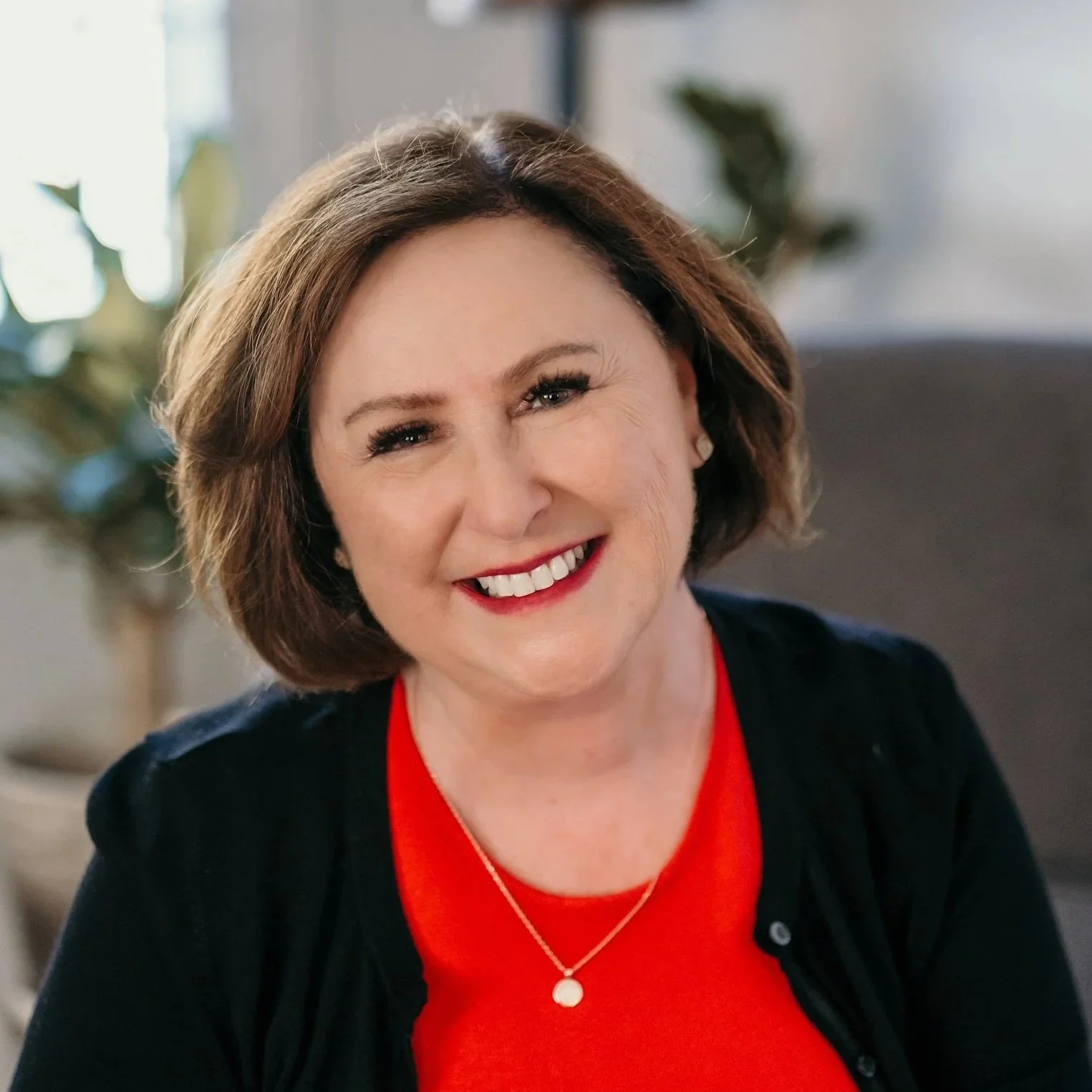
The conversation around aging often focuses on what we're losing and on what we're still capable of building.
In this episode of The Energy Fix, Tansy sits down with Jeanne Phares to discuss why strength training becomes increasingly important during midlife and menopause—and why so many women have been given outdated advice about exercise, nutrition, and aging.
Jeanne shares her powerful personal journey as a cancer survivor and how strength training became an essential part of her recovery, resilience, and long-term health. Together, they explore the hormonal shifts that occur during menopause, how muscle loss accelerates with age, and what women can do to protect their strength, energy, and independence.
The conversation also dives into muscle failure, recovery, nutrition, identity shifts, and the emotional side of navigating a changing body.
If you've ever wondered whether your body is changing because you're aging—or because you've never been taught how to support it through these transitions—this episode offers a refreshing perspective.
Listen & Watch
🎙
Listen & Watch 🎙
What We Cover
In this episode, we talk about:
Why strength training becomes increasingly important during menopause
Jeanne's journey from cancer survivor to strength advocate
The connection between hormones and muscle loss
Why many women receive outdated health advice
The role of strength training in recovery and resilience
What muscle failure actually means
Why recovery is essential for building strength
Protein needs during midlife and beyond
How workouts may need to change with hormonal shifts
Identity changes that occur during midlife
The importance of supportive communities
Closing the gap in women's health education
Key Takeaways
Strength training is one of the most important investments in long-term health
Muscle loss accelerates during menopause
Recovery is where strength adaptations occur
Hormonal changes require different approaches to exercise
Protein becomes increasingly important with age
Small changes can create significant improvements over time
Strength training supports bone health, metabolism, and resilience
Identity shifts can become opportunities for growth and empowerment
Community support matters during major life transitions
Aging does not automatically mean decline
Favorite Quotes & Sound Bites
A few moments you’ll want to remember:
"Muscle loss accelerates during menopause."
"Strength training helps build bone."
"You need to treat your body differently and better."
"We need a protein forward meal plan."
"You can still push yourself, right?"
"I want women to care how they feel in their bodies."
"You can do exactly what you want to do."
Chapters
04:00 – Jeanne's Journey: From Health to Cancer Survivor
12:39 – How Strength Training Supported Recovery
24:02 – Identity, Exercise & Midlife Change
25:39 – The Science of Muscle Loss During Menopause
41:51 – Strength, Mobility & Aging Well
46:04 – What Effective Strength Training Really Looks Like
49:17 – Protein, Nutrition & Muscle Health After 50
55:25 – Hormonal Changes, Recovery & Adaptation
01:01:09 – Embracing Identity Shifts in Midlife
01:06:41 – Closing the Gap in Women's Health Education
Why This Episode Matters
Because many people assume fatigue, weakness, weight gain, and loss of muscle are simply unavoidable parts of aging.
It can show up as:
feeling weaker than you used to
struggling to recover from workouts
noticing changes in metabolism
feeling frustrated by body changes during menopause
worrying about long-term health and independence
questioning whether exercise still "works" for your body
And the frustrating part?
Many women are still being given advice that was never designed for the hormonal realities of midlife.
This episode matters because Jeanne brings the conversation back to what actually supports health: strength, nourishment, recovery, and adaptation.
Aging doesn't mean giving up.
It means learning how to work with your body differently than you did twenty years ago.
About Jeanne Phares
Jeanne Phares is the founder of Sage Lifestyle Press, a publishing house dedicated to helping women over 40 build strength, confidence, and financial clarity. A retired CPA, certified Health and Wellness Coach, and cancer survivor, Jeanne brings both professional expertise and personal experience to her work. After being diagnosed with acute myeloid leukemia at 55 and crediting her 40+ years of strength training with her survival and recovery, she committed to getting every woman in midlife the practical, evidence-based guidance she deserves. Through Sage Lifestyle Press, Jeanne publishes books and runs coaching programs on strength training, menopause, nutrition, and personal development for women in the second half of life. She is based in Los Angeles.
Links Mentioned In The Show
Website: sagelifestylepress.com
Free resources for listeners: https://dl.bookfunnel.com/jn93r2q74p
Instagram/TikTok: @jeanne.sage_lifestyle
beU Crystals:beucrystals.com
Just Thrive Probiotics- Use code TANSY15 to get 15% your order!
Podcast review promo...Get 15% off a distance energy healing session or a piece of jewelry with a positive review of the show. Email photo of review (after submitted on podcast platform) to info@tansyrodgers.com
Support Beyond The Episode
If this conversation hit home, and you’re craving deeper support (not just ideas, but real integration):
Join the newsletter →
If this episode challenged some of the messages you've heard about aging, strength, or menopause, consider sharing it with someone who needs that reminder.
And if you've been putting your own health at the bottom of the list, let this be your encouragement to take one small step toward supporting the body that's been carrying you through life.
Follow or subscribe to The Energy Fix for more conversations that help you build health from the inside out.
Transcript
-
Jeanne Phares (00:00.046)
So we may be working really hard and doing all that stuff we've always done and pushing, pushing, pushing, but we're not getting the stuff out of it. So when you can sort of logically bring your brain around to saying what worked for me before isn't going to work for me now. And I can still push myself, right? I can still do a solid workout two days a week, full body, and add to that. But you can still push yourself if you can make the shift in your mind that, you know, things are changing in my biology.
This is not my fault. This is not a a failure on my part that I can't, you know, I shouldn't run five miles a day anymore, or I, you know, shouldn't be doing jump squats anymore or whatever the kind of things that you used to do that made you feel good. This is a hormonal shift in in your physiology.
Tansy Rodgers (00:48.75)
Yeah.
Tansy Rodgers (01:01.826)
Welcome back to the Energy Fix, a podcast dedicated to help you balance your energetic body by diving deep into the sweet world of all things health and spirituality. My name's Tansy, and I'm an intuitive Crystal Reiki energy healer, energetic nutrition and holistic health practitioner, and a crystal jewelry designer. It's time to talk all things energy. Let's dive in.
Today we're talking all about strength training in midlife, not from this conventional angle that is thrown around all over the place on social media or in lifestyle magazines. We're gonna actually be diving into an angle that's more from a life force angle, something more real, something more relatable. And this is all because perimenopause and menopause have this quiet little way of really changing the rules.
Of who you thought that you were in your body, how your body responds to movement. Well, I mean, really pretty much everything in life, your body is reinventing itself. It's your recovery, your sleep, your body composition, motivation, hormones. And a lot of women get handed the same tired advice over and over and over again. And that's things like just walk more, eat less.
Except that you need to slow down. the reality is this doesn't have to be that way. And the guest today is going to be talking all about that. My guest is Jeanne Phares She is the founder of Sage Lifestyle Press. She's a retired CPA, a certified health and wellness coach, and a seven-year cancer survivor.
After being diagnosed with acute myeloid leukemia at 55 and going through chemo at UCLA, Jeanne's medical team credited her as decades of strength training with her ability to tolerate treatment and recover. And that experience reshaped her mission. She is here now to really help women in midlife build real strength physically, metabolically.
Tansy Rodgers (03:22.376)
And emotionally. She wants to step in and help them find ways to really expand their next decade, not shrink into the life that they think they need to succumb to. We're going to talk about why muscle loss accelerates in menopause, what women aren't being told, what strength training actually changes in the body, and how to start in a way that feels safe.
And doable for you. All right, Jeanne it's time to get into this conversation. Let's dive in and welcome to the show.
Jeanne Phares (04:00.056)
Thank you so much. I'm happy to be here.
Tansy Rodgers (04:03.284)
I am so happy for you to be here. And you know, this conversation, especially in my circles, is a very common conversation, one that I know so many of the women that I work with get frustrated with. And we're gonna dive in. But before we do, I wanna really just hear about you. And I want to hear about your journey.
I want to start this podcast out today with just a little shift and actually set the stage of the conversation. I think so many are gonna resonate with your story or know someone who walks a story that's very parallel to yours. And I think it's important to create a visual before we get into the nitty-gritty. Jeanne, you went 55 years with zero medical issues, and then everything changed.
Jeanne Phares (04:50.941)
Good.
Jeanne Phares (05:01.08)
Hello?
Tansy Rodgers (05:01.462)
Tell us about your journey and tell us about what you remember the most, that moment that you got the leukemia diagnosis and the immediate aftermath that it catapulted you into.
Jeanne Phares (05:14.99)
Okay. Well, so I I've always been a runner and a strength trainer my whole life. And I've always loved exercise and I like the way it makes you feel. and so like you mentioned, one day I woke up and I had a a rash all over my body and I went to the doctor and I told him I'm really tired. And he said, Well, y you maybe you have mono, let's do a blood test.
And so the next day called me, he goes, It's not mono. I said, Well, it's something because the rash is covering more of me now. And he said, Well, come in, we'll do more blood work. And then later that day he called me and he goes, I want you to make an appointment with a hematologist. And he sent me a referral form and it said anemia on And I thought, anemia, no big deal. I don't even know what that is. It didn't seem like a big deal. and so
Then the next day he called me and he said, Did you make the appointment with the hematologist? And I Yeah, it's today at two o'clock. He goes, Well, don't miss that appointment. And I'm like, I'm not gonna miss the appointment. Well, what's going on? He goes, Well, I want you to talk to the hematologist. But and I said, you know, and at this point in time, I'm working on a master's degree in nutrition because I want that to be my next career after, you know, accounting. and I said, Well, tell me what my iron is, because when I heard anemia, I know that had something to do with I thought it was low iron.
He said it was like 8,000. And I'm like, 8,000. The normal reference range for iron is like 180. So I was like, okay, fine. I'm I'll see him today. I'll let you know what happens. And of course, I immediately went into research mode because that's what I do. And and I I my husband got home and after looking up all of the things that sort of the little hints that happened along the way, like about a month before that, I had gone and gotten a massage. And the next morning when I woke up, my husband's like, You have bruises all over your back. And I'm like,
well guy was a little rough, but you know, I didn't think he was that rough. But I d I just didn't think twice about it. My husband got home before we went to the doctor and I said, I I have leukemia. And he goes, How do you know that? I'm like, Because I put in all my symptoms and the Google told me. And so he goes, Well, don't, you know, don't rush to anything until we see the doctor. Sure enough, I go in there and as soon as I walk in, the hematologist says, You have acute myeloid leukemia. And
Jeanne Phares (07:35.316)
that appointment was at two at five o'clock I was already installed at UCLA and getting chemo because it's moves very fast and is very deadly. and the thing that I couldn't like wrap my head around, I'm like, I have never I've never had any medical problems. I am healthy. and so when I found out that you know basically because I was in such good shape
And, you know, I didn't have high blood pressure, I didn't have diabetes, I wasn't on any medications, you know, that I would have a better chance of having a good outcome because the survival rate for this kind of leukemia that I had is about thirty percent. but you know, I always sort of I've always felt like the universe has had like my back. And I didn't think about like, I'm gonna die. I thought about if I die, what does my family need to know?
So I immediately got my computer out and wrote a letter to my daughter about where everything was, you know, who to call, what to do, because I knew my husband wouldn't be able to handle it. but I do remember when I so with this kind of cancer, you because they have to obliterate your bone marrow, you don't have an immune system. So I was in the hospital for from May to September with two one week breaks in between.
And after my stem cell transplant, which my older brother was a match, which is the the cure for leukemia if it takes, and you know, seven years later, spoiler alert, it took, you get another disease called graft versus host disease. And it is like an autoimmune issue. and so, you know, for someone that never went
to the doctor other than they're once a year, you know, physical and never had to take medications and currently have like medications for the rest of my life. And that was probably the hardest thing for me to accept because I'm like, you know, I've always been, you know, very driven, very busy. You know, my husband laughs like even now after I retired and I started this company, he goes like, Do you ever rest? And I'm like, no, no, because I'm just I I like to get things done and I I I want to be
Jeanne Phares (09:56.386)
you know, engaged and so anyway, I worked for after I went back to work, COVID hit. And so I worked from home like part time for about another year. And then I just thought, you know, I almost died. I really I really need to kind of think about what I like. and I always knew I loved, you know, health and nutrition. and I always loved coaching people because even as a CPA in a big accounting firm
You're always coaching. And I spent a lot of time coaching women in the field, you know, on their careers and and you know, I still have gals that I worked with, you know, twenty five years ago call me and ask for advice on things, which is, you know, very gratifying that, you know, that they value my opinion on stuff. one gal called me Monday and she's like, Genie, can I take it to lunch? Well, you gave me the best advice. And I'm like, I have one.
And I had encouraged her to go get her MBA, even though she was pregnant, and she did, and she was, you know, very happy about the results and what it's done for her career. So, you know, coaching and writing about the topic were important to me because I remember when I did get out of the hospital, I couldn't walk a half a block. My daughter was walking with me. And that was probably when I
you know, my head kind of caught up with what was really going on in my life and the changes that I would have to make. so after I got over feeling sorry for myself, I decided what I want to do is work out and insight. And and you know it's it's a little harder because now I'm on a a steroid, which really fights against losing weight. So
But but I lift at the level I did before I got sick and I'm still working on cardio, but as we'll find out as we talk longer, that's less important as we age. but yeah, that's kind of you know where I'm at. So I I wrote my first book because I'm a CPA was on retirement planning. And and then I thought, well, what I really want to write about. And so I I wrote a book, and this was has been out since September.
Jeanne Phares (12:18.208)
of twenty twenty four, The Beginner's Guide to Strength Training for Women Over Fifty. And I I love this book. I mean it's still to today my best selling book. And it it walks through menopause and and the kind of things that that change and happen and and how to get started on this path. and I think a lot of women resonate with that.
Tansy Rodgers (12:39.559)
So after you got diagnosed with leukema, leukemia, you got stem cells from your brother. And so you said then that you then developed something called graft versus host disease. I'm curious, what are some of the symptoms that you felt or experienced from that situation?
Jeanne Phares (13:02.218)
well graft versus host is expected. So it's sort of like if you've ever heard of someone that had got like a kidney transplant, right? Their body attacks that kidney because it's foreign to the body. Mine is the opposite. My whole immune system was replaced with stem cells from my brother to the point where my blood type changed. I now have a positive blood, which was my brother's blood type. Mine was O positive. So the graft.
is the stem cells and the host is my body. So early on after you get a stem cell transplant, those stem cells wake up every day and they go, huh, this isn't our house. Let's go break something. And it does. so it wasn't unexpected. but I knew that one of the most debilitating things of this is
The shortening and tightening of ligaments and muscles. So some people can't stand up straight. Like when I first would go in, my doctor would always ask me to do this to make sure that I could move my arms that way. So I did a lot of you know, stretching and and strengthening and, you know, foundational work just to make sure I could keep my body moving. and then after a while, the cells settled down and
you know, even though it affects my life like every single day. my doctors say my graph versus host compared to what a lot of people go through is not as severe. and I you know, it when I got cancer, I mean, I always think like everybody handles things differently. And, you a lot of people they get cancer and they want to wear the little ribbons all the time, you know, because it's like I I beat it and and it's important to me. But
I never wanted it to be a topic of my life. It's like, okay, that happened. Now I'm over it. Let's move on to the next thing. But because of this ongoing concede state, it it does affect my life every day. And so I'm hoping that the benefit of that is that I can share the story with other people. And if they're going through a diagnosis, then
Jeanne Phares (15:16.054)
you know, they'll see that there's, you know, light at the end of the tunnel. I mean, I know I had gone into the grocery store once and I'd gone up to the, you know, the counter at the in the deli and I had my, you know, chemo hat on and and the lady behind the counter, she says, I just got diagnosed. And she started crying and I started crying and she came around the counter and I told her, I said, Just hang in there. You're gonna be okay. Just, you know, stay strong. You know, and it was like
But I was I was happy, I I hope I gave her some comfort, you know. And I'm happy that I was approachable so that she could actually say something. 'Cause, you know, a lot of people see the chemo hat and it kinda turn the other direction and scurry off because it's, you know, it's uncomfortable for people. so anyway.
Tansy Rodgers (16:04.77)
Yeah. And this is exactly why I wanted to talk about this right in the beginning of the podcast, because Jeanne, cancer has been on the rise. People are getting diagnosed left and right. And I think coming together and creating community around that support and that knowing and understanding and to take away some what you just some of that fear and that that scariness of it. And to show that
Survival is absolutely possible. Of course, even in a 30% survival rate kind of cancer. my goodness. Yeah. So when you're when you and your oncology team said that your strength training really mattered, what did that mean specific specifically? Like let's talk about the tolerance, the recovery, resilience, your immune response, any.
Anything that you really found specifically and what did you notice in your body that confirmed that?
Jeanne Phares (17:11.73)
well, I you know, one thing I noticed is that, you know, you're in a locked ward when you have leukemia because nobody has an immune system and there's special fans in your room and they really don't want you out of your room, but they do want you to walk around this very miserable looking little area they have so that you get some exercise. But when I would go out every day to do the walk, you know, dragging my IV pole with me, I I made a point. Like I always got out of bed at seven AM.
I would not get back in the bed until 7 PM. I did not turn on the TV. I either read or I crocheted. If I wanted to nap, I would nap under the window. you know, I had a few people visit me, but because you don't have a lot of immunity, you don't really want a bunch of people coming in and bringing, you know, anything that might hasten your gr as a journey to the grave. and I would notice people laying in bed watching TV all day.
That's just not me. it's not me and I wouldn't let it be me. It's very easy. I mean, I'm not being critical of these folks. It's it's like, you know, maybe that is what their daily life is, is is sitting a lot, or maybe they're so overwhelmed by their diagnosis that, you know, they can't think of anything else. But, you know, for me it was like I need to stay active. I need to like not let my, you know, muscles, you know, deteriorate.
'Cause I know this is gonna be a long journey. I did not do any strength training in the hospital, but I did do some yoga and, you know, just some things to make me feel like I was still alive. you know, I got up, I took my shower every day, and you know, I and I would hear people as you're walking down the hall asking the nurse to order their meals and stuff. And I th I I just thought, you know, that
Isn't the mindset that helps you recover? You know, figure out how to do this. I had my husband bring a an Alexis so I could listen to music. And, you know, I I brought some pictures from home so that, you know, as as dank as a hospital room is, and, you know, some little throws and blankets from home, so that I just, you know, I brought sheets from home, so that sheets on my bed were sheets that and I I
Jeanne Phares (19:36.194)
I feel like that really helped me. It helped me realize that, you know, this is just, you know, something I'm passing through. and at the end of the day, you really don't have a lot of control over this sort of thing. You know, you have control over how you view it. And you have control over, you know, how you let it affect you in a lot of ways.
And I've always sort of been of the mindset, you know, you're about as happy as you make up your mind to be. And and I know physiologically what how bad it is for you when you get angry and, you know, you set off that part of your brain that sets off those, you know, fight or flight chemicals and that sort of stuff. And since I always, you know, studied this sort of stuff, I thought, Well, that's not I'm not gonna let that happen. I'm not gonna do anything that will be detrimental, you know?
If if I if I die, it's gonna be just because my number was up and that's what, you know, that's what God had in mind for me. not because I didn't take care of myself or that I saw that as my path and I was gonna go down it. so I hope through my strength training I help people see that, you know, you know, they may not have a health crisis like I had, but you know, perimenopause and menopause feel like a health crisis.
You know, it's treated in our medical system like a disease. It is not. It is a natural transition in our lives. and I believe that we can do our best to manage it as naturally as possible. And if you need help, you know, talk to your doctor about HRT. But I think there's a lot you can do to manage symptoms by taking care of yourself. And also it
You know, it it's so important. It's like women in this age group, it's likely they may still have children at home or children going to college. It's likely they have aging failing parents. So they're in the middle here. They're trying to take care of all this stuff. And likely they have a career. you know, or managing a home and and everybody else's stuff, you know. And so if you want to show up.
Jeanne Phares (21:52.366)
For all those places that you want to show up for, you better put yourself, your health at the top of the list. Because you won't be able to show up if you don't take care of yourself. So it drives me crazy if someone says, but the kids have this, and you know, my mom, I have to do this for my mom. And I'm like, you know what? That's just the story you're telling yourself. Cause the story could easily be, I need, you know, 10 minutes.
to meditate in the morning and I need to go to the gym twice a week or do my workout at home. I need to like, you know, have groceries delivered so that I can get good food in the house so that I can take care of these other things. There's always a way around it.
Tansy Rodgers (22:34.67)
Break because I want to share something I make that's meant to support you in real life, not just look cute on your wrist. I create intentional crystal jewelry through BEU crystals. These pieces aren't random. I design them using crystal energy, and I also weave in numerology and geometry, and I infuse the pieces with Reiki Healing Energy as part of my process to really help support you on an energetic, deep level.
They're like little wearable anchors, the kind you can touch when you're overwhelmed, when you're heading into a hard conversation, or when you need a reminder to come back to yourself more solid, more grounded, more authentic.
I'm not here to tell you that jewelry fixes everything, but I am here to tell you that having a steady physical cue can change your day, especially if you're sensitive, easily overstimulated, or your brain likes to sprint way ahead of you. If you want to browse what's available or see what is newly released, head on over to BEUCrystals.com. I'll link it down in the show notes so that you can easily shop and check out what is available. And as
As always, if you have any questions or you want to do any custom work, you can easily reach out to me right there. Okay, let's jump back into this episode.
Tansy Rodgers (24:02.638)
Preach it, sister. Yes. Yes. Yes. Before we go into the science of everything, I want to really anchor this in for the listener because so much has shifted and changed in your life. I mean, just listening to your story, that's evident. After all of where you've been and what you're stepping into, is there a word or a phrase that you're really embodying right now in this current season of your life?
Jeanne Phares (24:33.566)
I think I have always embodied a service mindset. And for me, even more with my course and my books and my coaching, I just think that true happiness comes from being in service to others. And if I can help somebody just a little bit, and you know, sometimes because I've studied this so long, it it doesn't seem that you know, grandiose to me sometimes.
But when I'm coaching somebody and I'm giving them what I think is, you know, f fairly straightforward, not, you know, earth shattering advice, and they start to see changes or they are like, I never thought of that. that makes so much sense. and and and I follow up with them and it's like, yeah, I've been doing that and doing this. And I see how happy they are and how happy that, you know, my two cents into their life has helped them. It is just it's the best feeling in the world, you know.
Tansy Rodgers (25:32.832)
Yeah, yeah, which is exactly what you're doing by being here on this podcast. So you are living it. All right, Jeanne, let's really dive into this. Let's talk about the thing that women don't realize is happening during these times of our changing, our shifting, perimenopause, menopause is what I'm speaking to specifically here. Muscle loss. Can you explain what's going on in midlife?
why muscle loss accelerates, why strength tends to decline even faster than mass.
Jeanne Phares (26:09.964)
Okay. So I I won't nerd out too much, but let me just give you a little you
Tansy Rodgers (26:15.07)
You can absolutely nerd out here.
Jeanne Phares (26:17.986)
Perimenopause starts late 30s, early forties. And perimenopause is actually the menopausal process, right? Menopause is the day that you have not had a period for 12 months. And the day after that, you're in postmenopause. So we say menopause kind of as a broad term, but really it's perimenopause. and when you're in your twenties, as a woman, your testosterone starts to drop.
And it drops sort of steady about one to two percent per year. So you notice it's harder to build muscle and it's
your libido goes down, you know, so you start noticing these changes. And then your progesterone starts to decline. And your progesterone is, it's kind of like your feel-good hormone. and so it starts to decline. It's a little erratic, but not too erratic. But one of the things that happens is you start to have a cycle, a monthly cycle with no ovulation.
Which means you are not creating an egg. So when that's happening, the progesterone doesn't have its normal activity of releasing. And at the same time, your estrogen is like the Tasmanian devil, right? It's up and down and up and down, and it's like, you know, y three times higher than the normal limit some days, and and then really low. And the progesterone isn't there to tamp it down and hold it sort of steady.
You got all these things going on. and estrogen, people don't realize that estrogen is very protective in muscle growth and you know, mood and a lot of things. And so when the estrogen goes down, you don't have it one, it changes where your body wants to hold the weight, which is in the middle. and so you start losing muscle mass at a higher rate. So in our 30s, we start losing muscle.
Jeanne Phares (28:26.93)
our less testosterone is making it harder to build that muscle. The lack of estrogen is making it harder to build that muscle. And by the time you're 50, you're losing maybe 1%, maybe 2% a year if you're not doing anything to counteract. So, you know, in comes the, you know, the white hat, which is strength training, which says if you do me, you can counteract all of this other stuff. And by the way.
Strength training increases testosterone, right? So now you feel better, you're building a little bit of muscle, you might want to have sex again someday. you know, and it it just kind of works, you know, very well together to, you know, there are studies that show that strength training affects your sleep and your
Not just sleep, because when you feel better, when you sleep better, sorry, you feel better, right? hot flashes, that's the word I was looking for. Sorry. Chemo brain and menopause brain, you have to give me a little bit of a pass. so you know, when all these things start to feel a little bit better, then overall the world gets better. And on top of that, strength training in general releases endorphins.
So the issue then for women in midlife, it's not just okay, go out there and lift weights like, you know, a crazy person. It's like, how do I lift weights so I don't get hurt? And why don't the things that worked for me when I was 20 or 30 still work? Well, first off, for me, I used to be able to just stop eating a little bit and and do some cardio and I drop right down. Well, intense cardio creates a cortisol.
Shift and increase in cortisol in your body. Estrogen normally tamps the cortisol down. And of course, the estrogen isn't there. So the cortisol is telling fat to gather around your middle and around your organs, visceral fat, which is not good. Estrogen also regulates heart health. So it's why you kind of hear more heart attacks in women. And women don't present heart attacks the way men do, which is why often they're often misdiagnosed and not caught in time.
Jeanne Phares (30:49.28)
So we need enough cardio to work the muscle that is our heart.
but not so much cardio that we're creating a cortisol response. So with cardio it's like you want to be able to talk. and, you know, our bones also start to thin out. Because what happens to your bone from the time you're born is you have cells that make bone and cells that repair bone and cells that wear away bone because the cells need to turn over. So
Your bone tr cells turn over and then something else comes in and builds them up. Estrogen is what helps those cells that helps bone build up work. So guess what? No estrogen, osteopenia, osteoporosis.
But if you are doing strength training and you are doing load-bearing work, that helps build bone. So by load-bearing work, I mean the work where you're pounding onto a long bone. So pushing, you know, walking. And that's what so if you have a child, a a daughter in her teens or twenties, tell her to start running now.
That should be our number one thing to do because that pounding is building bone. I know when I went in to get my my bone scanned when I was in four at 45 because you know my mom had osteoporosis, the lab called me afterwards and like, my God, you have the most beautiful bones. It was because I had always been a runner. But when you get into midlife, it always drives me crazy when I see, you know, like women on social media like
Jeanne Phares (32:38.784)
in their sixties and they're running like I still run and I'm like, yeah, but your bones are getting thinner. And I had a friend who used to run half marathon, not half marathons, five Ks, well into her sixties. And then eventually broke her hip. Because at some point that pounding isn't what you need and you need to soften it up. And I think it's hard for women to kind of make that shift where, you know, they have this vision of themselves. I mean, I know I mean I'm sixty two.
I don't feel I don't know what sixty-two is supposed to feel like. I don't feel any different than I did when I was forty. But I can't do what I did when I was forty. So I make shifts so that I can be the best I can be now. And that's kind of what I want women to see is that it's okay for things to change. It's not okay to roll over and just don't do anything about the change you don't like.
Tansy Rodgers (33:39.788)
Yeah. Well, there's a couple things that you said. I was taking little notes that really popped out to me. And I just want to highlight them. So first you talked about osteoporosis and osteopenia, heart attacks. Those kind of things become more prevalent as people get older, as women get older because of this estrogen dropping, right? What's so interesting is that I think mainstream medical
Conventional health and wellness wisdom is very much about like, well, this is very normal. This is normal stuff that happens as we get older. When in reality, Jeanne, there are specific ways outside of, of course, nutrition, of course, you know, taking care of your body in that way. But there are other things that I don't think get talked about enough, like.
We need to do strength training. We need to keep that estrogen being taken care of. Maybe that's a an HRT, a hormone replacement therapy, or maybe that's something else, but we need to take care of that because that is going to offset some of these other quote unquote inevitables that could come into the aging process, right?
Jeanne Phares (34:56.514)
And I mean, I don't think it has to be inevitable that just because heart attacks in midlife women are on the rise, or, you know, broken hips and osteoporosis are on the rise, you know, that that we have to say, well, this is just what happens. it doesn't have to be just what happens. You have control over how you take care of your body. and I think that
I would rather know that I took care of my body every way I could and something bad happened than I didn't take care of my body and something bad happened. And always wonder, hmm, maybe that wouldn't have happened had I been, you know, had I not put everybody else first, had I spent a little time learning. you know, because I see women too on social media and they're asking like in Facebook groups and things, which I think are helpful. I mean, I'm in Facebook groups too, but they're like,
I'm always in there saying, you need to research that. Don't do that. But they're like, you know, well, what kind of protein powder should I use? And how much should I take? And and I'm like, well, this it's fine to get some input, but I research every vitamin, every supplement. A lot of protein powders have heavy metals in them. And, you know, there are places you can go legitimate research sources or, you know, coach with somebody.
that knows how to direct you. Like a a friend of mine called me, she's like, my doctor told I need to take folic acid. And I said, well, let me look it up for you and find the one because, you know, supplements are not regulated. So we don't know. And if you look at some of the studies, they're like, you know, you can find a supplement that says it's this. And then when they look at it, it's not that. It has like a tenth of what it says it has of that.
And she's like, well, I already bought this one. And I'm like, well, let me look it up anyway. And I'll next time buy this one. so I just think there's so much we can do to help ourselves and not just accept. And you said something earlier that really hit with me is that, you know, I think people just sort of expect us to decline. And I don't plan on declining. you know, I just I'm not going to.
Jeanne Phares (37:18.826)
behave in a way that says I plan on declining. If I decline, well, you know, I mean we're all going in one direction, right? And I just think, you know, your mindset on how you look at life and what you're doing for yourself and then being really proud of yourself for doing that is what's gonna keep you young and active and and feeling good.
Tansy Rodgers (37:42.902)
Yeah. Well, you know, and you're talking about the mental aspect here. I want to just I'm gonna comment on one more thing that you said earlier that goes right into that. You talked about how it can be really challenging that as women are getting older to shift and change the kind of exercise that they did, the running, for example, you know, the activities that they're doing, but that it's important. And I made a little note here.
It's hard to make the shift because mentally and emotionally that can feel fearful, like you're giving up your independence. You're giving up what your body can do. You're giving up that that push, right? And so what do you have to say, Jeanne, for those women who are struggling mentally and emotionally? Because it be because now it becomes an identity issue.
Jeanne Phares (38:34.942)
it r it is an identity issue because whatever you you know, associate yourself with. I mean, I know when I retired from being a CPA and I never thought it would bother me because I was looking forward to retiring and starting something new, I realized how much of my self-concept was wrapped up in, you know, that career and that title and that money and, you know, all the stuff that goes along with a professional. but eventually.
I got my head wrapped around it and got over it. But, you know, for women in midlife, I don't think it needs to be looked at as, I'm losing my vitality. It's I need to treat my body differently and better. because at this stage of my life, that isn't good for me. I mean, we know now if running creates a cortisol flush in your body and is making you put you know, weight on around the middle, that's not good for you. So
No amount of convincing yourself I'm losing my vitality is going to justify wanting to continue to do that. So what do you do then? Well, you start walking fast and you go by yourself some little hand weights and you pump your arms. Because then your heart rate's getting up, you're protecting your your heart, you're exercising it, which is what you need to do. You're still getting out. you can carry on a conversation with people that you might be walking with. and in terms of strength training,
You know, somebody asked me the other day, well, they keep hearing that women need to lift heavy. Lift heavy, lift heavy. That's what they're seeing all over the place. And my feeling is, well, I think if you've been a bodybuilder and you do lift heavy, and there are some muscles that I work out heavy, i and you know what you're doing, there's nothing wrong necessarily with that. But what I generally teach is a slow method. So if you're trying to lift a heavy bice heavy weight for bicep and you're ended up doing this.
You know, because you're not really working the muscle now because now you're using some, you know, your shoulder and your back to hoist it up. That is not good. So if you lighten your weights and you do your reps very slow, you can still get the muscle failure because that's the key. If you pick up a weight and you can, you know, lift it, lift it for 12 times, and then you think I could do 10 more, that weight is not heavy enough. So you can do one of two things. You can try lifting it very slowly.
Jeanne Phares (40:57.024)
So like for a bicep curl, for example, 10 seconds up and 10 seconds down. And I mean like a full 10 seconds, don't just count up 10. if the weight is the right weight, by the time you get to two minutes, you will barely be able to pick up that, you will barely be able to lift that weight. That's how you know that it's time to go up in weight or down in weight is when you get to muscle failure. and then
You know, the other side of that is after you have muscle failure, then you need time to recover. And we need a little bit more time to recover when we get older. Because exercising breaks down your muscle. And then recovery, rest is when you is when you build up your muscles, is when your muscles repair. So important on those days is to do, you know, your yoga, your kind of functional work where you work on your balance and that sort of thing.
I've got my husband now when he brushes his teeth standing on one foot, you know. So that, you know, it's important because, you know, women of all ages fall down and it's it's not good. So it's like I always tell people if you only have time to do one thing, you need to strength train. But to be well rounded, we need to strength train full body twice a week. We need to get in a walk after meals.
Because we know that the studies show now that when you walk after you eat, it helps the digestive process. It takes the, you know, the energy from that food and converts it into moving your body forward in a walk instead of finding a home to sit and turn into fat. so you exercise your heart and then you do something to work on your mobility and your and your flexibility. Those are important things. and I think we have time to do these things.
You know, and then the mindset part. I like to start my day every morning with, you know, ten minutes. And it's not always meditation because, you know, my mind is like going a hundred miles an hour. It's kind of hard. So I'll do some breathing. I'll go through, you know, my success list for the day, which you're like, what are the three things if I get them done today, I'll be happy with? Because you know to-do lists are a hundred things long. And then we go to bed feeling like we got nothing done when we probably did a lot.
Jeanne Phares (43:16.184)
But if you pick the three things that if I get these things done, it'll have been a good day. And then I just like to have a gratitude practice. you know, I'm grateful to be here. I'm grateful to be able to help women, I'm grateful to be able to help my my children and you know, my daughter, for example, when I was visiting her, she started telling me she's my daughter's forty four. She started having all these symptoms. And she was telling me about it. And I Well, you know, Bethany, you're in parimenopause.
And she said, No, no, I talked to my doctor and they kind of like cuckooed all that. And I'm like, what kind of doctor are you seeing? And she said, an OBGYN. And I'm like, yeah, OB means she delivers babies. That's not your doctor anymore. You need to go find a doctor that handles women in midlife because that's what you are now, which is really scary to say. so when I went to see her this last time, she said, I found a a you know, female doctor that, you know, helps women in midlife. And
All the things I was telling her about, we talked about it. She didn't make me feel like I was just complaining or, you know, dumb or anything. And I'm like, that's what I was telling you. I said, why didn't you write the book? I did write, you know, menopause doesn't have to suck. And and then I've also just written Perimenopause Doesn't Have to Suck, because I had more to say about it. and then recently I put out an accompanying book to the strength training book, which is Eat for Strength After 50.
And I started with the after 50 because that was kind of where I thought. But then when I realized, you know, I didn't immediately realize that all of this stuff was related to menopause and perimenopause. And then when I did, I thought, my customer base just expanded because now I really need to start with women in their 40s, early 40s to help them figure out what's going on over the next 10 years. until they hit, you know, 50, 55 and then, you know, hit menopause.
to me it's kind of exciting, you know, it's not the same old, same old. You're, you know, doing new things, learning new things, learning to eat differently and learning to exercise differently. And, you know, hopefully you're making friends along the way. and that that's just another point I want to make. If if you are with people that aren't supporting this thought process in your head, then you need to find some different people.
Jeanne Phares (45:35.86)
in your life to that that build you up this way because you know if you're only hanging out with you know people that think well this is just the way it is or this happened and woe was me it's it's hard to make those mental shifts. So
Anyway, that's what we would tell our kids anyway. Don't hang around with those kids. They're not leading you anywhere good.
Tansy Rodgers (46:03.342)
Yeah. And so those those books that you highlighted, I will have those in the show notes for anybody who wants to jump on down and check those out. But let's kind of let's kind of dive into that a little bit. I I would love to talk about your thoughts of of a general plan in regards to certain concepts that you literally just spoke on. So let's start with the resistance training. You talked about, you know, two sets and you talked about some reps and some sets and some details, but
I would love to just to kind of condense that. What does strength training mean in your world specifically? Like what counts? What doesn't really count? What or people misunderstood? Like if you could give a general protocol, what would you suggest?
Jeanne Phares (46:47.628)
So strength training is a general term for resistance training, which is a general term for weightlifting. And I don't know why we just don't call it weightlifting, because that's what it is. So strength training is weightlifting. And so if you are very new to it, you could start with resistance bands. And it's the same thing with the resistance band. You, you know, put it under your foot or you, you know, tie it down to something. And when you can't pull it up anymore, or
pull it with your leg or whatever you're doing with it, it's time to get a tighter band. The nice thing about bands, like if you travel, is that the closer you hold them together, the harder they are to pull apart. So it's almost like a whole set of weights in one in one thing. And the nice thing about strength training is you don't need a ton of weights and you can do it at home. So if the gym is something you've never done and the gym is, you know, intimidating,
I want to say a couple things. One, nobody in that gym is looking at you or caring what you're doing. Nobody's looking at you saying, look at that old lady in there or look at her. She's not lifting very heavy. Trust me. If they're all buffed out and they're, you know, the young and beautiful crowd, they're worried about what people are thinking of them. And and most people are there just trying to do their own thing. So I would say if you are intimidated at all by the gym, you know, give it give it a try. It it's really not that bad.
And
Tansy Rodgers (48:18.104)
Jeanne, can I also say though, too, because listen, I have spent many, many, many, many, many years as a gym go or gym rat, as you might want to call them. And I will say, especially the older women and the older men, like when I was in my 20s or whatever, the older women and older men that would come in there, Jeanne, I was so inspired. Inspired. Inspired. So you never know who you're actually inspiring in there. So.
Jeanne Phares (48:40.174)
Yeah.
Tansy Rodgers (48:47.886)
I just wanna put that in there because that is very true.
Jeanne Phares (48:50.646)
Yeah. I'm so glad you leave that because it is true. I mean, I remember when I used to run and I would see older people running. and I would think, if they can do it, I can do it. That, you know, they were very inspiring. Yeah. And I think we don't give ourselves credit for, you know, the effect we have on those around us by our behaviors that way. So I'm so glad you said that because that is so true.
Tansy Rodgers (49:04.014)
Yes.
Jeanne Phares (49:17.406)
so as far as a protocol, I would say start two days a week with a full body workout, unless you've been working out forever. But normally what I see is women that either were very active when they were young and then, you know, kids and life and careers and everything got in the way. And now they wake up one day and go, crap. Time to do something. and, you know, and then, you know, the next thing I would say is get your food sorted.
because we need a protein forward meal plan because we don't absorb the amino acids in protein the same as we age. And that means we can't build muscle if we're not getting enough protein. and so there is a formula out there about like how many grams of protein per, you know, pound you need and all of that. but let's just say, for example, you need 90 grams of protein a day.
I I always tell people, just make sure of the three meals you're having a day that protein is the first thing you put on the pl. So if protein is the first thing you put on your plate in the morning, instead of having, you know, two eggs, have one egg and two egg whites. Because the white is where the protein is and but the yolk is full of good
good nutrients, but the yolk is also fat. So a little bit more and then, you know, adding half a cup of cottage cheese, some, you know, Greek yogurt or or scare, which is like Icelandic yogurt, which I like better, but and fruit. And then, you know, just start off for three days just writing down everything you put in your mouth. No judgment. Just write it down. It is what it is. because if you don't know where you're starting,
You don't know where you're going. And so again, this isn't to write it down and say, crap, look, you know, I eat 10 cookies a day. It's what small changes can I make every day to get to a point? And that's the other thing too, is like, I feel like people like, okay, I want to do this. I want to change everything at once. And that's just not sustainable. You know, if you tell yourself, okay, I'm never going to eat cheesecake again, you know, then you're you're defeated before you start.
Jeanne Phares (51:45.742)
It's like, well, I don't want make a diet change. But it can be very simple changes like getting that 30 grams of protein on your plate before you put anything else around it. and if you're a vegetarian or a vegan, you know, there are tons of places where you can find you know, non-animal-based protein. they are just as good. However, you have to eat a lot more. So if you already are not.
feeling like you want to eat a lot, or especially like if you're on a GLP one drug and so you're medication and so you're, you know, eating less anyway, it's probably really important to see how much you have to eat and get it in as small a package as possible in order to get the protein that you need. Like for me, I don't like eating in the morning, but I know I should. So I make myself a protein shake. And what it has in it is a giant handful of baby kale.
Some blueberries, some, you know, plain Greek yogurt, a scoop of protein powder, which is like 30 grams. And usually I'll throw some pineapple or something in there just so that it doesn't, you know, taste like dirt. and it's usually pretty tasty. And I drink that, I get my 30 grams of protein in. And then by lunchtime, I mean, tuna is like a great, you know, a great amount, like compact way to get a lot of protein in in a meal.
just don't slather it with mayonnaise. If you have to have something in it to hold it together like a hummus or something, is probably a better choice. and this is kind of what I I coach women on is like you can, you know, make these changes. And then when someone says, well, I've made these changes, but I'm not, you know, I'm not losing weight still, because I then a really once we get the exercise off of you know, the running and we get the food.
I usually find that it's a food issue, like really being honest with what you're eating. you know, and then it's like, okay, you're eating pretty good, but let's make some adjustments. So for example, if you put a banana in your shake instead of the blueberries, well, the banana is a much higher sugar fruit than blueberries are. And blueberries have phytochemicals and all kinds of good things in them. Not that having a banana is terrible or gonna
Jeanne Phares (54:16.094)
you know, waylay you. But if you're having a shake three times a week, I would suggest replacing the banana with the blueberries, you know.
And you know, shy of those things that we can do, you know, getting our head space in the, you know, getting our head in the right place, getting our s our strength training, our weight lifting built into our routine weekly and getting a protein forward diet. At that point, you know, women can always get, you know, blood work done to see if there's anything else going on. and
I think a lot of people don't know this, but if you want to get certain things tested and your doctor doesn't I mean, one, if your doctor ever tells you that you keep won't he or she won't do anything, I'd find a different doctor, but that's just me. but you know, you can always go to a lab and get, you know, blood work done and then take it to your doctor and say, what does this mean? and so I just think that there's it's almost like a little adventure. So if you are feeling like you've lost vitality to kind of bring it back to your original point.
or you're, you know, losing your concept of yourself. you know, you're you're the CEO of your life. You know, you redefine what is important and how you're gonna do it.
Tansy Rodgers (55:38.13)
A quick pause for a gut check because gut health is not just about digestion. When your gut is supported, it can impact so many big picture things like immunity and brain support, mood and energy, and even how steady your nervous system feels day to day. And when your gut is struggling, it can show up as more than bloating or bathroom drama.
It can look like feeling run down and more reactive or foggy or anxious or like you're just not bouncing back the way that you used to. And that's why I'm a big believer in supporting the microbiome as part of a real life wellness foundation, especially if you're under stress, if you're in a busy season of your life, or your system is already sensitive. One of my consistent staples is just thrive probiotics.
I love it because it's simple, it's consistent, and it helps me feel like I'm supporting my body's baseline without turning my routine upside down. Because here's the reality. When you're supporting your gut, you're often supporting everything downstream, like your immune functioning, your nervous system resilience, and how well your body and your brain can actually do their jobs.
If you want to try it out, you can use code TANSY15 for 15% off your entire order. Jump down to the show notes, click the link, and make sure to use Tansy15 for that 15% off. All right, let's get back into this episode. Yeah, yeah. Well, you know, and and as you were talking, something else that I was starting to think about, you know, with all of the shifting and the changing, and you're trying the food changes and you're trying the resistance changes and you're
Trying to manage this new body and hormone dis distribution. That whole concept of tired but wired, which is so very common when these hormone changes come in, right? How do you build strength without burning out your nervous system, especially for those women who are already feeling very depleted? And I see this specifically for women that are like,
Tansy Rodgers (57:53.784)
For women that are more perimenopause or newly menopause, so like their body still feels really good. They want to push through, they wanna do all this stuff. They're not quite mentally and emotionally able to switch, flip that switch yet, but yet their body is absolutely exhausted. What is your advice there?
Jeanne Phares (58:15.874)
I think, well, you know, we know that because the testosterone is going down, that we're getting tired and we're not building muscles. So we may be working really hard and doing all that stuff we've always done and pushing, pushing, pushing, but we're not getting the stuff out of it. So when you can sort of logically bring your brain around to saying, what worked for me before isn't going to work for me now, and I can still push myself, right? I can still do a solid workout two days a week, full body, and add to that.
And I always tell people like I really love to work out legs. So I do an extra leg day because one, leg muscles are bigger muscles and bigger muscles burn more fat at rest. So so if you're vain, then that's something you can do. But you can still push yourself if you can make the shift in your mind that you know things are changing in my biology. This is not my fault.
This is not a failure on my part that I can't, you know, I shouldn't run five miles a day anymore, or I, you know, shouldn't be doing jump squats anymore, or whatever the kind of things that you used to do that made you feel good. This is a hormonal shift in in your physiology. And so you're just really being smart for yourself by looking at that and saying, how do I push really hard?
in this new, you know, realm is what it is. And like I said, it's it's kind of like an adventure journey. It's like, okay, I know this isn't serving me because I still feel tired. I still feel depleted. But recovery becomes so much more important. So I I I want to really touch on what you said about, you know, your nervous system. If you are not giving yourself a couple of days in between.
when your muscles repair. And if you're the kind of woman that's always worked out, you know all of this stuff, right? You just haven't made the shift to understand that your biology has changed. Not through anything that you did or didn't do, but it just did. And so now that you know that, you know, in order not to get you know, depleted, I need to really recover. I need to do whatever that means
Jeanne Phares (01:00:41.752)
For me in terms of rest. And that doesn't mean on recovery days you don't do anything. To me, those are your yoga days or, you know, your you know, like my pickleball day, you know, it's a couple hours of sort of short bursts of energy. those are the kind of things that you do on those days. So you can still be very vibrant.
But I don't I don't know a way to tell you that there's a way for you not to embrace the fact that your body has changed. It it has. And so take that knowledge and turn it into what you need to stay motivated to do that. And you absolutely can get over this. I'm I'm you know, I'm so tired because we know if you lift weights.
in the right way and you don't beat yourself up, you're going to increase your testosterone level. which is gonna then make it easier for you to build muscle and make it easier for you to sleep and
Sleep is one of those things, you know, there's a lot of, you know, there's sort of like your basic sleep hygiene. So first thing you do is you go through all of that. It's like, okay, is my room dark? Is it cool? Is it quiet? You know, and once you have all of those things sort of set, then if you are still not able to sleep, you could have, you know, undiagnosed like need a CPAP machine.
you could have some airway obstruction. There could be a number of other medical things going on that you could ask your doctor, you know, what else could be causing this problem? You know, turn it, I mean, for me, turning off my electronics an hour before bed has really helped. Because I'm one of these people, like, you know, I have, you know, assistants in other countries that, you know, they're waking up and I'm going to bed. And so I'm, you know, sending texts at midnight and
Jeanne Phares (01:02:48.978)
and then finally I realized, well, when I do that, I don't sleep very well. And then if I don't sleep well, I don't feel good at my workout the next day. And I've, you know, I'm not practicing what I preach. And so I constantly have to bring myself back to that. And I'm not trying to make this sound like it's easy. It's not. You know, feeling like you're not yourself, feeling like you have to make, you know, changes because, you know, you're not 35 anymore. you know.
are it it's hard. It's hard to get your head around. And I think especially as women, because I think there's just so much still societal pressure on us to be a certain way, to look a certain way. I mean, I live in LA, the, you know, vain capital of the world. So trust me, I know. And yeah, I mean, but you know, the truth of the matter is your biology has changed and you need to kind of look at that and see what that means for you.
Tansy Rodgers (01:03:46.528)
Yeah. Well, you know, and it kind of going back to what we were talking about in the very beginning, a lot of this becomes identity work. And a lot of it is identity work. And so I guess one of the biggest just questions to kind of ground this all in is what really shifts emotionally when a woman stops trying to get smaller and starts training to get stronger. What do you see shifts?
when that identity starts that that new embracing starts to come forward.
Jeanne Phares (01:04:22.146)
You know, it it's actually pretty incredible because I remember while I was building my strength back, the first time I could grab the groceries out of the back of the car and get them into the house myself. I mean, I was just almost dancing because it was like I hadn't passed a major milestone. And I think for women too, when they see that okay, so it's
If if you've got if you're doing all these things you've always done and that's kind of your, you know, your your mentality, but now you still see that you're kind of getting, you know, heavier in the middle and clothes aren't feel feeling, you know, as good as they used to. But you start to make these shifts, and then you start seeing the benefits of that, right? Clothes are feeling better. You don't always have to put on the elastic waist pants, you know.
Tansy Rodgers (01:05:18.654)
It's Thanksgiving Day.
Jeanne Phares (01:05:21.644)
After COVID, I think I gave up every waistband. you know, feeling those and celebrating those wins is what's gonna help kind of snowball that that mindset shift. And trust me, the first night that you haven't beat yourself up mentally for not being able to do stuff or physically at the gym doing stuff you probably shouldn't be doing in in your current biological, physiological state, and you have a good night's sleep.
It's gonna hit you like a ton of bricks and you're gonna go, I get it now. The world hasn't ended. I'm still the same person I was. I can be as, you know, vibrant or whatever as I want to be, but I'm going to treat my body with the respect it deserves and adjust for where I am currently at in life.
Tansy Rodgers (01:06:12.33)
Yeah, yeah. Mm. I love it. Well, you've talked a lot about you know, strength and perimenopause and menopause, just really embracing that time of your life from a physical and a health standpoint. And you mentioned that you have some books, but you haven't mentioned yet that you're building sage lifestyle press specifically for women 40 plus. So
I would love for you to talk a little bit about what is the gap, Jeanne, that you're trying to fill in mainstream fitness and wellness that you find still isn't being served.
Jeanne Phares (01:06:53.056)
Well, so when I first decided to write a strength training book, because I love strength training, I went online and I looked to on Amazon to see what books there were. And they all had these sort of 20-year-old women on the cover. And I thought, because I just, you know, I mean, I I know a good bit about this, I thought, well, those workouts aren't gonna be and I thought there's a big hole here.
And the writing coach I was using, he's like, there's, you know, not a proven market for that. I'm like, I don't care. There's a hole in this market. And so now if you go on, because a lot of people have, you know, can see how well my book is doing, they think, I'm gonna write a book too. which their books may be good too. but I really felt like I was sort of vindicated when I
saw that this book really met a need. And then from there, as I started to learn more and more about, you know, the menopausal changes that are causing this, and I wanted to write a book on menopause, and I, you know, research it. And then I also, I mean, if you notice on this book, there's a a little thing here that says doctor approved. It's because I use subject matter experts to assist me with my books. So I write them.
But there are also doctors that read them and and you know help me. But with menopause, I looked at the books online and they're all most of the ones, the ones that are bestsellers, the ones that are selling, are written by doctors. And not that that's a bad thing, but I feel like it's missing the sort of, you know, hey girl, let me tell you about this, you know, viewpoint of it. Because
You know, you can go to your doctor and get sort of the story. And and I feel like doctors have so much, you know, confines about what they, you know, can say or what they're gonna put in a book that I wanted a book that was going to just talk to women a little bit differently, like a good friend, not like a doctor. And and when I look at the reviews on that book, that is what almost invariably comes up every few reviews. I felt like I was talking to a dear friend.
Jeanne Phares (01:09:10.6)
And and I do talk in that book about, you know, how to speak to your children and your spouse, you know, because if those people don't understand what's going on with you, then you end up becoming sort of the, you know, the head of, you know, the the subject of the jokes in the house, right? mom can't remember, or mom, you know, mom's this or mom's that. And I'm like, you know, don't put up with that, you know.
You don't need to sit down and explain to them what's happening in your body and what's happening with, you know, w women so that, you know, they're respectful of where you are and supportive because that's what our family's there for, right? so that book was was really fun for me. And then perimenopause I wrote, you know, because my daughters I knew that they they needed it too. So I put that one together. and
And I've just learned a ton about that. so anyway, Sage Lifestyle Press was initially sort of me looking for something fun to do in my retirement. But it has now become sort of my passion project, which has grown into Sage Lifestyle Collective, which is my coaching and my course and my books. and
I'm really nervous because my husband's retiring in June and I'm thinking he's gonna want me to not, you know, be busy twelve hours a day. And he's like, Are you working? And I'm like, It doesn't really feel like work. It's a lot of fun. And I really just love chatting and telling people and, you know, helping them figure these things out. so yeah.
Tansy Rodgers (01:10:54.626)
Well, before we can learn about where to find you and where to find the books and to get their hands onto your coaching, let's just do a little bit of rapid fire to learn more about you, but also to just give some good tangibles to move in with. Okay. Okay. Are you ready, Jeanne? All right. All right. There's only three of them. So let's start. Number one.
Jeanne Phares (01:11:14.862)
I am
Tansy Rodgers (01:11:20.458)
What's one strength move that you wish every woman could do confidently for life?
Jeanne Phares (01:11:27.892)
Hmm. I love deadlifts and meadlifts are very difficult to do properly because you have to hold your back and your stomach and and if women could do that properly, it is it is just like such a an ego booster to be able to do that. But there is an alternative. You can lay on the floor and put your feet on a ball, a big
exercise ball, you know, you see the people sitting on them. And raise your hips up and then pull your legs in. And it will kill your hamstrings. And I love doing that too. So I wish every woman in the world to do great deadlifts.
Tansy Rodgers (01:12:11.736)
Those are fantastic, especially as we get older because it's such a functional move. I love that. I love that. All right. Question number two. What's the belief about midlife bodies that you would love to kick to the curb forever?
Jeanne Phares (01:12:29.198)
that you have to accept that, you know, menopot middle as, you know, just the way it is. You know, your grandmother and your mother didn't have this knowledge, but you do. And so, and if that's troublesome for you, you know, I mean maybe for some women it's not troublesome for them, you know, because we don't want to, you know, body shame and, you know,
But I know for me, you know, I was always petite and small and clothes fit. And, you know, at sixty two, I still want my clothes to fit. I still want to, you know, feel attractive in my clothes. And that's really what it is. I don't care what the rest of the world thinks, but I care how I feel. And I want women to care how they feel in their bodies.
Tansy Rodgers (01:13:21.294)
That's a good one. That is a real good one. All right. Finally, number three, this is more personal for you. What's the most, this is why I do this kind of moment that you've had with a woman that you've helped?
Jeanne Phares (01:13:37.634)
when I was working with the gal who, when she was younger, she was a runner. And when I was, and she's like, I want to lose 35 pounds. So we talked about how she might do that. And when I went through sort of the, you know, the program with her, and she said, You know more about this than anybody I've ever talked to. I'm I'm I'm so happy. It was like,
I don't have to like, you know, s sell myself. She she trusts that I've got her back and that I'm going to tell her the right thing. And every week when we meet, you know, she's so happy to tell me, you know. And, you know, for me it's like a totally non-judgmental part of coaching. And, you know, she says, I I still had ice cream a few nights. And I'm like, you know.
Ice cream is one of the nicest things in the world. You you know, don't beat yourself up. Let's not talk about what you think you did that isn't great. Let's talk about all the great things that you did. You know, it's like that adage when your kid brings their report card home, right? And they've got five A's and a C. And you skip right past the five A's and you go to the C and you're like, What happened here? Who cares? The kid doesn't like that subject. He got five A's.
And that's what I think. I mean that that for me is the greatest thing. When I can show someone when I can push them away from looking at the C and show them the five A's. And then they feel good. And when they feel good, they want to do more.
Tansy Rodgers (01:15:15.776)
I love that. I love that. Jeanne, this has been such a great conversation. Where can people find you? how can they get into your world? What are you excited about in your work right now?
Jeanne Phares (01:15:29.03)
I'm really excited about well, I'm excited about a new book that's coming out. It's called Perimenopause and Parenting. And it's actually written by a good friend of mine who is a menopause coach and a mother, and I am publishing it for her. So I'm really excited to go into this sort of new realm of books, which is supporting other women with their messages. and
I'm s really excited about my new coaching. you know, I've always coached women, I think I mentioned in their careers. And so this just and a lot of years ago, I took a I took a like a work, what you should you do for work test. And when I got done taking all this battery of tests, it came back, you should be a coach. And and so I thought, well, this just seems really you know,
I don't know, really ironic or I don't know what the word is that that this is where I'm at, but I just I love talking to women about how they can help themselves and feel better, you know. So Yeah. And then be able to find me, you know, I think you're gonna send out some links 'cause I'm on like every social media and but
People can go to my website, which is Sage Lifestyle Press dot com and you know, see all the books and s read a little bit more about me and and there'll also be a calendar link in there for if they want to set up a free thirty minute chat just to see if I can kind of point them in a good direction.
Tansy Rodgers (01:17:21.42)
Yeah. Yeah. And as the references, the links, everything will be down in the show notes as always, to make that easy. Yeah.
Jeanne Phares (01:17:30.584)
Thank you so much. This was like so much fun. I love talking about this and your insights are just amazing.
Tansy Rodgers (01:17:36.14)
You're so welcome. Jeanne, do you have any last words that you want to lay on the hearts of the listeners for today?
Jeanne Phares (01:17:44.205)
You know
I really loved it when someone told me a few weeks ago when I was like, how do I do this? How do I do that? And they told me, you what? You can do exactly what you want to do. And if you want to make these changes in your life, you can do it. You know, you can find someone like me to help you. You can, you know, watch quality podcasts and do research. You know, I always tell my kids, you know, now that we have the Google, we don't have to wonder. and now that we have Chat GPT, we don't have to wonder even more. We can double check each other.
I just think that you know, you can do it and surround yourself with people that are gonna cheerlead you on as you do it.
Tansy Rodgers (01:18:27.032)
Thank you so much, Jeanne, for this work that you do and thank you so much for being here and sharing your heart and passion.
Jeanne Phares (01:18:33.208)
Thank you.
Tansy Rodgers (01:18:35.778)
I hope today's episode helped you to really recalibrate what you believe is possible for your body. What I loved about this conversation with Jeanne is how grounded it was. She didn't have this push harder energy. It was more about getting stronger on purpose, recovering like it matters, and stop treating midlife like the beginning of the end because it's just, it's just not.
Whether you're navigating perimenopause, menopause, healing after illness, rebuilding after burnout, or just feeling that weird identity shift that happens when your body starts asking for different support, know that strength training can be more than fitness. It can be a way back to yourself. It's proof that your body can adapt and respond and rise up again.
Especially when you stop chasing perfection and start working with reality. So here's a question I want you to take with you this week. What would change if you treated strength as something you build for your future self, not a punishment for your past self? If you enjoyed this episode, share it with someone who needs a reminder that it's not too late to feel strong again.
And make sure to jump on down to the show notes and check in on Jeanne's work where her links and all of her resources will be. And until next time, keep spreading that beautiful energy you were born to share.
