

Ep. #190: The Silent Crisis of Men’s Mental Health with Bill McCamley
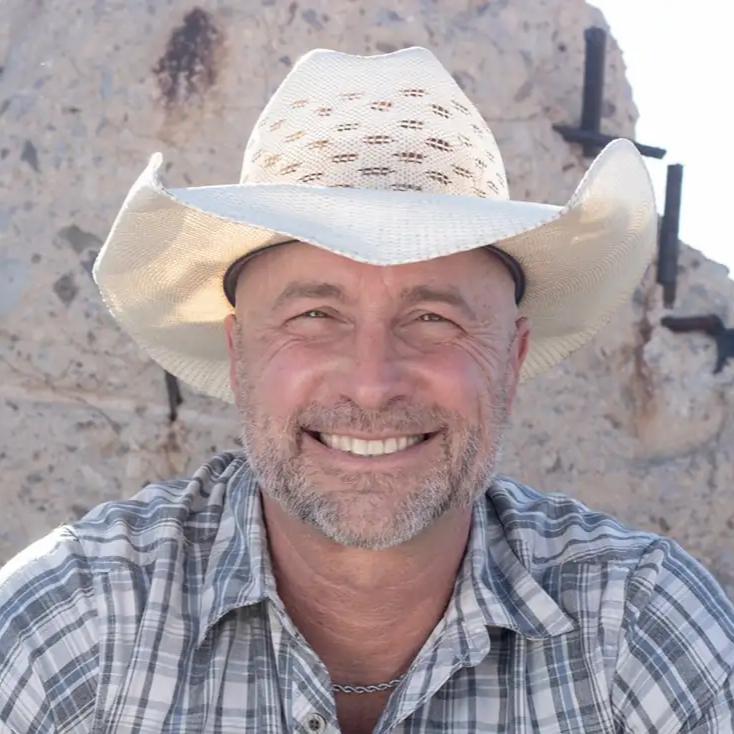
So many men are hurting, but they have been taught to hide it, push through it, or call it weakness.
This conversation is about the silent crisis so many men are living inside of and what can begin to change when we create space for honesty, support, and real connection!
In this episode of The Energy Fix, Tansy sits down with Bill McCamley for an honest and necessary conversation about men’s mental health, emotional honesty, masculinity, and the societal pressures that keep so many men suffering in silence.
Bill shares his personal story, including his own mental health struggles, as well as the work he now does in mental health and suicide prevention. Together, they explore why vulnerability is often viewed as weakness, how men are taught to disconnect from their emotions, and why those patterns can have devastating consequences.
This conversation looks at the impact of toxic masculinity, media influence, male friendships, mentorship, community spaces, and the need for targeted mental health resources for men.
Tansy and Bill also talk about what actually helps: asking better questions, creating safer spaces, challenging outdated beliefs about masculinity, and helping men build the kind of connection and support that can change — and even save — lives.
This episode is not about blaming men.
It is about understanding what so many men have been carrying, why they may not know how to ask for help, and how all of us can be part of changing the conversation.
Listen & Watch
🎙
Listen & Watch 🎙
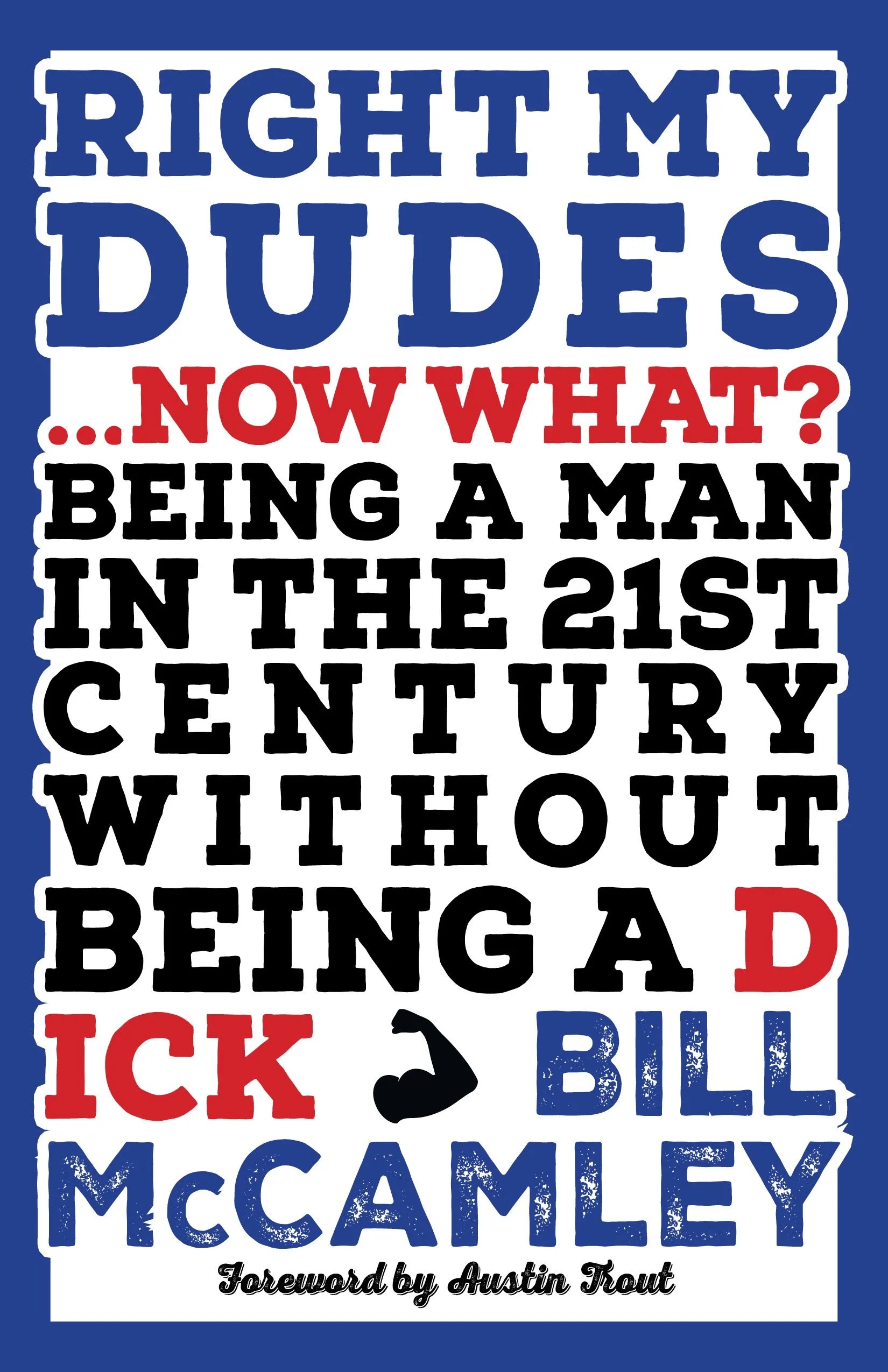
Purchase his book!
What We Cover
In this episode, we talk about:
Why men often associate vulnerability with weakness
How societal expectations shape male behavior
The mental health crisis many men are facing
Bill’s personal story of struggle, recovery, and advocacy
Why men may avoid asking for help
The impact of toxic masculinity and masculinity myths
How media and culture influence men’s emotional expression
Why male friendships and mentorship matter
The importance of safe community spaces for men
How emotional suppression can affect health, relationships, and well-being
Why targeted mental health resources for men are needed
How education and policy can support men’s mental health
Practical ways men can begin seeking help and building connection
Why asking someone directly can matter more than we realize
Key Takeaways
Men are often taught to equate vulnerability with weakness
Emotional suppression can increase isolation, shame, and risk
Men’s mental health is a public health issue, not just a personal issue
Safe spaces and community support are essential for men’s emotional well-being
Male friendships and mentorship can play a powerful role in healing
Challenging harmful stereotypes around masculinity can save lives
Asking direct, compassionate questions can open the door to real support
Emotional honesty benefits men’s health, relationships, and sense of connection
Education, workplaces, and policies need to include targeted support for men
Everyone has a role in changing the way we talk about masculinity and mental health
Favorite Quotes
A few moments you’ll want to remember:
“Friendship is not weakness. It is infrastructure.”
“Real toughness isn’t shutting down. It’s learning how to carry it.”
“We need to stop waiting for the breakdown to have the conversation.”
“Strength is not pretending you’re okay.”
“Men’s mental health is not a side issue. It’s a life-or-death one.”
“If you love a man, ask him how he’s really doing—and mean it.”
“If you want to be a protector, provider, or leader, you can’t ignore your own stuff forever.”
“A lot of men are taught that being weak is worse than being hurt.”
Chapters
00:00 – The Men’s Mental Health Crisis
02:00 – Why Vulnerability Can Feel Like Weakness
03:55 – Bill McCamley’s Personal and Professional Journey
08:04 – Toxic Masculinity, Media & Cultural Pressure
11:51 – Community and Safe Spaces for Men
16:06 – Struggle, Recovery & Emotional Honesty
19:54 – Policy, Education & Mental Health Support
24:00 – Practical Ways Men Can Seek Help
28:00 – Vulnerability, Friendship & Connection
31:57 – The Future of Men’s Mental Health
59:48 – Closing Thoughts and Call to Action
Why This Episode Matters
Because men’s mental health is not a side conversation. It’s a family conversation, a relationship conversation, a community conversation, and a public health conversation. And for many men, the pain does not always look like what people expect.
It may show up as:
pulling away from people who care
anger, irritability, or shutdown
refusing help even when things are falling apart
joking instead of being honest
working more, drinking more, numbing more, or staying busy
believing that needing support means being weak
not having friendships where deeper conversations feel safe
And the heartbreaking part? A lot of men are not struggling because they do not care. They are struggling because they were never taught what to do with pain, fear, grief, shame, or vulnerability.
This episode matters because Bill brings honesty, lived experience, and urgency to a topic we need to talk about more openly. Men need safe places to be human. They need friendships where someone will ask the real question. They need role models who show that emotional honesty is not weakness. They need support before crisis becomes the only language their pain knows how to speak.
And all of us have a role in creating a culture where men do not have to suffer quietly to prove they are strong!
About Bill McCamley
Bill McCamley is a former politician who now works in the mental health and suicide prevention space, with a focus on helping create more honest conversations around men’s mental health, emotional support, and the pressures men face.
Through his work, Bill brings personal experience, public service, advocacy, and practical insight into the conversation around masculinity, vulnerability, community, and the importance of helping men seek support before they reach a crisis point.
His work is rooted in the belief that men need connection, honesty, and safe spaces where they can talk about what they are really carrying.
Links Mentioned In The Show
Website - BillMcCamley.net
Facebook - @BillMcCamley
Instagram - @BillMcCamley
TikTok - @BillMcCamley
Threads - @BillMcCamley
YouTube - @BillMcCamley
Just Thrive & Just Thrive Probiotics: Save 15% off your order by clicking here!
Support Beyond The Episode
If this conversation hit home, and you’re craving deeper support (not just ideas, but real integration):
Join the newsletter →
If this episode made you think of a man in your life, reach out.
And if you are a man listening to this and something in this conversation felt familiar, please know this:
You’re not weak for needing support. You’re human and allowed to talk about what hurts. You’re allowed to be helped.
If you enjoyed this conversation, follow or subscribe to The Energy Fix, leave a review, and share this episode with someone who may need a reminder that emotional honesty, connection, and support can change everything.
Transcript
-
Bill McCamley (00:00.046)
Men are 75 to 80% of suicides in this country, 70% of overdose deaths, 44% of men have thought about killing themselves in the last two weeks, even if it was only a fleeting thought. This is the one that scares me the most. 15 to 28%, depending on the study you look at, of young men admit to not having a close friend. Not having a close friend. And there are so many fellas right now that feel very confused about.
How to be in society. I will give you an example. Dating. Guys hear different things all the time. Don't talk to me in the bookstore. Don't talk to me in the bar. Don't talk to me in the gym. I'm doing my thing. So, guys, after me too, most of us do not want to be creeps. We don't want to be seen as rapists or whatever. And so what do we do? We withdraw.
Tansy Rodgers (01:01.56)
Welcome back to the Energy Fix, a podcast dedicated to help you balance your energetic body by diving deep into the sweet world of all things health and spirituality. My name's Tansy, and I'm an intuitive Crystal Reiki energy healer, energetic nutrition and holistic health practitioner, and a crystal jewelry designer. It's time to talk all things energy. Let's dive in.
Welcome back to the Energy Fix Podcast. Thank you so much for being back here again with us today. Today, I am really excited to bring in today's conversation because this has been sitting very heavy on my heart for quite some time. And I think it's an important topic that we're going to be diving into. We're going to be talking all about men, mental health, emotional honesty, and the things that many men were taught to just carry alone.
This is a conversation that, like I said, I've been wanting to talk to for quite some time because I hear so many of my male acquaintances and colleagues mention this, talk about this, get stuck in old behaviors and patterns that just aren't serving them anymore. And I think having this real conversation is something that doesn't get attention like it really needs to.
I want to be clear from the beginning that this conversation is not about blaming anybody. It's not about shaming anybody or turning this into any kind of a gender debate. It's about getting curious about what men have been taught about weakness and strength and help, emotion, loneliness, survival. I have seen that a lot of men were raised with some version of get tough.
Handle it on your own. Don't cry. Fix it yourself. You can't ask for help. And then we wonder why so many men struggle to name what they're feeling or to reach out for support when things start to get bad. My guest today is Bill McCamley. He is a retired politician with a master's from Harvard who has served as a county commissioner.
Tansy Rodgers (03:26.814)
State representative and New Mexico Secretary of Labor. He now works in male heavy workplaces around mental health, suicide prevention, and substance use. We're going to talk about where men are right now, what stops them from asking for help, the loneliness piece, pain Olympics, mentors, competition versus conquest, so many things.
And I also want to say that before we begin, I want to make sure to say, listen to what you need. Please take care of yourself as you listen to this. If something stirs something within you, pause if you need to. Reach out to someone that's safe or to crisis support in your area if you need any immediate help. All right, Bill. Let's dive in. Welcome to the show.
Bill McCamley (04:24.706)
Thanks so much for having me on. And I just want to add one thing. I appreciate the preview coming in for if you feel certain things. I teach a suicide awareness class. Yeah. And we always say, look, some stuff can come up here that you may not even know is there. As you're leaving, just give me a thumbs up if you're going to the bathroom. If not, hey, I'll know to check on you. But the other thing I'll say is there is a national crisis support line. You can dial or text 988-880.
24 hours a day. It's completely anonymous, completely free. There are trained volunteers on there that know how to talk to folks. You can text them as well. So if anybody is going through any of the stuff, please know that that is a nationwide free anonymous resource available for all y'all.
Tansy Rodgers (05:11.394)
Thank you, Bill, for putting that out there. Yes. Beautiful way to start out the conversation because again, like you said, triggers can come up and you may not even realize. So yeah. All right. Well, let's just really start in with the question that I think holds the ground and the foundation of this entire conversation. And that is what did men learn it would cost them to be honest and to be vulnerable?
Bill McCamley (05:39.746)
Yeah, that is the question. And as we are growing up as boys, what is the one thing that you fear? And the word is weakness. I I felt that growing up as well, but there's a lady out in Utah who I talked to for the book I just wrote, Write My Dudes Now What? And she works with ninth grader. She's actually studying counseling and psychology with her PhD.
But she works with ninth graders and she always asks the boys every single class, what is your biggest fear? And hands always go up. And the number one thing is, I can't be weak. If I am seen as weak, I am not a man. If I am seen as weak, I am not strong. I am not a provider. I am not a protector. I am not all those things that we are taught early on. And so for a lot of men to admit quote unquote weakness.
It is antithetical, for lack of a better word, to everything that your soul was raised that you should hold up and value yourself on. In fact, I actually just wrote a piece last week. I was talking to a good friend of mine who had been in Congress for a couple of years, but she works now trying to do sustainable policies for farmers and ranchers. And when I mentioned the work I do mainly for construction workers, very male-heavy dominated.
Field, she said the word we hear in in my community is called farm stress. And that's exactly right. Guys will talk about being tired. They will talk about being stressed. They will say, no, I'm okay, when obviously it's not, right? And so one of the things we have to really fight when we talk about these issues with fellas and mental health is this constant and very, very solid foundation of.
I cannot be weak. I can't show anything. I was talking to one of my guys. I get calls quite a bit now from folks going through problems. And he was like, I have these bands around me and I want to keep them there, but when it breaks, the whole thing goes. And a lot of times when they break, that's when you turn to the booze. That's when you turn to the drugs, the gambling, the porn, and the mental health issues that eventually unfortunate lead to suicide. And I want to say this this has a
Bill McCamley (08:04.834)
Body count. The number one cause of death, the number one killer of men 45 and under in the United States is ourselves. When you add up drug overdose, suicide, and risky behavior, a lot of times auto accidents, that is the number one thing that kills men in this country. We do it to ourselves. And you see these Manosphere assholes online: the Andrew Tates, the Myron Gaines, the Sneeko's, the Nick Fuentes's.
Who have they they continue to talk about those tropes. And they say, if you admit to being depressed, you're a fucking bitch. And and that is what we hear all the time. So rather than get help, rather than take that on, guys just try to internalize it or they drown it in Jameson or whatever, right? And so that's really one of the fundamental things we've got to discuss with fellas moving forward on this. If we want to be healthier, happier people, we
Absolutely have to take this issue straight up head on. And it's also very important to understand how we can do that effectively. I'm actually doing in a couple of weeks a webinar for the Arizona Suicide Prevention Network on how to talk to men about mental health. And there's a couple of themes that I go through. Number one, the language that we already talked about. If you hear a guy saying I'm tired, I'm stressed, I'm in pain, a lot of times it is physical pain, but that can also be a
A sign for upstairs, right? Number two, so much of the infrastructure for mental health in the United States is based around women's issues. And that's again, no blame. Women are the ones asking for help. Guys aren't. So of course, the people who are asking for help, the ones that express a need, are gonna get the strategies for that help centered around what they want. But if you talk to guys about
Holding space and butterfly hugs, and at least the guys I work with, they're gonna tell you, you'll fuck yourself. Okay, straight up. And so what I what I have found effective is you gotta challenge men. You know, I talk about my father all the time. My father was a lieutenant colonel in army, paratrooper, 101st Airborne, two tours in Vietnam, hard, strong guy was raised in the Michigan. His old man worked automatic, Irish Catholic, all the check boxes, right?
Bill McCamley (10:26.078)
My senior in high school, freshman year of college, and I talk about this in the book because it's had a big effect on me. He had his PTSD from Vietnam come back and he would not talk about it. He bottled everything up inside. He let it all fester, and it built up and built up to where he was pissed off all the time. Everything was annoying. He was just, he was a horrible person to be around.
And my mom's about ready to leave his ass at the end of my freshman year in college. And they went off to Massachusetts. his brother-in-law, my uncle Jim, lived up there and had to come to Jesus while I'm on the beach and was like, Mike, what the fuck are you doing? Your wife hates you, she's about to leave you, your kids are scared, they don't want to talk to you, your family's about to fall apart. You need to fix this. And when they came back in July, he went up to the VA. I'm from Las Cruces, New Mexico, so three hours north, and Albuquerque was the nearest VA office.
Once a month, he started going to this speech therapy support group, speech therapy support group, not therapy support group, but speech therapy, right? But he talked with all his Vietnam guys. He got on Lexapro, which is a mild antidepressant, which helped take his OCD off. And when he came back, he got better. And I tell the guys I talk to all the time: my dad was a tough dude. He was in Cambodia, even though we weren't in Cambodia, if you know what I'm saying. He was part of those guys. But the hardest
The toughest thing my dad ever did was get over these deep-seated feelings of self-worth by asking for help or a lack of self-worth by asking for help and getting it. And he saved our family. Like that is the hardest, toughest thing he did. And the last thing I'll say is we need to challenge men to do better. Guys like homework.
In a lot of cases. I I'm definitely one of them. I'm very type A. Give me a checklist. I have a therapist. I go see therapist. And one of the reasons I like the guy I'm with now is he gives me homework. He gives me a checklist. He gives me things to do to help fix my problem. That book, Men Are From Mars, Women Are From Venus, from back in the late 70s or early 80s. I find that actually to be very accurate, where many times, obviously not across the board, but many times women want to be heard.
Bill McCamley (12:42.52)
They don't care about the solution per se, but the process of being heard and being validated and being recognized means something. And frankly, fellas, if you're any of you are listening, you need to learn this shit. Because if you have a girl, mom, sister, wife, girlfriend around, a lot of times when she's talking to you, you don't need to solve her problem. She wants you to listen directly and intently to her. And that's important. But fellas, a lot of times we
Want a problem to solve. So if you give us the tools, a checklist, a flow chart on how to do that, a lot of guys will go do the homework to get that done. So I think those are some of the things we've really got to very much take head on as we talk about these conversations with fellas because the body count's too high. I I tell people all the time, my guys in the construction industry, when you combine them with minors, have the highest death by suicide and death by overdose rate by occupation in the country.
Last numbers we have are 2024. Thousand of our guys died by workplace accident, mostly falls, some vehicle accidents, those sorts of things that you train to be safe about if you're on these dangerous job sites. Thousand across the country. So my guys that I work with, my brothers, are 16 times, 16 times
more likely to die from suicide or death by overdose than they are from all the shit that we're training them to be safe about. And it's because they will not fucking ask for help. So that's a really important thing we got to deal with.
Tansy Rodgers (14:24.782)
Bill, the passion. my gosh, the passion and the things that you've seen. I want to hear your story now. I want to hear about what brought you here. I mean, you have such a diverse background. What made this work personal or really impossible to actually ignore anymore?
Bill McCamley (14:42.038)
Yeah, so I spent my entire early adult career in politics. I went to Harvard and got a master's degree in public policy from the John F. Kennedy School of Government, which is consistently ranked one or two in the nation. They always get pissed when Syracuse is ranked above them, but whatever. And I was good at it. I had been president of the student government in my undergrad school at New Mexico State. Went to Harvard, came back, ran for county commission.
In my local town. I was twenty-five years old, got elected, became chair right away. I thought I was pretty good at it, ran good meetings, worked on a lot of healthcare policy, economic development policy, did a lot of ethics, stuff in government, which is big deal going on right now. Thought I was real hot shit, ran for Congress in two thousand eight, damn near won. I lost my three and a half points on a primary to a guy who gave himself half a million dollars. I think I gave myself about five grand.
Ended up in the state house of representatives a few years years later, did six years there. I worked on things as diverse as tax policy. I'm a tax nerd from a government perspective, and that's really important because if you don't bring the money in, you can't pay for things like roads, schools, all the things that we really care about. But I also did cannabis legalization. I did aid and dying. you know, my father, who I just talked about, passed away in 2014. He had what Bruce Willis has now, which is a degenerative form of aphasia.
And the way the VA doc described it to us, it was like the symptoms from Lou Gehrig's disease, except Lou Gehrig's disease tends to be a fairly steep decline. My dad would get a little worse and plateau, get a little worse and plateau. And this went over for four years. But I tell people, because he manned up, because he did the hard thing, all of our family was around for that process. Everybody did everything they were supposed to do, and it sucked.
But it was so much better than if he would have died alone for all of us. And so that's great. But I ended up in the cabinet for Governor Michelle Lujan Grisham. I was the secretary of workforce solutions. I had always been an economic development workers' rights guy. And so I chaired the labor committee when I was in the legislature and got to work on minimum wage issues and and protecting other safety procedures, that sort of thing. And so when I got in, first year and a half was great, man. I
Bill McCamley (17:04.27)
I was working on apprenticeship policy, real nerdy. I like that sort of thing. I was working, my pet project got done, and it's still going today. This is one of the best things I've ever done. I created a statewide championship for high school students to compete in science, technology, engineering, and math. And my argument was this it's like, you guys go into athletics in high school, you are point zero zero zero one percent chance of being pro in athletics in any kind of level. I'm talking NFL all the way down to my sister played.
semi-pro ultimate frisbee for 60 bucks a game, right? That percentage. You go into engineering, you go into healthcare policy, you go into computer science, 100%. 100% of you will go pro. And I got that done and it was great. And then COVID hit. And unfortunately, the unemployment office in New Mexico is under the cabinet department that I was in charge of. And Congress decided when they wanted everyone to stay home for COVID because
They were worried about people dying. And let let me be honest with you, my hometown at one point had seven trailers, frozen trailers, because there were too many bodies in the morgue. the Native American populations in New Mexico, they were like, stay home, wash your hands. Well, the Navajo Nation, 25% of the homes don't have running water. And everything is communally oriented. So it hit New Mexico really, really hard. And we also have one of the states with the least amount of hospital beds per capita across the country. And our governor was just terrified.
Of overloading the hospitals. Because remember, if you're full of COVID patients, if someone breaks their leg, can't get in the hospital. They get cancer, they can't get in the hospital. So that was all part of the discussions. And so whenever people had to stay home, they would go on unemployment. The unemployment was the system was designed in 1937 for an economy that does not exist today. And I I can write a master's thesis on it. I will not bore your people with that. But what I will say is there were all these problems. And New Mexico's a small state. There's only two million people in the whole state.
And so, you know, a week or two in, people were having problems getting on unemployment and everyone was calling and they couldn't get through. So they'd start emailing their state legislators who knew me, who would email me, and I would try to get their stuff fixed. And they would be like, this guy helped me. And they would spread my email everywhere on social media. It got to the point where I was getting a thousand emails a week for probably 13 months in a row. Please live in my car.
Bill McCamley (19:29.046)
I'm losing my kids. I'm gonna kill myself. My neighbor tried to kill themselves. It was over and over and over. And the need was just vampiric. And that sucked. And Congress kept changing their goddamn minds on what kind of benefits were gonna be allowed, what not allowed. They changed the levels of the money and not money, and they didn't tell anybody that we were the ones that were administering it.
And so I was the one that had to go on TV all the time every other week and explain to people, hey, this is where some issues might be coming up. This is where you might be having problems, whatever. it I was miserable. I had a panic attack a month in where I literally faked it in my office. I wasn't sleeping at all. Kind of got through that, did a little bit better. But we had a car bomb at one of our offices the Monday after Thanksgiving in 2020.
my girlfriend and I didn't make it. I had been with her for seven years. I was miserable. It just wasn't working out. And, you know, I heard during COVID it either brought you closer together or exacerbated some cracks that might have been there. I was unfortunately in the second category. And, you know, eventually there were some bad death threats and someone got my mom's address. And that's when I quit the job and moved to Austin, Texas with a car and four bags of clothes. But
one of the reasons I'm doing what I'm doing now is second week of January 2021, I was done. I was just done. And I had my old man's old 12 cage and I put it under my chin, reached down to pull the trigger because I had gone online that day. And Google actually does a pretty good job of putting filters in for people that are looking to kill themselves. but it took me a good couple hours, but I finally found some websites and I found one that said, Look, you want to do this.
You don't want fuck around. Don't mess with knives. Don't mess with pills. Don't mess with rope. You get a shotgun with a buckshot or slugs. You put it right here under the chin and you aim for your amygdala, and that'll do game set mash. So I reached down to pull the trigger and I did not do it for two reasons. Number one, you know, my mom was still around, but I also had the dog in the split up. And the dog's sitting there in my studio apartment that I was living in after the breakup, looking at me. I'm like, Who's gonna take care of the goddamn dog? And I only had bird shot.
Bill McCamley (21:44.236)
Instead of buckshot. And that was not gonna do the trick. So rather than going buying slugs and buckshot the next or buckshot the next day, I called my boss in the governor's office. I said, Teresa, you know, I almost painted the walls with my brains last night. I I I can't do this anymore. And she said, Can I get you help? And she talked to another guy in the governor's office who had been a firefighter and been in the union there, and he knew this.
Therapist that was working with all these firefighters on the exact same kind of traumatic shit that I was going through. And he they hooked me up with this guy and he was great. His name's Troy, did just an amazing job with me. And that's the reason I'm here today. But I'll tell you, I only got help when someone asked if I needed help after almost blowing my head off. And guys, don't be where I was. Don't put that shotgun under your chin. It's not a good
Place to be. And so as I'm writing my book last year, I had just finished writing the chapter on mental health, which took me three days to start. I am one of those guys that finds this very hard to talk about. And I'm writing this book and I write about the public policy stuff. I'm killing it. I'm doing all this stuff about the manosphere and Andrew Tate. And you I'm just writing away. I get to the chapter on mental health, which was like chapter 12, and I'm sitting in this coffee shop, Tansy, three days.
Three fucking days of not doing anything. Finally on the third day, I write, I'm bad at this shit. And it finally starts coming out. But I was talking about that with an old friend of mine who runs the construction trades unions in Albuquerque. And he wanted me to work on another project of his. But I this stuff came up and he's like, Yeah, two of my apprentices killed themselves in the last year. I said, Do you want me to come talk to your guys?
Because writing this book, I realized there's not a lot of men talking to other men in language that we can understand. They're just not out there. You know, 76% of mental health therapists out there are female. And some of them do a very, very good job. But imagine every gynecologist is a male. I know women have had to deal with that before. And some of them are like, hey, that's not a great thing. Same thing on our side, right? And I said, can I come talk to you guys? They said, Yeah, I went.
Bill McCamley (24:00.204)
And did it. It was really good. I'm a good public speaker and I've obviously been through this stuff myself. One thing led to another. And now my current role is to help organize mental health suicide awareness and substance use programming in the construction trades, which have the highest levels of suicide and overdose. I'm doing that job right now in New Mexico and Texas. I'm actually going out in a couple of weeks to Florida. A buddy of mine runs a firefighters union out there. He wants me to talk to them. And so
All these guys, it's it's all the same. It's the same guys with the same problems, with the same internal hurdles that we got to get over. But the conversation has to be direct. It has to be strength-based. It has to be, and it's important that a man gets up there and admits a little bit of a problem. Because when a man, look, I'm six foot two, 100 pounds, I'm not a box, like I'm I'm not a wuss, and I almost kill myself. And men sometimes have to have.
permission from other men to be able to do this. And it's funny when I'm giving these talks, Tansi, like sometimes during the talks I'll get some feedback and I need some. Usually bring Snickers bars and throws them out because you know, all these guys love candy bars. After the talks, 100% every time I get guys coming up to me, brother, I'm in recovery. Thank you so much for talking about this. Hey, I'm going through some shit. Can can I talk to you about doing this? Hey, I got some friends over here. One guy
The first time I gave that talk in October last year, it took some guy five months to call me. Five months. He called me on a Sunday in March. I'm literally working out. He'd already done two lines of Coke and three or four beers and just crying on the phone. It took me 10 minutes to get who he was and why he was calling. But he had taken the picture of my phone number at the talk. But it literally took him that long to work himself into a state where he's like, I gotta get help.
And so that's kinda my story and and why I'm doing what I'm doing and hopefully that kinda illuminates some things from some other fellas and and maybe also some women who maybe want to know what guys go through.
Tansy Rodgers (26:05.536)
If you're listening to this podcast episode, there is a really good chance that you're the person who holds a lot. And sometimes the issue isn't that you need more information. Sometimes you need your system to feel safe enough to actually integrate what you already know. That's what my Soul Stream and Enlightened Sessions are for. They're intuitive, energy-based sessions designed to help you recalibrate.
Emotionally, energetically, physically, and in your nervous system so you can move through life with more clarity and less internal noise. People book these when they're feeling stuck, overloaded, anxious, emotionally heavy, or like their energy isn't fully theirs anymore. And we work with that. We work with what's present, clear what's been lingering, and help you come back to center in a way that feels grounded and real.
If you want to book a session or you want to simply know more, you can head on over to tansyrogers.com or jump down into the show notes and click the link that will take you directly to those services. And if you're not sure which session is the right fit, send me a message. I'll help you choose. I'll help to guide you in the right direction. All right, let's jump back into this episode. Yeah.
Bill, first I want to say thank you so much for sharing that and for being so open and vulnerable. I mean, that is that is really, that is really deep and and on a level of vulnerability that I don't think a lot of people, but especially women, actually hear men talk about. If your dog was there or here right now, I would give your dog a high five for thanking him. Is it a him?
For thanking him. Yeah. Thanking Cooper to being that inspirational support for you that you're still here. My gosh. But you know, the thing that also, as you were talking, I couldn't stop thinking about how really your story is so it's so vulnerable, but unfortunately is probably not as unique as what we might think that it could potentially be, right? Yeah. And so
Tansy Rodgers (28:29.942)
As I was preparing for this conversation, I asked a version of this question for men and for women. I because I I I think that you're absolutely spot on. Hearing this from the mouth of people, looking at what real people are saying and real people are feeling and needing is so critical in this conversation. Just with how you shared your story, is a great example of that, right?
So as I was preparing for the conversation, I was asking men and women this question, the variations of this question. And that is for men, what is the biggest thing stopping you from asking for help when you need it? And for women, what is the biggest thing that you want to better understand about men? All right. And so, and so I didn't want this conversation to stay theorical. I want or thoretic theoretical.
Theoretical, theoretical. I'm getting that word. Theoretical. Thank you. I couldn't get that word out. Thank you. Because this isn't just men talking about their feelings. It's not that kind of conversation. I want it to be really real. Now, one response that I received from a man really stopped me. And I want to read part of it because I think it says a lot to this quiet part that just doesn't get expressed.
And and I'll also talk a little bit about what some other people are saying, but I just wanna I wanna share this with you. Can I read what he wrote? Okay.
Bill McCamley (30:01.902)
Please, please.
Tansy Rodgers (30:06.145)
So he said
Outside of someone who I truly trust, I guess I just don't think anyone gives a shit. Growing up being a guy, it was always a get tough or get fucked kind of attitude. And that was the energy coming from people who should have been guiding you. I found out early on that no one really gives a shit. And if you are talking about emotionality, no one gives a shit about guys' emotions. No one cares until a guy is dead.
And then all they say, I wish there was a sign, or I wish I would have reached out sooner. But the fact is that I don't, that they don't care unless or until a guy is actually dead. Emotions make a guy look weak. I know this isn't actually true, but that is the unspoken narrative growing up. If you look weak, guys will make fun of you. If you look weak, girls won't like you and you'll be alone. You'll get beat up.
Or into fights because people like picking on the easy targets. So when you see this, even though it's not technically said out loud, asking for help or showing emotions will make you an outcast. At least in the 80s and 90s it did. When you hear that, Bill, what does that bring up for you? What do you have to say to that?
Bill McCamley (31:22.742)
Mm-hmm. yeah.
Bill McCamley (31:31.582)
Let me give you a couple of responses. The first is when I wrote the book, I wanted to be very non-judgmental. But the whole point of being a dude in today's society is you have a needle to thread. And that is this. For centuries, the rules of society have been set up to benefit us.
Women didn't get the right white women didn't get the right to vote until nineteen nineteen. A lot of black women, it wasn't until the the sixties and seventies. women didn't sit on juries for a long time until I think the sixties, couldn't get a credit card without a male cosigner until the seventies, couldn't get a no-fault divorce until Ronald Reagan of all people, when he was governor of California, signed that in nineteen seventy. And you saw the amount of
Female suicides, domestic violence, rapes, female depression. You saw all those rates go down because they could get out of bad relationships easily. Women couldn't get a business loan in this country without a male cosigner across the board until 1988. I was 10 years old. Okay. This is not ancient history. And so, and and look, let's be very, very honest. If I'm a woman who's been raped, there's a person.
In the White House right now, as president of the United States, who was found guilty, was found liable by a civil court of sexually assaulting a woman. And the Supreme Court just upheld it. And who does he trot out as these role models for young men? Pete Heggseth, his Secretary of Defense, had his own mother write him a letter saying, stop abusing all of these women. His own mother wrote it. He trots out Lawrence Taylor.
Who, if you don't know who he is, he was a linebacker defensive end for the New York Giants in the 80s, who Trump loved because he lives in the 1980s. This guy is a sex offender. He had sex with a 16-year-old when he was 51 years old. She was a prostitute. That is rape. It is rape because if a woman doesn't have the cognitive functionality to say yes to you as an adult, you are raping her. And Trump wheeled him out last year and put him on this board for athletics as a role model for young men.
Bill McCamley (33:51.34)
So, fellas, if you're listening to this, we have a responsibility to understand what women are seeing right now. And 20% of women in this country admit, so it's probably even more, either that they were raped or someone tried to rape them. 48% have been sent a dick pic without any kind of consent. There's all sorts of issues still with sexual harassment. That low. Again, admits, right? So it's probably higher.
Tansy Rodgers (34:16.388)
That lower percentage.
Bill McCamley (34:21.605)
On the flip side, and this is where we gotta walk and shoe gum at the same time. I I I was a Democrat politician. I've been on the center left of American politics for years, right? And all that stuff's important. But on the flip side, we as a society and a lot of women who make up the vast majority of teachers, mental health therapists, the Democratic Party, et cetera, also have a responsibility. Because guess what? Men are 75 to 80 percent of suicides in this country.
70% of overdose deaths. 44% of men have thought about killing themselves in the last two weeks, even if it was only a fleeting thought. This is the one that scares me the most. 15 to 28%, depending on the study you look at, of young men admit to not having a close friend. Not having a close friend. And there are so many fellas right now that feel very confused about how to be in society.
I will give you an example, dating. So a few weeks ago on The Daily Show, Leslie Jones, the comedian, goes on one of her rants. And she's funny and she's really good at hitting her audience. And she goes, she's like, there's this study that came out and said that 48% of young single men have not talked to a woman in the last year. We're not that hard to talk to. And then she goes up. The funniest comment she's making, she's like, and you don't know how to have sex? I have seen you.
We're a game of Madden in 20 minutes. We have one button. You need to know how to press. And it was very funny. However, what she didn't mention is that same study, 70% of young single women want men to approach them. That's what they say in the studies. But guys hear different things all the time. Don't talk to me in the bookstore, don't talk to me in the bar, don't talk to me in the gym. I'm doing my thing.
The number one song in the country from late October last year was Sabrina Carpenter's Manchild. And if you listen to the lyrics, what she performed this at the Grammys. What did she say? Men are terrible in bed. How can Prudy be so dumb? And you're approaching me? Get the fuck away from me. So
Bill McCamley (36:36.246)
Guys, after me too, most of us do not want to be creeps. We don't want to be seen as rapists or whatever. And so what do we do? We withdraw. There are anywhere between 213 and 220 million AI girlfriends that were downloaded worldwide in the last four years. That is not a joke. 60 million in the first six months of last year alone. Because men have their dopamine centers triggered.
By these basically chat GPT type clones that are made to look like girlfriends because they're so confused a lot of times about how to interact in society. And the other thing I'll say is this we need to do a better job creating places and structures for men to get positive role models and places they can talk to other guys. If you look across the country, all the places that guys used to go to be together, barbershops going away, bowling alleys.
Almost non-existent. Bars are going away. Scott Galloway, who does a lot of really good work on this sort of stuff nationally, you know, he's got a very sexy haircut, more popular than me. But he lived in London for a few years and he said, on average, there was a pub a day closing in England. Now that's up to two a day. And while young people aren't drinking as much, they're just not socializing. And so all those places that men would go to be with one another are going away. The Boy Scouts are not the Boy Scouts anymore.
It's Scouting BSA, and there are girl members of the Boy Scouts. And so a lot of these young men, what do they see? If I'm 16, 17 years old, that stat I quoted you about the business ones from 1988, that is ancient history to them. That is far away. And what do they say? In my hometown, there are something like 11 programs in the public schools to help girls. There's girls in STEM, girls in business, the Girl Scouts.
Et cetera, and so on. There are no programs for boys. I'll give you, I'll give you example. I applied last year, excuse me, this year, to the clinical counseling department at New Mexico State University because I wanted to get the tools that I needed to do this work. And I figured I should have a good shot at getting in. I graduated from that university in 2001 with a mat with a bachelor's degree with honors. I was president of the student government. I have a master's from Harvard. I've done all this great work. I was denied.
Bill McCamley (39:02.38)
And so as a just an exercise, I IPRID and asked, how many men have you taken into this program over the last four years? There were 47 total slots. How many fellas do you think they took?
Tansy Rodgers (39:18.221)
Two
Bill McCamley (39:20.118)
Five. There were three either transgender or non-binary folks, five identified as guys and the rest were women. Now, I also didn't have the prerequisites some of the other folks had as an undergrad. That's fine. But what I will say is this that same university in 2006 created a problem a program called Women in Computer Science, because it was only 8% in the computer science program. And the guy who was the program director said, So we need more diversity. There's underrepresented people here.
Tansy Rodgers (39:20.77)
Five.
Bill McCamley (39:49.42)
And it got up to like 22%, like 10 or 12 years later. It worked. The engineering college, my my school in New Mexico State, very known for their engineering program, created all of these programs, women in engineering and all these programs in the high school level to prepare people to get in there. And the school was just recognized two years ago for their diversity. 49% of the chemical engineering programs were women. They had a whole program through the
One of the business incubators that was celebrating women entrepreneurs. I looked up the statement of the last lady that won it. She's like, this is so great because you don't see people that look like me in all these places. And those are good programs. They work and I am glad they're there and they need to keep existing. And a lot of boys are coming up and they're seeing all these programs for all of these women and girls, and they don't see their help when.
Let's look at the educational statistics. Boys are four times more likely to be expelled and two times more likely to be suspended out of school than girls. They are they graduate at a lower rate. So girls graduate about an 89% rate, guys are about 84%. Now you may say that's only 5%. Over the course of a lot of people, that's a lot of fellas. And why is that important? Because you're eight times more likely to be in the criminal justice system if you do not finish school.
70% of valedictorians last year were girls in high schools. And they're entering college more. So the entrance rates are about 5743, might be closer to 6040. And because men drop out of school more, the graduation rates sometimes are closer to two-thirds and one-third. Now, what does that mean? That means that women are getting more jobs as managers. They're getting more jobs that pay more salaries. And that hasn't real economic effect. I'll give you two stats. Number one,
There are 40 million American men now out of the workforce completely. Now, some of those are retired and some of those are in school, but that number is as high as it's ever been. And a very, very good chunk of them are the dudes in their mama's basement, jerking off to AI porn, playing Call of Duty all day. I know you're laughing, but it's not funny. It's a really horrible place to be. The other stat I'll say is exactly along that line.
Bill McCamley (42:13.272)
Between men and women between the ages of 25 and 35, there are twice the amount of men still living at home with their parents as women. And so it this is not rocket science. It basically breaks down to: I'm not gonna ask a girl out if I gotta take her home to mama. Right? And so these are the statistics that I hope we understand because a lot of times we've treated, and frankly,
People on my side of the aisle have treated people that look like me as problems to solve rather than people who need help and representation. Barack Obama said it best. He said it on his wife's podcast last year. We've always thought that boys were gonna be okay, because in general, they've always been okay economically. That's not the case now. And if we don't recognize that and take this problem head on, there are consequences.
Ninety-seven percent of mass shooters in this country are young, angry men.
Yeah. My rant is done.
Tansy Rodgers (43:14.392)
Cool. I love that. And you know, I wanna I wanna touch on something here that's going to potentially be very triggering to some listeners and maybe even controversial to some people, but let's go there. I wanna talk about the whole feminist movement. Listen, I I consider myself more on the feminist side.
Right. Like I very much believe in that. I think it is amazing the progression that has happened and the evolution of feminine power and all of this expansion and all of this progress. Right. And also, Bill, and also, there's so much unhealthy, toxic feminism that just runs wild, that runs wild. And people mistake that for healthy feminism.
And so as you're talking, I'm thinking about through all of this unhealthy feminism viewpoints and attitudes that are actually more toxic in nature. Men are getting missed, knees are being pushed down, men are getting made fun of, and men's masculinity is starting to really get crushed by this unhealthy feminine attitudes and ideals. You named it in so many things that you just said. And listen, I want to be clear.
To everybody that's listening, I believe in this stuff. And also, so much that's running around is very unhealthy. Do you know, Bill? I I cringe. I silently cringe inside. Every time that I'm out at like an antique shop or a thrift store or just a regular department store or whatever, and I see one of those stupid plaques or those, those like little sayings that are making fun of.
Of men's masculinity or things about them in comparison to the woman or the female side or the wife or whatever it is, it makes me cringe because all I can think about is what is this actually doing to the mental health of our men? We have to have men and women in this society. We have to have that evolution of both. We need each other. We are just
Tansy Rodgers (45:33.89)
Fighting each other with all of this nonsense that gets spread around. All right, my rant's done.
Bill McCamley (45:42.318)
No, no, no. I I I'd like to now, first of all, I'd like to preface this by saying there are many feminists out there who do not believe in that we need to go this far. Okay. I agree. A lot of women who are very pro-women, obviously recognize stuff, but that don't. However, there are some that out there, and a lot of guys, this is what they see. And so they think women think this about them. I I'm going to read some quotes from my book.
My introduction to the book, I have three quotes from newspaper articles I found. Quote, Feminism isn't enough. It's time we demand male oppression. It was the headline of a column in the Oakland Post. Next, quote, hating men is absolutely the right of women. In fact, it is our prerogative. End quote. And the the column was called Feminist Fallacies, Women Shouldn't Hate Men. In another one in the Washington Post, it was literally called the title.
Why we can't hate men. Or excuse me, why can't we hate men? That was the title of the column. And so that was my introduction. I would also say that when I I I posted some of the chapters of my book on Substack to get some some feedback and help get some real-time editing. And when I posted a chapter on it's it's basically say, Hey Democrats, do you even want us anymore? Because until last year.
There was a website that the Democratic National Committee had that had a page called Who We Serve. There were 16 points on there. One of them was just women. I was not on there. And I gotta tell you, Tansy, that pissed me the fuck off. I'm like, I spent 20 years of my life. I I was one of the teams that got gay marriage in New Mexico two years before Ogber fell. And I am not gay. when the governor of my state tried to remove.
Rosa Parks from the school curriculum, the testing regime, I fought the hell out of it. I am neither black nor a woman. And yet you don't want me. That was the message. But here is some of the feedback I got from women on social media. Quote, men are the problem. Quote, what we want you to say it with us that men as a whole are terrible. Quote, you won't catch me worrying about men's mental health again. Quote.
Bill McCamley (48:07.424)
Yes, men and yes, statistically straight white men are the problem. Quote, this one was at me specifically. You've lost your seat at the table. And the last one, I love the male loneliness academic because it's only happening to shitty men, and shitty men can't take that. I quoted those in my book. And I did it for this reason. I was part of the male loneliness academic. One of the reasons that I had a shotgun under my head.
Was because I felt alone. When when I teach a suicide prevention class, being alone is one of the three legs of a stool, which leads to high suicide risk. So when I hear women tell me that, the message that I hear is go ahead and blow your fucking head off. We don't care. You're fine. Now, again, I know that some of these women probably had some really, really bad things happen to them statistically by guys. And I try to be very understanding of what might
what that might look like and might feel like. But if we get into this pain Olympics where my pain is greater than yours and you're not listening to me and we don't listen to each other, I realize, I know that I have a responsibility as a guy who looks like me to fight the rape stuff. I I also feel responsible for fighting for things like abortion rights. I did a video the other day where I talked about how I got a vasectomy
the same year that Roe versus Wade was reversed because I didn't want kids. And I'm tired of birth control always being on the woman in the society. That is my responsibility. And I really believe that men need to take that up. And we got to walk and chew gum at the same time. And if we don't recognize that this epidemic of dudes blowing their heads off and guys dying of fentanyl and people withdrawing and not wanting to get into the world, that does not create a healthy society. And we've got to do both.
Tansy Rodgers (50:02.19)
And so let me follow up with that with the Pain Olympics. How and maybe maybe this is more from a woman's perspective, but how do we make space for men's pain without turning it into a competition?
Bill McCamley (50:24.332)
Ask them.
Tansy Rodgers (50:25.666)
Mm.
Bill McCamley (50:26.998)
Lot of people won't ask guys how they're feeling and mean it. Also recognize when a guy says he's stressed, when a guy says he's tired, that is code for I might be sad, I might be depressed. I tell guys all the time, like boys, we have the hardware to have fucking emotions. You know how I know this? I'm a sports guy. If you go to any game, you will see a man hug another man.
In person, either in sadness or in joy. You will see a man cry if they win a championship, either in sadness or in joy, if they lost or if they won. You will see frustration, you will see pride, you will see every range of human emotion available at a fucking football game. So we have the hardware. And what I tell fellas is this, look.
When you're talking to the guy at the bar about the game, you're like, hey, man, I'm worried about the quarterback who had his ACL blown out. You could say, hey, look, I'm worried about when I went to a doctor's appointment and I might have something going on. When you're worried about a choice that was made and someone that let go from the team, hey man, I got my second warning at work. I'm really worried about losing my job, you know, divorce, kids, all those sorts of things.
I I tell guys it's our responsibility to learn how to learn how to do that. But I I would say to women, learn how to understand that when men are saying certain things, that's what they mean, and maybe ask further questions. Also, what I hear a lot of times from guys is when women compliment a guy, it is the most amazing feeling ever. We we don't get compliments very often. We just don't. and so that might be something that might work to help get a guy to loosen up. I would also say though, it's important for men.
To go out and have good relationships, platonic relationships with other guys in spaces where we can be. And I will say a lot of women want this too. It used to be the trope was back in the 60s and 70s: if the guy goes out to the bar and comes back at night, where the fuck were you? I wanna see you, blah, blah, blah. Now, what I hear from a lot of women is I have girlfriends. I have a support mechanism outside of my relationship with you where I can help.
Bill McCamley (52:47.264)
my emotions be unburdened in the way that we all get together. A lot of women, and they call it man keeping. It's a specific word. I'm sure a lot of your listeners have heard it. I've heard this from women friends of mine, where they feel like I am the only emotional sink for this dude. Encourage them, and I encourage fellows who are listening to this, but for the ladies out there, encourage them to go get friends. Have social supports. Go bowling if you have a bowling alley available.
You know, go out to the bar and have a couple and watch the damn game on Sundays. I honestly believe, Tansy, like when Taylor Swift started seeing Kelsey a couple years ago, I think you'll remember this. So many of these dudes online were like, she's ruining the game for me. They put her on all the time. What the fuck? And it was like, they actually talked about this on Joe Rogan. And he was like, I add it up all the time. It was 48 seconds total of the whole game. Come on. Which is dumb. However.
I think the point is, guys are like, you've taken all this stuff from me. Football on Sundays with my boys is the only thing I have left. And now all these Swifties are coming for that too. You guys have all these other spaces. That's what it feels like. And so I think we, and I mean the communal, we as a society have to do a better job creating healthy spots for fellas to be able to go have those relationships so that they don't feel like they're just.
Bands around our innards all the time.
Tansy Rodgers (54:17.408)
Yeah. And then these conversations start other conversations or other points of of remarks of things like, you know, the men are the problem or that's the problem, right? So, Bill, what actually needs to really heal here for everyone to feel safer and healthier overall? You know, like especially especially when for for so many men, it's like, well, I don't want to talk about this because I'm supposed to fix it myself.
Bill McCamley (54:46.146)
Yep. Well, there are things we can do. So look, I'm an ex-politician. I'm a policy nerd. I went to fucking Harvard for this stuff. So I will say, let's start there. People on the left, in even the center, need to talk to men where they are. Kamala Harris decided not to go on Joe Rogan and she went on Call Her Daddy. And Rogan has more young male listeners than the next nine podcasts combined. So what does that say? It means I care about women and I don't care about you.
And so I think it's important for, you know, for me, for the politicians to go talk to these guys where they're at. Furthermore, there are things that we can do. The number one or two concern of young men in this country is housing. As I talked about, twice the amount of guys between 25 and 35 are still living at home with their folks. And that means I'm not gonna ask a girl out. I'm gonna feel lonely. I'm not gonna feel like I can do things, right? So how do we build more fucking housing, right? We need more male teachers. I went before.
The New Mexico Legislative Education Study Committee, which is the interim folks that do education policy in the state, three weeks ago with a guy named Curtis Valentine, who runs a brand new organization called the Male Education Network, trying to get more male teachers. 76% of public school teachers in this country are women. And from the studies that I've seen at the elementary school level, that doesn't matter as much, though we probably should have more guys at that level. I remember my first male teacher, Mr. Penn, fifth grade.
I had him first semester. He would go out and play football with us. I am 48 years old. And I remember Mr. Penn taught science at Aquaquan Elementary School in outside of Woodbridge, Virginia. I remember him. I don't remember, I remember a couple of my female teachers, but that stands out because he had such a good influence on me. And as you get into middle school, what do the statistics show? Boys are more likely to perform better, act out less, when they have people they can relate to. And if it's all women all the time.
That's an issue. So, how do we recruit and retain more male teachers? Wes Moore, the governor of Maryland, in his budget last year, put $19 million into this effort. The Dallas Independent School District actually has a male recruitment program. They call it's not an academy, it's a residency system where they bring guys in and they put them with other guy teachers for six months and then they give them classes and they have support mechanisms in the schools for the guys.
Bill McCamley (57:12.376)
So they can be with one another. Now that's good for them because these are actually pretty good jobs, and it's good for the male students. So there are some policy things, which again, sorry, that's my background, but that's what I would encourage people to really push for in their communities that we can do to help with this system. And I would say it is important that we do a better job of encouraging these places for boys and men healthily to exist so that we can grow together. So how do you create?
You know, I hear I I I don't have kids, so this is not my specialty, right? But I think we need to to figure out ways for boys to just go play in the park again together. You know, we a lot so much of what we're doing is on this crap. I also think there's room for
There's some better regulation of what's going on here. there are reports that teenage boys, some of them on average spend six hours a day doom scrolling online on TikTok and Instagram and Rumble and and Twitch and all that kind of stuff. And and then the gambling. You know, it's interesting. No, it's over 50% of men between the ages of 18 and 49 have a sports betting account now. 20% of men?
admit to overbetting their budget. And unfortunately, gambling is actually the addiction that leads to the highest suicide rates. So while I've generally been a fairly civil libertarian policy guy on things like drugs and and and gambling, if you regulate it, there hasn't been a lot of regulation. So things like prop bets, where you never win, but they're fun to do, but they're just giving your money to these companies.
Can we maybe start talking about those types of issues so that these guys are not drawn in and they keep more and more money in their pockets and those sorts of things? I think those are the kind of discussions we need to have as a society. I think, fellas, we have a responsibility to be better ourselves and try to admit when we have problems, be better at asking for help. But I would ask women, you know, I I taught I substitute taught a journalism class last year at a university.
Bill McCamley (59:23.916)
With a lot of these things. I mentioned that Sabrina Carpenter saw Tansy, and these women are all laughing. And I'm like, You think that's funny? Okay. The chair of the education committee, the reason I spoke at that committee a couple of weeks ago called me in January and said, I heard the lyrics to this song. I have two sons and I teach all these boys in school. And this is horrible for them to hear that that's what women think of them. Now
I grew up in the 90s with all the gangster rap, bitches and ho shit. That's not any good either, right? So we all, I think, have a responsibility to treat each other with some more respect, more dignity. Let me let me just end with this. I worked at a summer camp when I was in college called Seeds of Peace. They brought kids from Israel and Palestine and Indian Pakistan and Kosovo and all these places where trying to kill each other. And I taught archery and swing dancing, not at the same time. And
The camp director was this old football coach from Western Pennsylvania, Tim Wilson. Great guy. And he had blown his knees out playing ball. So he drove around with this golf cart. And these kids, for every day, they would have to go into these cabins. And for an hour and a half, they had to talk about their shit, real emotion, trying to, again, talking like we're talking with guys and and and and ladies. How do I understand what's going on on the other side? There's a person behind these things.
And they would come out and they'd still argue on the field when they were supposed to let it go. And he'd drive up in his golf crowd, he'd be like, and he'd do one of these. And if you've ever been a seen a coach, you know what that means. And they all these kids do they come over there and he'd always say the same thing. He's like, Right. I'm gonna tell you something my mama always told me. God gave you two of these, and he'd point to his ears, and one of these, and he'd point to his mouth. And he'd say, and he did it for a reason. So I think we all need to do a better job of asking questions and listening.
Tansy Rodgers (01:01:15.25)
A quick pause for a gut check because gut health is not just about digestion. When your gut is supported, it can impact so many big picture things like immunity and brain support, mood and energy, and even how steady your nervous system feels day to day. And when your gut is struggling, it can show up as more than bloating or bathroom drama.
It can look like feeling run down and more reactive or foggy or anxious or like you're just not bouncing back the way that you used to. And that's why I'm a big believer in supporting the microbiome as part of a real life wellness foundation, especially if you're under stress, if you're in a busy season of your life, or your system is already sensitive. One of my consistent staples is just thrive probiotics.
I love it because it's simple, it's consistent, and it helps me feel like I'm supporting my body's baseline without turning my routine upside down. Because here's the reality. When you're supporting your gut, you're often supporting everything downstream, like your immune functioning, your nervous system resilience, and how well your body and your brain can actually do their jobs.
If you want to try it out, you can use code TANSY15 for 15% off your entire order. Jump down to the show notes, click the link, and make sure to use Tansy15 for that 15% off. All right, let's get back into this episode. You know, as you were talking, you've talked and you've mentioned many times that loneliness and finding other male friends and expressing these emotions.
And and finding a group of people outside of your significant other because of how important that is to have that support. But I have a couple of questions around that because I again I want to make things a little bit more tangible. And I'm just thinking about different questions that I've heard people talking about this, especially as we get into our midlife adult years, because it can be really it can be really hard to find.
Tansy Rodgers (01:03:30.422)
a good support system or friends or somebody that understands, right? And so I have two questions. Number one, why is it so important that men find other men? And like what what like I'm I should say why is it important? What is it that women cannot give men that other men can, okay, in this kind of relationship and support, right? And number two, and number two,
How do men build male friendships, find the mentorships, the community, the spaces that are going to actually allow honesty without making it weird and overly formal? Cause that's no fun for anybody either.
Bill McCamley (01:04:15.598)
Alright, well let me answer your first question with a question. Yeah. Why is it important that women find other groups of women to do that?
Tansy Rodgers (01:04:23.468)
Right. See, my response to this though is that my significant other cannot be one and everybody that I need. They just can't. You know, they're they may be my best friend, but they can't necessarily be everything that I need. I need that from other people.
Bill McCamley (01:04:43.87)
I'd say same girl. Same. Right. I mean, th there's when fellows go out and you know, I was just visiting a friend of mine down in Houston last night who I went to grad school with and we were able to talk about some serious shit, you know, a as another guy. He's got a wife and three girls. Right. And so we were h able to have some good conversations about school and sports and and what it's like being a dude in the workplace now and all this sort of stuff. And it was just really healthy.
Tansy Rodgers (01:04:45.58)
Yeah, yeah, yeah.
Bill McCamley (01:05:13.336)
So I would say, women, to the women listening to this, if if you have groups of ladies that are your support mechanism and they're good for your mental health and they're good for your soul, the same thing is important for fellas. It's not a different thing. Now, to answer your second question, I get that you don't want to make it too formal, but there are ways to do this. You can ask a buddy of yours to go out and see a ballgame with you. You can get a gym workout partner.
You can go play basketball. You know, I I was on an over 30 soccer team until two months ago. I'm a goalkeeper. And Tanzia was great. Like the the team, there were five Africans, three Hispanic New Mexican Mexicans. There was one guy from Cuba, it was one Saudi Arabian, and there were two of the whitest dudes you ever seen, Bill and Dave. And I'm Bill. And it was great. We'd go out and play on Fridays, and they were wonderful to play with. They were good fucking dudes. And I I have to give it up.
Goalkeepers throw themselves on the ground and I am 48 years old, and the three days afterwards of pain is not worth it anymore. So I have to go and find other things. But I have friends of mine that I played, you know, board games and role-playing games with sometimes. And I actively try to have those relationships. I got a buddy of mine, Clint, here in Austin.
And whenever I'm in town and now I'm gonna be here more often, you know, we go watch college football or we go watch soccer. I mean, we had we had season tickets together to Austin FC, the MLS game here, and we'd go see all the games together. It doesn't have to be weird, it doesn't have to be formal, but it has to be intentional. This isn't one of the things Leslie Jones talked about, which I agree with. Go find another friend. Go find someone you can play Call of Duty with in person. Go have a couple of drinks, you know, go watch a game, go to a comedy show.
Just go out with your boys sometimes. It doesn't have to be weird. Just call them up. And that's the thing that a lot of guys will not do. I think, I think there's such a fear of rejection for a lot of fellas now in almost every aspect of life, women especially, but with everybody else. And I will also say this: if one of your male dudes calls you and says, Do you want to go to a game? Work a way to say fucking yes.
Bill McCamley (01:07:29.624)
Figure out a way to do that with each other. It's not weird. It's cool, man. Go out and have some time. And it's just great stuff. my buddy down at in in Houston, I'm driving in around lunchtime. He's like, Hey, do you want to go see the Astros game? I got an extra ticket. Sure. It was in a half an hour. But I was like, yeah. And so I made a call, got in there in the third inning, and we watched the rest of the game. We went to extra innings. It was, it was fun. And we got to, you know, hang out. And that's the cool thing about baseball is you can kind of watch the game, kind of talk and all that. But it was great. And it wasn't weird.
And I said yes. He reached out to me and it was good. Stuff like that is not as hard as you think it is. And that's the way we can build community. I I will say, one of the things that worries me is a lot of these guys, because there are so few male spaces, they're going to very right-wing churches. You're seeing church attendance at very right-wing Catholic and very, very conservative, like Baptist churches go way up. Not for women. Women are going to church a lot less because.
You know, they're not represented, they're not allowed to be priests, they're not allowed to be ministers, all that. But these guys, because there are so few spaces for these conversations, to go into these churches where there are what men in charge. And number two, telling them that they're important and they have a role to play in society. Now, the problem I have is their role is you need to be the protector and the provider. And a lot of them say, well, women need to be submissive to their husbands and all that crap.
But if we don't have spaces outside of that, guess where they're gonna go? And and that creates more harm than good. So we got to find other places to have these kind of and and not all Christian churches like that. There's a ton of very healthy, very good Christian churches. And there's a lot out there that are getting more ma male participants because that's their message. And guys are so damn hungry to be a part of something where they're told they're important.
Tansy Rodgers (01:09:21.198)
That makes complete sense. Wow. Yeah. I want to ask one more big question before we talk about your book and kind of just bring this into the closure of this conversation. If you could go back and speak to the boys who grew up believing either that concept of get tough or get left behind concept, what would you want them to know now?
Bill McCamley (01:09:52.536)
I would say two things. Again, I like being a tough guy. I like knowing that I can work really hard and I can I can sacrifice to provide things for other people. A lot of guys feel like they want to be that protector and that provider. And that's a good thing. But being the tough guy, again, like my father, the toughest thing he did was deal with his shit so that he was healthier and happier, so that the people around him
Could be healthy and happy. So if you truly want to be that protector, you truly want to be that provider, you truly wanna be tough, then you deal with your upstairs stuff. You learn how to express emotion a little bit, you ask for help every once in a while, you get buddies around you that can support you when you're in tough times, and you can support them when they're going through tough times. And that's how you become a better person for the community around you. So that's number one. Be tough, do the hard thing. That's the hard thing.
Number two, you are a person. You, as I said with the sporting events, you have the hardware to express, not all the time. Like you don't need to be crying at work at three in the afternoon, all the time, right? But you have the hardware to express these emotions. And this is where the nerd in me comes out. It's biology. Our amygdala is in the back of our head are our body's alarm clock. So this isn't tough guy, pussy, women, men, whatever. This is just biology.
When our amygdalas don't have emotional expression other than anger, right? They emit stress neurotransmitters, chemicals in our bodies that keep our blood pressure high. They're bad for muscular growth. So, boys, if you want to, you know, put some muscles on, you learn to express emotions. Actually, better for that. It won't let you sleep. And sleep is massively important for all the really good decisions we have to make.
Every day intelligently, and it's worse for depression. So if we learn how to express joy once in a while and not be embarrassed, we can express sadness once in a while and not be embarrassed. It is better for biologically our heads and allows us to grow into better people. Which again, if your point is to do better for the people around you, to be that protector, to be that provider, to be that guy that adds fucking value.
Bill McCamley (01:12:17.752)
To the lives of the people that count on you, you gotta be in a good place to do that, or else you're gonna fuck it up. It's not gonna work.
Tansy Rodgers (01:12:25.772)
Yeah. Yeah. Oof. Bill, tell us about your book. Tell us about your book and and what people can gain from reading your book, how it can help to navigate them as they're trying to move forward. And also, is the book just for men or this great for women too?
Bill McCamley (01:12:43.734)
I I like to say to mothers, girlfriends, you know, a lot of times if you really want to see what some of your fellows might be at online, there's a whole chapter on the manosphere. if you really want to see the type of values you want to see out of a man, I talk about mentorship. I talk about the value of listening because so many guys do just want to solve the problem without, you know, opening their ears up. I talk about the value of having a competitive mindset. I like competition.
I it makes me a better person. And I I enjoy competition. But some of these guys think that their value only exists if I completely conquer someone else. You see the Tates and the guys online saying this, that sort of thing. but for the fellows especially, I really go into, for instance, sax. You know, we talk about porn, and Pornhub is the number 13th most visited site in the United States. And the problem and I'd say, like when I was a kid, it used to be hard to get porn. There was a
Skin mag that some guy stole from his fucking old man's basement and put it in a plastic bag and hit it out at a tree stump in these woods where we used to go ride our bikes and we watch every once in while. Now, 92% of boys up till 18 have seen porn. And here's the problem with porn. Porn is not real life sex. You know, there's no communication in porn. And the few that it is straight porn, lesbian porn, there's a lot of communication, but in straight porn, it's
Dudes are the conquerors, and you're gonna do what I want, bitch, and all that, right? And that's not the way things exist in real life. You need to ask what feels good sometimes and talk afterwards about what could go better. foreplay. There is almost no dudes going down on women in straight porn. It's the guy, the guy gets head from the girl, then they have sex. And that's not good for women, and that's not good for everybody. Like, fellas, learn how to eat a girl out. It's fine. Look for the clitoris.
Do some good. Here's the other thing. There's no foreplay in porn, right? They just go right to it. And sometimes for guys that works. And that's the thing, is because porn is filmed to get the dopamine receptors in a guy's head going. But women, a lot of times, need to get warmed up. You need to kiss. You need to touch. You need to do all those sorts of things. And frankly, boys, if you're listening to this, if you take the time to do that with many women, it's going to be better for both of you.
Bill McCamley (01:15:03.864)
Right. So we got to talk about these things because they're not seeing this. And because there's no mentors, there's no guys talking about these issues, right? we're more scared to talk about sex in this country than violence. And that's shown in movie ratings. Guys, the movie rating system out there is much more likely to give you a PG 13 rating, even if you're very violent than sex. Sex gets the R rating because, ooh, sex, right? But it's such a
Critical part of a lot of relationships, of of how guys define themselves, all that kind of stuff. I talk about consent and really what that means and why it's so damn important that we have that, because there are a lot of women out there that have not had their consent asked for a lot of things. And that leads to bad spots, right? So I I talk about those things. So I'd really love for some fellows to read this. And I say in the beginning, look, you are not going to agree with everything in this book. And if you did, that would be sad because that would be boring and life is not good that way.
But hopefully I want to spur a conversation. I the best compliment I got for the book so far, a left-wing Protestant pastor in my town, old retired guy, read the book. And he was like, you know, Bill, I've always considered myself a feminist and that's always been really important. But your book got me thinking about the young kids and what they're going through. That's all I ask for. So, fellas, hopefully, if you have a chance to read, and by the way, fellas aren't reading anymore at all in general.
Like the only bookstores that are doing well are for women and a lot of times that's dragon porn. So fellas, pick up a book, read it, get off your phone once in a while. It'll be better before bed. And and and let me know what you think and hopefully get you thinking. For the ladies out there, you know, if you want to see what some of these guys are going through, the whole thing's research. My website, BillMcCanley.net, I have an extensive list of citations. I didn't want to put a massive bibliography in the back or whatever, but you can go and find where all these citations are.
for all these stats we're pointing at and maybe we can get a better understanding of where we're we're all coming at.
Tansy Rodgers (01:17:05.004)
Awesome, awesome. Well, we're gonna be talking about where you can find that in just one moment. But before we do, Bill, let's do a few rapid fire questions because I want to know how you approach things. Yes. Yeah. This is a little bit of a competitive piece with yourself, right? Yeah. All right. All right. So, first question. What is one sentence that you think men need to hear more from other men?
Bill McCamley (01:17:31.96)
Put on your fucking phones and go watch a ball game with another man.
Tansy Rodgers (01:17:37.004)
I like it. I like it. All right. Question number two. What is one man rule that you would love to just kick to the curb because it's so ridiculous?
Bill McCamley (01:17:50.84)
Myron Gaines, one of these asshole podcasters, says anyone that admits depression is a fucking bitch. Dwayne The Rock Johnson, the wrestler, the movie star, the guy that's like, you 6'3, 265 pounds, the X-linebacker, has had three major depressive episodes in his life. He talks about it openly, how the first time he didn't go get help and it was really crappy. He did the last two times and it was great.
I would pay Myron Gaines a lot of money to go call Dwayne The Rock Johnson a fucking bitch to his face and see what happens with that. We gotta get rid of that bullshit, man. Yeah.
Tansy Rodgers (01:18:25.516)
Yeah. yeah, I agree. I agree. The more, the more that these public figures come out and talk about this openly is so important. yeah. All right, Bill, last question. What is one of your healthier rituals that you have built into your week that would that helps you personally to stay on track and to keep moving forward?
Bill McCamley (01:18:55.215)
Tansy Rodgers (01:18:56.77)
Is one of them dragon porn?
Bill McCamley (01:18:59.052)
No, no. I know I need to read Is it fifth wing or eleventh wing or something like that? No.
Tansy Rodgers (01:19:04.814)
I'm only joking, sorry, God.
Bill McCamley (01:19:07.756)
Now I have a couple female friends who's like, you need to read the fifth wing. Amazingly. I'll I'll actually give you three. I have found that that sleep. When I took my original talk and some of my stuff to my therapist, he was like, Bill, you got everything right. This is great. Don't even change a thing, but you need to add sleep. A lot of guys are not sleeping more than six hours a night. If you get six hours of sleep,
A night less for any length of time, you're 12 times more likely to be depressed, 16 times more likely to be stressed. And so making sure that you you put your goddamn phone again, put your phone down a couple like an hour before you go to bed. This is reading books before you go to bed is easier for you to get sleep and you make time for that. That's a big deal. Number two, I have actively tried. I I'm a bachelor, I live by myself. I have actively tried to do at least one social thing a day.
With other people in person, not work related. And since I've started doing that a couple of years ago, I have found that that really helps me be a happier person. And number three, you know, these young people aren't having sex anymore. I've really found that to be such a healthy, wonderful thing. And I have, you know, some girls out there that I see once in a while. And it's wonderful and it's lovely. And it's it's in a way to get connection.
in a way that you don't get in a lot of other places. And I have found that to be so healthy for my physical health, my mental health. So guys, don't be afraid of girls. Don't be afraid to ask them out. Don't be afraid to ask them what they want. And chances are if you do a good job making them feel good, they're gonna want to keep making you feel good. And that's good for everybody.
Tansy Rodgers (01:20:59.478)
Yeah, yeah. Phil, where can people find you? Where can they get your book and get into your world?
Bill McCamley (01:21:07.246)
So my website is BillMcCamley.net. And if you go on there, you can order the book. It's on Amazon and bookstore.com and indiepubs. My publisher says if you can order it from the place called Indie Pubs, that's better for all of us because they take less of the money. So yes, Jessica, I am putting this out there. and also you can find me on social media. I am on Facebook, Instagram, TikTok, threads, and YouTube.
And I try really, really hard to have at least some interaction. I do daily video posts and I try to have at least some interaction with folks and as long as it's in a respectful manner. And so I actually really ask folks if you're interested in this stuff, please if you want to follow me and comment and ask questions. We all learn when we talk to each other in civil ways, even when we disagree. That's how we move forward. And so I really encourage that. So I'm on all those places. You can find all the links at my website.
Tansy Rodgers (01:22:03.666)
Awesome, awesome. And you know how this works around here. All of those links and quick links to get the book will be down in the show notes. So just make sure you jump on down there. Yeah, make it super easy. Bill, as we sign off for today, do you have any last words that you want to just lay on the hearts of the listeners?
Bill McCamley (01:22:22.946)
We all do better when we all do better. And so please, this world is so goddamn angry right now. And and and and this stuff doesn't help. For everybody, men and women, put down your phones once in a while, go out and play some pickleball, go for a swim, go out and see a comedy show, go get dinner with someone else. I swear to God, Tansy.
If I'm out at dinner one more time and I see two twenty two year olds sitting there for more than five minutes texting each other.
Bill McCamley (01:22:56.462)
Talk to each other, listen to each other. If we all do that in a way where we're lifting each other up, you know, let me just end with this. I loved the World Cup. I love the games. I'm a soccer guy. Those were fun, but damn, man. Lawrence, Kansas became a part of Algeria. The Algerian national team went to go practice at the University of Kansas, and the whole town said, We're Algerians now. And the marching band learned the Algerian national anthem.
They put Algerian flags on all of the all of the bars and the restaurants. And all these Algerian fans and team just felt right at home and it was great. The Scottish fans drank Boston out of beer. That's impossible, but it's not. But because there were such good feelings generated, you know, 5,000 of them went to a Red Sox game and sang the whole time, and the team loved it, and everyone said, Great. The city of Glasgow and the city of Boston were now becoming sister cities, right?
there was a German, a German guy online who who goes into starts his journey at land, goes to a Waffle House, and it's just like, Waffle House is amazing, and everyone just starts helping him out on his trip. And it just created, it just showed the best of who we are as Americans and as people. And I just hope let's be less mean to each other. Let's ask each other good questions, let's support each other when we do well and when we need help, fellas and ladies.
And if we can all just do that a little bit better, man, and get over the the toxic crap that we're seeing all the time, we're all gonna be better for it. That's my last message.
Tansy Rodgers (01:24:33.326)
Bill, thank you so much. This was an amazing conversation. Exactly what I was hoping to bring to my listeners and to the world in general. I appreciate you so much and for this work that you're doing.
Bill McCamley (01:24:47.8)
Well, I am so appreciative of the opportunity. Thanks for letting me talk about this stuff. It's obviously deeply personal. It feels good, but I I just really appreciate the the opportunity to have this conversation.
Tansy Rodgers (01:25:00.376)
Today's conversation isn't about excusing harmful behavior, and it's not about turning men into a project for anybody to fix. It's about telling the truth about what a lot of boys were taught, what a lot of men are still carrying, and what happens when strength starts to get confused with silence. What I'm taking from this conversation today is that men do not need less strength, they need a wider
Healthier definition of what it actually is, one that includes honesty and connection, mentorship, asking for backup and staying present before things really become a crisis. For anybody who's listening, if this episode has made you think of a man in your life, or if it is you, send it to him. Listen to these words if this is deeply personal to you.
Tansy Rodgers (01:25:59.884)
And until next time, keep spreading that beautiful energy you were born to share.
