

Ep. #172: Acupuncture & Root Causes of Anxiety and Chronic Pain with Nathan Anderson
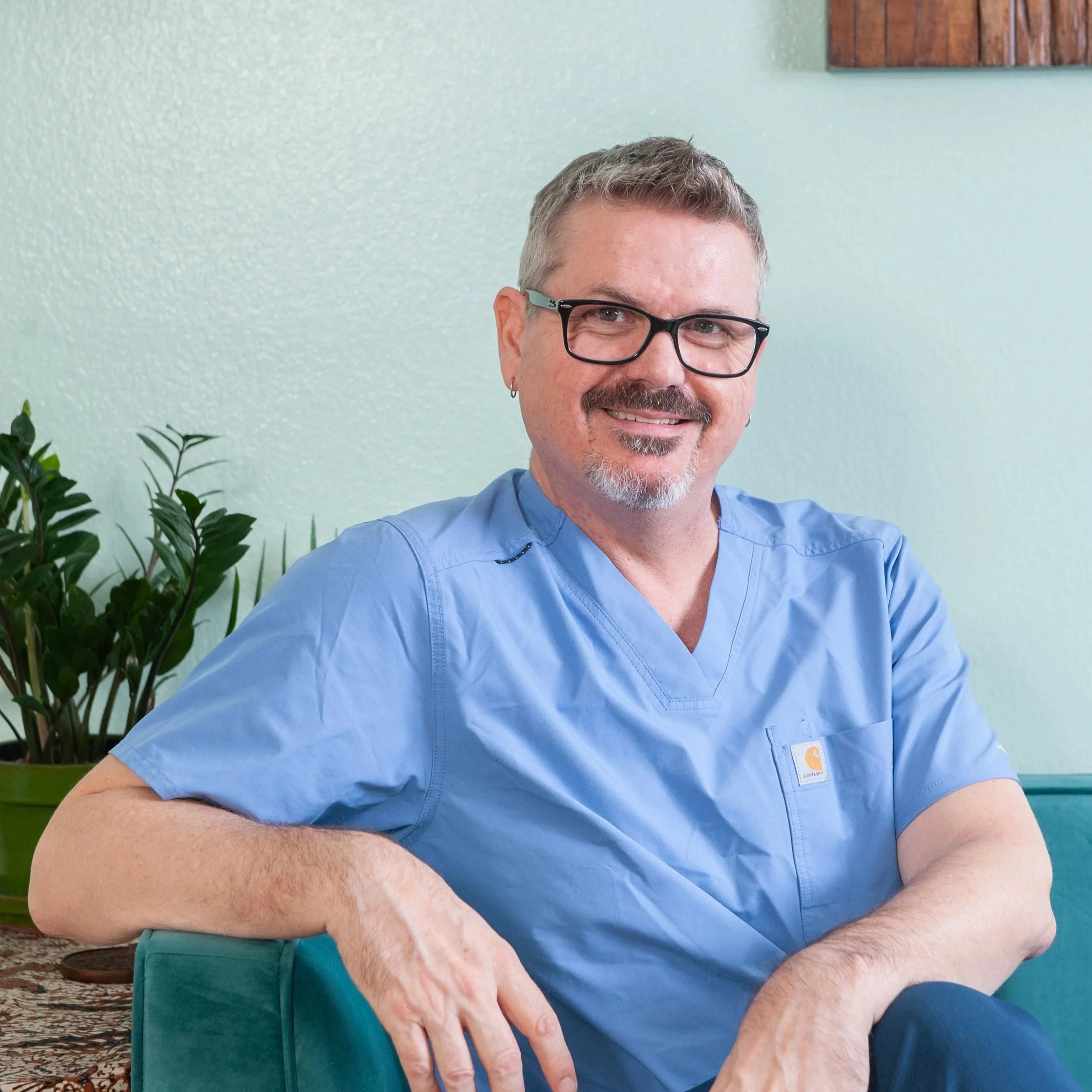
Pain, anxiety, and insomnia don’t usually exist in isolation.
They tend to be signals—pointing toward something deeper that hasn’t been fully addressed.
In this episode of The Energy Fix, Tansy sits down with Nathan Anderson to explore the interconnected nature of pain, anxiety, and sleep struggles—and how a more integrated approach to health can create meaningful change.
Nathan shares his journey into acupuncture and the lessons that go beyond traditional education, emphasizing that healing often requires looking at the root causes, not just managing symptoms.
Together, they explore the role of the nervous system, emotional health, circadian rhythms, and lifestyle habits in shaping how we feel day to day. The conversation also dives into practical tools like acupuncture, sleep support strategies, and the NeuroRest method, which blends Traditional Chinese Medicine with modern neurobiology.
If you’ve been dealing with chronic symptoms that don’t seem to resolve, this episode offers a broader lens.
Listen & Watch
🎙
Listen & Watch 🎙
What We Cover
In this episode, we talk about:
Why pain, anxiety, and insomnia are often connected
The importance of identifying root causes
How acupuncture supports hormone balance and nervous system regulation
The role of emotional health in physical symptoms
Melatonin, sleep aids, and common misconceptions
Sleep quality vs. sleep quantity
How diet and timing of meals affect sleep
Circadian rhythms and light exposure
The concept of “tired but wired”
Battlefield acupuncture for pain management
The placebo effect and its role in healing
The NeuroRest method and integrative sleep support
Key Takeaways
Chronic symptoms often have interconnected root causes
The body has an innate ability to heal when supported properly
Sleep quality matters more than total hours
Melatonin dosage and timing are important
Emotional health plays a significant role in physical well-being
Diet and lifestyle habits directly affect sleep and energy
Nervous system regulation is central to healing
Acupuncture can support both physical and emotional balance
Small, consistent changes can improve long-term health
Favorite Quotes & Sound Bites
A few moments you’ll want to remember:
“Understanding root causes is key to effective healing.”
“Anxiety and insomnia often have multifaceted causes.”
“Acupuncture can help regulate hormones and calm the mind.”
“The body inherently knows how to heal itself.”
“Sleep quantity isn’t as important as sleep quality.”
“Circadian clock helps us wind down when it gets dark.”
“Morning light helps reset the circadian clock.”
“The NeuroRest method integrates TCM with neurobiology.”
Chapters
02:15 - Understanding Insomnia and Anxiety
09:18 - Nathan's Journey into Acupuncture
15:01 - The Concept of Integration in Healthcare
19:27 - Nervous System Dysregulation Explained
23:26 - Root Causes of Chronic Issues
33:24 - The Role of Acupuncture in Healing
38:58 - Tired but Wired
45:38 - Understanding Sleep Influencers
49:05 - The Circadian Clock and Organ Health
54:44 - The Importance of Morning Light
55:09 - Exploring Battlefield Acupuncture
01:04:23 - The Placebo Effect in Medicine
01:15:46 - Insurance Coverage for Acupuncture
01:21:00 - Introducing the NeuroRest Method
Why This Episode Matters
Because when something feels off in your body, it’s rarely just one thing.
It can show up as:
ongoing pain without a clear explanation
anxiety that feels physical, not just mental
difficulty falling or staying asleep
feeling tired but wired
trying different solutions that don’t fully work
frustration with quick-fix approaches
And the difficult part?
Most systems are designed to treat symptoms separately.
This episode brings those pieces back together.
Nathan offers a perspective that connects nervous system health, sleep, diet, and emotional well-being—helping you understand how your body is communicating, not just reacting.
This isn’t about chasing the next solution.
It’s about understanding the system as a whole.
About Nathan Anderson
Nathan Anderson, LAc is a highly respected acupuncturist and educator with more than two decades of clinical experience helping patients find lasting relief from pain and illness through natural, solution-focused care.
Nathan earned his bachelor's degree from Johns Hopkins University and his master's degree, summa cum laude, from Emperor's College. His commitment to excellence has carried through his entire career - from patient care to leadership and education.
In addition to running his private practice, Nathan serves as faculty at the Arizona School of Acupuncture and Oriental Medicine (ASAOM) and as fellowship faculty with the University of Arizona's Andrew Weil Center for Integrative Medicine. He is also the former Dean of Clinical Education at several acupuncture universities, where he helped shape the next generation of practitioners.
Nathan believes that optimal health is best achieved through collaboration. He works closely with other integrative healthcare providers to ensure his patients receive comprehensive, well-rounded care that addresses both the root cause and symptoms of their conditions. His treatment style blends time-tested acupuncture techniques with a modern understanding of health and wellness, always focused on creating real, measurable results.
Links Mentioned In The Show
Grab the Insomnia Videos! COMING SOON - NeuroRestMethod.com
LinkedIn: @catalinaacupuncture
Explore energy healing with Tansy! https://tansyrodgers.com/services
beU Crystals:beucrystals.com
Podcast review promo...Get 15% off a distance energy healing session or a piece of jewelry with a positive review of the show. Email photo of review (after submitted on podcast platform) to info@tansyrodgers.com
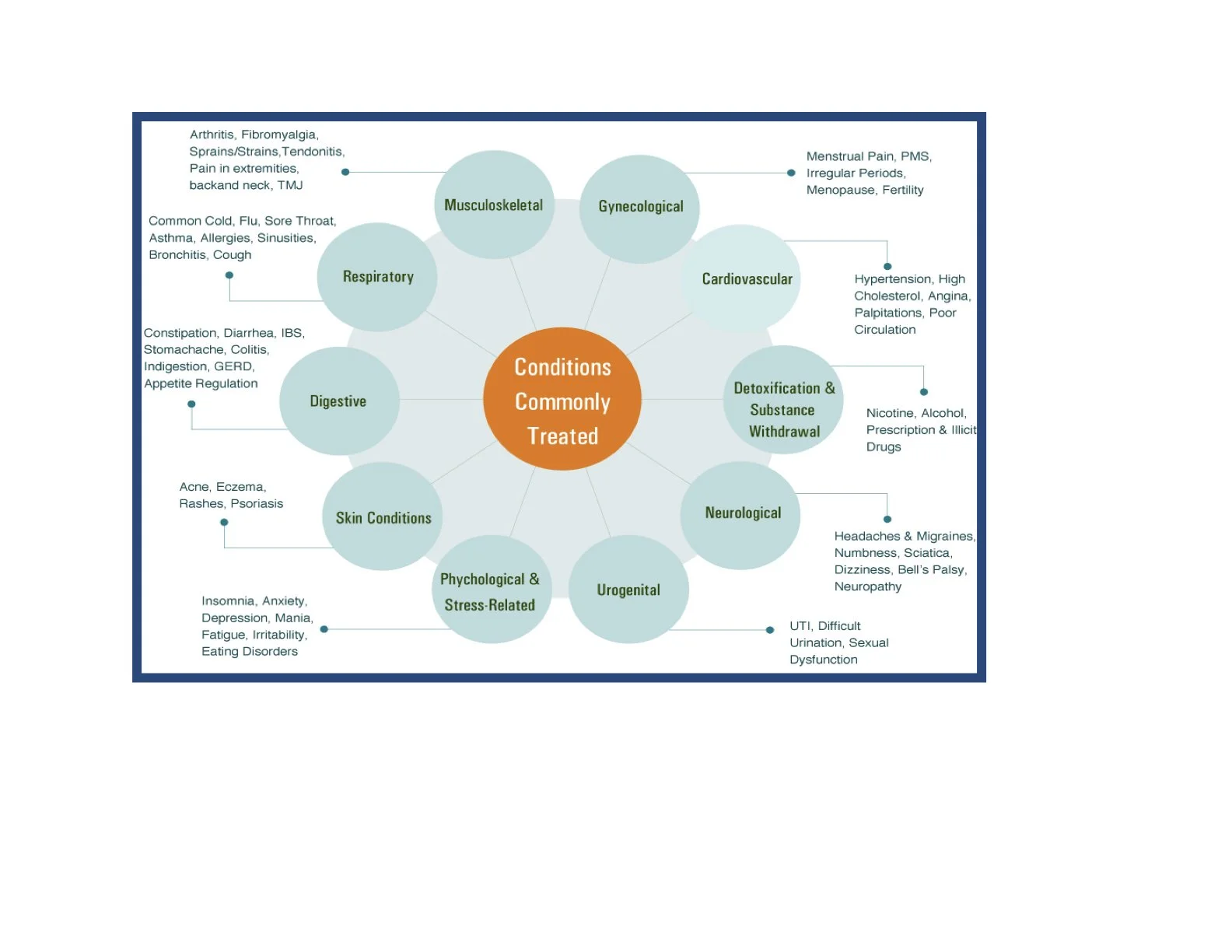
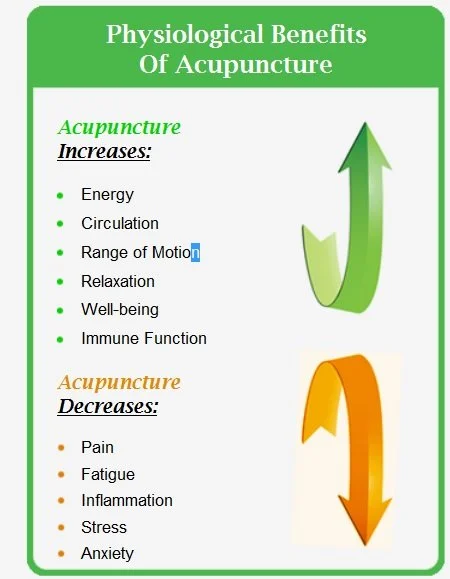
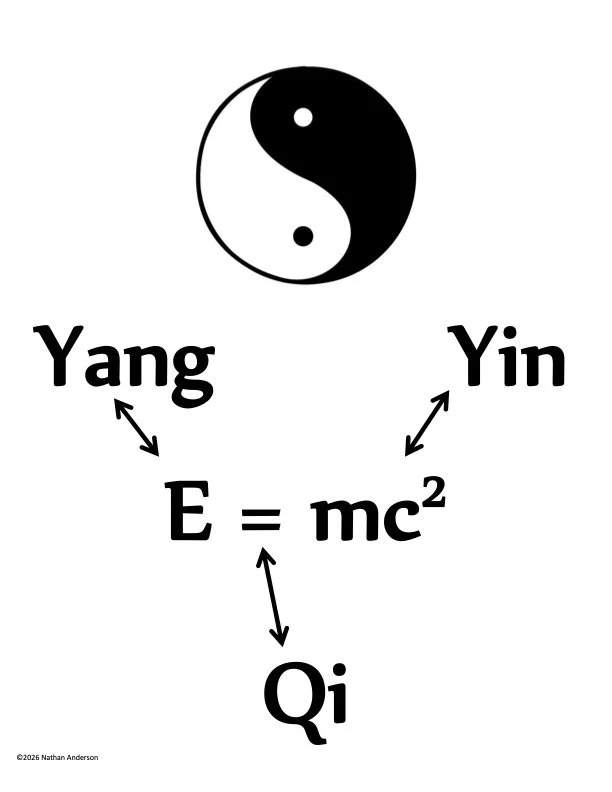
Resources & Diagrams Mentioned In The Episode
Support Beyond The Episode
If this conversation hit home, and you’re craving deeper support (not just ideas, but real integration):
Join the newsletter →
If this episode helped you see your symptoms a little differently, follow or subscribe to The Energy Fix for more conversations that look at health from a deeper, more connected perspective.
And if you’ve been trying to piece things together on your own, take this as a reminder:
Your body isn’t working against you—it’s communicating.
Transcript
-
Tansy Rodgers (00:13.73)
Welcome back to the Energy Fix, a podcast dedicated to help you balance your energetic body by diving deep into the sweet world of all things health and spirituality. My name's Tansy and I'm an intuitive crystal Reiki energy healer, energetic nutrition and holistic health practitioner, and a crystal jewelry designer. It's time to talk all things energy. Let's dive in.
Today, we're talking about the kind of pain and anxiety and insomnia that doesn't respond to, hey, just relax, or a new supplement, or even just that whole concept of powering through. We're gonna be talking about it on a completely different and deeper level. If you've ever been told that your labs look normal, but you still feel wired at night, you feel tense in your body, you feel stuck in that same loop,
This episode is gonna be for you and you're gonna wanna continue to listen all the way through. My guest today is Nathan Anderson. He's a licensed acupuncturist and educator with more than two decades of clinical experience. He teaches at the Arizona School of Acupuncture and Oriental Medicine and works with the University of Arizona's Andrew Weill Center for Integrative Medicine.
We're going to talk natural pain relief, insomnia, anxiety, battlefield acupuncture, which is going to be really interesting because that is a new concept to me too. And we're going to be talking about the placebo conversation. We're going to be stepping into shifting insurance landscape and his upcoming NeuroRest Method Program. So I'm really excited for today. I think this is going to be an amazingly deep conversation and one that
You don't hear just anywhere. All right, Nathan, let's dive in. Thanks so much for being here today.
Nathan Anderson (02:15.872)
You're very welcome, my pleasure.
Tansy Rodgers (02:18.518)
All right, we're gonna get into this conversation just right off the bat. I would love to start it off by just talking about that person who feels tired but wired. They're doing magnesium, they're doing the teas, they're doing that whole bedtime routine, all these things that they're told to do. Maybe they're taking melatonin, but there's still something wrong. They're still sitting there staring at the ceiling and wondering, why can't I fall asleep?
What is usually the real problem here, Nathan? Let's break this down.
Nathan Anderson (02:53.632)
So first off, if they're taking melatonin, I would want to look at the dosage. Most people take way too much. So common to see folks taking 10, 20, 30 milligrams of melatonin, which is indicated for treatment of cancer. And melatonin is a hormone that's secreted naturally by the body, and it is tuned to the circadian clock, and it helps us to fall asleep.
You take a whole bunch of it, it might knock you out quickly, but then when it wears off, your brain goes off like a foghorn and you wake back up again. So I prefer low dose, sometimes ultra low dose. So three milligrams, 1.5 milligrams, maybe even as little as a half a milligram of melatonin and have it in an extended release or sustained release formula. So it's slowly releasing throughout the night. So it'll help you to fall asleep.
but then it doesn't wear off right away and the brain has the chemical signals to wake back up again. Also, large doses of melatonin can interfere with REM sleep and disrupt our sleep cycles. So if they're taking melatonin, first thing I do is look at the dosage. Is it an extended release formula? So that would be step one. But,
Gosh, the causes of anxiety and insomnia and the intertwining between the two are so manifold. It could be it's a really stressful period in their life and they're having a hard time shutting off their brain. It could be that they have a biological problem going on. So it could be brain chemistry related. It could be side effects of other medications. It could be
that they're just very sensitive to external noises and traffic and pets and kids and all of those things. So I really dig down into what the sleep difficulty is. it difficulty falling asleep? Is it difficulty staying asleep? Is it you sleep okay for a while and then you wake up and you can't fall back asleep? Maybe you sleep okay, but you wake up a little earlier than you'd like to and you can't fall back asleep.
Nathan Anderson (05:16.236)
Sometimes people have nighttime urination issues and they have to wake up frequently to go to the bathroom. So managing prostate problems, urinary tract infections, you know, sometimes there's a biological cause, sometimes there's a psychological cause, and oftentimes it's a little mix of both. And then my interventions and strategies vary depending on whether it's difficulty falling asleep, waking frequently, waking too early.
or other external factors. Do they have sleep apnea? My interventions probably aren't going to work until you address the sleep apnea issue. Maybe it's a restless leg syndrome that's keeping them up at night. So it's a straightforward question with a very meandering answer of it depends on a lot of factors.
Tansy Rodgers (06:06.072)
which I think is brilliant for you to just even lay all that out right away because I feel like so many times in very just surface level conversations about this, it's all about, well, I just can't sleep. So what should I take instead of looking below the surface and looking why, when, what's going on, all of those deep things. And I want to ask you a quick question based off the melatonin.
conversation that you've already started.
thoughts about it being a sleep aid in the first place. Do you even recommend that or do you feel that that could become an issue when it comes to hormonal, your natural melatonin hormonal response?
Nathan Anderson (06:55.342)
Yeah, the pineal gland will stop secreting melatonin if there's already an external supply of it. So the body can become reliant on the melatonin to fall asleep and the brain senses, external source of melatonin, I don't need to secrete it anymore. And then your production of melatonin and secretions decreases. So occasional use of melatonin.
typically not a problem. Frequent, chronic, long-term use of melatonin can be a problem, especially at the higher dosages. And it's not my first-level intervention with folks, but it's fairly inexpensive, fairly easy to come by, long-shelf life, and sometimes cheaper than Chinese herbal formulas.
I have a lot of different herbal options that I can prescribe to people depending on their, Chinese medicine pattern they're presenting with. melatonin, I don't necessarily have a problem or an issue to it. It's not the first thing I reach for, but I don't have a problem with occasional intermittent use.
Tansy Rodgers (08:12.91)
Well, thank you for laying that out. That helps a lot because I know so many of my clients and so many people that I talk to that is their first go-to or one of their first go-to. So thank you for spelling that out.
Nathan Anderson (08:26.452)
And expanding on the militant conversation a little bit, we were talking about all of the different.
Problem patterns that people have. So if somebody is actually able to fall asleep okay, but then they wake frequently throughout the night, I wouldn't have them take melatonin before bed. I'd have them set it by the nightstand and then take it when they first wake up that first time. So it's not necessarily gonna prevent them from that first wake up, but it can help with the subsequent wakeups.
Tansy Rodgers (08:56.458)
Mm-hmm. that's interesting. I haven't heard that before. I like that. Yeah. Yeah. All right. Well, before we go deeper, Nathan, I want to get to know you. I want to know how you got into this work. What pulled you into acupuncture in the first place? And what did those early years in clinic teach you that school never could teach you?
Nathan Anderson (09:18.38)
Well, the story of how I found my way to Chinese medicine, it kind of unfolded over the course of a couple of years. So in college, I played goalkeeper for my college soccer team. And I had a recurrent, chronic, but pretty mild shoulder injury. It was mostly popping and clicking, very little pain or discomfort, but just I could feel the limitation there. And it had been going on long enough that just
decided to have it evaluated, went to see a sports orthopedist. And this was back in the early 90s before MRIs were commonplace. I mean, they existed, but they weren't ubiquitous like they are now. So they took x-rays. They didn't see anything. And he gave me three options. I could ignore it and see if it gets better. I could get a cortisone shot. Or they could do exploratory arthroscopic surgery and clean up whatever they found that wasn't showing up on the x-ray.
Given that the discomfort was pretty mild, I decided to take the wait and see approach at that point. And a few weeks later, a friend of the family was visiting from out of town. She was an acupuncturist from Hawaii. And we got to talking and I was telling her about my shoulder and she asked if I wanted a treatment. She had her travel kit with her. So we're sitting around my dining room table and the first needle she puts in
is in my leg and I thought that maybe she wasn't a very good listener. said, no, the problem is not in my shoulder anymore. And it was a very eye-opening experience. So I've always been attracted to the scientific and the esoteric. And as an undergrad, clinical psychology or theoretical physics were the two majors that kind of
seemed like they might be a good fit for me to sort of tickle that scientific but also esoteric aspect. And though I'm good at math, I don't particularly enjoy it. And my physics friends told me it doesn't get fun until grad school and I wasn't into the delayed gratification. So I chose to go the clinical psychology route. But when she stuck a needle in my leg and my shoulder feel better, that instantly
Nathan Anderson (11:40.11)
triggered that same little, interesting scientific esoteric. I didn't decide to study Chinese medicine right then and there. I hadn't even finished my bachelor's yet. But a couple years later, after I had graduated, was planning to enter a master's PhD program in child developmental psychology. She happened to be in town again and convinced me to study Chinese medicine. didn't.
even really know that it was a licensed healthcare profession, that you could bill insurance for it and all of that. And sort of that opened that, turned that second page for me. And I decided to go ahead and pursue it as a career.
Tansy Rodgers (12:26.176)
Wow, wow. And so once you got into that, once you started to open up to that world and you went through school and then you came out and you started to practice, you started to teach yourself, what did you start to learn that was way greater than anything you could have learned while you were in school about this work? Or maybe even about yourself and the...
and the work that you needed to have done for yourself.
Nathan Anderson (12:56.942)
Sure, so many different directions I can go with that question. I think the first thing that I learned, and I learned a little bit in school, but there's mountains of information to memorize and point combinations for condition ABC formulas to memorize for different patterns, et cetera. And it's really an overwhelming amount of information to just memorize by rote.
Chinese medicine is a beautiful medical system where you just collect all the variables and you look for patterns of disharmony. And there's kind of simple interventions that you can take to regulate what's out of balance. So kind of the realization that I don't have to memorize it all and more just trust the process and follow the information and
what the patient presents to me. And it's extremely versatile and effective. And all the time people come in and like, have you ever treated? Most of the time the answer is yes, thousands of times. But every once in a while there's an odd rare condition that comes up. like honestly, no, I haven't treated that before, but I have an idea of how I would approach it.
Tansy Rodgers (14:23.886)
Mm, yeah. So all of this growth from you just even exploring, having no idea what this was, realizing that this could move mountains because you experienced it with how it helped to take away some of that shoulder issue that you were having. I would love to know through all of that where you're at now, because it really reveals a lot. Nathan, is there a word?
or a phrase that you feel like you're really connecting to now at this time of your life after you've moved through all of that and you are moving into this next transition of who you are.
Nathan Anderson (15:01.646)
I would say integration would be the word. And it captures where I see or hope to see the medical profession industry-wide moving. And that's towards a more integrative approach where, you know, a primary care physician will recommend a specialist or other providers.
Tansy Rodgers (15:06.03)
That's a good one.
Nathan Anderson (15:30.194)
or other medical paradigms and disciplines based on their best practices. And being able to be knowledgeable on the flip side of that myself or my patients and knowing where to refer them when we had a roadblock or plateau or it's something that acupuncture Chinese medicine can't address. But having a more collaborative approach to healthcare delivery.
where everyone is kind of educated about what the different best practices and blind spots are for each modality so that they can recommend the best care for their patients. For me personally right now, integration also works for some of the transitions that I'm kind of going through. I still teach at the local acupuncture school here, but I used to be their Dean of Clinical Education.
for a number of years and decided to step away from that role to focus more on my clinic. But I'm also trying to move a little bit, my toes into the online health coaching and you mentioned the NeuroRest Method Insomnia videos. So integrating all of those disparate aspects of my professional life along with my personal life. You know, I'm a father, I've got two teenage kids and I want to make sure that I have
the work-life balance to be fully present in their lives. Not that I haven't been before, but I would like to maybe scale back my private practice a little bit, do a little more online coaching, continue to teach. I love it. It doesn't pay well, but I love it. And make sure that I've got enough time and seamless integration. All of those things can weave together in a way that fits.
But I don't want to be working 60 hours a week. I also don't want to be working 20 hours a week. want to stay busy.
Tansy Rodgers (17:34.936)
break because I want to share something I make that's meant to support you in real life, not just look cute on your wrist. I create intentional crystal jewelry through BEU crystals. These pieces aren't random. I designed them using crystal energy and I also weave in numerology and geometry and I infuse the pieces with Reiki healing energy as part of my process to really help support you on an energetic, deep level.
They're like little wearable anchors. The kind you can touch when you're overwhelmed, when you're heading into a hard conversation, or when you need a reminder to come back to yourself. More solid, more grounded, more authentic.
I'm not here to tell you that jewelry fixes everything, but I am here to tell you that having a steady physical cue can change your day, especially if you're sensitive, easily overstimulated, or your brain likes to sprint way ahead of you. If you want to browse what's available or see what is newly released, head on over to beucrystals.com. I'll link it down in the show notes so that you can easily shop and check out what is available.
As always, if you have any questions or you want to do any custom work, you can easily reach out to me right there. Okay, let's jump back into this episode.
Mm, yeah, I love that. And you already answered kind of that follow up to that is how you're taking integrating then and connecting it to where your work is heading right now. And it feels like the NeuroRest method is really kind of that next step of integration for you. I love that. Awesome, yeah. All right, all right, cool. So.
Nathan Anderson (19:21.463)
I hope so, yeah.
Tansy Rodgers (19:27.512)
Thinking about that whole concept of integration too, mean, really that kind of just needs into this next concept I was thinking about. mean, if we're talking about nervous system dysregulation, if we're talking about insomnia, anxiety, stress, all of those things that can be lumped into nervous system dysregulation, how, when somebody comes to you, how do you know that it is nervous system dysregulation as something that really needs to be treated versus,
they're just having a bad week or a bad couple of weeks. Like, how do you know that it's really moving into that place where you need to sit down with them and start to integrate some of this work and help them get the assistance that they need?
Nathan Anderson (20:12.11)
Sure. Is that a chronic issue versus a recent onset issue? So if they've been dealing with it for years, there probably is some nervous system dysregulation. If they have any past history of trauma, physical or psycho-emotional trauma, there's probably some nervous system dysregulation there. There's also, you know, even if it's a recent onset, if they're a type A personality and they're just all
wound up about an upcoming deadline or they're about to get married or something like that, they're probably still stuck in that sympathetic nervous state and need some help switching over. I guess in a sense, there's always a little bit of nervous system dysregulation unless it's a purely physical problem like an enlarged prostate and they have to wake up nine times to go pee or restless leg syndrome.
That can be a mix of physical and emotional as well, because it tends to get worse with periods of high stress. But ultimately, being able to fall asleep, you have to surrender to that semi-altered, semi-unconscious state. And a lot of people have difficulty giving up that control and surrendering to that transition.
into a completely different state of consciousness.
Tansy Rodgers (21:41.034)
You know, it's funny, you've talked a couple of times now with a restless leg. It's so funny because I deal with restless leg stuff. And when mine acts up, I know that that is one of my first signs that my nervous system needs support ASAP. It's like that is my body's cue, one of my body's cues. So I love that you just said that because that...
That from my own personal experience is very true.
Nathan Anderson (22:14.594)
Yeah, you know, determining the level and degree of how much the nervous system needs to be regulated, that all comes through in a very detailed conversation with the patient about their past and present medical issues. And a lot of times, you know, if someone's coming in for shoulder pain, they're like, why are asking so many questions about my sleep? Or if they're coming in for sleep issues, why are you asking so many questions about my digestion?
Like, well, know, digestive health, that's where the majority of our serotonin comes from. So, you know, the gut is the second brain and it's all interrelated. It's not like there's this little shunt here that locks off everything that's happening below the neck from everything happening above the neck.
Tansy Rodgers (23:06.156)
Yeah, yeah, absolutely, absolutely. And so let's talk about some more of those root causes. In your experience, what are the most common root patterns underneath chronic pain, insomnia, anxiety that most people and maybe even a lot of clinicians dismiss?
Nathan Anderson (23:26.658)
lack of exercise. you know, most allopathic doctors, they recognize that exercise is necessary for your health, but it's sort of like, do you exercise? Yes or no. Okay. Then exercise more or you're overdoing it. But the type of exercise, you know, a bootcamp type fitness program is not going to be appropriate for somebody in their sixties.
different yoga styles. It's interesting, in India, yoga was taught one-on-one with the student and the teacher. the sequence of asanas was customized to help them address with whatever hiccups they were having in their life, whatever it was that was bothering them, whether it was emotional or physical. And so,
Now here in the States, yoga is taught as a class and like an instructor might have everybody doing the same pose the same way, whether or not it's good for them or not. And different styles of yoga originally were geared towards different populations. So a Yengar yoga with the bolsters and the blocks and everything was more for elderly people that had
more physical limitations in maintaining the postures and getting into the asanas. And then Ashtanga, fast moving yoga, was for kids with shorter attention spans. sometimes the style of yoga or one's exercise program is contributing to the issue. You know, somebody that has chronic tendonitis issues that are just
doing competitive crossfit and slinging around heavy weights might not be doing the elbow joint so good right now. And so often people are really attached to their exercise program and think that it's good for them. And most of the time it is, but sometimes it's causing some problems. I've got a patient right now, he's got chronic
Nathan Anderson (25:50.446)
arm pain. He's very fit and his biceps are just like rock hard and any kind of activity is causing pain and numbness. He came for his first visit last week and he said he felt better for a couple of days and then he went out and played 36 holes of frisbee golf because his arm felt better and like, dude, what are you doing? So, yes.
His fitness, he's very fit, but it's contributing to his issue. He continued to do active, you know, four or five days a week rock climbing when his arm was first bugging him thinking he could work through it. And it just got worse and worse. And thankfully he's not doing any rock climbing at the moment, but not listening to your, information that the body is trying to initially gently tell you. And then it starts going off like alarm bells.
And then, know, diet. People are as attached to their diets as they are their exercise. And sometimes what's healthy for one individual may not be healthy for another. so digging into that and maybe there's some corrections that can be made there. One's emotional health. Very few clinicians are asking.
If somebody is happy in their marriage, what's their relationship like with their kids? What do they have for social support systems? What's their spirituality and how do they feel connected to that? So those are all key aspects to a healthy psyche. you know, making sure that you have social connections and that you're not too isolated. Or if there's friction in your marriage or significant relationships,
what can be done to help ease that. Sometimes there's a simple sticking point and you just remove that impediment and things fix on their own. And sometimes it's a more complex tangled web to unweave.
Tansy Rodgers (28:07.416)
Yeah.
Nathan Anderson (28:08.206)
Vices, you know, a drink or two a day doesn't hurt most people. It hurts some. Sometimes there's a question on a health questionnaire, like how many drinks a week do you have? And if you put down seven, one drink a day, okay, no big deal. But if it's all seven in one sitting, that might be a problem.
You know, nicotine, tobacco, marijuana, medical marijuana. some people, lifesaver, game changer. For other folks, a little bit of a crutch. So, you know, when we have our vices, what are we using them for? To what degree? Chinese medicine has a belief that, you know, a little bit of everything is not a problem, but too much of any one thing.
is going to create an imbalance. So over consumption of particular foods or particular flavors, even if they're quote unquote good for you. Do people eat a variety of colors every day or do they prefer the beige diet? Chicken nuggets, french fries, pizza, mac and cheese.
Tansy Rodgers (29:30.902)
Yeah. you know, as you're talking, like all of the physical therapy and trainer and holistic health coaching and practicing with Indy is screaming at everything you're saying because yes to all of that. Yeah.
Nathan Anderson (29:48.972)
I had a patient with chronic diarrhea, like 30 years of not a single solid bowel movement. And he was referred to me by an acupuncturist on the East Coast to come get an herbal formula. And, you know, the herbal formula that I gave him should have worked, but it didn't. It worked initially and then it was giving him stomach problems and we tried a few different things and it wasn't working like I expected.
But comes out, you know, his diet super clean, no notes there other than he drank seven cans of Diet Coke a day, minimum.
We cut out the Diet Coke and that was like the one little pebble we needed to remove for everything to moving again for him.
Tansy Rodgers (30:43.091)
my gosh. This... yeah.
Nathan Anderson (30:45.275)
So, know, he didn't eat herbs. He benefited from the acupuncture. All he needed was to stop dying drinking seven cans of Diet Coke a day.
Tansy Rodgers (30:54.734)
And you know, I'll even add on to something you said earlier, you were talking all about yoga and the body movement and sometimes certain things, certain practices or ways of practicing yoga can make a big difference in how your body is responding. And you know, I will even say with an example, I do yoga regularly every week. I do yoga, but I will tell you, I did this one practice. It was an embodiment practice.
where it was different poses that were really helping to open up different energy centers and get into my body and get more grounded in a more of an intentional way. Nathan, the emotional releases that were happening was crazy. And I thought to myself, wow, this has really hitting some places that I've needed that I didn't even realize. So yeah, I mean, I think
I think just understanding too what needs to move, what are the root causes of what you're dealing with or the obstacles that you're working through and then going from there and trying to understand, so what is going to help me rather than just the cookie cutter formulas that you see all over the place?
Nathan Anderson (32:12.162)
Yeah, and hot yoga is one of my things that I often have to encourage people to dial back on. If they're a little bit dehydrated and fluid deficient and they're going and sweating everything out, like, no, your body needs more yin, it needs more fluids. I don't have a problem with the yoga, I just have a problem with the heat that comes with it. And on the flip side, hot yoga can benefit some folks.
Tansy Rodgers (32:41.453)
Yeah.
Nathan Anderson (32:42.134)
So it's all about what's appropriate for you. I'm a firm believer in sustainable fitness. Pick something that's good for you now and that you can also continue to do until you're 90 years old.
Tansy Rodgers (32:54.604)
Yeah. Well, okay, so now let's link this stuff together. So we're talking about these root causes. We're talking about some of these things that may need dialed in a little bit more accurately, depending on the person. But now let's put this with acupuncture. What does acupuncture actually do in the body that could help to change pain, sleep, or anxiety as people are moving into addressing their root causes?
Nathan Anderson (33:24.024)
So acupuncture has been shown to reduce inflammation, improve circulation.
It provides some analgesic pain relief. It helps to adjust and regulate hormones. It calms the mind. It shifts you from the sympathetic fight or flight nervous state into the parasympathetic rest and digest nervous state. And all of those are sort of general non-specific things that are crucial to healing. So whether it's a digestive problem, a respiratory problem,
a musculoskeletal pain problem, a psycho-emotional problem, all of these things need to happen to get better, and acupuncture facilitates all of that. And there are, you know, innumerable combinations of points that can achieve it. And I like to think of acupuncture points as either like musical notes or maybe ingredients in a meal. And there's an infinite number of songs just based on
the combinations of the notes and the chords and the time signatures, et cetera. Or if we're going to make a meal, let's say basil, tomato, and garlic, sort of the holy trinity of Italian food. But there's so many things that you can do with those three ingredients. So if we think of those as like three acupoints, acupoints have, it's not like
each acupuncture point does just one thing. It's all about the context. And so if we take garlic, tomato, and basil, we can make a pasta marinara. We could make a chicken pesto with sun-dried tomatoes. Or we could do a margarita pizza. Three very different menu options.
Nathan Anderson (35:24.856)
that all have the same three ingredients, but the context and how those ingredients are presented is different. So using acupuncture points in a combination, I like to do local, distal, and adjacent. So distal, let's say you have back pain. I'll put in needles in your hands and feet far away from the area. Local, I'll put needles in the low back in the area that you have the discomfort. And then adjacent, sometimes somebody's hips might be off a little bit.
doing points close to the low back, but not necessarily as far away as the hands and feet. And that combination of local, distal, and adjacent gets the energy circulating throughout the body and ideally hopes to reduce inflammation, improve circulation, provide pain relief, adjust organ function, adjust hormones. And the body knows how to heal itself. It sometimes just needs to be
give an instruction or a little nudge. You can think of it as acupuncture as a very primitive form of physiological coding to tell the body what to do.
Tansy Rodgers (36:35.714)
Yeah. And you know, as you were talking, what popped into my head was I tell my clients all the time, the body is so intelligent. It knows exactly what it needs and knows what it needs to do is communicating to us all the time. I'm curious, do you think or did you find that acupuncture helps in the way that the body just actually needs? Because each point, like you said, each point does different things, but it addresses
to the body exactly what it needs. That could be physically, but it could also be emotionally or even spiritually.
Nathan Anderson (37:11.724)
Yes. The short answer is yes. And I'm hoping that it's working on multiple levels simultaneously. You I'm hoping that there is the physiological response. I'm hoping that there's the psycho-emotional response. I'm hoping that there's the nervous system response. And ideally, all of those are happening comfortably simultaneously. But sometimes the body is like, no, I need to shift this first.
And sometimes that's a comfortable shift and sometimes it's a little bit of a hmm, I wasn't expecting that shift. But for most people, the body inherently knows what to do. Well, for everybody, the body inherently knows what to do. But sometimes the body is confused and there's a
non-linear shift that happens that for some people it's temporarily uncomfortable. Not necessarily from the needle insertion, but just from the effects of like, I've been repressing this emotion for years and now all of sudden I'm facing it. And that might not be easy.
Tansy Rodgers (38:26.808)
Yeah, which goes right back to that whole concept of the nervous system dysregulation, right? Like that is a lot of what is going on. And regardless of what you're feeling, it could be back pain, it could be neck or shoulder pain. All of that could stem from the fact that it is a nervous system dysregulation. So I wanna talk to you about that whole concept of tired but wired.
What's actually happening physiologically when someone is exhausted in their body but the body won't downshift?
Nathan Anderson (38:58.965)
Nathan Anderson (39:02.414)
From the Chinese medicine perspective, it could be what we call chi deficiency, just not enough of the vital life force. But oftentimes it's a chi stagnation. So there is enough vital force, it's just stuck. It could be emotionally stuck, it could be physically stuck. And you can feel fatigued from not having enough energy or just not having enough movement.
And so getting things moving again circulating throughout the body can sometimes treat that tired but wired and then sometimes we just need to shut off the Sympathetic response if they're stuck in overdrive all the time. They're not getting the rest and digest mode So the body is not going through the tissue repair. It's not digesting food properly
we convert that food into energy. And so if the digestive process is functioning less than optimally, need to address that. coming back again to sleep cycles and what are we putting into our body and how are we digesting it and starting from there.
Tansy Rodgers (40:15.622)
Mm-hmm. Yeah. And so, okay, so let's expand on that a little bit. So if we're talking about anxiety, on the anxiety side, and your body, your nervous system, I mean, is stuck in that high alert, like you just mentioned, what tends to help first?
Nathan Anderson (40:32.952)
chicken or egg.
Tansy Rodgers (40:34.254)
I know, right? There's so many options here, but I'm curious about from your perspective.
Nathan Anderson (40:41.07)
So I would start with acupuncture in the ear. So there's a little homunculus, a map of the entire body in the ear. It's what we call a microsystem. various physical body parts and areas of the body, different organs can be accessed through the ear, but also different parts of the brain can be accessed through the ear. And it's interesting, the vagus nerve.
probably had lots of conversations about the vagus nerve. It regulates virtually everything in the body. the one of the longest nerves, the longest cranial nerve, and it has the most diverse functions. It coordinates everything. There's one sensory branch of the vagus nerve, and it's in the external ear. So needles into the ear can help to regulate vagus nerve function. So there's a...
variety of different protocols that I would use of ear points to help calm anxiety and they would be a combination of So in Chinese medicine, we're feeling pulses and looking at tongues. That's sort of our version of taking someone's vital signs a lot of information to be gleaned from that that you know pairs with the conversation that we have with them about their past and present medical issues but if there are certain
organ systems in the Chinese medical paradigm and each organ corresponds with different emotions and parts of our psyche, figuring out what might be out of balance and maybe doing that in the ear first. It tends to have less of physical sensation than other body points and if somebody is really in that overwired state, they don't tolerate the body points as well.
Sometimes they do, sometimes they don't. But starting in the ear, access the vagus nerve, autonomic reset, and it kind of sets the table, if you will, for being able to do the rest. You know, going back to the food analogy, it would be the prep work before I start assembling all of the other ingredients together.
Tansy Rodgers (42:58.838)
Yeah. interesting. Well, okay. So now I want to add on to the story. right. So people are coming to work on the root causes, right? Like they're working on that stuff.
Nathan Anderson (43:08.726)
Not always. Sometimes they're coming in for, you know, whatever the condition might be, shoulder pain. You know, the root cause could be something else. So they're typically coming in for a symptom. And it's my job to link that symptom with the root cause. Sometimes it's an easy link and sometimes it involves a little bit of detective work. But I always want to make sure that I do treat that symptom. If they come to me for shoulder pain and I'm
focused on their relationship with their mother, they might not come back. So I do have to make sure that I pay attention to what brought them through the front door in the first place. And then if they're with me for a while, they understand we're working on root cause in addition to whatever manifestation that might be showing up as.
Tansy Rodgers (44:02.018)
They come to you, they have their issue. Maybe it's the nervous system dysregulation. Maybe it is a acute situation that happened, whatever it is, right? They have some anxiety that's going on, there's stress in their body. Maybe there's some inflammation, whatever the body's presenting with. But ultimately, and very typically, not always, but very typically, that's going to affect their sleep, right? I am curious.
Where do you see people unintentionally making their sleep issues or their insomnia worse? What are the most common desperate habits that actually train the brain to stay awake?
Nathan Anderson (44:42.67)
things that people do to try and maybe quiet the mind, distract the mind, unwind the mind, watching TV until they feel tired, feel tired and fall asleep. that's a lot of blue light in the eyes and the brain processes that as daytime. And so it's not secreting the melatonin and other neurotransmitters that we need to fall asleep.
Even reading a book can sometimes be counterproductive because it's engaging the mind and you're thinking about things and you're actually over-exciting the mind and the brain rather than allowing it a chance to stop all of the hyper-processing that's going on throughout the day.
It could be exercise. So sometimes gentle exercise before bed is good. But if they do something really vigorous and break a heavy sweat, now all of a sudden there's a ton of endorphins running through the body and there's no way you're going to be able to fall asleep with that happening. Sometimes eating a big meal. Sometimes, you know, the food goes down to the belly.
to digest the food and so we might feel sleepy, but we may not stay asleep so long. And so eating a large meal before bed, though it may help you to feel tired, you know, you get the tryptophan release and all of that, but you're probably not going to stay awake throughout the night or you're not going to stay asleep throughout the night. Small meal before bed, maybe not a problem.
afternoon caffeine, you're hitting that two o'clock lag time and you need the little extra push. And so you have a 2 p.m. coffee, some people not a problem, some people it stays in your system for eight, 10 hours and you're still feeling it at bedtime when you're trying to go to sleep.
Nathan Anderson (46:57.004)
Yeah, TV, reading, exercise, food, those tend to be the most common attempt to calm yourself, wind down sort of thing, but
winds up being counterproductive.
Tansy Rodgers (47:12.31)
Yeah, as I sit here and drink my 2pm coffee in my mug and
Nathan Anderson (47:18.826)
It might not be a problem for you. And again, know, Chinese medicine, what's okay for one person might not be okay for another and a little bit of everything isn't going to hurt you.
Tansy Rodgers (47:20.834)
but then
Tansy Rodgers (47:29.622)
Yeah, right. And I'm also laughing because I think of how many hours of sleep I have justified pushing to the side as I've laid there and started reading a book that I'm really into. Yeah, that definitely triggers the brain response. that's a good
Nathan Anderson (47:45.866)
And it's also important to remember that sleep quantity isn't necessarily as important as sleep quality. So somebody could be asleep for 10 hours, but not properly move through their sleep cycles and not feel rested getting up. Somebody else, they're asleep for six hours, they've gone through all the sleep cycles and they're waking up refreshed. it varies depending on the individual and then it also
varies from night to night and what we need. So some days less than eight hours, I'm not good. Some days six hours and I feel just fine. Yeah. another one back to your question from before, alcohol and other substances. Alcohol may help you to fall asleep, but it's not going to be good quality sleep. It's going to interfere with your REM.
Tansy Rodgers (48:44.076)
And so, okay, as you were talking, you just talked about quality of sleep versus quantity of sleep. I'm curious, would it be helpful to talk about potentially when you're waking up and how that might be connected to certain organs that are having issues? mean, would that be helpful in this conversation?
Nathan Anderson (49:05.102)
It would. So diving into a little bit of the circadian clock of Chinese medicine and when each organs have their peak time. So yes, sometimes that is illustrative. So liver, which is a very different organ in Chinese medicine than Western medicine. So the liver is the organ that's responsible for circulating chi and blood throughout the body during
Tansy Rodgers (49:12.845)
Yeah.
Nathan Anderson (49:33.358)
all the time, but primarily during waking hours, and it stores the blood at sleep. And so in the Western paradigm, the liver's filtering the blood at night. And the liver's peak activity time is 1 a.m. to 3 a.m. So somebody that is always waking up at 1 a.m. to 3 a.m., especially if they have a, what we call, livery personality. So very type A.
tight personality, high strung, go-getter, always planning and thinking and organizing and you know the liver and the psycho-emotional realm is important for all of these things. It's the planner, it's the organizer, it's the dreamer. So liver is also very important in our dream state. When we enter into that unconscious thought process, that's what we call the liver hone or the
the ethereal soul being active and
Rim sleep is really important. That's where we unpack our day. That's where we process emotions and not getting quality rim sleep and sometimes missing it all together leads to a fragmented state, if you will, when we're awake. Just things feel off. They're cluttered and unsettled. So
1 a.m. to 3 a.m. liver time, 3 a.m. to 5 a.m. lung time. And that could relate with respiratory issues. It might not. But in theory, if we're following the sun around 5 a.m. in the summers, when we would be waking up to follow the light cycles of the circadian clock, you know, taking in that first breath.
Nathan Anderson (51:37.878)
of the day. So I often look at folks with sleep issues of when are they attempting to fall asleep and when are they attempting to wake up. And sometimes you can't fix it because maybe they're a night shift worker and everything's just backwards. But whatever we can do to attune ourselves to the circadian clock.
start winding our day down when it gets dark, having less stimulus, TV, radio, music, et cetera. I'm not saying like you can't watch any TV or you can't listen to any music, but the more stimulus we have, the less that's following the circadian clock. And then you don't necessarily have to wake up with the sunrise, but making sure that you are waking when there is abundant light and getting that morning light. So.
actually physically being outside or next to a window to receive that morning light helps to reset that circadian clock or reinforce that circadian clock. And it could be as simple as you make your morning coffee and you have it outside on the patio and you just get that morning light.
Tansy Rodgers (52:58.144)
If you're listening to this podcast episode, there is a really good chance that you're the person who holds a lot. And sometimes the issue isn't that you need more information. Sometimes you need your system to feel safe enough to actually integrate what you already know. That's what my SoulStream and Enlighten Sessions are for. They're intuitive, energy-based sessions designed to help you recalibrate
emotionally, energetically, physically, and in your nervous system so you can move through life with more clarity and less internal noise. People book these when they're feeling stuck, overloaded, anxious, emotionally heavy, or like their energy isn't fully theirs anymore. And we work with that. We work with what's present, clear what's been lingering, and help you come back to center in a way that feels grounded and real.
If you wanna book a session or you want to simply know more, you can head on over to tansyrodgers.com or jump down into the show notes and click the link that will take you directly to those services. And if you're not sure which session is the right fit, send me a message. I'll help you choose. I'll help to guide you in the right direction. All right, let's jump back into this episode.
And you know, I wanna highlight that because so many people that have been on this podcast lately, just within the past maybe half of a year, have specifically said about the importance of morning light. So let's just highlight that as one of the very basic things you can do to get yourself back into a good rhythm.
Nathan Anderson (54:44.28)
Yeah. You know, let the sun hit your face in the morning. Yeah.
Tansy Rodgers (54:49.144)
Yeah, yeah. All right, I wanna shift just a little bit here. I really wanna get into that concept of battlefield acupuncture, because I've never heard of that. I'm unaware of what that is. And I would love for you to just give us a little bit of a story around it. What is it? Where did it come from? And why has it become so popular in pain care?
Nathan Anderson (55:09.72)
Sure. So it's a sequence of points that we do in the ear. So getting back to what I was talking about, the vagus nerve in the ear and the ear being a whole map for the body. There was an Air Force Colonel, his name was Dr. Colonel Niebzow and he was stationed in France. there is a French gentleman named Paul Nogier and he's even recognized by the Chinese as being instrumental and developing
the map of the ear. And Nogier first got interested in auricular or ear acupuncture. He had some patients that had scarring in their ear in the exact same place and they all had a history of sciatica. And he asked one of them like, hey, you know, this is like the third or fourth time I've seen somebody with this little mark on their ear was they had the ear cauterized. And they're like, there's this
woman in Lyon, France that did it. And Nogier is like, what? Cauterizing the ear to treat sciatica? So that's how he got interested in auricular acupuncture and did decades of research and modified the existing Chinese map that's been around for hundreds of years. But he added different aspects to it that some points can move, whether it's an acute or chronic problem.
So integrated maps of the air will now have points labeled as like arm point European or arm point Chinese. And it's incorporating the fact that Paul Nogier, a Frenchman, the European, will sometimes put things in a different place depending on whether it's an acute or chronic issue. Dr. Colonel Niemtzao stationed in France met Paul Nogier.
and became fascinated with auricular acupuncture. And he started doing research into how it might have military applications. And he developed what was called the battlefield acupuncture protocol. It's five points in the ear and they use what are called asps or semi-permanent needles. They look like little teeny tiny miniature earring studs. so folks might be familiar with an ear seed.
Nathan Anderson (57:36.14)
which is non-insertive, it has a little adhesive backing on it, but the ASP stays in a bit longer. It doesn't go all the way through the ear, it punctures into the tissue, so it's not non-invasive, but minimally invasive. And he came up with five points that you put in in a specific sequence to treat pain. And the original application for it was
for soldiers in the battlefield, hence the name battlefield acupuncture. And one scenario would be somebody is critically injured, they're about to go into shock, but they need to be stabilized before they can be airlifted to a field hospital. So battlefield protocol helps to control the pain and prevent that soldier from going into shock until they can receive more in-depth life-saving care.
And then the second application would be the injury is less serious, but a soldier can't remain deployed, keep their finger on the trigger, if you will, if they have to take a narcotic pain medication. So it's a non-narcotic pain relief method that can be used in the battlefield and the soldier can remain deployed and active. And then over the years, they started to adapt the protocol to clinical use.
And so, you know, in the battlefield, you're under fire. You have to get things in very quickly. It's a rope set sequence and sort of cook or cut error. Everybody gets the same thing. There's not a whole lot of opportunity to customize things in the battlefield. It's just, you know, life saving intervention. Get what you get. In the clinic, we still retain the core five points of the battlefield, but you can start to incorporate those other
regions in the ear and customize the battlefield protocol, if you will, to treat various issues. So we can start to, you know, if we're treating back pain, you know, we might use the first three points of the battlefield protocol and then stick a different needle in or ASP, semi-permanent needle in a different non-battlefield spot, but it's working with the other battlefield points to provide pain relief. You can think of it as
Nathan Anderson (01:00:01.258)
a minimally invasive nerve block. So it's not necessarily fixing the underlying problem. It's hacking into the nervous system to provide some temporary pain relief. So the pain's gonna come back, but sometimes just getting out of pain is what you need for that first step of healing. You can't do your PT if you're in too much pain to do the exercises. You can't sleep at night to allow for the tissue repair.
if the pain is keeping you up. You can't let your mind relax if you're constantly in pain. So sometimes just breaking the pain cycle is enough to kickstart other deeper healing mechanisms. So battlefield protocol, I don't use it on everybody, but I use it on quite a few patients if pain, especially if they're on the pain scale of like six, seven, eight,
or higher out of 10, or it's really interfering with their life. They're having trouble with activities of daily living, having trouble taking care of themselves. They can't drive their car. They can't put on a shirt by themselves. They can't bathe themselves, that kind of thing. Battlefield Protocol will buy them three, four days of being able to do those activities, get better sleep, let the mind relax and reset.
Tansy Rodgers (01:01:30.706)
Mm-hmm. And what an incredible opportunity to have something like that available when somebody has maybe a drug addiction and they can't do narcotics or they can't do something that is more potentially dangerous like that for them.
Nathan Anderson (01:01:50.478)
Mm-hmm. Yeah. And, you know, there's some instances where I absolutely won't do battlefield, even if it seems like it's clinically indicated for them. If they have cauliflower ear from having done combat sports, the little semi-permanent ear studs, they can get embedded in the ear, unfortunately. If somebody has
significant hygiene issues and there are always dirty hands fiddling with their ears. I might not do it for risk of infection. Some people have pets that they lick their ears and so if your dog is licking your ears, I don't want the dog swallowing those little ear tacks.
Nathan Anderson (01:02:47.694)
It's a conversation that I have if we're opting to do the battlefield. It's like, okay, before I put this in, do you have a pet that licks your ears? Also, I won't do it if my patient is a knucklehead. if, you know, going back to that person with the arm injury that went out and played 36 holes of frisbee golf because his arm felt better.
I don't necessarily want to take his pain from an eight down to a two because he's going to be a knucklehead and go out and do something stupid and injure himself even more. if I know someone's a knucklehead, I might not do the battlefield because it can sometimes work too well and people get a false sense of security. So many times I've heard the story of like,
I was feeling really good, so I did a bunch of yard work and landscaping and moved my furniture, and now I'm in a bunch of pain. like, duh.
Tansy Rodgers (01:03:46.73)
It's maddening. know, I know, it's maddening. man. Well, and so this is so interesting because even if we look, if somebody says acupuncture is just placebo, that this is a great example that it's not just placebo, that there is something that can give that quick fix. I would also, like, I want to talk a little bit about that concept of placebo. How do you respond in a really grounded way to that whole concept of
Hey, it's just a placebo effect. It's not actually doing anything, even though this is a great example of why it's not.
Nathan Anderson (01:04:23.598)
So placebo sort of become this dirty word in medicine. But honestly, as a clinician, I want as much placebo as I can because whatever works, works. And if the patient is getting better, they're getting better. Whether it's a calming atmosphere, the belief that the intervention is going to be of benefit, or the actual
clinical results from the needles. There's been lots of research done around placebo in medicine and my belief, and this is backed up by the research, whatever the patient has the most confidence in is likely to work. Whether it's acupuncture, surgery, physical therapy, chiropractic, nutrition, et cetera. So one's own firm belief that something is going to work makes it much more likely to work.
So about 30, 33 % of all positive clinical outcomes can be traced back to placebo. Just the belief that what I'm doing is gonna benefit me. And acupuncture is...
It has some inherent qualities to it that do recruit in a positive way the placebo effect. I spend more time with my patients than a typical allopathic doctor. So just having an hour's worth of face time lets the patient know that you're invested, you care, there's connection, there's a feeling of safety and trust, which are all important for placebo effect. So if it's a cold, uncaring
environment and interaction, you're not going to be getting all that much placebo effect. But in research, we want to eliminate placebo effect. And there have been lots of creative ways to try and test for this in acupuncture. I want to first start by saying, like, I think trying to control for placebo for a procedure, it's not necessary. Placebo is a great control for
Nathan Anderson (01:06:37.922)
taking a drug, does it work or not? know, we give them a sugar pill, there's no difference. But when you're physically doing something to somebody, trying to fool them that it's not being done, it's fraught with problems. But from the biomedical perspective, and most research in medicine has been in the pharmaceutical model, the double-blind
placebo-controlled clinical trial is the gold standard. So, acupuncturists have been trying to creatively negate the placebo effect. Sometimes they will needle the wrong point and like, you know, it's not going to be clinically effective because I've needled a different part on the body. But we talked before about how points have multiple functions. And so, if you're needling a point on the foot, it might have some overlap on what's done with a point on the hand.
Or if they're needling just a little bit away from where the point is supposed to be, we know that the neural networks are a dense web and they overlap. if I'm supposed to be needling here in my hand and I needle here instead, I'm still going to be stimulating the nerves that are here. So it's going to confound the results. They've also tried to do a telescoping needle that it
looks like it's being inserted in the skin, but it actually just collapses on itself and it has a little adhesive on the bottom. So it looks like something's disappearing into your skin, but it's not. But that's still providing acupressure. And acupressure is a thing. And so it's still a physiological stimulus at the point which is going to produce some response. So for decades, there was all of this research that showed acupuncture is promising, but it
can't be distinguished from the sham procedures or the placebo procedures because those are working a little bit too. And now we know why they're working a little bit too. They're needling close to a point, but it's activating the point that they're intending. Or they're choosing a point on the foot that overlaps with the functions of a point on the hand. Or they're providing acupressure stimulus at a point. And, you know,
Nathan Anderson (01:08:58.506)
Most of these studies were quite small with very little predictive power. But there was a biostatistician out of Cornell University, Andrew Vickers, and he looked at tens of thousands of studies and he only kept the ones that were rigorously constructed. And he compiled, did a metadata analysis of it and
it showed very, very conclusively that acupuncture works for chronic pain management. And when that was published in the Journal of the American Medical Association, so it wasn't, you know, a secondary fringe journal, got posted or published in JAMA. That's when Medicare just started covering acupuncture. And there was a big shift in the 90s. If we want to continue on with the
the whole acupuncture research thing.
Prior to, let's say, the early 2000s, most acupuncture research was focused on trying to identify the mechanism of action. How does it work? What is this little black box here? And how and why?
And little slivers were identified. You know, some of the pain mechanisms and pathways were identified. One being that acupuncture releases endorphins. And endorphins are, you know, the body's natural painkillers and feel-good chemicals. And what they did was they administered naloxone to people getting acupuncture, and it blocked a lot of the pain-relieving effects.
Nathan Anderson (01:10:51.382)
Meloxone blocks opioids, endorphins are endogenous opioids produced by the body. So we knew one little mechanism, but that didn't explain how it could regulate a menstrual cycle or help you sleep, et cetera. like little teeny tiny little dots of light got identified here and there, but there was still no overarching grand unifying theory of every mechanism and pathway. I think that there's probably thousands.
physiological pathways that allow acupuncture to do what it does. But in the late 90s, evidence-based medicine started to come in vogue. And evidence-based medicine doesn't care how something works, just is it effective and is it safe? And not long after, the shift in acupuncture research was towards demonstrating efficacy. And we have a great
safety track record. Just look at how little I pay for my malpractice insurance and that'll give you a good clue as to how safe a certain procedure is. That's a good thing to ask of various doctors when you're going in. Not necessarily the success rate of what they're promising, but how much do you pay in malpractice? And that'll give you an idea of how safe or unsafe something is. So my malpractice is peanuts.
So lots of small studies demonstrating efficacy, no longer trying to unravel the black box, just it works for back pain, it works for headaches. And most of these were pain indication studies because it's really easy to measure and quantify and it's what insurance pays for and it's also what brings most people through the front door.
Eventually, think partially because of the advent of evidence-based medicine, we shifted away from trying to figure out how it works to just simply demonstrating that it does. And a lot of studies also started to move away from that placebo control to just a more simple outcome study. So novel intervention acupuncture is compared to standard interventions of medication, physical therapy.
Nathan Anderson (01:13:16.0)
exercise, whatever, you know, can set your established controls and then you have your novel intervention. And if it's as safe or as effective, great. And sometimes it's more safe and more effective.
Tansy Rodgers (01:13:32.526)
Yeah, that's so interesting. And I agree with you and all that. think sometimes there is absolutely a place for the placebo effect because of how, isn't it really, Nathan, about the results that the person's
Nathan Anderson (01:13:50.798)
So interestingly, the first book I ever read on Chinese medicine, it's called The Web That Has No Weaver. It's by Ted Kupchuk, who was a practicing acupuncturist, but now he's part of the Harvard Medical School faculty with a specialization and focus on placebo. And he has fantastic books and articles. He's been interviewed by Terry Gross on NPR and all that. He's even an advocate for ethical placebo.
So when there are interventions or medications with a huge risk of side effects or negative outcomes, why not present a sugar pill to your patient and say, there's no known ingredient in this pill that's been proven to help you, but 30 % of the people who take it report that it relieves their symptoms. And so it's ethically like letting them, you're not saying I'm giving you placebo.
You're saying I'm giving you something that doesn't have any proven effect on treating whatever it is that's ailing you, but nonetheless, 30 % of the people report a positive effect from it. And if that works, why not bypass the scary meds with the long list of things that they run through very quickly at the end of the commercial on TV?
Tansy Rodgers (01:15:15.026)
Yeah, exactly. wow. Well, before we talk about your NeuroRest method, before we get into what that is and how people can get their hands on it, I wouldn't... You mentioned this already about insurance. Let's just talk about that for one second because I'm sure that there are many people listening to this that have no idea that their insurance even covers this kind of medical practice. So the insurance landscape is changing.
What do you want listeners to know?
Nathan Anderson (01:15:46.264)
Well, first off, I believe there's four states where acupuncture is covered under the Affordable Care Act State Exchange. Maryland, California, Oregon, and Washington State, believe acupuncture is covered under all health plans. Outside of those states, more and more companies are offering more and more plans to cover acupuncture.
Whatever the insurance carrier is, whether it's Blue Cross, Blue Shield, Cigna, Aetna, Humana, et cetera, they all have plans that cover acupuncture. It's just not all plans are offered in all places. So the only way for there to be expanded coverage nationwide is either by consumer demand or legislative action. So the four states that have it as part of the Affordable Care Act, they took care of it on the legislative side.
Everywhere else it's based on consumer demand. So if more people are wanting plans with acupuncture coverage They're going to start offering more plans with acupuncture coverage So it's available Everywhere, but not necessarily through healthcare.gov Some states will have it some states won't and it just depends on what each individual state has offered there So I'm in Tucson, Arizona
I would say two-thirds or more of my patients have insurance or use their insurance for the acupuncture. Many of my patients are through the VA. So Veterans Administration, acupuncture is covered for anybody with VA benefits. So if you're a disabled veteran out there, acupuncture is available to you for free. So just contact your VA and...
get a referral and authorization that's part of what's called the Community Care Network.
Nathan Anderson (01:17:48.554)
So more plans are becoming available that cover acupuncture and those very widely, know, some have unlimited visits per year. Some have only 12 visits a year. Some will limit what can be treated and what can't be treated. Sometimes there's a huge deductible. Sometimes there's a low deductible. Sometimes there's a huge copay. Sometimes there's a low copay. But the aspect of the insurance conversation that's most confusing is Medicare. So
Several years ago, after the Andrew Vickers research was published, Medicare decided that they were going to cover acupuncture for chronic back pain. Great. Centers for Medicare at Medicaid or CMS can determine what conditions are covered. Unfortunately, it takes an act of Congress to amend the Social Security Act to add a new provider type. So acupuncturists cannot directly participate in Medicare. So the procedure is covered.
just not the practitioner. The workaround is if there is an acupuncturist working under the supervision of a Medicare provider, they can participate, but not very many of us are. And then there are a handful of Medicare Advantage plans that recognize that Catch-22 loophole, and those Medicare Advantage plans do allow for direct participation by an acupuncturist, but not all Medicare Advantage.
So if you're wanting to find out if your plan does or does not, or you're shopping around for a plan that does or does not, the key phrase to ask is, there the supervision requirement for your acupuncture participation? So if there's no supervision requirement, acupuncturists can do it themselves directly, bill the Medicare supplemental plan, and great. If the supervision requirement is in place, we're not Medicare providers, so we can't
directly participate in standard Medicare, but potentially under the supervision of another Medicare provider. There's pending legislation every year to remedy this. It's not at the top of any Congress person or senators agenda right now. But one day it will be part of a big omnibus bill and probably won't make the news outside of my profession. But one day.
Nathan Anderson (01:20:16.12)
there will be full Medicare coverage. And it will eventually go beyond chronic lobe pain. They did that as sort of like a test indication. eventually it will be headaches, it'll be the hip, it'll be the D, it'll be the shoulders, maybe insomnia, maybe not.
Tansy Rodgers (01:20:37.396)
Well, and regardless if you have that insurance coverage, right, or not, right, and you're dealing with anxiety and or insomnia, you have the NeuroRest method that you have been working on this online program. can we talk about that for those who would be interested? What is it and what makes it different from generic sleep hygiene advice?
Nathan Anderson (01:21:00.696)
So it does include sleep hygiene advice, because sometimes sleep hygiene, it's the low-hanging fruit, and if you fix that, you fix that. What makes the neuro-rest method a little bit different is, coming back to this idea of integration, I'm trying to integrate traditional Chinese medicine concepts with more mainstream neurobiology, neurophysiology, cognitive behavioral therapy, et cetera. So I'm not necessarily doing CBT, because I'm not a psychotherapist.
was a different career path from a different life. But instead I'd call it coaching. So it's a series of videos that have different strategies and different tools to help improve one's sleep quality. And it's like a series of little five-minute videos. And so there's different modules that focus on different topics. And of course, because
It's out there in the online world. These folks aren't able to come in and see me for acupuncture or herbal medicine interventions. And, you know, I can't give a general prescription to everybody. It's sort of like the, back to the idea of the yoga class, what doctor would walk into a crowded waiting room and give everybody the same diagnosis and prescription.
I can't do that in a video. can't say, take this product, it will help you sleep. It'll help a segment of you sleep, but it might not be a good idea for a large number of you folks as well. But I do talk about some of the different ideas out there. I talk about the concept of how we organize the psyche in Chinese medicine and what organs may be associated with that.
We talk a little bit about sleep hygiene. We talk about circadian rhythms, getting that morning sun. We talk about melatonin dosage. And then we do talk a little bit about herbs and acupuncture and other interventions that you might try to help quiet the mind down or facilitate that transition into sleep. And there's a big focus on dreams as well, not dream interpretation, but just making sure that you're getting that REM cycle.
Nathan Anderson (01:23:26.156)
and that you are aware that you dream, whether or not you remember the dreams. I'm not interested in dream interpretation. I'm just more interested in do you dream? And then are the dreams pleasant or unpleasant? If they're unpleasant, are they waking you up? Okay, maybe the dream REM cycle needs something to be addressed there. But yeah, sleeping all night and not dreaming, that's not my goal.
Tansy Rodgers (01:23:56.206)
Yeah. And just so just a moment, we're going to be talking about where you can find that and where you can actually get your hands onto the NeuroRest method. But before we do, we're going to do just a few rapid fire questions and then go into those links and how you can get into Nathan's world. So Nathan, are you ready for some rapid fire?
Nathan Anderson (01:24:17.82)
I hope so.
Tansy Rodgers (01:24:19.134)
Yes. We'll try it. We'll try it. All right. So there's only three questions. And these are just fun, simple, just off the top of your head what you would connect into. All right. So the first one. What's the most common pattern in your work? What's the most common pattern that you see that works really well in your clinic setting?
Nathan Anderson (01:24:42.307)
pattern as far as like what I do.
Tansy Rodgers (01:24:46.444)
Yeah. Like what do you see that gets people results pretty quick?
Nathan Anderson (01:24:52.152)
electroacupuncture and the battlefield that we talked about. So electroacupuncture, it's the same technology as TENS, transcutaneous electroneurve stimulation, the little patches on the skin that make the muscles twitch. Same technology as that, but we're clipping it to the needle, which then makes it percutaneous, traveling through deeper tissue layers rather than just transcutaneous on the top of the skin. the electroacupuncture I use
primarily for treatment of musculoskeletal pain. It releases more endorphins. It reduces more inflammation and it helps overactive nerves to kind of fatigue and tire out. And it also helps hypertonic muscles through the little small twitches actually just start to relax a bit. electroacupuncture and battlefield acupuncture are the
two ways that I can get that quickest shift in somebody.
Tansy Rodgers (01:25:53.578)
Interesting. That's awesome. All right. Number two, what's one thing that you do personally to help keep your nervous system balanced?
Nathan Anderson (01:26:03.584)
Is it cheating if I say prioritize sleep?
Tansy Rodgers (01:26:06.19)
No, no, it's whatever is true for you.
Nathan Anderson (01:26:09.582)
Yeah, no, I make sure that I get enough high quality sleep, which is one of the reasons that the neuro risk method was the direction I decided to go in. It like, okay, do I want to do a video series on headaches and migraines? Do I want to do it on metabolic health, gut health? You know, all of those topics are coming. But like, when I think about like what I prioritize the most and you know, I eat well, I exercise a bit.
but I am really fastidious about my sleep and very protective of my sleep.
Tansy Rodgers (01:26:43.406)
Love it, love it. All right, and so last question. If your work or programs had a flavor or a taste, what would it be?
Nathan Anderson (01:26:55.095)
Umami.
Tansy Rodgers (01:26:56.558)
that's a good one. I was really hoping you weren't gonna say bland or vanilla.
Nathan Anderson (01:27:04.492)
No, umami. Rich layered texture, a little bit meaty if you're vegetarian, complex mushroom.
Tansy Rodgers (01:27:13.39)
Well, that's good. I love it. All right, Nathan, where can people find you? Where can they get in your world and get their hands onto the program, the NeuroRest method?
Nathan Anderson (01:27:24.664)
So, NeuroRestMethod.com, very easy. That's where they'll be able to find the NeuroRest method. For me, for my clinical practice, CatalinaAcupuncture.com. And by the way, acupuncture is spelled with two Cs, just not right next to each other. I so often see ACCU, like accurate puncture. And though we are accurate, there's just ACU, one C at the beginning, acupuncture. So, CatalinaAcupuncture.com. I'm on Facebook.
at facebook.com slash Catalina acupuncture, instagram.com slash Catalina acupuncture and linkedin.com slash n slash Catalina acupuncture.
Tansy Rodgers (01:28:09.366)
And as always, all of those links will be down in the show notes for easy access. Awesome. Well, thank you so much. Nathan, I'm curious if you have any last words that you would like to lay on the hearts of the listeners for today.
Nathan Anderson (01:28:22.926)
Sure. We're all familiar with the concept of yin and yang, right? And we're all familiar with the concept of E equals MC squared. The yin yang symbol is the same. It's just a pictogram for E equals MC squared. So energy, yang, half the equation. MC squared, mass, half the equation. That's going to be the yin, the substantive. And then in my mind, the equal sign, that's chi.
So Qi arises from the transformation of yang into yin, yin into yang. Energy transforms into matter, matter transforms into energy. Qi is the process of that transformation and it also is derived from and drives that transformative process. So we want a big equal sign. We want lots of conversion of mass into energy, energy into mass.
We don't want a teeny tiny little equal sign that indicates that our lives, our physiology is sluggish.
Tansy Rodgers (01:29:29.676)
I love that. Well, thank you so much Nathan for being here. Thank you for sharing your heart and your passion and your wisdom. I appreciate you and I appreciate the work that you're doing in this world.
Nathan Anderson (01:29:41.454)
Thank you so much. It's been my pleasure being here.
Tansy Rodgers (01:29:45.708)
I really loved how this episode asked you to look at your symptoms in a different way. Nathan really kept coming back to this whole concept that pain, anxiety, and insomnia aren't these random things that happen in your life. They're actually signals. And the goal isn't to collect more hacks or more to-dos. It's to actually understand what your nervous system has been trying to say, what it's been trying to tell you.
and to give your body the conditions it needs to do what it already knows how to do, and that's to heal. I loved how practical this conversation was, and I invite you to dive back in and really pull out some of the nuances and some of the points of wisdom to see how they can help you learn and discover more about your symptoms, about what your body has been trying to signal to you.
And as you do that, I want you just to ponder on one question this week, and that's if your symptoms are trying to protect you, what are they protecting you from? And what would support look like instead of pressuring?
Thanks for being here and thanks for listening and thanks for joining in with this conversation. And until next time, keep spreading that beautiful energy you were born to share.
