

Ep. #180: Feeling Disconnected, Stuck in Survival Mode & Reclaiming Your Life with Dr. Michelle Machado
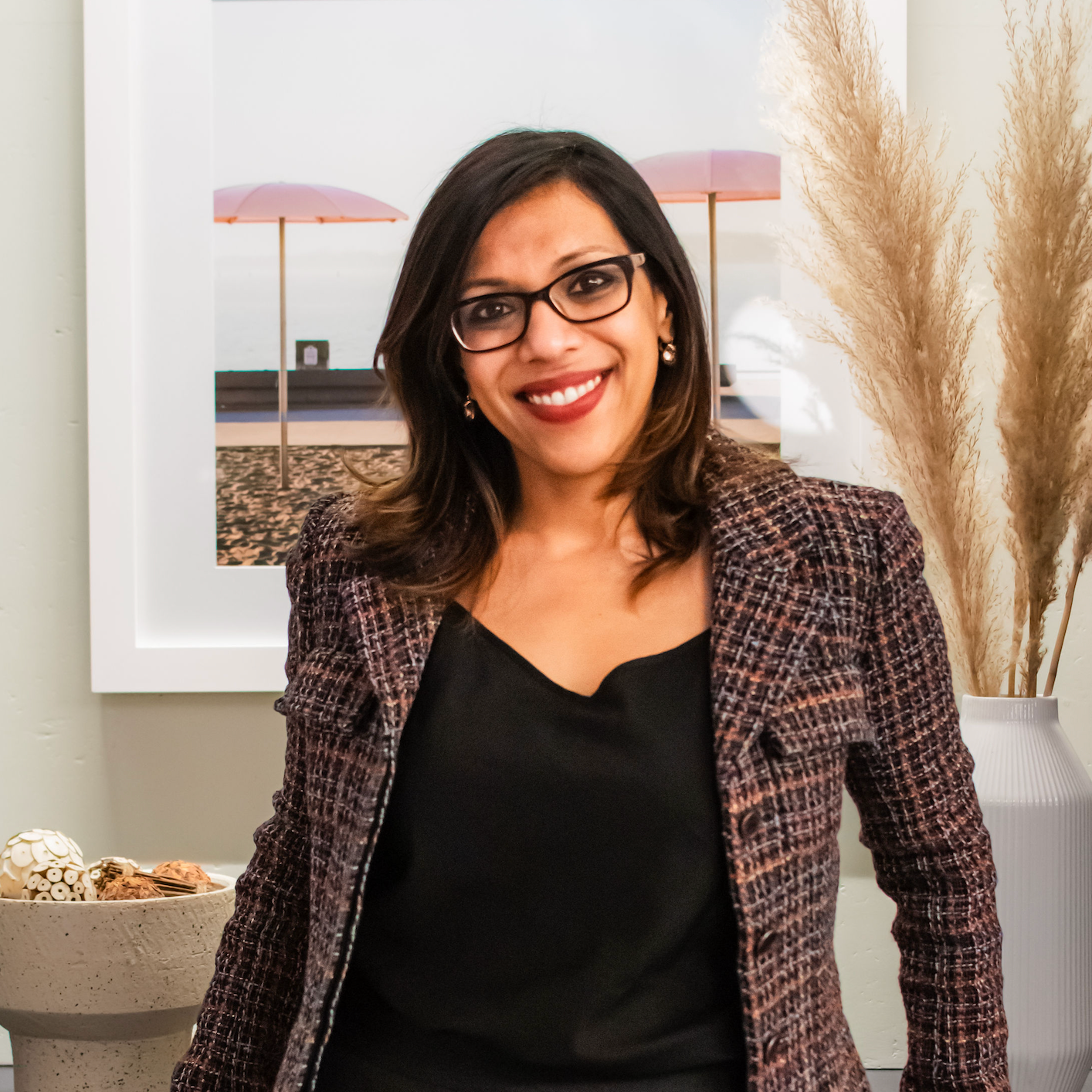
You can be doing all the things, checking all the boxes, and still feel like you’re not fully living your own life.
This episode is about the quiet disconnection that happens when survival mode becomes normal — and how to begin finding your way back.
In this episode of The Energy Fix, Tansy sits down with Dr. Michelle Machado to explore what it means to feel truly alive in a world full of distraction, pressure, and constant noise.
Together, they discuss the gap between what life looks like on the outside and what it feels like on the inside. Dr. Michelle shares her personal journey through disconnection, survival mode, and transformation, while offering practical insight into awareness, identity, nervous system regulation, and the power of small, consistent choices.
The conversation also touches on parenting, emotional regulation, breathwork, boundaries, and the ripple effect our own healing can have on the people around us.
If you’ve been moving through life on autopilot, feeling pulled in too many directions, or quietly wondering, “Is this really how I want to keep living?” — this episode will meet you there.
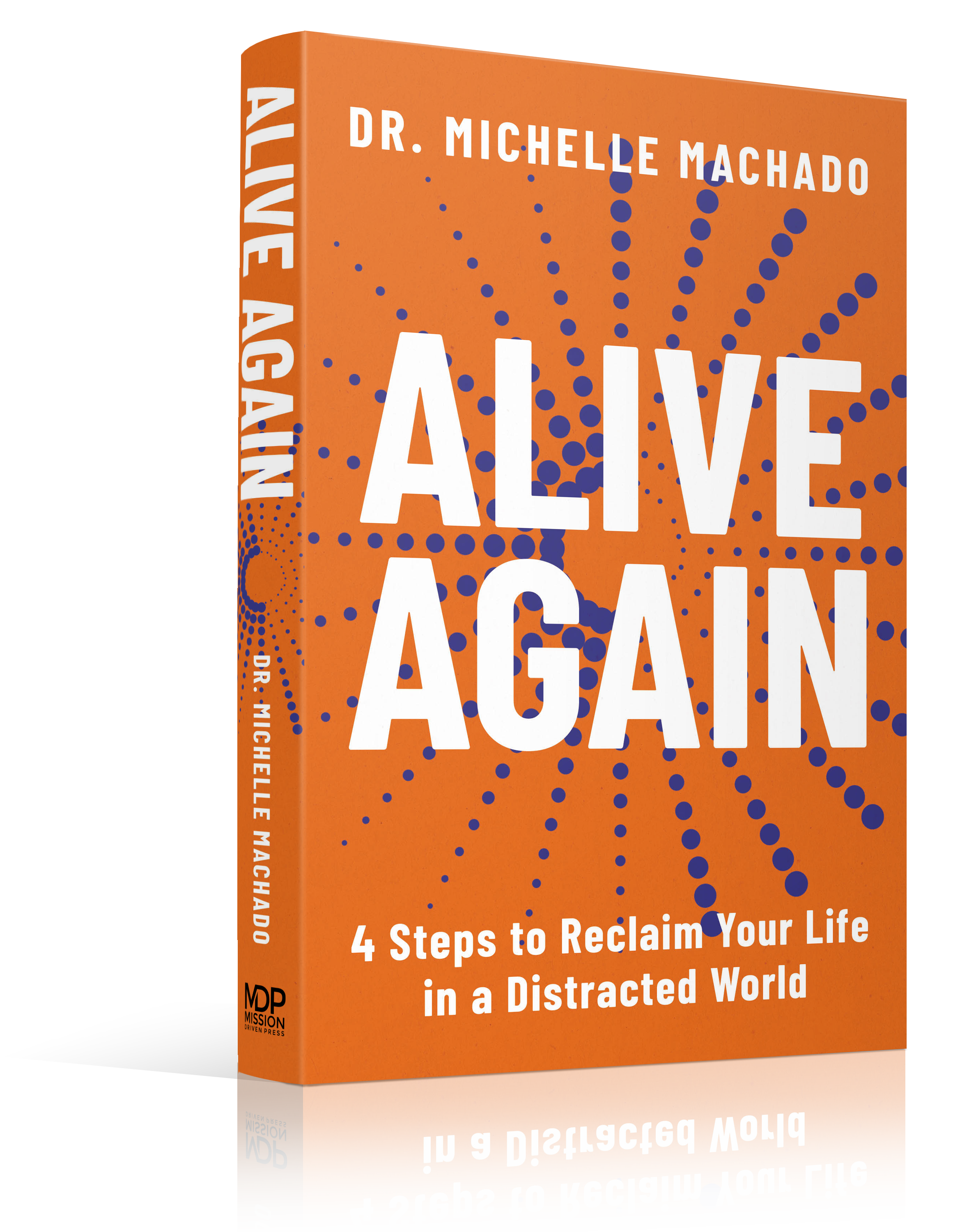
Purchase her new book!
Listen & Watch
🎙
Listen & Watch 🎙
What We Cover
In this episode, we talk about:
What disconnection really means in daily life
The gap between external success and internal experience
Why awareness is the first step toward change
How survival mode blocks access to purpose and creativity
The hidden cost of constant distraction
Nervous system dysregulation and emotional reactivity
The role of identity in shaping behavior and self-worth
Breathwork as a tool for calming the nervous system
Parenting, modeling, and generational change
Why small, consistent actions create real transformation
Dr. Michelle’s four steps to reclaim your life
How to spend your energy more intentionally
Key Takeaways
Disconnection is often the gap between how life looks and how it feels
Awareness creates the possibility for real change
Survival mode can keep you from accessing your purpose and gifts
Nervous system dysregulation can show up as anxiety, irritability, or overwhelm
Breathwork can help calm the body and create space for choice
What you model, your children and loved ones often mirror
You cannot pour from an empty cup
Change begins with small, consistent actions
Your energy is valuable and deserves to be spent with intention
You have more power than you may realize to rewire your habits and life
Favorite Quotes & Sound Bites
A few moments you’ll want to remember:
“You cannot pour from an empty cup.”
“Awareness is the first step to change.”
“You are here for a purpose.”
“You can wire yourself to be a different way.”
“What you model, your children mirror.”
“Change begins with you.”
“You are what you consume.”
“You cannot change what you cannot see.”
“You have the power to master your life.”
Chapters
03:01 – The Journey to Feeling Alive Again
05:54 – Boundaries, Self-Care & the Empty Cup
08:53 – Awakening to Purpose
12:03 – Attention and Its Impact on Life
14:56 – Navigating Distraction in Modern Life
17:59 – What It Means to Feel Alive Again
20:58 – Survival Mode, Identity & Purpose
23:56 – The Hidden Cost of Normalized Distraction
26:52 – Nervous System Dysregulation
37:42 – Breathwork and Regulation
40:11 – Recognizing Alignment and Internal Shifts
43:14 – Rewiring Internal Patterns
46:30 – The Ripple Effect of Disconnection
50:42 – Four Steps to Reclaim Your Life
54:18 – Personal Transformation and Generational Change
01:00:38 – Starting Small and Finding Time for Yourself
Why This Episode Matters
Because disconnection doesn’t always look like falling apart. Sometimes it looks like functioning…
It can show up as:
getting through the day but feeling numb inside
being busy all the time but not feeling fulfilled
living by your to-do list instead of your values
feeling irritable, anxious, or emotionally reactive
reaching for distraction instead of presence
knowing something feels off but not knowing where to begin
And the tricky part? Disconnection can become so normalized that we stop noticing it. This episode matters because Dr. Michelle brings us back to awareness — not in a shame-filled way, but in a practical, compassionate way.
You cannot change what you cannot see. And once you begin to see where your energy is leaking, where your boundaries are missing, and where your nervous system is stuck in survival mode, you can begin making different choices.
About Dr. Michelle Machado
Dr. Michelle Machado is an international keynote speaker, author, human performance strategist and creator of the Human Connection Framework™. Recognized for her dynamic presence as a 2x TEDx speaker, Dr. Machado is a trusted voice on connection and self-leadership in an always-on world. Her work has been featured in Forbes, USA Today, MSN, The Economic Times and Business Insider.
She has also delivered high-impact keynotes for Fortune 500 companies and nonprofit audiences. With a PhD, MBA, and two decades of leadership in universities spanning Canada, Hong Kong, Australia, and the UK, Dr. Machado uniquely blends neuroscience and lived experience to challenge the epidemic of disconnection. She empowers high-achievers to reclaim attention, presence and fulfilment beginning with reconnection to self. Her practical approach has made her a sought-after advisor to leaders worldwide who are ready to transform how they live, work, and lead in a rapidly changing world.
In her upcoming book, Alive Again: 4 Steps to Reclaim Your Life in a Distracted World, Dr. Machado makes the case that high-performance leadership and lasting impact are impossible without first mastering internal alignment, because the way we lead ourselves ultimately defines how we lead others.
Links Mentioned In The Show
Get her book "Alive Again" by ordering here!
LinkedIn: @drmichellemachado
Fusionary Formulas: Use code TANSY15 to get 15% off!
Podcast review promo...Get 15% off a distance energy healing session or a piece of jewelry with a positive review of the show. Email photo of review (after submitted on podcast platform) to info@tansyrodgers.com
Support Beyond The Episode
If this conversation hit home, and you’re craving deeper support (not just ideas, but real integration):
Join the newsletter →
If this episode resonated, take a moment to ask yourself:
Where am I showing up for life but not fully feeling present in it?
And, if you enjoyed this conversation, follow or subscribe to The Energy Fix, leave a review, and share this episode with someone who may be feeling disconnected, too.
Transcript
-
Michelle Machado (00:00.13)
You know, I define disconnection as this gap between who you are on the outside and what you feel on the inside. And that gap can be small, it can be big, it can be as you know, wide as possible. And often we are not tuned into that gap because we are so busy doing the next thing and the next thing and the next thing.
That there's never enough time to actually stop and pause and listen to what your body is telling you. And your body is always giving you signs. But unfortunately in today's world, we don't have time to pause because we have so much on our to-do list, you know, whether it's with your your your professional career, whether it's with family or parenting, there's always something or the other to do. And when you are not able to actually just pause and listen to what what your body's telling you, there's this the gap just grows bigger and bigger.
And sometimes way big until it becomes a little bit too late to recognize it.
Tansy Rodgers (01:09.57)
Welcome back to the Energy Fix, a podcast dedicated to help you balance your energetic body by diving deep into the sweet world of all things health and spirituality. My name's Tansy, and I'm an intuitive Crystal Reiki energy healer, energetic nutrition and holistic health practitioner, and a crystal jewelry designer. It's time to talk all things energy. Let's dive in.
Welcome back to the Energy Fix Podcast. Thanks so much for being back here again with us today. Today, we're gonna be talking all about what it means to feel alive again, truly alive in a world that is constantly pulling us out of ourselves. I mean, just look around us. There's so much going on, and it can be really easy to get very distracted.
So many of us are not necessarily falling apart on the outside. We're functioning, we're showing up, we're answering the text messages, we're making the meals, we're managing our work, we're supporting our family, we're doing all the things. But it's what's going on underneath. Underneath that, there can be this quiet disconnection. The kind where you're distracted all day, you're exhausted at night, you're emotionally stretched, you're so thin.
And not totally sure when you've stopped feeling like yourself. My guest today is going to be talking all about that. Her name is Michelle Machado, and she is the author of the upcoming book, Alive Again: Four Steps to Reclaim Your Life in a Distracted World. And that's gonna be coming out August 11th. So I will have a link down in the show notes, but just keep that in the back of your mind as we go through this.
Conversation today. We're going to be talking all about disconnection, distraction, survival mode, how that affects our energy and our relationships and what it really means to come back into alignment with yourself in a way that is practical and honest and deeply grounded and rooted into your human awareness. All right, Michelle. Let's dive in. Welcome to the show. Thank you.
Michelle Machado (03:29.742)
Thank you so much for having me, Tansy. It's such a pleasure to be here.
Tansy Rodgers (03:33.39)
It is such a pleasure to have you here. You know, having a little bit of conversation prior to hitting record today, I am really excited to get to know more about you and about the work that you do and where you're just really passionate about. So, with that being said, we're just gonna dive right in. Let's get into it. Let's start with the real life conversation. And that is how does someone know?
They're not just being busy or they're not just feeling busy. They're actually disconnected from themselves.
Michelle Machado (04:09.966)
Wow, what a what a great question. you know, I define disconnection as this gap between who you are on the outside and what you feel on the inside. I often say, you know, I've been a medical educator for about twenty years, and I often say our bodies are always giving us signs, right? And that usually manifests in the sense of feelings. Like something doesn't feel right, you know, butterflies in my tummy, or I feel a little bit nervous, or I feel a little bit anxious.
But unfortunately in today's world, because we live in a society in an economy where there's so much being piled on top of us, we are constantly moving and we don't have time to pause to listen to what our body is saying. And I so I I always define disconnection as this gap that sits between who you show the world you are on the outside and what it is you feel on the inside.
Tansy Rodgers (05:07.618)
And you know, it's so interesting to me because I know, you know, I think many of the listeners know of how ingenious the body really is, how it's always talking to us, how it is this beautiful correspondence in how to guide us forward. But what I have found, and I'm guilty of this too, Michelle, is that sometimes I don't give myself the permission to pause.
Mm-hmm. I know I should pause. I don't always give myself the permission. So can you speak on that a little bit of maybe how somebody could give themselves a little bit more of the permission or have a different perspective to be able to navigate this?
Michelle Machado (05:38.702)
I do too.
Michelle Machado (05:54.53)
You know, I've been that person, Tansy. Like I have been the person from the moment I wake up in the morning to the time I go to bed, I am busy doing something or the other. It's my kids getting them ready for school. It's then coming back home, jumping onto the work calls, it's the back to back work calls, it's the work that comes out of the work calls that you don't have time to do, so you slot them into your evening routine. It's then, you know, getting your kids with dinner, bathtime routines, bedtimes, and then back to work or maybe watch Netflix.
I've done it all. And I realized only when I had, you know, just reached the extreme, like reached rock bottom, that something has to shift. And over the past couple of years, I've implemented practices which I speak about in my book. But one of that, one of the biggest realizations I had, you know, a mentor once said to me early on in my journey, Michelle, if you don't put up boundaries, who's gonna respect them?
I had no boundaries. Yes to everything. You need something? Sure. Yes, of course, I'll get it done. And you cannot pour from an empty cup when you're depleted. So for me, that is my phrase for, you know, how to go about ensuring that when I show up for the morning, for the beginning of my day, my cup is full. And so for me to do that, I have a morning practice that I do.
you know, and so many, so many authors, so many, you know, incredible people in the space talk about the importance of just fueling yourself in the morning. And so for me, that looks like waking up. Sometimes it's 30 minutes, sometimes on most days it's about an hour to two hours before the rest of the house is up. And that's because that's my preference. I'm a morning person and actually it's I'm not a morning person. That's a habit I've made created by choice. I've decided that I want to wake up in the morning.
To have that time for myself. And that can involve just sort of sitting with myself in stillness, you know, reading scripture. I'm a person of faith, doing a meditation, just engaging in some reflection. And so when I have engaged in all of those practices in that morning, when I go to wake up my girls, my cup is full. And so they get the best of me and I'm ready to meet the day because I'm I'm already full in terms of my energy, in terms of, you know.
Michelle Machado (08:10.424)
who I wanna be and how I wanna show up. And so I often say to listen as I say to my clients, you have a choice. You know, we often ha are in a world where everyone or something is constantly demanding something from us at all times. But you have a choice in what boundaries to put up, and you have a choice to make in how you wanna show up that day. So start the day before the day meets you.
Tansy Rodgers (08:34.552)
Hmm. Yeah. Well, okay, so you've been there, you've lived it. Yes. I want to hear about your story. What brought you to this work? What helped you transform? What was that moment that you realized that helping people feel alive again was part of your path?
Michelle Machado (08:52.814)
not you know, being alive, but not really living, you know, like really having everything in my life that I could ask for. You know, I'm I I have I have a husband, I have children, I have, you know, healthy, a healthy family, but really just feeling like something inside of me was just screaming. And it's because I was giving myself to everyone and everything. And so a few years ago, I just hit, you know, a really low point in my life where
I didn't want any of it anymore. I and I don't know how many listening can relate to that. You know, you have everything, but you just feel like, I don't want this. This feels too much. This feels too tiring. This feels like I'm constantly giving and giving and giving and I don't feel fulfilled. And, you know, Dr. Joe Dispenza will often say you can change in times of pain and suffering or in times of joy and inspiration. And most of us don't ever change when things are working well, right?
Because why change? Things are working well. But for me, that change happened at the time when I really was suffering. I was feeling a huge shift internally. And I think that's your your soul just calling out to you to say everything I've endured over the past few years, you know, I lived in multiple continents. I as as I mentioned before, I was a medical educator. I taught across the world. You know, I've traveled the world. But in doing all of that, you know.
it got me to where I am, but it was also one part of my journey and now my body and my soul was calling me towards another part and I wasn't ready for it. And so I had to really eventually get to a point where I felt shut down, like I couldn't go on anymore, for me to awaken to the path, to the part that something in me needed to shift. And that began the transformation. It didn't happen overnight.
it it's not like all of a sudden I had this low moment in the next day I was like, I know what I want to do. It took it took months, it took a few years. But it was just immersing myself with new awareness and being open to receiving from the universe, you know, from God as to where do I need to be? Where are my gifts best utilized? And through a lot of, you know, reading actually.
Michelle Machado (11:06.488)
So Lewis Howes, his book, The Greatness Mindset, was something that fundamentally shifted a lot for me because it really got me to unlock the power of my mind and help me understand where my purpose was and where I needed to go from here. And that's kind of, you know, what kick started this whole journey. It's what I talk about in my upcoming book. About, you know, we are all created for a purpose. But I think the pressures of today's world mask that purpose.
And it makes us feel less than. It makes us feel like we are not capable of achieving, you know, anything other than what we think we're meant to achieve. And that book was really the catalyst for change in my life.
Tansy Rodgers (11:47.694)
Mm. So thinking of where you were and where you're at now, can you put a word or a phrase to what you're embodying in this season of your life and as you've shifted and where you're moving into?
Michelle Machado (12:03.286)
You know, that's a great question. I would say a word for me from where I was to where I am today is awakened. You know, I'm awakened because I believe that we live in a world of distraction and that distraction, you know, masks our purpose. It leads us into many different directions. And where your attention goes, your life follows. That's my phrase. Because if your attention is constantly directed.
In my book I talk about three patterns of attention. You're either reactive, where a notification pops up, someone calls you, someone messages, and you automatically react. You know, your attention is going automatically, it's the environment that's pulling your attention away, right? You have no control over where your attention goes because someone's demanding their attention and you give it. The other type of attention I talk about is fragmented, and I think
I still struggle with this because, you know, you know, you have multiple tabs open or you're doing something and then you want to jump to something else. And and so that's something that's challenging, but from a neurological perspective, when your brain is kind of switching between tasks, it actually costs energy and focus. And it takes a lot of time to bring back that focus. And so you have to think about, you know, where are you directing your attention? You know, are you splitting it across multiple tabs, across multiple things?
Or are you really focused on what you're trying to achieve? And the third part of attention that I talk about in my book is avoidant, which is we try to keep busy because we don't want to sit still and listen to the feelings that our body is trying to tell us because we want to avoid the thing that we need to address in order to grow. And so I often say, where your attention goes.
your life follows. And for me, that is where I live today in in everything that I do. I'm very mindful of where I am putting my focus, my energy, my attention. Because if I'm constantly reacting, if I'm constantly, you know, living in a place where I want to avoid something, well, my life is going to follow that pattern. I'm not going to actually be living authentically in who I am and what I'm able to do if I'm trying to hide
Michelle Machado (14:20.588)
the feelings that I'm that are within me or if I'm reacting to the environment around me. So that's one of the biggest phrases that that really guides most of my day.
Tansy Rodgers (14:28.594)
Mm. And I love that. And you know, we have a lot of neurodivergent listeners on this podcast, a lot of ADHD brains that are that are coming on in. And I am sure that that me as well. And so I am I am sure that that really hit home for a lot of people because of how our focus, no matter if you are neurotypical, neurodivergent, whatever it is, that really dictates.
so much of your overall nervous system regulation and your stress levels. yeah. And so and so you talking about that may be a big trigger for some people who haven't quite gotten there yet.
Michelle Machado (15:09.1)
Yeah. And and you know, this is not meant to sort of, you know, shame or blame anyone. I think sometimes our body gives us signs and you know, we have neuroplasticity in the brain, which is nerve cells that fire together, wired together. So if you are constantly engaging in repetitive behavior, your your neurons, your brain cells are wired to y become autopilot with that behavior. And so I always say awareness is the first step to change.
Because you cannot change what you cannot see. And so the whole point of this conversation is to bring about that awareness. And it's going to feel uncomfortable, especially when something hits you, it feels raw. And that's when we go and we're like, I don't want to feel this. So I'm going to do something to keep myself distracted or, you know, engage in some form of, you know, whatever it is, you know, addiction is what we call it, to mask the feelings inside because it's too painful. But you cannot change what you cannot see.
But what you see, you have the power to change. And that's really the purpose of driving that conversation. You know, you talked about nervous system regulation. And if we're constantly keeping our focus and our attention on things that keep us very busy, then our nervous system is wired for that constant input and we're living in survival, right? We're living in stress. You know, cortisol is flooding our nervous system. And over time, that cortisol just becomes, your body starts to become dependent on that.
level of cortisol in your in your in your body and you think, well, I'm feeling anxious, but that's just the way I am. And it's actually a choice we make because our body is programmed for the comfort zone, for what feels comfortable. So how do you rewire that, you know, and and that just comes from being able to bring that awareness first and then take a number of steps that helps you unlearn some of those behaviors so that you can make, you know, consistent
Change over time.
Tansy Rodgers (17:10.253)
And all of that awareness and that understanding and that shifting really kind of comes back to that whole root premise of feeling alive again. Yes. Yeah. Which I mean, the title of your book is alive again. And so it's such a powerful phrase. I'm curious, what does alive again truly mean to you, Michelle?
Michelle Machado (17:33.154)
You know, I believe that well, I now believe that we are all created for a purpose. You know, we are all uniquely dis designed, that you are different, you have your gifts, I have my gifts. And if we are created for a purpose, then our purpose is to utilize those gifts in the service of others, in this you know, in the service of of the goodness of this world. But I believe that in our world of distraction.
and I ha talk about different types of distraction in my book. You know, there's social media and technology, there's the entertainment constantly. Like, you know, now you watch TV and you back in the day, like I you know, I'm an eighties kid and you used to grow up and you have to wait an you know a week for the next episode, right? Whereas now it's auto plays, the next episode autoplays. And so you don't have to wait anymore. But it becomes kind of like binge watching and an addiction. And so we talk about entertainment. I talk about work.
How work can also become an addiction. I talk about news. Like if you're sit sitting and watching the news, you're constantly programming yourself to think a certain way. And so all of those distractions wire your nervous system in such a way that you forget about the fundamental truth, which is you are here for a purpose. You have gifts that you can utilize for a purpose, whether that's in your family, in your community, wherever that is. And so what it means to be alive again is we are all living.
But are we truly living or are we just living in survival? And so to be alive again really means to awaken to the fact that there is a war for our attention and that once we can awaken to the things that we cannot see before, we have the power to change them and we can really create meaningful, you know, impactful lives just by realizing the full potential within us and how to be able to access that potential. And I do that through my book.
through four steps, which is awaken, align, activate, and anchor, four practices to reclaim that life.
Tansy Rodgers (19:34.542)
Now you you mentioned survival. And so I couldn't help thinking about how if we're living in survival mode, that really helps to pull you away from your gifts and your purpose. All of those innate talents and amazing qualities that you were born with, you start to disasso I don't want to say disassociate, that might not be the right word. You start to pull away and just disconnect from the depth of that.
Michelle Machado (20:04.172)
Yeah, because I mean that's from an evolutionary perspective. When you're living in survival, what's happening in your body, right? Your body is releasing a range of hormones, it's cortisol, it's adrenaline. You get into what we call or you activate what we call the sympathetic nervous system, which is, you know, the fight or flight system. And many of you may have heard that phrase before, where your body is preparing to do one of three things fight, flight, or hide. But in that state, and in that perpetual state, particularly with distraction.
When your brain is operating in that state, your body or your brain cannot access a state of, you know, calmness, a state of thinking, what who am I? What am I here to do? How can I serve? You're not, because it's in a survival mode. And so survival mode is important for us from an evolutionary perspective. We were wired, you know, for us to be able to protect us in needs of danger. It's important.
You know, it helps us do you know, when I'm when when when I used to deliver lectures, my adrenaline would be kicked up a notch a little bit before, you know, getting on to that to to that lecture theater with hundreds of students. And that's good. That's good adrenaline. That's good sort of, you know, sympathetic response. But when we are activated constantly, and in today's world we have so many stresses and pressures coming at us, whether it's from, you know, family or society or financially or
Health-wise, there's so many pressures on us. And when those pressures are constant and your nervous system is constantly activated, your body cannot shut off. And when you cannot shut off, there is no way your brain is going to be sitting and thinking about your gifts or about your purpose because it's not wired for that in that state. It is wired for survival.
Tansy Rodgers (21:48.898)
Yeah. you know, as you're talking, I'm thinking about so many of my own clients that come in, they are busy, over stimulated, overworked, over stressed, all of the overs, right? Yes. And so and so one of the things that I hear in their dialogue and that I too have been guilty of, to be fair, is that we start to normalize this distraction.
And it becomes so normalized that we don't even necessarily notice that we're being distracted. Now you've talked about social media and news, but I'm curious if there's any other sneaky ways that this distraction starts to come in that maybe we don't even notice it because it's so minute.
Michelle Machado (22:36.076)
I would say, I mean, so I have four aspects that I talk about in my books. So social media and news is one of them. It's called a student model. So it's social media saturation, it's entertainment, right? It's work and it's news. So when you think about entertainment, like I mentioned, if you have access, we have access to so many platforms today, right? On our phone, at the tip of our fingertips. It's like
Even kids today are walking into classrooms with literally a television attached to their back in some sense. It's in their pocket. Right? We have access to to Netflix, to Apple, to Prime, to Hulu, you name it, and we've got it. And it can become an addiction in itself because I'm sitting on on the train ride home. Well, what do I do? Or I'm sitting on the plane and I'm going somewhere, what do I do? I'm just gonna pull out my phone and I'm gonna watch something and then I'm gonna watch the next episode and then I'm gonna watch the next episode. And that becomes normal because you're keeping yourself busy.
while you're on the way home. But what if you didn't have to keep yourself busy? What if you used that time to just pause, to look out the window, to admire nature, to observe people, to maybe just even speak to someone and connect with someone and just maybe just listen to your body and to yourself. But we don't want to do that. We don't know how to sit still. So that again becomes normalized. And I also talk about work because
Again, when I was growing up with my parents, they went to work and they came back and there was besides landlines, there was no computers back then. And so work was left back at work and there was actual time for meaningful connection at home. They didn't have those sorts of pressures. Yes, I'm sure they had pressures, but very different to what we face today because today we walk around with our phones in our pockets and most most of us are still sort of like work from home, you know, a bit of a hybrid approach.
And when you come home or when you are still at home, the work still follows you, right? You look at your email and you can see all those notifications coming in, or whether it's Teams or Slack, it's constantly lingering in the background. And actually it becomes normalized. So how many times, you know, and I've done this before where I'm sitting at the dinner table and a message pops up and I'm like, you know, just a second, girls, I gotta respond to this. This is urgent. Or, you know, someone's sending me an email and it
Michelle Machado (24:52.588)
It's like, my gosh, this person doesn't get it. And then now your mind is wandering on what you're gonna say and how you're gonna tackle this response. And you have now shifted back into work mode when it's like seven, eight PM at night and you're meant to be putting your kids to bed. And how many of us do that? Because it's now normalized. It's part of our society. And we also live in a culture where people expect you to respond and people expect you to deliver. I don't care what level you are or how much you get paid, you gotta get your job done because things have to move on.
I mean, I've heard that from so many of my clients when I talk about boundaries. Michelle, you don't get it. Like, it doesn't matter. There's no nine to five. Like I have to get the work done. But I get that. At what expense? At what expense do you lose yourself in that process when you're trying to get your work done, but you're neglecting the person in front of you and you're neglecting yourself alongside it? Because
You know, a week later, a month later, or years later, anything happens to you, you're replaceable to your work. You're not replaceable to your family. And I think that's the pause that I really want people to understand is we get so caught up in the things of our, you know, the to-do list of our world that we don't realize that the greatest gift we have to, you know, our family, our inner circle, is our presence and our attention. And but we can't do that when we're
Pouring depleted. And that's why I always say you cannot pour from an empty cup. you know, and so those are the th ways in which things can start to become normalized. And in our world today, it is very easy to have that normalize. And that is why I say, awaken. Awareness is the first step to change because it's so routine, you don't realize it. You don't realize it's a problem until something starts to shift in your life, until your body gives you more signs.
that requires you to go to the doctor. So, you know, those are just some of the examples I speak about in my book.
Tansy Rodgers (26:52.174)
Break because I want to share something I make that's meant to support you in real life, not just look cute on your wrist. I create intentional crystal jewelry through BEU crystals. These pieces aren't random. I design them using crystal energy, and I also weave in numerology and geometry, and I infuse the pieces with Reiki Healing Energy as part of my process to really help support you on an energetic, deep level.
They're like little wearable anchors, the kind you can touch when you're overwhelmed, when you're heading into a hard conversation, or when you need a reminder to come back to yourself more solid, more grounded, more authentic. I'm not here to tell you that jewelry fixes everything, but I am here to tell you that having a steady physical cue can change your day, especially if you're sensitive, easily overstimulated, or your brain likes to sprint.
Way ahead of you. If you want to browse what's available or see what is newly released, head on over to BEUCrystals.com. I'll link it down in the show notes so that you can easily shop and check out what is available. And as always, if you have any questions or you want to do any custom work, you can easily reach out to me right there. Okay, let's jump back into this episode.
Mm-hmm, you hit a lot, I think, that are going to hit very home to so many people. I mean, just that simple act. I mean, how many times I've been standing in line waiting to get my cup of coffee and I just pull my s I pull my phone out and I check my emails or I check to see if I got any text messages and and and I'm I'm I know that part of that for me comes back to my ego. Well.
I have to be on top of this. If I'm not, I'm not being a good quote unquote. I'm using air quotes here, good person or a good daughter or a good entrepreneur, right? And so thinking about that, Michelle, what do you think? What do you think most people are trying to avoid when they're constantly staying busy or distracted or plugged in?
Tansy Rodgers (29:14.632)
What are they trying to not see? Or do you think that it's just that they just are they're just automatically in in that kind of a mode?
Michelle Machado (29:24.248)
think it a lot of it has to do with identity. Like who do you identify as in that phase of your life? You know, for me, I identified as the the the go-getter, the high achiever, you know, the the working mom, the one who could do everything and hold the fork down and be the emotional anchor of my home while also delivering and being the person who could deliver the impossible at work, while also being able to be there for my parents and be there for my family and respond to their needs.
while also like living up to society's expectation, you know, get all the degrees possible and move up the the academic ladder in my case, it was my identity. And I tie that identity back to a lot of invis these are invisible pressures that that happened. And I think one of the biggest pressures that we put on ourselves is our own self, you know, our own inner critic, our own inner voice. What are we telling ourselves? So if we are telling ourselves that
You must keep busy because you know you have to be able to get this done. Everyone's counting on you. Don't drop the ball, right? Don't make noise. Just keep going. Then you are constantly going to take actions that reinforce that belief that you have about yourself. And and I so I think to be able to really unravel that requires you to pause, requires you to engage in practices.
That gets your nervous system to be in a state of calm so that you can start to ask these questions about purpose, about who you are, about what your values are and what your beliefs are. And who said that you have to be, like who said that you not responding to a text means you're not a good daughter or you're not a good entrepreneur? Like who makes up these rules, right? We make them up for ourselves. There's nobody here like holding a pen, like you know, saying you didn't do this, or you're gonna get this label.
We label ourselves. And I think sometimes I say we are our own worst enemy. You know, and and I think we have to really just pause to be able to understand, you know, Peter Sage, who talks about goop, which is the good opinions of other people. We put so much of emphasis on what other people think about us or what other people are gonna say about us, but people don't realize that people aren't really thinking about you all the time. They're busy thinking about themselves.
Michelle Machado (31:45.502)
And so I think we just need to really, you know, Lewis House talks about, you know, worshiping other people's opinions on an altar. That's what we live most of our life by thinking about what other people are going to say about how we enact our lives. But no one really cares. Everyone's worried about their own journey. So I think we need to get out of that. We need to question the beliefs and the thoughts that we have and then really need to pause about well, where where who do I want to be? Where do I want my attention to go?
And I think start there, start small. You don't have to do anything big and grandiose. You can start small because it's the consistency of actions, repeated actions every single day that will slowly start to shift your, you know, your life over time.
Tansy Rodgers (32:30.86)
My gosh, as you're talking, I I I just started to connect these dots. So, like it's who you identify as, which then that really dictates what your brain has been wired to think, right? Yes. And all the way back in the very beginning, you talked about the plasticity and the neural pathways and needing to rewire or what has been already, right? So it's like what we identify with connects to what
The brain has been wired to think, which then makes it harder to stop identifying as being busy, stressed, overwhelmed, et cetera, et cetera, et cetera. Yes. It's a big cycle.
Michelle Machado (33:13.376)
It is a s and it is a vicious cycle if you don't interrupt that loop. It can go on and on for years, for decades, and that creates our personality, which is what we say, I'm just wired that way. Yes, you have wired yourself to be that way. But the good news is you wired yourself to be that way. So you can wire yourself to be a different way. But it takes energy and effort and focus, but it is absolutely possible.
Tansy Rodgers (33:18.701)
Yeah.
Tansy Rodgers (33:41.55)
So let me expand on that then because again, it all comes down to the roots being this nervous system regulation and getting yourself into a regulated state to be able to start shifting and maneuvering things, right? if somebody is feeling like they're very dysregulated, they're exhaust I would love for you first to talk about what that
what the nervous system dysregulation typically looks like here. Okay. But then also if somebody is feeling dysregulated and can identify with some of these symptoms, how do they even start to shift if maybe they're feeling so exhausted or feeling like they can't really see the forest from the trees?
Michelle Machado (34:23.959)
Yeah, I mean there are so many practices. I think so nervous system dysregulation, what does that look like? Well, you know, when your body is constantly in stress, you know, you've got a flood of cortisol hormones that are flooding your body throughout the day. You'll find yourself more irritable. You'll find yourself getting angry more, you'll find yourself getting you know, frustrated.
You might be the one where you're driving and you're honking at someone else because they're not, they're driving too slow. You basically just find yourself on edge all the time, right? More anxious. you find yourself not you. Like if you really pause, you're like, this is not who I used to be. And I don't know what's going on, but I'm just so, I just don't feel like me anymore. That's what happens when your nervous system is constantly in surrounding mode. So anything that happens in your day, you're reacting to it.
And you're not reacting to it in a positive way. You're reacting to it, you know, out of we you know, without even thinking about what the other person's telling you. And I see people like this all the time. I can tell, I can look at someone and I can tell you that they are in overdrive because of how they present, because of the energy they give off. Right? I mean, I'm sure you've been in a room where you can feel someone's energy and they are so generous and
grateful and positive in in how they show up. And then you can be in another room and you walk in and you without anyone saying anything, you can feel like there's tension. You can feel like something feels off here because maybe someone's been arguing or someone just doesn't look really good or something sad has happened and someone is just very despondent. You can feel that because energy transfers. And so nervous system regulation shows up in many different ways all along.
all of it through body cues and also through verbal you know, expressions. And we just have to be able to tune into that if we are looking for it. There's a lot of signs. So how do you shift? If you are that person, and I used to be that person, I used to be that person where because of the volume of my to-do list and, you know, raising young kids at the time, you know, I had my my youngest was like, I think, you know, two
Michelle Machado (36:42.87)
And then five, there's about a three and a half year gap between the two of them. And raising them, especially during the pandemic, when, you know, I was working in a new job and I was giving my youngest like, you know, 30 minutes of coconut. I mean, I speak about this in my TEDx talk. You know, 30 minutes of coconut and then 30 minutes turned into an hour and then an hour and a half because I had things to do. And it was the only way to get her to stay still. Otherwise, she wanted to be on me. And I saw the implications of that over time, but it also
changed me over time because then I became more more, you know, sharp. I became, you know, more abrupt. I became not a great I didn't see myself as a great mom because I was always reacting to like little tantrums rather than showing them, you know, that compassion. I was like, why are you not listening? Why are you not doing this? for the umpte time. Like, my gosh. You know, that constant, it became normal for me. And so for me to step back from that, I had to, again, awareness of realizing
that you know, you're and I use this in my book, they they've been sort of the biggest. My children have been some my greatest teachers and they've been the reason why I am doing where I'm doing because what I model, they will mirror. I often say this. What you model, your children mirror, right? And this is not the behavior I want to model for my kids. So I had to pause. And in that pause, one of the quickest ways you can shift your nervous system out of like this dysregulated state is the breath. And people often think
I'm breathing, but there's there's mechanics to the way you breathe. And so when you inhale through your nose, right, you inhale, take this deep breath and hold it and hold it for like, you know, two seconds, four seconds. The longer you can hold it, the better. But then you exhale slowly through your mouth and you prolong that. So if you're inhaling for four seconds, try exhaling for six in a very slow state.
You actually trigger the vagus nerve. The vagus nerve is the only nerve in the brain to leave the brain and innervate the rest of the body. You stimulate that nerve and it slows your heart rate down. It actually, you know, opens up the airways to get more air into your lungs. And it actually calms the nervous system very quickly. Andrew Huberman has like, I think he calls it the physiological thigh. You know, you can also practice that, but it's all around the breath.
Michelle Machado (39:06.804)
And if you can use that in moments where you find yourself like you're about to react or you're about to just, you know, lose your cool, this is one of the quickest ways I think that you can really just calm your nervous system, step out, engage in these brats, whether it's five of them, and you will see the shift almost instantly. And of course, outside of that, there are many other tools that that are available. But I think this is one of the quickest ways to shift in the moment. I mean, we're breathing anyways.
You might as well just, you know, do it differently five times and look at the shift that happened.
Tansy Rodgers (39:41.814)
Yeah, and and you don't need any extra equipment or tools. You can do it anywhere. Yeah. Beautiful. Beautiful. And, you know, as you were talking, I was thinking to myself how this can really be s quite different for so many people depending on their levels of trauma. Yes. Depending on where they're at hormonally, you know. Of course. A a a woman in their early twenties is going to look way different than a woman in her mid fifties, right? And so and so
Michelle Machado (39:46.849)
Absolutely.
Tansy Rodgers (40:11.49)
Thinking about that can really say that that person may be out of alignment for quite some time and they may not actually realize what it means to be in alignment. So thinking about this as people as as people start to shift and change their nervous system responses, what have you seen are some of the first tiny clues that they're coming back to themselves, that they're starting to feel aligned again. Yeah.
Michelle Machado (40:39.374)
I I actually have a chapter where I speak about this. And, you know, one of the first things is again, it's the feeling. It's a shift in how you feel every day. And my clients would say, you know, I feel a lot calmer today. I had a situation that happened and my old self would have reacted automatically, but I didn't react. I feel a lot calmer because I've been doing those practices consistently. And I think it's it's it's the note, it's the
body's way of signaling to you that something is shifting. So when you are in this in this notion of wanting to be the same person and make the same choices every single time a certain situation happens. And in that moment, your awareness, your alarm bell goes off. It's like, don't do that. And it's microseconds because you pause instead of reacting, instead of saying something, like, you know, back in the day, if I wanted to, my husband's like, I always say, my husband is
what's the word I use? My husband is task oriented and I'm time oriented. Basically what that means is I'm always the person that's punctual and he's not because he's task oriented. And so it would always bother me before. Like when we're getting ready to go somewhere and he's like can you know, just typical of him, he's always late, it would really irk me.
And what I realized is I'm only just upsetting my own nervous system. I'm only j and then you're shifting the entire mood for that day or that outing or whatever because I'm now worked up and upset that he's late. And so when we would have that situation and it still happens, I have to catch myself. And I was like, don't say anything and just go off and do something else to you, like, you know, either I sit and I either read something or I'm going and doing something else that I said I would do later.
I keep myself focused on a different task or whether it's just pausing so that I'm not reacting to the situation at hand. And that's one of the first things that I notice my clients saying has shifted is their response to their reaction rates. Instead of having it instantaneous, they've paused. Why? Because they've taken the practice to build that awareness through the consistent practices that I teach them.
Tansy Rodgers (42:58.42)
Mm. I love that example because I think so many people think that coming back into alignment are these big shifts like getting a new job or you know, leaving a relationship or whatever it is, right? U sometimes it's the real small things.
Michelle Machado (43:14.4)
You have to, I always say change begins with you. You can change your environment. You can change your job. You can change your house. You can change your relationship. But if you haven't changed your wiring internally, the same issue is gonna manifest in those new environments. You know, that's why I always say, I you know, people say, Well, what do you do? I say, I help people upgrade their internal operating system.
To meet today's external demands, because today's demands are piling on people and we're trying to keep up with a nervous system that was, you know, and that goes back thousands of years. And so how do you upgrade that state? Because when you upgrade your state, you'll be able to deal with all the challenges of today's world. Do you have to change yourself from within first before you look to change anything else? And that's not to discount people that obviously are living in traumatic, you know, challenges and situations, of course.
But this is really just for the general, you know, if you are dealing with you don't like your job or you're having a challenging, you know, conversation with your kid or your spouse or whatever it is, sometimes we often say, Why can't you just hear me? Why can't you just why can't you just listen to me? Sometimes you've got to shift perspective and look at it. Well, okay, how do I show up? How do I communicate in a way that makes them feel heard so that I'm not reacting? Because when you react, someone's gonna get defensive and react back.
Right, that's just human nature.
Tansy Rodgers (44:44.75)
Break.
Because inflammation is one of those root issues that can quietly mess with everything, like your energy, your joints, your digestion, your recovery time, your mood, and even mental clarity. And here's the tricky part. A lot of people wait until they feel terrible to actually support inflammation. But inflammation is often a slow build. Things like stress and sleep and food choices, hormone imbalances, overtraining.
Under recovering, well, it all stacks up. That's why one of my consistent staples is turmeric gold by fusionary formulas. It's designed to support a healthy inflammatory response, and I like it because it's practical. There's no complicated routine, it's just a really grounded, steady support that you can actually keep up with. And it is clean products. If your body has been feeling more achy,
stiff, foggy, or reactive than you want it to be, this is a solid option to consider as part of your foundation. And you can use my code, code TANSI15 for 15% off your entire order. Tomer Gold isn't the only thing they have. They have an array of incredible products that you can explore and try out.
I will link it down in the show notes so that you can easily jump right on over and use that code COTETANSY15 for 15% off. Alright, let's get back into this episode.
Tansy Rodgers (46:25.43)
I think it's really easy to put the blame outside of us.
Michelle Machado (46:30.05)
Hundred percent. Always. Always. Because again, that's where we don't want to look within. The fault is never with us. It's the person. And don't get me wrong, I did this for a long time, right? Like as my husband, he's always the late one. Always the late one. Like why can't you be on time? And you have to reframe. Well, he's task oriented. Like he is focused on what he's doing and he gets so caught up in what he's doing that he forgets that that he has to be somewhere.
And so my job then is to show compassion and empathy and just guide him to say, hey, I give him a time that's 30 minutes earlier than we actually have to leave, you know, what strategies can you use? But you've got to just figure out how to w navigate certain situations. And it's the same with kids and it's the same in any other, you know, work environment. How do you work with the person in front of you? Not by changing them, but but by changing your approach and your perspective, the lens through which you see them.
Tansy Rodgers (47:26.338)
Yeah. And I think too that when we forget to shift and look at the change of perspective within ourselves, it also makes it that much quicker to disconnect from ourselves, right? And we've talked about that already. But I'm curious how you've seen when people start to become disconnected from themselves, how does that really impact then? Like what what does that ripple effect look like?
out around them, kids, partners, coworkers, clients, whatever it is, right? How does that ripple effect start to really ripple out and affect the world around them?
Michelle Machado (48:08.002)
And I think and and again I see this with, you know, a people a lot of the time, when you are disconnected and you don't realize you're disconnected, you're obviously picking up these habits along the way, right? So you're on your on your device the whole time or you're you're immersed in your work or you're just constantly watching certain show and it's wiring how you think and how you show up. So remember everything, you know, I often say, when we look at, for example,
physical exercise and diet, right? When you go on a diet, you're so focused on what you put into your body because it's important if you're trying to, you know, achieve a certain goal. Well, it's the same thing for our mental diet. You are what you consume, right? That phrase, it's the same thing. So what are you consuming? Whether it's through social media or entertainment or news or work, what are you consuming? Because you are what you consume. And so when people are disconnected and they're consuming all of these external distractions,
They're showing up in certain ways that is being modeled for their family members or their colleagues, right? So whether you're reactive, if you're reactive, your kids are picking up on that. Your colleagues are picking up on that. So when you show up for a meeting, everyone's already on edge because they know you're the reactive type. So they're gonna just like, you know, be cautious in what they're saying and how they're saying it and how they're showing up for you. And if it's at home and your kids are seeing that you're the reactive type.
they're again gonna try to walk on eggshells or even worse, they're also going to become reactive. And so it just ripples out and you don't realize it because you don't realize that you're the one that's the that's the seed that's actually nurturing that. You know, you can nurture good behavior, you can nurture bad behavior. And when you are actually so immersed in today's world and pressures and distractions, you don't have time to pause that
To realize that you're the one that has to shift. Because of course that behavior can change. What you model is what others mirror. So ask yourself, what are you modeling?
Tansy Rodgers (50:14.318)
Yeah. I love that. Well, let's let's talk about forward approach, right? So your book talks about four steps to reclaim your life. You've already mentioned what those were. Yeah. But I would love for you to walk through walk us through these four steps and what each one helps us to rebuild and and how it can help build this framework that we need in order to be able to reclaim our lives.
Michelle Machado (50:42.22)
Yeah, thank you. So, you know, the first that mentioned the first pillar is awaken. I o you know, you cannot change what you cannot see. And so the first, you know, few chapters of the book is really around bringing yourself to that awareness. you know, through there's a there's a battle for our attention, right? Where our attention goes, life follows. What are the distractions that we see in our world? How is that shaping our brain and our in our behavior? And how is that shaping you as you show up? So that's kind of the first pillar.
The second pillar goes into alignment. Once you see, right? Once you cannot change what you cannot see, but what you see you can change, you've got to start thinking about, okay, what do I want to change? And this is where I go into creating a life by design, not a life by default. Most of us are living by default. We wake up in the morning and we do the same things over and over again, day in and day out. But if you start to really examine your patterns of behavior, you start to examine how you're showing up.
in your home, in your family, with with your loved ones, with your colleagues, and you start to really examine what is it that fuels me, what is it that doesn't, you can start to create a life by design. Who do I want to be? Where do I want to go? And and once you have that blueprint, then you start going into activate. Activate is the set of practices that can help you really start to create this life by design.
But there's there's a process to it. It's not a one-stop shop or it's not a you do this for one week and you're gonna be a new you. It's really about you know consistency of those practices. And I give and I give the readers, you know, a variety of practices that they can engage in. They're pr pretty much everything that I do. You can do one, you can do all of them, whatever works for you. And finally, the last phase is anchor. Now, of course, we live in a world where
You know, there are good times and there are hard times. There are challenges that that come up in our way, but we see them as opportunities. And so when those challenges arise, how do you anchor to the practices? Because it's the consistency of those practices that help to wire those neurons, those brain cells. So how do you anchor? How do you stay grounded when life shifts? when life shifts.
Tansy Rodgers (53:02.158)
Or shits which yeah, same thing.
Michelle Machado (53:06.754)
Same thing. And so and so how do you stay grounded in that? It so those are sort of the four phases. But the beauty of this is I talk about the change that happened in my life as I engaged in these sport practices and the impact it had not just on me and towards moving me towards a greater calling and a purpose in my journey, but the impact it's had on my kids and on my family. And, you know, just breaking those generational cycles. We often don't realize that
We inherit so much through our upbringing and through generations of upbringings that we just pass them down unintentionally if we don't stop to pause and examine those patterns and question it and ask, is this what I want to live by? Is this what I want to create for my kids and their families? And when you can really just stop to do that, you are breaking generational cycles. And that's what it then means to really be alive again.
because you are the ripple. You become the ripple for your children and your legacy to get passed down and create a new definition of of aliveness. And that's really what the book is about.
Tansy Rodgers (54:18.304)
And and can I just emphasize here what you said? You said that when you do this work, it starts to you become that ripple. You start to create shifts, not only in your immediate life, but also in generations to come. So for all of those individuals out there that are saying, But I don't have time, this feels selfish.
This feels like it is not really going to matter to the people around me, the things I need to get done into my job. The reality comes down to you aren't just doing this for the now. You're doing this for that ripple effect.
Michelle Machado (54:49.966)
Yeah.
Michelle Machado (54:59.062)
Hundred percent. I mean, we can talk ourselves out. I mean, our brain is so good at talking ourselves out of doing things that are uncomfortable and out of our comfort zone. It will come up with a million reasons. But you have the power. I mean, I I so believe this and I have come to see it in my own life. There is so much power within us and we have to tap into that power and you know, when you can really learn how to master your mind and master, you know, the way you think.
you can really learn to master your life and the generational effect that it will create is just monumentous. And I and I for me it's just something that has really shaped my thinking around this. And I just said to my girls this morning, I said, maybe, you know, my journey is not just about putting out this book. Maybe it's about me doing my inner work so that you can do your inner work and you can go out and change your generation. Maybe that's what my purpose is. I'm still finding it out. But if I didn't step into my calling,
Then my girls don't get to see me, a different version of me that empowers them to go and step out into their calling.
Tansy Rodgers (56:03.904)
Yeah. yeah. I think and and again, I'm guilty of this too. I think that so many of us get caught up in this concept of what is my life purpose? Why am I here? I am meant to do great things. Maybe I'm supposed to, you know, shift the world in all of these ways, right? When sometimes it is literally your purpose is meant to be an incredibly compassionate mom.
For your children to help influence whatever their journey is.
Michelle Machado (56:38.798)
Hundred percent. Hundred percent. I mean, if you think about, you know, the greatest people in your life and if you think about the one person, if I say think about one person in your life that has really impacted you in a deep way, or the one person you'd would just love to have a conversation with today, I guarantee you that may not be a person who's got a lot of money or is like a celebrity or an Olympian, but that person is someone in your family or in your network that just gave you the best of who they were.
That made you feel seen, that made you feel heard, that gave you good food. You know, and I think of that and I think about my parents and I think about my mother in law and they give me the best of who they are. They may not have much in terms of like financial resources, but they give me their love and they empower me and they support me. And that has been enough for me to be like, I got this, I can do this. And so I th I I invite, you know, your audience to be able to think through that. It's not just about you.
It's about the ripple that you create for others to shop.
Tansy Rodgers (57:41.558)
Yeah. Mm. Out of those four steps, do you see one of them being one that people resist the most? And if so, why do you think that is?
Michelle Machado (57:55.362)
I would say activate. I mean it's easy to awaken. I wouldn't say it's easy, but when you you know, I always say to my girls, once you see things, it's very hard to unsee it, right? So once you paint a picture for someone, they're like, yeah, you're right. And but that's not the hard part. It's it's okay to have the theory and the knowledge that this is the way our world is and this is how it's operating underneath the surface and what it's doing to our body. The hard part is the action and that's where activate comes in. Activate talks about a set of practices.
that I am recommend you do in the morning in particular. And and I talk about people saying, I'm not a morning person and people will say, I'm a night person. And I say, well that's a choice you make. Right. And the the reason it's so hard for people, it's because it takes time. And we live in a world today where we are losing our patience because we can tap our fingers and get things for us in an instant, right? Like I mean you look at the dopamine effect.
That we're getting from being able to do everything online, whether it's ordering food or groceries or just accessing our apps and watching television and anything. It's so instantaneous that we are losing the ability to be patient. And change takes time, which requires patience. And that is why people will often falter. And so I talk about these practices in my book, but I say it's okay if you miss a day, as long as you get back the next day.
Don't just be like, I missed a day or I missed two days. forget it. I'm not doing it. It's not worth it. Because then you're back to square one. And so would you rather, you know, would you rather take that effort, a little effort every single day to implement these changes so that five, six months, a year down the road, you find yourself at a different point? Or would you rather just stay where you are, do as you're doing.
And then five, six months to a year down the road, find yourself complaining about the same state of where you are. It's a choice. And I think that's the hardest, you know, the hardest thing for people to do is to make those changes every single day. But it is doable.
Tansy Rodgers (01:00:08.33)
Yeah. Michelle, for the busy, over-responsible, over sensitive person that is listening to this, what is a practice that they can do today that can really just help to make them feel more here, more grounded, more connected, more like themselves? Where can they get started? Other than of course reading your book, where can they really just do something small right now?
Michelle Machado (01:00:38.072)
I would say take five if if you're a person that does not take any time for yourself, I would invite you to take some time for yourself. Now I'm not gonna dictate what that time should be. I think only you can know how much that is, but even if it's five minutes or ten minutes or an hour, find time in your day to take.
That time for yourself. And when you do that, I'm not asking you to go open your phone and watch something on your phone or go through Instagram or TikTok. I want you to just maybe take a few breaths and pause. Play some calm music, play some meditation music or mindfulness music, or listen to just songs that fill you up and breathe. Start there. There are so many practices that I can share, but I don't want to overwhelm your audience.
Start with time for yourself. Remember what I said at the beginning. You cannot pour from an empty cup. And so if you are constantly pouring and pouring and you are depleted, you have to be able to find ways to charge yourself. I say this to my girls all the time. When they are coming, Mummy, Mummy, Mommy, you I'm in the shower, Mummy, they knock at the door, Mummy, and I'm like, girls, can I have like a shower in peace, please? You know, and so I often say to them, now I've learned over time.
Before I go in, like I need some time or space. It's been a busy day and I'm just, you know, I'm feeling my nervous system, like I can feel on edge because, you know, if it's work pressures or whatever it is, I say to the girls, I'm like, baby, you see my phone? Mummy's at one percent battery right now. And I wanna be with you and I wanna listen to what you have to say, but I need to go charge up. So give me fifteen or give me twenty minutes.
And I go away for twenty minutes, whether that's in the shower or whatever, it's in just in my bedroom, listening to some music, doing some breathing. I take that time for myself because then I can give them fullness. I can give them my full presence as opposed to giving them this this this version of me that has depleted, that is, you know, just so thinned out that I am more reactive and frustrated with them than actually being loving and kind and empathetic.
Michelle Machado (01:02:54.272)
and listening to them. So I think those are just small practices that I can share with the audience. I lived it. I still live it and I have to everything I speak about in my book, I practice, but I'm not perfect. I still have days where I I falter and it's about getting back up on the horse again and saying, you know, I got this. Yesterday is over. Today's a new day. Let's start again.
Tansy Rodgers (01:03:15.374)
Honestly, I think that as probably the best starting point because so many people don't even give themselves permission to do that. So perfect. Perfect. And you know, before we really start to wrap up this conversation, I would love your input here.
your book through the work of your book, what is your hope that it starts to do either physically, energetically, whatever it is, what do you hope that it starts to ripple out into the community that surrounds us?
Michelle Machado (01:03:54.326)
I always say my mission is to awaken a hundred thousand lives in in you know, in one year. It's a big it's a big bowl's mission. But if I can be the start of that ripple, because once I awaken those lives, I'm sure once you, you know, you once you see something you cannot unsee it, it will start to create something in people that will cause them to be able to shift. And and so that's my biggest goal with this book is to awaken them. I have to start the first step.
cannot change what you cannot see. So my first mission is to awaken people.
Tansy Rodgers (01:04:27.424)
I love that. this has been so beautiful. Now, before we get into the logistics of where people can find you, and of course, talking all about getting their hands onto your book, let's do a few rapid fire questions to connect into you and to learn more about you personally with how you interact with some of this information that we talked about today. So
There's only three. Don't worry. They're they're they're they're they're low key stressors. All right. Okay. All right. Are you ready? Okay. All right. First question. What is one tiny thing that makes you feel instantly more alive?
Michelle Machado (01:05:00.002)
Ready.
Michelle Machado (01:05:09.442)
My kids.
Tansy Rodgers (01:05:10.798)
Hmm. Which is so interesting because you feed off of their energy and then when you are fully charged, they feed off of yours.
Michelle Machado (01:05:22.754)
I don't see them until I fully charged. But when I see them, it just, you know, they they I I'm grateful for them. I'm grateful. So when they're, you know, having meltdowns and having difficult conversations, I remember the fact that I am so grateful to have these two beautiful souls that I get to influence in my life. So they feel me.
Tansy Rodgers (01:05:42.86)
I love it. All right, question number two. What is one distraction you personally have to watch because it pulls you out of yourself?
Michelle Machado (01:05:54.042)
that's a tough one because I've become very good at not letting the distractions get me. But I would say if I look at my book and I talk about social media, entertainment, news and work, I would say work can pull me in and I have to obviously put those boundaries up and say, That's it, you know, I need I need time for with my family now. So
Tansy Rodgers (01:06:17.056)
Yeah. Well, you know, you talked about that before, like an addiction. Yeah. Addictions are something that never truly go away. You just always have to work on that.
Michelle Machado (01:06:25.516)
Yes, absolutely. We've got to put those boundaries.
Tansy Rodgers (01:06:28.13)
Yeah. All right. Final question. If your energy could speak before your mind came in to edit it, what would it say today?
Michelle Machado (01:06:40.809)
Your energy's a bank. Spend it purposefully. I love it.
Tansy Rodgers (01:06:50.414)
Michelle, thank you so much for being here today. Where can people find you? Do you have anything other than your book? Do you have anything else going on in your work that you want to talk about? And then of course, how can we get our hands onto your book?
Michelle Machado (01:07:04.608)
Yeah. I guess the one thing that I would say is, you know, your calm is contagious, but so is chaos. And so when we talk about the ripple effect, right, think about how are you showing up in your world. Think about what it is you are embodying and exuding out to people around you because energy transfers. And so if your energy is chaotic, that's gonna transfer out. But if your energy is very calm,
And you've poured into your cup and you're showing up gracefully, no matter what's coming at you, that's contagious. That's gonna ripple out to people. So that's the one thing that I would leave people with. And for anyone listening, please follow me on Instagram at Dr. Michelle Machado. you can also find me on LinkedIn at the same name. And you'll be able to access my book links through Instagram and LinkedIn. and of course I will share all the details for your show notes as well.
Tansy Rodgers (01:08:02.21)
Yeah, yep. And as always, everything will be down in the show notes. So keep your eyes on bookmark when this book is going to be coming out in August. I am so excited to get my hands on it too. Michelle, thank you so much for being here today. Thank you so much for sharing your passion and your heart. I appreciate you.
Michelle Machado (01:08:15.342)
Thank you.
Michelle Machado (01:08:22.488)
Thank you so much, Shanzi. It was such a pleasure.
Tansy Rodgers (01:08:28.568)
This conversation just felt like such an important reminder that being alive is not the same thing as getting through your day. It's really about allowing yourself to truly step into the to the beauty that you are, to who you are meant to be, and to do that with open arms. And for anybody listening.
If this episode stirred something in you, if you realize that you've been functioning, producing, caregiving, managing, surviving, but not truly living, I hope that you can take this and just embrace it. Take it seriously, but also gently, having compassion for yourself on this journey. Thank you so much for being here today. And until next time, keep spreading that beautiful energy you were born to share.
