

Ep. #158: [Health Book Series] Burnout, Human Design, & Finding Purpose with Laura Cardwell
Burnout isn’t just about doing too much. Often, it’s what happens when we’ve been living out of alignment with who we actually are.
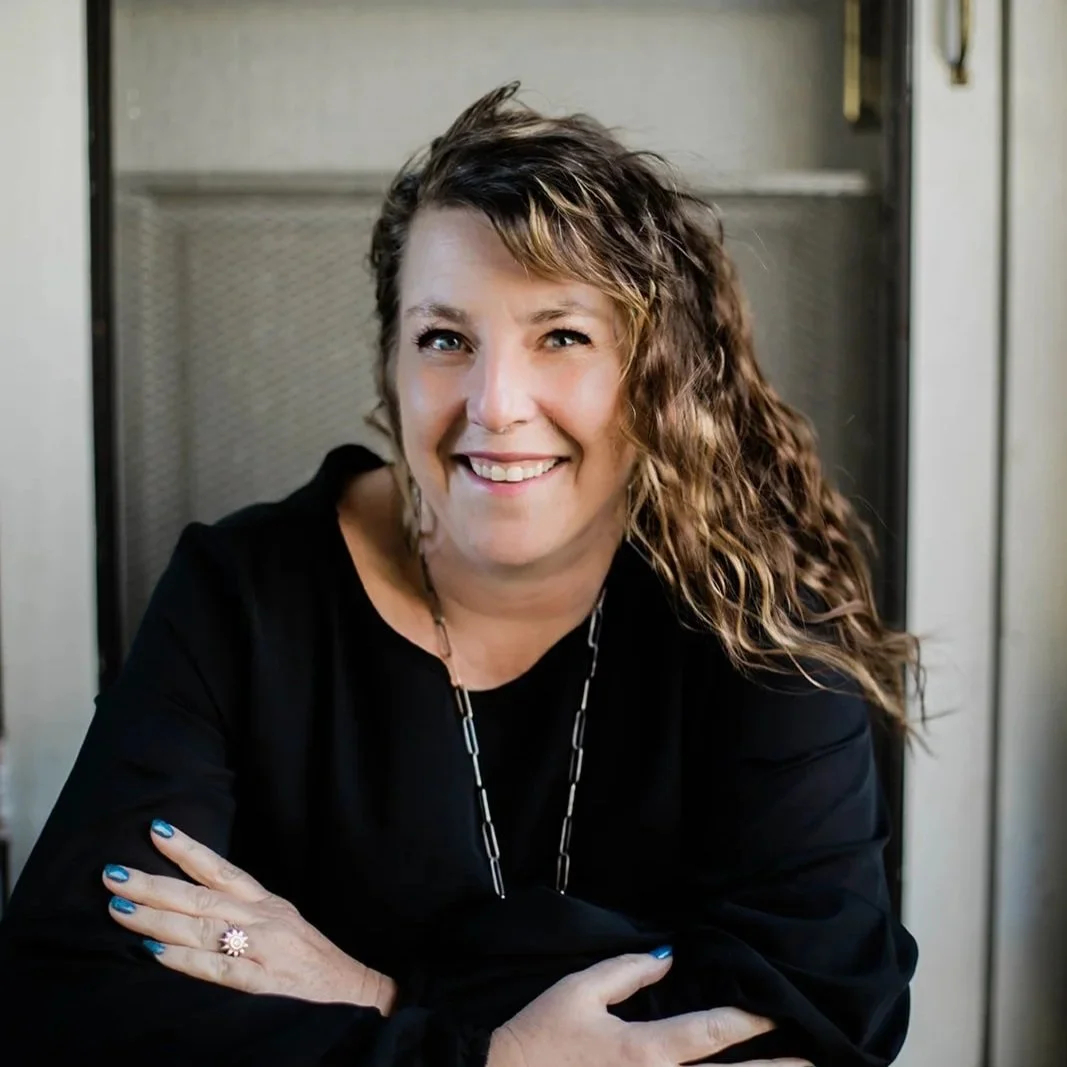
In this episode of The Energy Fix, Tansy is joined by Laura Cardwell for a grounded, honest conversation about burnout—what it really is, why it lingers, and how understanding your energy can change everything.
Together, they explore Human Design, the role of joy and play in adult life, and why burnout often shows up as fog, frustration, and emotional depletion long before full collapse. Laura also shares her journey into energy medicine, introduces the concept of neuro cohesion, and talks about her book Unstuck Yourself as a practical path back to purpose and vitality.
This is a spacious, permission-giving episode for anyone who’s tired of pushing, forcing, or trying to “fix” themselves.
Disclaimer: For entertainment and educational purposes only. Not medical advice, diagnosis, or treatment.
Listen & Watch
🎙
Listen & Watch 🎙
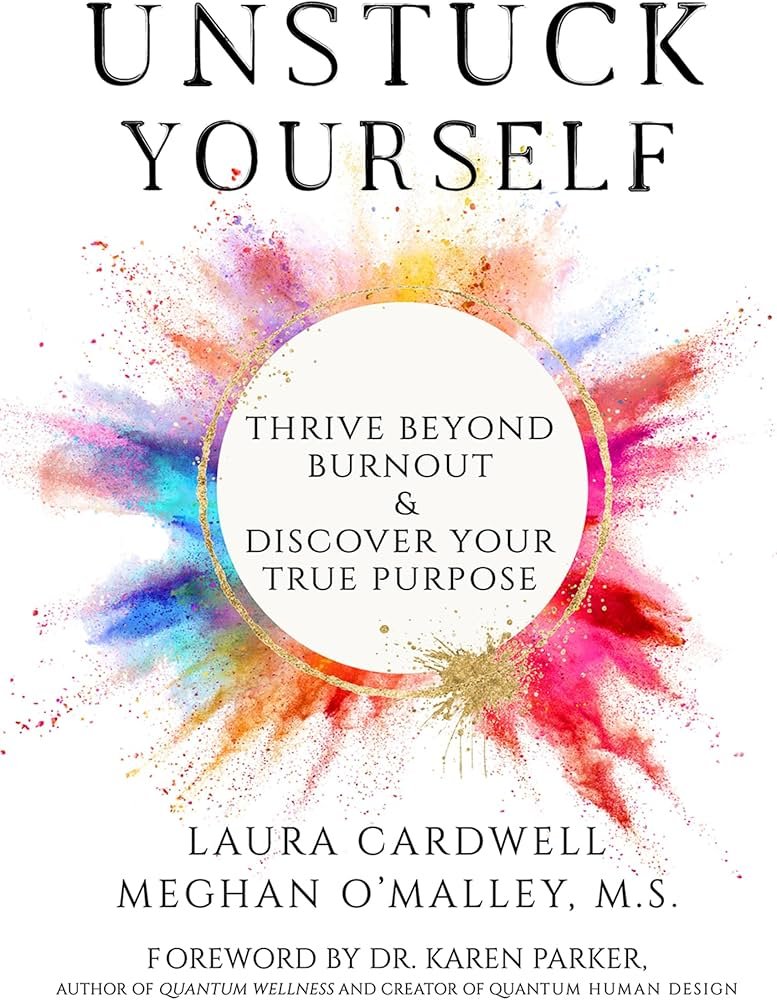
Purchase her new book!
What We Cover
In this episode, we talk about:
Why burnout is more than stress or workload
Mental fog, irritability, and emotional depletion as early signals
How misalignment—not failure—drives burnout
Human Design energy types and how burnout shows up differently in each
The Generator experience of frustration and learning to respond
Why play, curiosity, and mischief actually matter
Laura’s shift from a conventional path into energy medicine
What neurocohesion is, and how it bridges awareness with action
How small, aligned changes can create real relief
Key Takeaways
Burnout is not a personal flaw—you’re not broken
Prosperity includes joy, energy, and aliveness, not just productivity
Play doesn’t need an agenda to be meaningful
Alignment with your true self is stabilizing for mental and emotional health
Different energy types need different burnout strategies
Learning to listen to your body and inner response is foundational
Purpose isn’t pressure—it’s a source of steadiness
Favorite Quotes & Sound Bites
A few moments you’ll want to remember:
“Burnout is not just about too much stress.”
“Burnout is the result of living out of alignment.”
“Play is defined as having no agenda.”
“We don’t need any more hustle culture.”
“Burnout is not a problem—you are not broken.”
“It’s more about who you’re being than what you’re doing.”
Chapters
04:33 – Guest Introduction: Laura Cardwell
12:50 – The Importance of Play and Joy
15:48 – Laura’s Journey: From Muggle to Magic
28:05 – Unstuck Yourself: The Book and Its Purpose
31:49 – Purpose, Response, and Alignment
39:45 – The Generator Experience
46:31 – Human Design Energy Types
51:22 – Burnout Through a Type-Specific Lens
01:02:47 – Burnout in Non-Sacral Beings
01:05:33 – Alignment vs. Overwork
01:09:02 – Human Design & Personal Growth
01:14:31 – Neuro Cohesion Explained
01:20:33 – Behavioral Shifts That Matter
01:24:24 – Closing + Book Insights
Why This Episode Matters
Because burnout isn’t just about being busy or stressed.
It can show up as:
waking up already tired, even after “enough” sleep
mental fog, scattered thoughts, or a brain that won’t power down
irritability, low tolerance, or feeling emotionally thin-skinned
losing your spark for things you used to enjoy
saying yes out of obligation, then resenting it later
feeling disconnected from your body, your joy, or your sense of purpose
And the most frustrating part?
You can be doing all the right things—resting, self-caring, trying to stay positive—and still feel off.
This episode matters because it reframes burnout as misalignment, not failure. Laura brings language, perspective, and real-life tools that help you understand why your energy feels depleted, and how different people burn out in different ways.
This conversation isn’t about fixing yourself or pushing through.
It’s an invitation to listen differently, soften the pressure, and remember that purpose, play, and energy aren’t luxuries—they’re stabilizers.
The goal isn’t to become more disciplined or productive. The goal is to feel like yourself again.
About Laura Cardwell
Laura Cardwell is a transformational speaker, coach, and author of Unstuck Yourself: Thrive Beyond Burnout and Find Your True Purpose. With advanced training in applied neuroscience, energy medicine, Quantum Human Design, and holistic health, Laura helps purpose-driven leaders, entrepreneurs, creatives, and individuals break free from burnout and realign with their authentic blueprint for joy, prosperity, and sustainable success. She is the co-founder of Embodied Leadership by Design and the creator of NeuroCohesion®, a methodology that blends science and soul to create real, embodied transformation.
Links Mentioned In The Show
Get the book! Unstuck Yourself
Laura's website : www.lauracardwell.com
Burnout Bracelet: beucrystals.com
Just Thrive Probiotics: Use TANSY15 for 15% off!
Podcast review promo...Get 15% off a distance energy healing session or a piece of jewelry with a positive review of the show. Email photo of review (after submitted on podcast platform) to info@tansyrodgers.com
Support Beyond The Episode
If this conversation hit home, and you’re craving deeper support (not just ideas, but real integration):
Join the newsletter →
If this episode resonated, take a moment to follow or subscribe to The Energy Fix. Reviews help this podcast reach more people who need grounded conversations like this one.
Have a topic you want explored, or a question you’d love answered on the show? You’re always invited to reach out and suggest it.
Transcript
-
Tansy Rodgers (00:13.73)
Welcome back to the Energy Fix, a podcast dedicated to help you balance your energy body by diving deep into the sweet world of all things health and spirituality. My name's Tansy and I'm an intuitive crystal Reiki energy healer, energetic nutrition and holistic health practitioner, and a crystal jewelry designer. It's time to talk all things energy. Let's dive in.
Today we're gonna be stepping into the wild world of burnout conversation. This is a conversation that is always very near and dear to my heart and something that I love to talk about, especially when it is filled with so much practical advice and really steps back and looks at it with a lens that is much deeper than just stress management. Because burnout, it's not just about too much stress.
It's what happens when your system has been in override for so long that even rest doesn't really feel restful anymore, no matter what you do. And this is especially true if you have any kind of trauma or PSD or neurodiversion that you are working with. It's so important to keep this in mind. Burnout is not just about too much stress.
It's mental fog, it's irritability, it is sleep issues, sleep that doesn't restore you. It's motivation that disappears and it's that low level dread that follows you around like this clingy energy. No matter what you do, it's always just still there. So today in this episode, we're gonna really be digging deep into how burnout intersects with purpose and alignment and the way that you're wired.
We're gonna talk about the science, the science meaning soul side of the nervous system regulation. We're gonna be talking about how your perception shapes your reality and also how to reframe it without bypassing life in a real way. We're gonna bring some human design in. Human design as a map for sustainable success, not more hustle. We don't need any more hustle culture going on, right? And.
Tansy Rodgers (02:30.37)
We're also gonna be talking about what prosperity can look like, what it includes joy and resonance and actual energy in your body. And today's guest is an expert on all of these things. I have on the show today, Laura Cardwell. She's a transformational speaker, a coach, and the author of Unstuck Yourself, Thrive Beyond Burnout and Find Your True Purpose.
Laura has advanced training in applied neuroscience, energy medicine, quantum human design, and holistic health. And she's also the co-founder of Embodied Leadership by Design and the creator of Neuro Cohesion. It's a methodology that blends science and soul to really create this full, real embodied transformation. Now, quick note before we jump into this conversation.
If burnout has really been showing up hard for you lately and you need some support, you want some support that's gonna help you to recalibrate your energy and your stress levels, head on over to tansyrodgers.com. Over there, you can book a healing session with me. There's multiple ways to work with me to help to calm down that stress, to clear out the energy, to help recalibrate you and get you into a place where you can actually access the clarity and the healing that you need.
The link is down in the show notes. I'll also link down there my burnout bracelet over at beucrystals.com. My burnout bracelet is specifically designed with the crystals and the intention and the design process to help you step into a more grounded, low-stressed environment, energy, to help you move through that burnout phase that you might be experiencing right now.
Okay, let's dive into this conversation. Here's Laura Cardwell. Let's dive in.
Tansy Rodgers (04:33.124)
Welcome to the Energy Fix Podcast, Laura. Thanks so much for being here today.
Thank you for having me. I'm so excited about our conversation today.
First off, have to say, for those who aren't watching the video of this, as soon as we signed on to have our chat and our interview, your energy is electric. my God, it just exudes out of you. I don't know if it's the pink glasses or if it is just, if it is the cool earrings that you're wearing. I don't know, but like, yeah, it's just.
Thank you.
Laura Cardwell (05:10.67)
It's fancy. do you get to go along with me all of my life and be like, Tansy is going to introduce me. Yeah. Yeah. Thank you. Yeah.
I just wanted to highlight that because I think that that's really, it's a really great basis to lay that foundation of what we're gonna actually be talking about today and your journey and how it has shifted and transitioned you into this vibrant, energetic being that is sitting in front of me today. So I'm really excited to dive in. But as always,
Let's get to know you a little deeper. I want to know where you're at right now in this season, 2025 as we're recording this. What is a word or a phrase that you're really embodying right now in this season of your life?
So I have a quote that has been floating around, especially maybe the last four months of my life. And it's a Mary Oliver quote. And the quote is, believe in kindness and also in mischief. And that's what you often see. But the rest of that phrase says also in singing, especially when singing is not prescribed. so I've been, it's kind of a long quote, but what I want to say to that is I've been really, mean, kindness is
It's just in general, I think a way to be, but I've been really leaning into my purpose in this world is really kind of joy driven and that there's a mischiefness to me. That's always been there. So I my mom would tell you that's been who I am since I was little. and I think it's because a couple of months ago or almost a year ago now, I joined this thing. live in Asheville, North Carolina, and I joined this thing called the Asheville beer choir.
Laura Cardwell (06:59.816)
And whether or not you drink beer or not, doesn't matter. But, it is a weekly singing and just for fun. And I think right now, this season in my life, I'm so centered in what I'm doing for my career. And that's, and that's a, my career is, you know, as we're to talk about all the rest of this thing, I'm really at a season in my life where I'm like, where am I also just playing? Where am I making a little mischief? Where am I?
having a little fun, where am I singing, especially when singing is not prescribed? And so that's how I would answer that question right now.
I love that. And you know, as soon as you started saying the word playing, and then you went into mischief and adding that in and just finding that joy in your life, the question that popped into my head immediately was, I feel like we have gotten to this place, like we're not allowed to play. We're not allowed to have fun, especially if you're an adult. Like you can't really have fun. And if you are being mischievous,
You are obviously adolescent, right? So, Laura, talk about what you're doing to let some of those thought processes, some of those stereotypes just fall to the wayside for you and step closer into this concept.
Yeah. I think it's a journey, right? I mean, I think we, we play hard as kids and then we, we adult, you know, you kind of wake up at one day and it's like, Oh, I'm an adult. should be adulting for me. That actually happened fairly early. I, I got married fairly early in my life. was 24 and by 26, I had my first child. And so it was, you know, I think you just kind of get into a place where everything is about.
Laura Cardwell (08:47.232)
Well, what we talk about in the book is kind of the grind. I'm like, I'm trying to make money. I'm trying to raise my kids. I'm trying, everything's trying and doing and hard and heavy. And my youngest kiddo just turned 18. And so this year I've been saying that I graduated from being mom. You don't, you know, they, they talk about, they prepare you for empty nesting. They talk about empty nesting and which I think is, funny cause they actually don't leave. come, they bring all of their stuff back to your house for another.
six years, but what it does do is it kind of, it actually, your role moves from this, you know, it moves more into like a consultancy, right? You're more there for them to consult. You're not really in control. You never really were, but you know, like it's this time where you're kind of transitioning out of this leadership role for them and more into like a guide and
That opens the door, I think for, who, who do I want to be if I'm not always attentive to my career and these little beings that are, that you're trying to like give your energy and attention to. And I think play is something that's always been a big part of my life. I never, I think it's just my personality traits as well as like, you know, as much as I try not to, but actual play has been hard for me to.
reconnect with. can be playful, just playful, and I can be playful in experiences. Like I love to go to, we have an amusement park around here called Dollywood. It is Dolly Parton. It is amazing.
I've there. I've been there.
Laura Cardwell (10:29.538)
Yeah. like, know, like, I always say for the square footage, it's the best rides for the square footage. and so I, like, I like, I love stuff like that, but the actual, do I just make space in my day to play and to, you know, dance or sing or, or draw those felt frivolous and.
I think we forget how important play is to access imagination. And then we also undervalue how important imagination is when we're trying to live on purpose, that creativity and that curiosity is kind of center to your beingness when you are living a purpose driven life. so pure plays is kind of foreign still to me. I have a hard time just like.
Play, think play is defined as having no agenda. And I think I always have an agenda. It's like even at Dollywood, I'm like, I have an agenda. We're going to all these rides, you know? So it's like, so yeah, I think it's a season of play for me and re-establishing what no agenda feels like in my life, which is new.
Thank you for sharing that. I was really curious what your answer would be to that because as we're going to, we're going to be talking a little bit about human design today and bringing that into the conversation. And so this is why I'm going to point out what I'm going to point out in my gene keys. And I forget what sequence I forget, but regardless in my gene keys, one of my big players is that I am very serious and I really struggle.
with finding the play. Yet my soul, Laura, my soul wants to play and to jump and to twirl and to just be free like that. But yet that peace within me is constantly pushing up against the border of my being. And so thank you for for explaining that for you, that really it can be a season and just allowing yourself to expand into what
Tansy Rodgers (12:47.542)
ever timeline that feels right for you.
Yeah. Yeah. I think, I think even if it's not in your gene keys and it's not in your design specifically, I mean, we all have all of the chart. have all of the gene keys, right? But I think we've gotten to a place where just culturally, everything is very serious. You know, like we're just, we are just serious being so, and then I think there is a tendency in personal growth or spiritual growth to take it really seriously.
know, like, let's get really serious about it. so, or at least I do, I have a Scorpio moon, if I look at my astrology, I'm a Libra sun and a Libra rising with a Scorpio moon. like the seriousness in there can be intense. And I think we just have to take the moments where they are and try really hard to find a pocket of, and this has been a challenge for me. I had a
coach who made me create. said, where did you play the most when you were little? And I used to clear out the bottom of my closet and I made like a little fort in the bottom of my closet or for a while I had a My Little Pony tent that dates me, but it was pretty amazing. And you know, it was like a space. And so he had me set that space up with like crayons and paper and just play space and the church is dancing.
When I first started doing it, I'd go sit in there and just sit almost in tears. Cause it's like, I, I have no desire to play. had no, you know, like I didn't even know what to do. It was like, I literally had forgotten. And, and I think in different seasons, when there's an opportunity, it can be a really beautiful way to reconnect to self.
Tansy Rodgers (14:38.126)
Yeah. well, let's let's talk about your origin story. Let's talk about this path that has unfolded for you, because obviously this this concept of playing more and being in this this mischievous play is probably part of that journey. And so I would love you've used the phrase and this is also in Harry Potter. You use the phrase about being a muggle, like moving from being a muggle.
to magic. And so I want to know what really cracked you open first on your path from moving from being a Muggle to magic. And what did you have to really retire to surrender to do this work that you do now?
that's such a good, rich, deep question. I mean, it's a lot, you know, we can really unpack a lot of it. There, it's a long journey to this moment in human time, right? But I did have a pretty serious childhood. I, I mean, I did get to play a lot too, but I also, I had some typical of the capital T traumas growing up. You know, I had a
An intense relationship with my dad that was, it put a lot of seriousness and a lot of, fight or flight into my life really early. Right. And so, and then like I said, I got married pretty young, relatively speaking, and had our first kiddo really young. so the journey there, I ended up, kind of career soul searching. had a degree in creative writing.
that's, and then I got out of school and was like, I don't know what to do with that. And I was doing some photography work and then I started working in some event planning. And then I, and then I became an art jeweler and I, I was an art jeweler for about eight years and art jewelry was a place where I could have hung out in play, but I didn't, I turned it into a company. I turned it into this, you know,
Laura Cardwell (16:45.728)
early on, I did not understand about myself that one of my drivers in my human design, which I know we'll get to and talk about, but it was a lot of like having to prove my value and prove my worth. was always a more creative kiddo, but I was raised in a logic scientific family, you know? So it was like, so
Even with jewelry, I had this opportunity to really be have this creative career. And then I grew it too fast without the right support systems. I didn't really know how to do things. And I ended up in a state of burnout that left me actually physically, an adrenal fatigue and unable, unable to function anymore. And it forced me to stop. And I think in that time I learned
I had the, I had the gift of being able to take some time. Not everybody has that privilege, but I, you my husband was able to support us and I was able to, to really sit and be quiet and ask. Like I kept looking at jobs and I just knew I wasn't here to have another job. I just knew I was here for something bigger than that. Not, bigger, like famous, but like purpose driven. I didn't understand those words at the time, but I just knew it had that meaning in my life. I couldn't just go get a job, even though.
I was interviewing at Trader Joe's like, it's like, I want this, I just want to go and I want to smile. I was so tired from having had my own company. I just wanted to have it be easy. But, in that journey, I actually ended up stumbling across energy medicine, which at the time I didn't know anything about. And I can't say I was anti and woo, you know, like, but I didn't, I was, I was skeptical.
You know, like I, and I have some in my human design, I have a lot of the skeptical doubt kind of things. And so, and they serve me to help me ask more questions when I put them in perspective. And so, I actually kind of, I have a running joke that I often accidentally back myself into situations. Like I, I'm like suddenly somewhere and I'm like, I'm learning this right now. And I didn't know. And so I actually got to my very first class in energy medicine, but I had no idea it was energy medicine. I thought it was some sort of muscle.
Laura Cardwell (19:03.822)
chiropractic something going on. so my first class that she says something about working with it when you're working with people's energy systems. And I was like, I'm looking around the room, like who does that? And everybody's nodding along. And I was like, shit, we do that here. You know, and it was like, I'm learning energy medicine. You know, and I actually called my husband that night and I was like, this is energy medicine. And he was like, my goodness.
What the, so I, I kind of backed my way into it, but of course that was the moment of switching from that muggle moment to this magical moment of just like the, when I discovered that you could work with the energy of someone's system. And for me, that was actually in what we call applied neurology. So it was more the energy system of the nervous system and actually the brain function.
More than it was like the subtle body or, you know, working with the emotional body at the time. I mean, we were, but we were also working literally with pathways in the brain. And it was just like, blew everything open. And then it made me question everything, right? Cause now I'm on the other side of that, that doubt and that skepticism. And I'm in a career. mean, it was, it was really beautifully aligned and, and I, just turned into this huge career of.
being able to help people by working with the subtle body and the emotional body and the mental body. And that helps them actually heal holistically, you know? And so, so that's kind of how that's the quick long story of how, how I got to that place of like, this is what, when we work with the med, mean, it would literally, if for anybody who just, who has discovered energy medicine in their world, for me, I was always kind of like,
Is this really going to work? Is this really going to work? What I'm doing here? Is it really going to work for you? But early on my career was in brain integration, which helped ADD and ADHD and learning differences. And I, every time, you know, it was like, we were handed this protocol and this training. And they said, as long as you do A to Z in this order, these are the results you were have. And, and I needed that in the beginning, I needed the kind of the consistency of doing the same thing again and then again and again, but
Laura Cardwell (21:26.71)
It was always, it was always just awe inspiring to see that, to see what it can do. And so, yeah, that's how I got here.
What made you really realize that energy medicine was working instead of just this concept that you literally tumbled into and did a back flip and all of sudden you're in a seat in an energy medicine class, right? Like, yeah, like what happened and what changed that perspective for you?
Right?
Laura Cardwell (22:01.388)
Well, I mean, so I got there because when I was in that kind of fetal position between being an art jeweler and this career that I'm in now, my, my youngest was going through this brain integration process for dyslexia and about three or four sessions in, we started to see some subtle changes in how she was reading, you know, just like retention and reading.
But after about 16 weeks of him working with her, you know, she was in second grade and already calling herself stupid, which was just the, it's heart wrenching to see what happens with learning differences in, in system. Right. So it's like, within a few months, four months of this energy work, specifically, he was doing this kind of protocol a to Z. She went from someone who was calling herself stupid to someone who was really embodied in her truth.
She was vibrant. She, she was moving away from some of that. you could tell her emotional body was heavy with not being good enough. And, and we were watching that change, right? So we were watching the emotional state of her shift from this very heavy, struggling place to this kind of thriving place. But specifically there were things like, you know, her whole life at that point, she's in second grade her whole life. I've been saying things like,
Pick up your towel after she had a bath or you know, whatever. And never, not once had she ever picked up her towel. You know, like it was like, it was always a thing. And I use that as an example because one day she picked up her towel and she hung it up and no one said anything. Just after the bath, it was part of what you do. And it was, I literally sat that night in the hallway outside of her door and just sobbed because I re what I recognized was that she was beginning to put together.
the pathways were open to put together action and consequence, which she was having a really hard time with. And that's one of the things in ADD that's really hard. They don't, that prefrontal cortex doesn't really register the consequence of the action. And, and what I realized more than anything was she was getting this space between what she used to do and what she could do. And literally physical things were starting to be different.
Laura Cardwell (24:31.872)
And I couldn't deny that, right? was just like, you can't deny when you're seeing the physical things change, you're seeing the emotional things change. You're seeing the mental things change. I was watching her read and it was just amazing. You know that I, I don't know if your listeners have heard people with dyslexia, but it's so much more than just things that are turned around. They literally can't remember sight words. They, have to decode everything and
So you're reading with them and they know the word on one page because it was there and then they don't know it on the next page. And, you know, and I was watching her just move from this, this, this reading as a struggle to reading as a joy, you know, it was just a really, it was powerful. And so that's why I went for the training. I, went back to Wes and I said, I don't want to step on your toes, you know, but I think I want to train in this. he's, he said, great, you know, go do it. I would love for you to do that. And
And I did. I actually, you know, again, kind of magical in my own world. came back and I said, I think I'm going to do this as a career. And he said, great. I've been, he was, he's an intuitive. He said, great. I've been waiting for you to say that I'm selling you the company. I'm moving to Florida. I'll mentor you for the next three months. And then you're, know, it's, it's yours. I was like, Holy cow. You know, it kind of stepped into it fully. So yeah, that's it's, I think it takes for somebody who's skeptical. I think it takes kind of sometimes really physical things. You know, we need to.
We need it, you know, for those of us that have very strong logical minds. Some people, they don't need it so much. It's easier for them to believe right from the get-go, but I needed all of it and I got all of it.
Yeah, sometimes we need that bridge to take logical to what we can't put our finger on to tangibly touch or to see. And also I think it's fascinating that this was the experience of your daughter and her journey rather than something that happened to you, which I think is also quite powerful because when you can see with your eyes.
Tansy Rodgers (26:36.684)
to somebody that you love so unconditionally and you can see that joy and that innocence literally transforming back in your eyes? my goodness. How can you deny that?
Right. You can't, you can't. mean, that's the, yeah. I think for me, it had to be not me. To be really honest, I'd had some energy work done. You know, I, Wes, my mentor at the time asked me, he was like, have you ever done any energy work? And I was like, yeah, I had my chakras balanced once in college. He was like, that's not, but you know, it doesn't stay that way. And I was like, what? You know, like at the time I believed.
And,
Laura Cardwell (27:17.312)
As long as you'd had it done, stayed that way. I just didn't dawn on me that it would, you know, it's so funny now to think back about how, how far I've come, you know, like, but he was like, I think you probably ought to investigate having more of a spiritual practice and more energy work done for you so that you can feel it and not just see it and something else.
And speaking of how far you've come with that whole concept, I you also wrote a book. So I want to mention the book now, but we're going to be talking about that later on in our chat, right? But I just want to get that onto the forefront of this conversation so that people are aware you have a book out too. Can you tell us a little bit about your book, the name of your book, and what it is all written about?
Absolutely. Of course I can. It's called Unstuck Yourself, Thrive Beyond Burnout and Discover Your True Purpose. really this book, I wrote it with a co-author with Megan O'Malley. We wrote it together and we wrote the book we needed. We wrote the book of what we were living and
We were trying to find kind of these things that she and I are both deeply spiritual beings with lots of personal growth, lots of coaching background, lots of energy medicine, applied neuroscience. Um, but we weren't seeing it all kind of come together in integrative and holistic ways. You know, we, both knew human design. We both knew the gene keys. I, know, I have all this background in energy medicine and applied neurology and five element work and applied neuroscience and
We were really struggling to see how it, you know, everybody was having to kind of learn everything to get any of the benefit of any of it. You know, was, that's how it felt at the time. And so, but both of us had also really found that burnout is the result of living out of alignment with your true being. And that's what we would say your purpose is, is not what you do or even why you do it, but it's more who you be. And then.
Laura Cardwell (29:27.298)
from being that it's why you do things and what you do. And so we wrote a book to help people get to that place.
A quick pause because burnout doesn't just live in your life, it lives truly in your body. And one of the first places that stress shows up is in the gut. When your system is under pressure, digestion starts to get really weird. Cravings start to get loud. Your sleep can become incredibly choppy and your moods can feel like it gets incredibly triggered over anything that happens.
gut isn't this nice to have experience is actually part of supporting your resilience and supporting this potential for burnout to completely take over your life. That's why one of my go-to staples is Just Thrive, specifically Just Thrive Probiotics. It's a simple way to support your microbiome, especially when life is getting busy. Your nervous system is already doing the most that it can do. It needs a little extra support.
And honestly, when you're already in burnout or heading towards it, the last thing that you need is a complicated routine. Just Thrive Probiotics creates a simple way to take care of the situation. If you want to check it out, I have a link down in the show notes. When you click that link, you can use code TANZIE15 to get 15 % off your entire order. Just Thrive Probiotics is one of my absolute favorites and non-negotiable.
for my gut health. Head down to the show notes, click the link, and use code TANZY15 to get 15 % off your entire order.
Tansy Rodgers (31:19.978)
All right, beautiful. OK, so let's talk about who you be. Let's talk about who you be, right? Let's talk about a little of your human design. Let's set the preface and just talk about what is your type, your profile line, your strategy, your authority. I would love to know those four. OK, and then I would also love to know and have the listener kind of understand how those four changed, how you work, you rest, you decide in real life.
how to move forward, how to be and to be in your purpose, not just push forward and achieve.
Yes. Yes. That is so much what that book is about too. So, I am a generator. I'm a pure generator. so I have a sacral response and, my, and I'm a one three profile. So the, so the strategy is to respond. Right. So I think I've said all four of those, I think, but, and, and I just want to say to Tanzi like,
I love, I just want to say how it's like a, a soothing balm to be able to show up in a conversation where I don't have to start by explaining all of what that means first. You know, it's like, can just kind of talk about it in action, which I love. But, so for me, the generator always made sense that, that I had a lot of energy to give to something that I really believed in or was really right for me.
But that doesn't mean I was always in the right thing, you know, but, historically when I look back at my life, I had a lot of freedom to choose based on my sacred response. And so I have a degree in creative writing cause I had a lot of freedom to choose to do that. And I knew that's where I wanted to go. And then I had a lot of freedom to choose to go into art jewelry and create a company and a career out of that. So I've actually been blessed.
Laura Cardwell (33:23.394)
with the ability to unconsciously follow that response most of my life, including becoming a practitioner in brain integration. Again, that is a really beautiful example. And I actually wrote about it in the book of following my design because I was in a situation, my husband is a manifester and he had actually instigated us working with this practitioner. And I was just taking her to the sessions.
But as I was watching, was kind of having this response. was in my, this guttural response to, Hmm, Hmm. I wonder, I wonder about this thing for me. I'm curious about it. That's the one three is curious about everything. So I, you I learned more. got it. And that's, and then I had a real true gut. Like, yes, this is for me, you know, and, a lot of freedom to follow that gut. And I, and I realized that there's a lot of things for a lot of people that they don't immediately have the freedom to follow the,
the inner knowing, at least they, they don't know they have the freedom yet, you know? And so, so I've had a lot of grace in my life to be able to follow the yes and nos. But for me, my, my tendency to get in my head, to get into the figuring it out mode has been the challenge about being a generator and not the, the big initial yeses have been pretty consistent, you know, like,
going into art jewelry, becoming a creative writer, becoming an applied neurologist. Those were like the big yes was there. But then all of the little day to day ah-hahs and ah-hahs in my life, those were harder for me. And I spent a lot of years trying to figure out my way forward and actually manifest my way forward, know, like trying to make things happen. And so for me, really the journey was learning.
to to respond, you for years, I've been studying human design for about seven years. And for years, I've said things to people, know, like generators need to wait to respond. Generators need to wait to respond. Generators need to wait. You find yourself saying the thing again and again and again, but I wasn't, I wasn't doing it. You know, it's like I was teaching it because that's often how I have to learn is teach it first and, and sharing the wisdom that I had, but in my day to day life, I wasn't waiting to respond.
Laura Cardwell (35:48.384)
I was trying to make my life happen. so, so for me, some of the journey has really been learning to embody just the generator, just the weight and, actually giving myself permission to be in the frustration of a plateau. Cause we don't talk a lot about it. There's kind of this sense of like a generator waits to respond and the thing comes and then they go, but they don't, there's not a whole lot of talk around like while you're waiting to respond.
The frustration, which is the emotional signature of it, know, is not frustration doesn't always mean it's not an alignment for a generator can, but what it really means is that you're wanting to push something forward, but you're having to wait to respond, you know? And so it's a totally, when you really go from the aha or the words of that to the embodied experience,
It feels like ants in your pants. The truth is it's really hard to do it. You know, like it's really hard because one culturally we're conditioned to push forward to like, if you, the American dream says build it and they will come, you know, do it and. You know, stay committed to it and do the thing. And that's all true in a lot of ways, but if you're trying to make something happen without waiting to respond, then it's different. And so,
So my journey has really been that that's been the biggest teacher. And through that and listening to the little yes and nos in my day and my life. And it's made me look at some really hard things. It's, you know, it's not an easy journey. And that's one of the things that we also don't talk about. I mean, in personal growth, we kind of talk about it as this like, if you're doing it all right, your life will look really easy. You know, and it's like, it's not.
always true. mean, it can be true, but it, but that can also be a deception. You know, it's doesn't always look like that. And so for me it was kind of a, it was a journey. It was a real journey to hear. Yeah.
Tansy Rodgers (37:58.222)
I want to come back to this generator responding conversation. It's so funny you talk about the cultural impact and the messaging that we get. When you hear it, you need to create your life. That is so manifesting, manifest it, right? And then the build it and they will come is kind of generator.
if you wait to respond, right? Like if you're taking what the manifesto wants you to do or says you would be great to do and your sacral sits, yes, and then you move forward, right? So here's my question for you, Laura. One generator to another. I understand this and I'm bringing this up because the majority of the population is generators. So it is a very, if you are listening to this podcast, it's a very,
high-likeliness, not definite, high-likeliness that you might be a generator. And so I want to know, how do you respond and still have, like you personally, Laura, how do you continue to respond and still have created the kind of work, the business, the life, the book that you have and still feel like you've done this in the responding?
I don't know if that's the right word, right? Like that response. I know that you said that you are perfect at it. And I don't know any generator that probably is, but like, what does that look like in your body? How does it feel? Tell us about how maybe something has come in, you've waited to respond, and then you've created the thing to move forward in.
That's such a great question. Cause it is, you know, we tend to talk about it as a really mental thing and not necessarily in the embodied, like, what did it look like in your life? Right. And so, so really great example for me is this book actually, I, my whole life, I've been a writer since I was a little girl, like little, little, I was writing poetry and not great poetry, obviously. And still to this day, the poetry is, something that we just,
Laura Cardwell (40:14.508)
Like it's just for a joy. Let's just call it a play. But, but my whole life I knew I wanted to write, you know, like it was, it was my creative expression. I've gone in and out of writing moments in my life. And so just writing for the sake of writing, I've done that my whole life. And then I, I responded to getting a creative writing degree and that was, that was great. You know, like I, have a creative writing degree. And then I went through.
So I graduate with this creative writing degree, right. And now, and now what. And, so I spent the next several decades of my life, writing some thinking about books, starting books, putting them down, not the right time. I have, I don't know the right thing. That's the one line. And I, couple of years ago decided it was time. It was time I was going to have my book in the world. decided. And so I signed up for.
a writing program and I was in and with a, with one of the publishing houses and I was like, I'm going to do this. I'm to put this book in the world and it's going to happen for me now. And so I did all of this work. It was a year long program. did all of this work. I wrote a whole book proposal. I wrote the first three chapters of the book. I did all the things and I had the book coach. did all the things. Right. And I didn't, I couldn't get a book deal. I couldn't. It was like,
I kept submitting the book proposal and getting rejections, which is part of the journey for every writer. I'm not saying that I'm not saying just cause it's aligned, it doesn't happen. It's, know, but I was trying to make the book happen pretty intensely. I had decided with no outward risk, something to respond to. I had decided it was time to have a book and that didn't work. It didn't work. And so I put it down. I got really frustrated and I put it down.
And, a year later, or I guess it was probably two years later, Megan and I, so this is last fall then Megan and I were speaking at a conference and we, we had decided to really talk about the, the idea of seeking. And this is kind of what we talk about in the book, the idea of seeking, externalized seeking versus internalized seeking and how the externalized seeking leads to burnout. But
Laura Cardwell (42:40.628)
internalized seeking leads to purpose. So that's kind of where the book came from, but we didn't know that yet. So we, we had this talk, we were giving a keynote at a, at a conference at a human design conference and we halfway through Karen Curry Parker happened to be there and looked at Michelle, who is the owner of grace point publishing, who is who published our book. And she said, why haven't you asked me to write the forward to their book? And
Michelle looked at Karen and she was like, they, don't have a book with them. And Karen said, you better change that by the end of today. And so after the, after the talk, Michelle came to us and she said, you know, have you thought about writing a book? And of course I'm like, of course I've thought about writing a book my whole life. I've been thinking about writing a book and Megan, you know, nods a lot. Megan's always more composed than I am in general. She's kind of nodding along. and so Michelle said, well,
We don't do at the time, they didn't do a lot of traditional book deals. did a lot of self publishing for people and they are one of the bigger publishers in human design. And, and she said, we don't do a lot of traditional book deals, but we'd like to offer you a book deal. And, and so we, we left that conference with a book deal. And I think it's a really great story a cause it speaks to that muggle muggle to magic moment, right? Where it's like resonance is everything living in purpose is everything.
We were just there serving and in our joy. And I wasn't trying to make a book deal happen. You know, I wasn't, I wasn't trying to manifest it. I was, I responded to a moment, you know, and then the book from there, despite this really intense year that we've had since then, and in our area, we had a major hurricane that wiped out, you know,
It's devastating, you know, and that was a week after we got this book deal. was, it's just been this incredibly big year, but the book also just fell out of us. was so ready to be written and it was so in alignment for, but she's a projector and I'm a generator. work really well together that way. And so, so I think that's a really great story about. I was trying to, I knew it to be true. I knew it. I knew I'm here to write. I've known I'm here to write since I was a little girl.
Laura Cardwell (45:07.404)
And I was committed to that. Yes. You know, that, that inner knowing of what's yes, but I still had to wait for the opportunity to share it. That's the waiting to respond to something that says now, now is the time to do that thing. And here, here's the way to do that. And I think that's a good story from my perspective of how that played out in my life.
Mm, yeah. I mean, literally, you were in your joy and your happiness, and it just happened, and you responded to this opportunity. That is beautiful. You know, as we progress in this conversation, I don't want to dive too deep into the weeds of human design and what it is and all that jazz. I want to make this really functional. So let's actually take that whole concept.
And let's just talk about manifestors, generators, manifest and genera, you know, all the types. Let's talk about that. What their strategy is, right? Like how they are to respond or to do and so forth. Let's talk about that because I want to then move into what happens when you don't do that.
And how does that show up in your life? So let's just start this conversation with the basics for those who aren't familiar with human design and these details. Let's talk about that piece first.
Okay, great. And this is in the book too. So like if you're listening, just let it wash and then you can, you can always find more information, right? So this is kind of a first pass, but as we've said for generators, it's waiting to respond and that's the, the, we'll talk, we're going to come back to that when we talk about manifesting generators, but I like to always go to manifestors next. So there's five types. First of all, I should say there's five types. There's generators.
Laura Cardwell (46:57.582)
There's manifestors, there's manifesting generators, there's projectors and there's reflectors. And so I'm a generator, you're a generator. So we're here to wait to respond. Manifestors are here to initiate, right? So they're here to be really quiet in their system. And then they have this nonverbal urge to follow, to go, to...
create, they're actually not necessarily just creative. They're here to spark something new in the world. And so they need to follow that flow. then, um, manifesting generators are a blend of those two things, right? So they can initiate and they need to wait to respond. So what that looks like for them is they need to wait to respond first. And then once they have something to respond to, they can initiate all sorts of really amazing ways.
but they've got to get that. And when I say wait to respond for them, they've got to get that sacred role. Yes or no, which is part of the generators way of moving through the world is that your belly says yes, not your head. Right. And so
By the way, I thought everybody responded like that. Before I understood human design, I everybody got those butterflies in the stomach. That's I'm a sacred responder too. I thought everybody got that. And I was like, when I learned out here, was like, not everybody feels that. That's so interesting.
How hard would that be for me? We can come back to this in a minute, but I had to reconnect to my whole, like part of my journey is to reconnect my head to my body. You know, I I had those things, but I wasn't always able, I was always overthinking. I was always in my head. And so, so yeah, like there is that yes, no kind of thing that's there your whole life. And, and so then.
Laura Cardwell (48:51.328)
We're here to kind of have that yes, no, from the belly. Manifestors have that urge in my, and my, my it's really crazy in my house. My, my husband is a manifester and my oldest child is a manifester, which is really rare. Y'all like 9 % of the population are manifestors. And I too, in my household and a projector and me, so we were the exact opposite of statistics in my household. and so.
So I'm, have a lot of, I get it. then projectors are here to wait for an invitation. That's a little bit different than responding a generator. when, when it's in alignment, when they're like, that's right for me, the thing that they need to respond to comes pretty quickly. It's like, you know, right. It's almost instantaneous in some way, the more aligned you are, it's almost like it's the very next thing you see, you know, it's like, here, here's the thing to respond to. But.
For projectors, they're here to wait for an invitation and that actually can take a while. And it's not for everything that they don't need to respond to everything kind of the way that generators do, but the big things they need to wait for invitations into, career changes and wait for invitations into relationships and, you know, big things that they're going to be in for a long time or are big to come through them. They need to wait for an invitation for that. And that, that has its own kind of stories about it.
And then a reflector is needs about a month. need to follow the lunar cycle. They need a lot of space. They actually are here to kind of sample the environment and figure out what's right and wrong for them through the, through the sampling. so they need about 30 days, 28 to 30 days to make decisions to, so, get, you can imagine in a world that like really wants you to make decisions instantaneously and
And think if the 75 % of the generation is somebody who is a, is a responder. they're, the world actually moves pretty quick with yes, no answers. So someone who needs open ended questions in 30 days to make a decision, those are polar opposites. Right. And so it's, so that's kind of the, the general, what else, what else am I missing there? Tansy? Did I miss something?
Tansy Rodgers (51:13.921)
No, no, you hit it.
Okay. Yeah. I'm to think making sure we got all of the different types in there. Yeah, I think we did. So you did.
We did, yeah, yeah. Yeah, and so now thinking about that and thinking about the different types and how they may play out in a person's every day, when somebody arrives to you and they're coming to you, they're functional, but they're fried. So right away, you probably see this misalignment. There's something off in their design. Maybe they're not, maybe they're a generator and they are responding to.
everything and not listening to their sake role, right? Guilty at times. Yeah.
If you can see us, we both have our hands up like, yes.
Tansy Rodgers (52:02.99)
It happens, it's real. Yeah, or maybe they're a projector and they're coming in, they're so laser focused and they're scaring people away. And the predictor is like, what the heck's going on? Where are these opportunities going? So my question to you is when somebody comes to you and they're functional, but they're just more fried and burnt out, what's the first thing that you really listen for, maybe in their words or their breath or in their body?
that tells you where to start the work, where to really start to expand and help them to move forward.
Yes. Another excellent question. So burnout looks very different by type. You know, the way that people are hitting burnout, the stories they have, they're getting them to that burnout. It's different. Right. And so I think always the first question for me, because I am blending when I'm doing my work, I am blending so many things. sometimes the very first thing is just to get them stable in their nervous system.
beyond their type, beyond their human design, beyond anything, are they even able to get in their body to do the work? Right. So sometimes I need to do a little bit of energy medicine and applied neurology work around their nervous system before we even jump into all that. But once we can get into it, it's always a question of looking at their type and then looking at the story of their, of where, how they got here.
Right? So like you said, is it a generator who is just, what happens to generators often is that other people sense they have the energy to give to something. And so they're asked to do a lot of things. Their work is to learn to say yes to the things that light them up and no to the things that don't, but they don't always know that. so like you said, 99 % of the time when I have a generator and burnout, it is because they are running around trying to do.
Laura Cardwell (54:07.99)
and give their energy to everything. And they're not, they're, they're not giving it to their real yes. You know, like, that's just, you know, we all put our head down a little bit because it's true. Right. So, but I have found it actually can be kind of hard to fully burn out a generator because they have so much energy and because they have constant, but when an energy, know, and this is the, like from the arena, my own story, when a generator does fully hit burnout,
It's adrenal fatigue. It's done. And I say, I laugh sometimes and say, you know, when you read like fantasy or anything that has like kind of witchcraft or magic in it, they, there's always this kind of talk that they tunnel into their magic when they're accessing it, they tunnel down and they're like, and, they get deeper and deeper, especially when they're fighting off the big thing, right? They're, using this energy to like do the thing. And, but it will burn out completely.
And if that happens, they're powerless, you know, like, and so they're, they're learning to use it up to the point and then stop or whatever in the books, you know, but I think it's a great analogy for generators in life because if you are tunneling into that doing this and you are not managing the amount of output, if you run out, it's adrenal fatigue. You, you now have a physically diagnosed issue that needs to be dealt with, you know, like you're no longer talking about.
An energy issue that can be fixed with acupuncture and Reiki and you're not, you know, you were talking about somebody who's going to need probably if they're an adrenal fatigue, they've got other physical things that are starting to happen too, because without one hormone, the whole hormone system goes out of balance. So, I have seen people in, in headed towards burnout as a generator, but not quite there. That's a great place to be. Cause we can actually.
self-correct, you know, but if you hit burnout as a generator, it's full, it's empty and it can take years. It takes years to come back from. So it's hard to hit that for a generator. They, they, you know, it's easier for the other types to hit burnout because they don't have this, this, don't have that. can't tunnel into it. You know, they, don't have it, so they have to borrow it. So let's talk about those other types for a minute.
Laura Cardwell (56:34.69)
projectors, manifestors and reflectors are all what we call non-sacral beings, meaning that they don't have that direct access to that vital energy to do, do, do and build, build, build and go, go, go the way that generator types do. That means they need to be very protective of their own resources because when they are doing, they're having to do that either on, I say they're like plugged into a
a sacral battery and they're using that energy to run or they're using their willpower to run, which will dry out real fast. I've watched manifestors. always say, so we'll start with manifestors. Manifestors go 200 % or 20%. They're like, they, you know, they are either plugged into something that is so right for, they followed the urge, they're doing the thing. They just like go right.
But then they will crash and learning that that is not burnout. That is just what a manifestor needs to do. And they need to adjust their life to go hard and then crash and understanding that that's not burnout for them. Burnout for them is a crash and there's no 200 % to give. Right? So it's like they, um, they can feel frenetic if they are not
Why it? The thing about manifestors is they move quickly. literally physically move quickly through the world. Everything feels a little frenetic in their life. They're, you know, they're
But what they, but what their real superpower is, is being able to be still internally, not physically, but like still in their heart, in their mind. So that when source says go, when the urge comes there, they have the energy ready in there and they're there, you know, so their burnout tends to come from not following a real urge there. They're following their mental urges. They're following their emotional urges, but they're not actually following.
Laura Cardwell (58:44.344)
their true urges. And so they have to use other energy to do that. And they don't have access to that. They also need a lot of time to dump and, rest. And they often, because they move so fast, they, they don't, they don't build it in. And then they don't know how to, you know, they have to, they have to learn to recreate a life that allows for a lot of rest. All the non-sacral beings do for projectors. Projectors are often.
used all their energy trying to prove their value somewhere, you know, trying to be seen. Projectors are waiting for that invitation. And instead of just quietly waiting for the invitation, they have to learn to trust deeply that the invitations will come. And that's very hard for them to do. And so they often are using all of their energy to be seen. They're trying to be seen. And, and then they just get exhausted from trying to be seen, but their real burnout comes from usually trying to act like a generator.
They're, you know, they, often, don't know their projectors. so because that sacred center is open, there's a ton of conditioning that can happen there about what doing looks like. And so they've been trying to keep up, to prove their value, right? Cause it does still come from that proving. So they're trying to keep up with, with generators, but they don't have that available to them. And so they also have not built in rest time necessarily to, to, really
They actually need a ton of rest time. want to say projectors more than for me, the projectors I've worked with, when they come to me and burnout, they really need what they don't always understand. And this might be a little bit kind of on the fringe of what we're going to talk about today, but they are already, they're here to guide people. They're here to guide their people, not everyone, the people that see them and value them, but they are also energetically kind of holding the template of
of human potential and that if you, and I tell them like, okay, you got out of bed and you're, you're, you're actually, your sole purpose is to make sure that we all express our highest human potential and you're carrying that from the time you open your eyes, you know, like, and then you have things to do on top of that, right? Like it's reminding them that they were already doing this major job for humanity, that they don't actually, they need energy to do that. And so.
Laura Cardwell (01:01:11.75)
so there's a lot of recalibration for projectors when, you know, when, they will hit burnout. Most people, most non-sacral beings will hit burnout somewhere between 40 and 50. It's just what they, they, they kind of run on everyone else's energy and then they run out. And that's true for all types, projectors kind of seem to go a little earlier with it. And so, and then reflectors, I, they're only 1 % of the comp, the,
the ecosystem and I've only had the privilege of working with about five reflectors over the years. I don't get a ton of them. And also I'm a generator and I tend to attract generators because that's, well, that's not, I think because I've worked a lot with manifestors because I have manifestors in my life and I understand them. also attract several of those as clients, but so I haven't worked with a ton of reflectors, but for them, it's a different process burnout for them.
is really a different,
It really has to do with pace. has to be, they, often feel pushed and the pushing against their internal timing is what causes burnout. And they have to learn to, like, recalibrate what timing looks like for them. They're really, they're really a divine timing being. And they're, they're really having to recalibrate the story around willpower and forced timing.
versus internal alignment.
Tansy Rodgers (01:02:47.702)
A quick break because if you're listening to this episode and you're saying that this sure sounds like me, but you just don't know what to do and you don't want to white knuckle it anymore to try to get out of burnout, then I have something for you. I offer two different programs. One is called SoulStream and the other is called Enlighten Sessions. And they're designed to help you come back to center when you're overstimulated, caring too much or stuck in the loop of
knowing what to do and feeling like you don't know how to access the healing. These sessions are a mix of intuitive guidance and energy work that really helps you to calm your system, to clear what's been sticking to you emotionally and energetically, and to help you feel more grounded in your own body again so that you can make decisions from clarity instead of this place of survival mode.
Both sessions have different aspects of healing and it's going to be completely dependent on where you're at and what you need right now. So head down to the show notes and click the link and check out the different programs, SoulStream and Enlighten and see which one is fitting you right now and which one you need to help you move forward. And if you're not sure which one is right for you, you can contact me and we can have a conversation and I will head you in the right direction.
I'm looking forward to seeing you on the table.
I feel like this makes it, the concept, the conversation about burnout in general, it makes it so confusing because all of this information out there.
Tansy Rodgers (01:04:34.686)
I would, maybe I'm wrong, so please correct me if I am, but I feel like so much of the conversation out there around burnout is really directed towards a generator mindset, a generator operation. And so these poor manifestors and reflectors and projectors and these other types that don't operate in that way, do you find that they have more of a struggle to really manage themselves because maybe things don't actually work for them that they may be reading or researching?
Absolutely. Absolutely. think that's such a good observant moment. know, the culture itself, our culture itself is set up for generators and manifesting generators period, right? Like everything about a job, a nine to five job and, everyday schooling and you know, the way that we push through college and we, we celebrate people that pushed harder to get there. And you know, like the whole system is kind of rigged against most non-sagral beings, you know? So it's like,
And then they need the most help. And what they're researching is people that said, is burnout often gets talked about even in the world where it's talked about misalignment as you just need to change your job. And that's not necessarily like a projector might not need to change your job. They need to change how they're doing their job. A manifestor might not need to change your job. They might need to change how they're doing their job. Even a generator might not need to change their job. They need to change how they're doing their job. They may need to.
more space for their yes or their no, they may need to recognize they're saying yes to all sorts of things they don't mean, but they actually love their jobs. And what I have found is that a lot of burnout books, especially in the personal growth are kind of, are just kind of saying, it won't feel like burnout when it's in alignment. And it's like, that's not necessarily true. I, I burned out from an art jewelry career that was totally in alignment.
What wasn't an alignment was the saying yes to every show because I was afraid I wouldn't have enough money. was saying yes to every single order, even though I couldn't keep up with the demand. was saying yes to trying to build that whole thing on top of my children being little and you know, all of the things that were going on in the rest of my life. It wasn't that I wasn't aligned with my purpose. I mean, I know for sure that it was part of my journey to get me where I am, but I think a lot of the resources out there.
Laura Cardwell (01:07:00.724)
also tell people that they are stuck in a fight or flight response and that causes burnout. And I think that can be absolutely true. I know that to be absolutely true. Being stuck in fight or flight does create burnout, but that is only one eighth of the pie. Right. It's not, may, it may be that you need to deal with some things that are causing you to stay in a constant state of fight or flight, but you could deal with all those things. And if you're a projector trying to act like a generator, you're still going to be burnt out.
And then you're going to wonder if you haven't dealt with enough and now you're trying harder to unpack more and to, you know, like it, it definitely can be a story that, that is misunderstood that. it's one of the ones that actually drew me to human design. When I first came across human design, I was resistant. I was like, I don't need a whole nother pro. I just can't take all that in. And when I first came across it, it was very mental. It was like,
You needed to know everything to know anything. And it kind of felt like you needed to be in the club. Like people would be sitting there be like, you know, I have the, 1858 channel and you know, I do, I do this and I would be like, I don't even know what that means. You know? So, and my one line needs to know everything before it thinks it knows anything. So it was like, I just couldn't. And when I first came across it, but it wouldn't leave me alone, it kept coming back and it made me study it. And I appreciate that. but one of the things that I really appreciate about
human design is that it is not necessarily about, about your, boxes of, of telling you the template of who you're supposed to be in the world. It's really about how you be in the world and the way that you relate at the way that you move through the world and the most energetic alignment and then how you be in relationship with other people and then how you serve from that place. And so I think it helped me close the gap.
for some of those confusing stories around burnout personally.
Tansy Rodgers (01:09:02.987)
Yeah. Well, and with this all being, as you're describing, so unique to each individual and so not one size fits all kind of protocol or approach, your program, your neuro cohesion, is that what you built this around to really help?
those individuals to help all of us really, like those individuals who are that you're working with in regards to human design to really expand and move past burnout to get in better alignment to find their purpose to move into that next phase.
Yeah. Neurocohe, yes. Neurocohesion kind of came in layers. when I first, you know, like I said, you know, I, I came to the whole coaching human design side last, I started off as an energy practitioner, right? So it's like, so I had all these tools that were kind of helping with the energy, subtle energy bodies. And what I realized was that in a lot of those, in a lot of energy medicine,
What's what's happening is you're going, let's say you're going for Reiki, which I love, but let's say you go for a Reiki session. You go, lay down on a massage table. It's like spa vibes and, you get this amazing, it feels good. It feels like you're getting a recharge, but you don't always know what was out of balance or what was going on. You know, like you, and that's the truth of like a lot of acupuncture. You go, they put the needles in. No one really talks to you about what was in balanced or, or why it was an imbalanced, you know, it's just.
You kind of go, get your reset. lasts for a little while. And then you go back and get another one, you know? And, and then I started to work in the realm of, with human design, started to do a little coaching that actually happened with COVID. I had to close my, my brain integration clinic because of COVID. It was deemed nonessential and I ended up doing more coaching online. And, and I realized.
Laura Cardwell (01:11:07.79)
They were, they were doing all that questioning. Why is there a problem? But they didn't really have great tools for moving the energy as you know, as those core beliefs. I mean, they could get to the core belief by asking the right questions and kind of going to the body and saying, where does that live in your body and what's going on there? But they, didn't really have any, and then it just kind of stay there in awareness.
you know, there was no energy modality that was helping that move or change. so neuro cohesion started off as trying to bridge that gap of like, am I asking the right question and then able to move the energy to go with it? and that has a whole, you can look at like the tapping industry tapping or EFT, emotional freedom technique, that's energy psychology. And that's kind of
where that comes into is this idea that we ask the right questions. We move the energy at the same time and it creates real sustainable change. And so I had that going on and I was kind of teaching, neuro cohesion is also based in five element work. I was kind of teaching this modality that blended all of those things together, the subtle body, the physical body and the emotional and mental bodies all together. But it was also like,
But what we're missing there is like, where did those perceptions come in? Where do, what set that filter in the first place? Why do I see the world that way? Why do you know what we know is that the meaning that we assign things or the perception that we have guides the thoughts that we have. And those thoughts create certain neurochemistry and it moves emotions in the emotional field. And then it becomes a sensation in the body and then it signals the cell to do a thing. So we
We know that's the mind body connection, but what, what is the filter that those thoughts are going through in the first place? And that's, that's the meaning that we assign things. That's the perception. And so I started to study the neuroscience of perception and that's where human design really came in. was like it clicked in that, human design is the map to all of the archetypes, all of the, the filters that
Laura Cardwell (01:13:27.214)
I say are like, they're just the filters on your eyes you're looking through. and so you have all these human design is this blend of, you know, hundreds of archetypes of, of you, know, like, and the way you function and move through the world. so I was able then to kind of say, Oh, I see now I see the whole picture now. Now I know spiritually I'm a,
energetic being, having a human experience. am a being of love and light that light comes through the filters of my human design and all of the archetypes of my astrology and any other archetypal system that you, you're looking through, you're looking through that. The light comes through those lenses and then through those lenses, creates thoughts and behaviors and sensations and feelings and emotionals, emotional movement. so, so that's actually how neural cohesion came together. was over time.
It was kind of piecing together all these things I was learning until I really saw it as the whole thing.
That's incredible. And so, so powerful too, because you're really taking the level of human design and you're almost putting it on steroids. You know what I mean? And like bringing it into this real, bringing it into combining it to the science part of it and how to make it very functional and real in your everyday. As you've done the neuro cohesion work, have you found
that there are certain steps that people want to skip because things start to get uncomfortable and they don't necessarily want to look at it. And if so, you're laughing. the answer is probably yes. Can you share with us some examples of what happened?
Laura Cardwell (01:15:16.794)
Yeah. I mean, who doesn't want to skip the hard work, right? And I, you know, when, when people come, when people find human design first, it often takes them a long time to bring that out of the mental field. You know, they get, they get so into that information that they forget to embody it. You know, like, and so, and I'm one of those people, I'm very, I can be very mental, you know? And so
But I didn't come to human design first. I came to human design last in that stacking of things, right? So was like, by the time I got to human design, I had all these skillsets that were already doing transformational, what I called alchemical coaching. It was already like doing this kind of deeper work. so, but, but like ultimately neuro cohesion is a modality for personal and spiritual growth and any modality that's going to help you look at your shit.
is going to be one that you're going to have moments where you want to avoid. Right. So, just like if you know anything about the Enneagram similar, right? You've got this, like a lot of people, you know, there's like, I'm a seven in the Enneagram. So one of my biggest challenges is to avoid feeling that's, that's the shadow of an Enneagram seven is that we don't want to feel. And so we're kind of making everything fun and light and, you know, playful, but it's to avoid feeling. But what I want to say to that is that
When I got into human design, I didn't, I don't know the enneagram very well. know enough to be dangerous, but when I got into human design, what I understood was I actually am someone who is an emotional empath. have an open emotional solar plexus is what that means. I have a lot of open in my chart, but, and so for me, part of that, part of that deeper understanding was like, actually what I'm having to learn is that.
feeling everybody's emotions was too much. It was too much as a kid. was, I didn't know, I didn't know they weren't my emotions. And so I had story about feeling and I had learned as an adult to just not feel if I just don't have to feel it at all. Right. And so I was, for me, I'm talking about avoiding feeling in this example, but there's lots of other ways, you know, but for me it was like, wait, I, my work.
Laura Cardwell (01:17:44.532)
understanding human design is to a make my nervous system feel safe enough for me to allow myself to feel everything, everything. And my husband's incarnation cross in his chart, he is one of those like, sometimes like lovingly call him Jesus. He's literally here to feel the deepest things, the deepest, darkest and the biggest joy, right? But he feels and he's an emotional, authority. he projects that emotion. And I was
always feeling all of that. And it felt a lot and overwhelming. And so of course I was numbing it out or, or disconnecting and trying not to feel my journey has been to a make it safe to feel B not make story around feeling and then C recognize that 90 % of what I'm feeling isn't even mine. And what happens when I really decondition and let emotional energy move through me like a screen instead of a dirty filter where I take it on as my own thing. Right. So it's
Learning that helped me use my own modalities to create safety in my system, to allow emotion to move and to look at the deeper things that where I had taken on other people's emotions and told myself a story about it being me. And now I'm running this filter, this new meaning, this new filter and how that plays out. My son gate is actually the gate of corrections, which in its shadow can be very critical and judgmental. Right? So now I've got all this judgment.
and self criticism about all the ways I feel. you know, so, so it's really about your ability to kind of get clear with what is, what is yours to go into and what isn't yours to go into. Right. It's like, what is yours and what is not is a lot of the early learning. I there was something else that I wanted to add there to tie it back and I lost it to Andy. It's totally gone, but who knows?
That's right. If it comes back, can throw it in at any point. Yeah, totally fine. Yeah. And so as we're talking about this burnout in regards to the human design and to this work that you are fusing together with the neurological, burnout I've seen, I've experienced very much is that it's a lot about the high capacity, the low joy. We've talked about that.
Tansy Rodgers (01:20:07.98)
Are there any behaviors, and maybe this is different for each type, but is there any behaviors that you ask your clients to remove for a set amount of time that helps to free up the most energy to help them start to shift and get out of burnout? Yes, but also to recalibrate, reset their nervous system so that they can move forward.
Yeah. that's, that's a great way to look at that. I think that there are a couple of things to recognize and this maybe makes it a little more complicated, but what I have found in my work is that burnout can be physical. It can be emotional. It can be mental and it can be spiritual and some of it, the behavior that you change would be really based on where you are in the journey of that. Right? So if
If you're really at a spiritual burnout, let's say you're at a spiritual burnout level, that means like you're really living pretty it from your not self or really out of alignment with, with something that's true for you. That is, you're now feeling that kind of soul crushing. Why am I even here? What's it all for? You know, some of the mental and emotional might feel like anxiety and depression or results of that spiritual burnout. Like you, you're, totally not listening to your soul calling and.
So your behaviors that we might ask you to change might be more about looking at like, where are you saying yes to things because of social conditioning or your early childhood conditioning or the story you've been sold versus what you really know in your heart? know, that that's like you're, you might be learning to listen to your heart for the first time, you know, like because it's been, you've been
Maybe you had that parent that was just like, have to be a mathematician and inside you've always wanted to be a theater kid or vice versa. Right. So it's like, there's, so I think it also depends on when we, when we talk about what the kind of the changes are for different types, it's more, it's, it's also like your type and the level of burnout that you're having. I will say in a way to kind of put all that together on my website.
Laura Cardwell (01:22:26.432)
I have a free human design report, just like almost every human design person does. but mine is, is a type specific burnout guide and it does look at the spiritual, the emotional, the mental and the physical by type. And that can be helpful if you're questioning like, well, for my type, what does it look like? That guide is there to kind of give you a cheat sheet, a snapshot of that, cause it can be so different and, the change you need to make is really dependent.
on what's going on for you and where you are in the cycle.
Tansy Rodgers (01:23:00.768)
And I am gonna link that guide down into the show notes because I wanna make sure that you connect in with that as a listener and really get to dive into that piece. This conversation around burnout with human design and the nuances and of course the neuro connection I think is so fascinating. I love human design. I don't study it to be a practitioner, I study it as a.
curious observer and wanting to know for my own life how it can help to expand me. I have a coach that helps me with human design and I enjoy it so much, but I've never really heard it talked about burnout. mean talk about in this kind of capacity. I love this so much. So I'm definitely going to link that down in the show notes. Laura.
I would love for you to tell us a little bit more about your book. How does this book that you've written, that you've co-written really help to bring the concepts we've talked about today into the forefront of somebody's life? How can it help to change them? And if there is maybe a chapter or a concept in the book that you definitely want the listeners to connect into because it's that darn important, tell us about that too.
Yes. So the book itself is, it's kind of laid out. A it does go through type, right? Cause we do believe that type is the beginning of you learning to be in alignment. So, we wanted this book to reach what we call the muggle masses, meaning we didn't want to write a human design book for people who already knew human design. We wanted to write a book for people who knew nothing about it and could use it in really practical ways. And so there is the, there's the type part of it.
But we also included what we call the grind framework, which introduces the social and cultural conditioning of how we ended up as a culture of burnout to begin with. the statistics are pretty high in our culture of burnout across the board, doesn't matter type. so, so we kind of talk about some of the reasons why we got, how we got here, how as a whole we got into a burnout place. And then.
Laura Cardwell (01:25:22.7)
We transitioned to what we call the prosper framework, which is what we would say is kind of the seven pillars or the seven qualities that it takes to live in alignment with your truth. And that is, you know, everything from living through and on purpose to being open and curious and play and pleasure are in there. Right. So this kind of these seven qualities of change, of beingness in your purpose. And then the last part of the book, we actually put basically
I contributed a lot of what I learned creating neuro cohesion and then Megan contributed a lot of what she knows from her background. And together we created a thing called the integrative somatic experience, which is a toolbox for creating change using these things. So how do you heal? Not just a book about why you got there, or even just some qualities about what you could lean into, but like literally how do you make embodied changes? And so,
You know, we just wanted to put it all in a book. So it's like, you have the complete tool set to start the journey to wellness, to your whole beingness that, that does open you up to being living on purpose. And I would say like that one chapter, that one chapter is the P in prosper is purpose. And it is the stabilizing force. the, it's, you know,
With, we do not live with through on and for purpose. Then we have a very surface level life and we're not meant to as human beings were meant to have this deeply rich and engaging emotion, messy human experience, you know? And so really seeking your purpose, which remember is who you are meant to be and not necessarily, I mean, it then becomes what you do.
and how you move through the world, but really seeking that deeper meaning. It actually, know that neurologically it stabilizes everything. It actually stabilizes almost every, pathway in the brain and every hormonal pathway throughout the chakra system. so I would say that chapter is one of my favorites. I wrote it, but I do think it's kind of this, the heart of the book. It's like, if we don't learn, we're, culturally learning work.
Laura Cardwell (01:27:42.414)
culturally waking up that we are here for more than just to be the cog in the machine. And we have to, think wellness in the future, well-being in the future, prosperity in the future, they rely on us really being in alignment. And we're moving into being more energetic beings and understanding what that means. once you, can't unlearn that, you can't know that once you know that's what you are, you're automatically on a journey.
to create a life that's in alignment with that energy that moves the energy in the way that is right for you. so well-being will be that harmony in all of those systems. And so that kind of comes from that stabilized place of being on purpose first.
I love it. I love that so much because there are so many human design books where I'm like, okay, yes, I'm gonna read about either this gene key or this concept. like, I don't know what that said. don't know. Now what do I do? Now what do I do with it? Right? And so now what do I do? The fact that you're making it so I'm also a Virgo. I'm a Virgo son. And so I like practicality. I like things that are tangible things. I like to do lists. I like things that I can.
organize and have all laid out, but I'm also an Aquarius moon, which means I like to make it a little weird and I like to bring the uniqueness into it. And if I can't do both of those, makes it very challenging. so, so I love that you're creating this book that's really just pulling these concepts out of the ethers, out of the books, out of science, out of, out of research and just showing this connection and how to
how to address an age old issue, which is burnout.
Laura Cardwell (01:29:38.264)
Yes. Yeah. Burnout is a fairly new concept to humans. I just want to say that. as you know, I know we're getting to the time and it's like there, there wasn't burnout in it in the time, even in primitive, when we talk about like a lot of fight or flight comes from those primitive cortisol. That's what we, when people talk about Burnett, they talk a lot about cortisol in the fight or flight response and, the responding to the tigers and there used to only be the tigers, but now it's even your boss yelling at you and you know, it's the overload.
And I just want to say that that there's that's a lot of it is that a lot of it is that that, you know, when, when we were living in the time of the tigers burnout, wasn't a thing. You use the energy the way you needed it. And then you shook it off and you went on living your life. It wasn't really, there wasn't a lot of, of kind of this existential crisis, you know, cause there was, there's also all this ancient wisdom that came from ancient Chinese traditions and, the Ayurvedic tradition. was
There's this understanding that there was purpose was a stabilizing force and a lot of those healing modalities. There was no separation of energy and physicality, right? So burnout didn't exist. It only exists when we think ourselves apart from our soul. And that's part of the role of this book is to help you condition your way back.
I love it. love it. All right. Well, before we talk about where people can find your book, where people can find you, let's do a little bit of a rapid fire questions. Laura, are you ready for this round of three deep introspective questions? All right, here we go. They're not that deep, introspective perhaps, but all right, here we go. Number one.
What's one delightfully impractical habit that keeps you sane right now?
Laura Cardwell (01:31:36.046)
I'm singing, I'm singing. Yeah. And learning. actually, I want to say to that too, in the rapid fire that singing actually opens your throat chakra, which is in human design, all of the energy is trying to be expressed. so, so singing, cause now I just made that practical, but you know what I mean? Yeah.
And actually you said that in the very beginning in your quote too. Yeah. All right. Number two, what is a hill that you'll die on about burnout that most productivity folks just kind of side eye?
Yeah. Purpose that it's, it, it isn't about nest. It has to be stabilized with purpose. can't heal burnout without healing the alignment with purpose.
Number three, last one. If your authority had a sound today, what would it be and what is it telling you to do next?
Well, one's kind of cheating because you know, my authority has a sound and it is definitely a, is the, when I know something is for me, it sounds like I just ate my favorite food. You know, it's like, is the sound. So, but I kind of knew that was cheating cause I kind of knew that already.
Tansy Rodgers (01:33:00.696)
I love it. I love it. Okay. Awesome. Well, this conversation has been so delightful. Let's talk about how people can get into your world and get their hands on your book. Where are you hanging out? Where can people purchase your book? And what do you got going on in your work that you're excited about?
okay. So the book first, the book has, can, they can go to the book has its own website, unstuck yourself book.net and all of the links are there for ordering and there's resources on there for the book for you to dive deeper. And then personally on my side of things, you can get to me at Laura cardwell.com and I have some juicy, I'm in going into, I believe in seasons from five element.
perspective. And so we're going into winter, which is not a time to produce. It's a time to think about what served this year and what seeds I want to plant for next year. And so I'm going in to planning for next year with some really delicious ideas about retreats, personal transformation retreats based in neuro cohesion and kind of, also looking at human design, like a, a heroin or a hero's journey and how to use it.
to use your chart as a guide to your personal hero's journey and doing transformational retreats based in that. So that's cooking for next year. But what I have on there now is things like they can schedule appointments with me. am taking, I work with people so they can get sessions. Those can be in-person or remote. And there's some other offerings on there that they can find. They can also find that free.
Burnout Guide, the Vitality Reset by Type on that website.
Tansy Rodgers (01:34:50.318)
And as always, all those links will be down in the show notes for you to easily get your hands on. Laura, do you have any last words that you would like to lay on the hearts of the listeners for today?
Absolutely. I think my last words would be if you're feeling tired, exhausted, stuck, know that those are symptoms of burnout, but burnout is not a problem. You are not broken. Burnout is a sign for something that's ready to change.
Beautiful. Thank you. Laura, this was so delightful. Thank you so much for being here today. Thank you for bringing such a beautiful, fresh perspective to this concept that I get very lit up about talking about burnout and all of the nuances with it. Thank you for bringing a fresh perspective and just sharing your soul and your heart with us. I appreciate you.
So much punch. Yeah, I know!
Laura Cardwell (01:35:50.104)
Absolutely. Thank you for having me and thank you for being such an amazing, you're a great host. So thank you.
Before you jump into your next thing or you take your next step today, I want you to take a second and just notice what this conversation might have brought up for you. Sometimes burnout isn't just too much to do. Sometimes it's the result of living out of alignment with your actual design, your pace, your needs, your energy rhythms, your truth, your inner, your inner truth.
And when you've been in that mismatch for long enough, your body eventually pulls the emergency brake and all of a sudden you're stuck. So as you move through the rest of your day, here is a question I really want you to sit with. There's no pressure to figure any of it out. I just want you to notice what answer comes up when you ask yourself this question. What is one small change that I can make this week?
that would feel like real relief, not just another project, but actual relief. Sit with that for a moment and see how that feels. And remember, if you want to learn more about Laura's work, get your hands onto her book, Unstuck Yourself, you can drop down into the show notes and click all of the links to get into her world. And if burnout is really hitting you hard and you want some support,
Again, drop down in the show notes and click the links to check out SoulStream and Enlighten Sessions and also to head on over and look at that burnout bracelet. Thank you for being here today and thank you for taking your own wellbeing seriously, especially in a world that loves to reward overdoing. And until next time, keep spreading that beautiful energy you are born to share.
