

We tend to think of aging as something that simply happens with time. But what if some of the changes we associate with getting older have more to do with what's happening inside our cells?
And what if understanding how our bodies produce, use, and restore energy could change the way we approach aging, chronic illness, and our overall health?
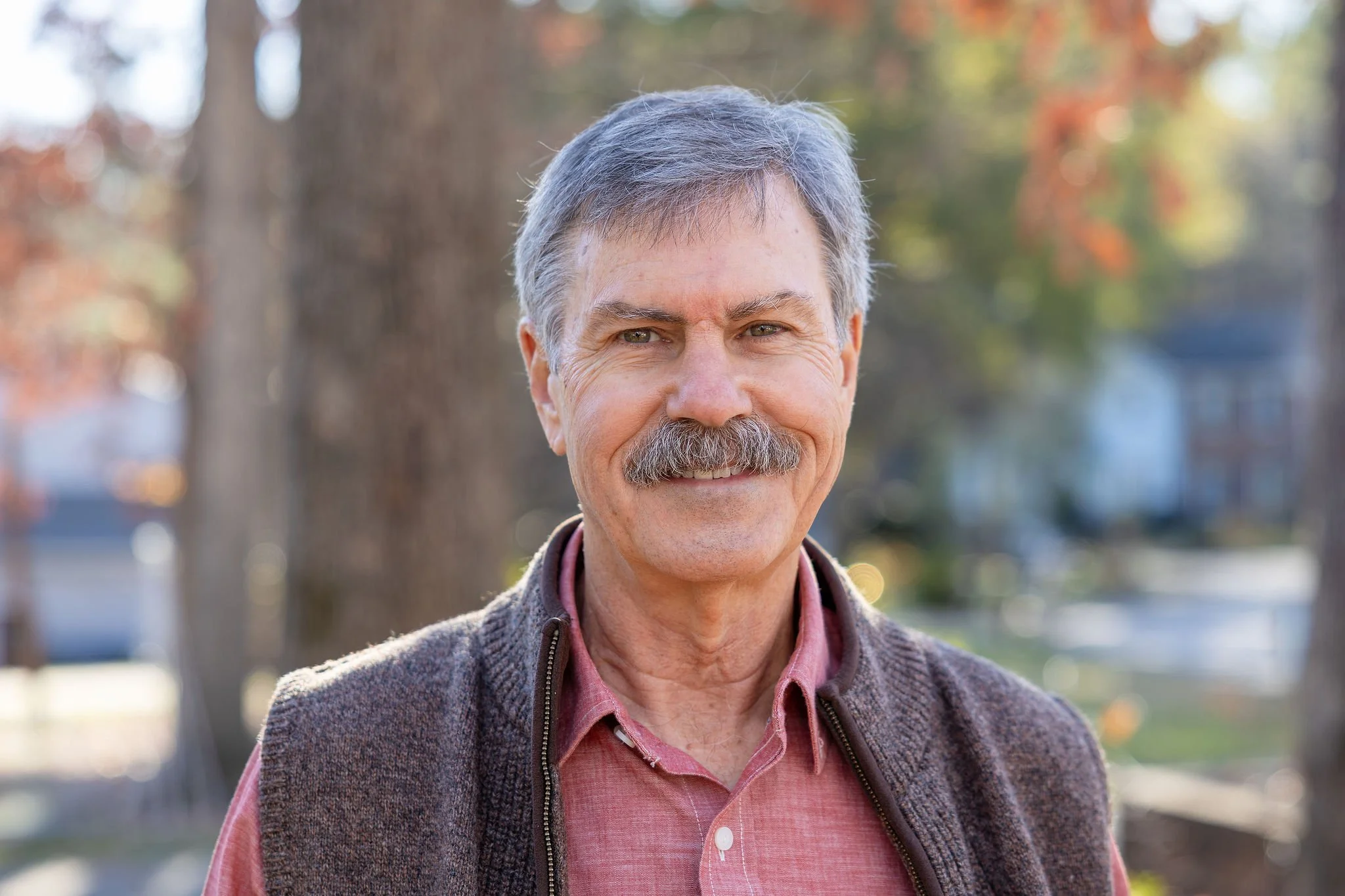
In Part 3 of The Energy Beneath It All, Tansy sits down with Dr. Bill Rawls, physician, #1 bestselling author, and founder of Vital Plan, for a fascinating conversation about aging, mitochondrial health, cellular energy, chronic illness, and the body's ability to repair and recover.
After navigating his own health crisis with chronic Lyme disease, Dr. Rawls found himself moving from physician to patient. That experience changed the way he approached health, leading him to explore the deeper connections between cellular wellness, nutrition, herbal medicine, and the everyday stressors that influence our ability to heal.
Together, Tansy and Dr. Rawls explore why mitochondria are so important to the aging process, how chronic stress can drain cellular resources, and why energy production plays such a significant role in our ability to recover from illness and maintain our health.
They also discuss autophagy, the body's natural process of recycling damaged cellular components, and how nutrition, physical activity, sleep, and the balance between stress and recovery influence cellular function.
The conversation goes beyond mitochondria to examine the impact of environmental toxins, stealth pathogens, the microbiome, hormonal communication, and why chronic illness often involves multiple layers of cellular stress rather than one isolated problem.
Dr. Rawls also shares his insights into adaptogenic herbs, how certain plant compounds may help support the body's response to stress, and why choosing quality herbal products matters.
This episode brings the conversation back to a foundational question: Are we simply getting older, or are the demands placed on our cells influencing how we experience aging?
The answer is more complex than one single factor, but understanding cellular health can offer a powerful new perspective on the way we support our bodies throughout life.
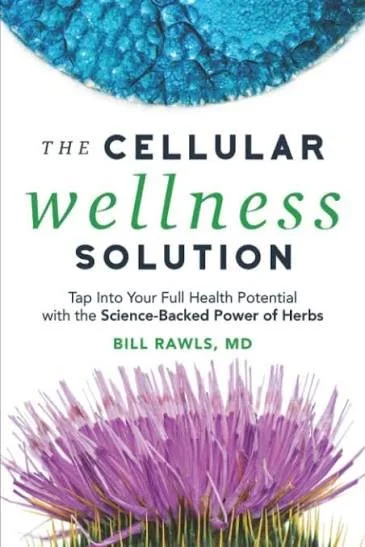
Purchase his book!
Listen & Watch
🎙
Listen & Watch 🎙
What We Cover
In this episode, we talk about:
Dr. Rawls' personal journey from physician to patient
How chronic Lyme disease changed his understanding of health and healing
Why cellular energy is essential for recovery and overall wellness
The role mitochondria play in aging and energy production
How chronic stress contributes to cellular depletion
Why chronic illness may involve multiple overlapping stressors
Stealth pathogens and their potential impact on cellular health
What autophagy is and why it matters for cellular repair
How nutrition influences mitochondrial and cellular function
Why physical activity can support autophagy and healthy aging
The relationship between stress, recovery, and cellular resilience
Why sleep is essential for restoring energy
Listening to your body and recognizing its signals
Cellular stress and hormonal communication
The impact of environmental toxins on health
Practical considerations for reducing unnecessary toxin exposure
The relationship between microbes, the microbiome, and cellular wellness
How mitochondrial function changes as we age
Adaptogenic herbs and their potential role in stress resilience
Why herbal quality, sourcing, and formulation matter
Why supporting cellular healing requires patience and consistency
Key Takeaways
Mitochondria are essential for cellular energy production and healthy function.
Changes in mitochondrial function are one of several processes involved in aging.
Chronic stress can increase the demands placed on cellular energy and recovery systems.
Cellular health depends on a combination of nutrition, movement, sleep, environment, and recovery.
Autophagy is a natural process that helps cells recycle damaged or unnecessary components.
Nutrition provides the raw materials cells need for healthy function.
Appropriate physical activity supports mitochondrial adaptation and cellular health.
Sleep is essential for recovery, cellular maintenance, and overall wellness.
Chronic illness may involve multiple overlapping influences, including infections, immune responses, and environmental exposures.
Symptoms can provide important information about the body's response to stress or illness.
Reducing avoidable environmental exposures can be part of supporting long-term health.
Adaptogenic herbs contain compounds being studied for their potential effects on cellular health and stress responses.
Quality and sourcing matter when selecting herbal products.
Supporting cellular wellness is a long-term process that requires patience, awareness, and individualized care.
Aging is natural, but understanding cellular function can help us make more informed decisions about our health.
Favorite Quotes
A few moments you’ll want to remember:
"Chronic illness as a state of being, not a diagnosis."
"Mitochondria are the energy generation unit."
"Stress and recovery is really important."
"Sleep is critical for overall health."
"Listening to your intuition is crucial."
"Symptoms reflect cellular stress."
"Mitochondria drive aging."
"Adaptogenic herbs protect your cells."
"Healing takes time."
"Think differently about adaptogenic herbs."
Chapters
00:00 – Aging, Cellular Health & Energy
03:05 – Dr. Rawls' Journey from Physician to Patient
05:57 – Why Energy Matters for Healing
09:00 – Mitochondria and Cellular Energy Production
12:11 – Chronic Illness and Stealth Pathogens
14:51 – Autophagy and Cellular Repair
18:04 – Nutrition and Cellular Wellness
21:02 – How Stress Affects Cellular Energy
24:00 – Physical Activity and Autophagy
27:04 – Balancing Stress and Recovery
42:23 – Space Colonization and Human Biology
43:48 – Listening to Your Body and Intuition
46:50 – Cellular Stress and Hormonal Communication
47:50 – Environmental Toxins and Cellular Health
51:52 – Reducing Environmental Exposures
52:26 – Microbes, the Microbiome & Health
01:00:03 – Mitochondria and the Aging Process
01:02:01 – Adaptogenic Herbs and Stress Resilience
01:09:40 – Quality Matters in Herbal Medicine
01:12:54 – Understanding Healing at the Cellular Level
Why This Episode Matters
Because many of us have been conditioned to believe that feeling more exhausted, recovering more slowly, or losing our energy is simply part of getting older. But aging is more complex than the number of candles on your birthday cake. And the health of our cells plays a significant role in how our bodies function as we move through life.
Cellular stress and changing energy demands can be part of a bigger picture when you're experiencing:
Feeling exhausted even after a full night's sleep
Taking longer to recover from physical or emotional stress
Struggling with chronic inflammation or ongoing health concerns
Noticing changes in stamina, strength, or endurance
Feeling overwhelmed by everyday demands
Having difficulty bouncing back after illness
Wondering why the things that used to support your health no longer seem to work the same way
This episode matters because Dr. Rawls helps connect the dots between our everyday experiences and the cellular processes happening beneath the surface. Our mitochondria need nutrients and oxygen to produce energy. Our cells rely on complex communication systems, protective mechanisms, and repair processes to maintain healthy function. And those systems respond to the conditions we create through our lifestyle, environment, nutrition, sleep, movement, and stress.
But there's another piece to this conversation…Healing isn't always about doing more! Sometimes it's about understanding what your body is already working so hard to accomplish and learning how to support those processes rather than continually adding to the demand. It's about recognizing the difference between healthy challenges that help us adapt and chronic stress that overwhelms our ability to recover.
And it's about realizing that while we can't stop aging, we can become more intentional about supporting cellular health as we age.
About Dr. Bill Rawls
For over 30 years, Dr. Bill Rawls has dedicated his life to medicine. When a health crisis with chronic Lyme disease abruptly changed his quality of life, he came face to face with the limitations of modern medicine and began to explore the vast possibilities of alternative treatments. Restoring his health through holistic and herbal therapies inspired him to share his revelations on the importance of cellular wellness for defending against microbes and other root causes of illness. Today, he works to bring life and vitality to others as he helps them establish their own paths to wellness through modern herbology.
Through his bestselling books, Unlocking Lyme and The Cellular Wellness Solution, Dr. Rawls demonstrates why crucial herbal phytochemicals are key to protecting cellular health and strengthening the body's defense against illness. Dr. Rawls is also the founder of Vital Plan, a holistic health company, where he developed the signature RESTORE180 program, an advanced herbal protocol that has helped thousands to reclaim vibrant health.
Dr. Rawls is a #1 bestselling author and seasoned speaker and interviewee. With a compassionate approach and an incredible depth of knowledge, Dr. Rawls has a distinct ability to make scientific concepts accessible and enriching for everyone.
Links Mentioned In The Show
Website: https://rawlsmd.com/
Vital Plan website: https://vitalplan.com/products/restore180
Instagram: https://www.instagram.com/rawlsmd/
Facebook: https://www.facebook.com/rawlsmd/
YouTube: https://www.youtube.com/c/RawlsMD%20
Just Thrive & Just Thrive Probiotics: Save 15% off your order by clicking here!
Podcast review promo...Get 15% off a distance energy healing session or a piece of jewelry with a positive review of the show. Email photo of review (aftersubmitted on podcast platform) to info@tansyrodgers.com
About The Series
The Energy Beneath It All is a 4-part series exploring the deeper layers of energy production, cellular health, mitochondria, chronic symptoms, and the energetic body.
Throughout the series, Tansy brings together conversations about physical health, cellular function, lifestyle, environmental influences, and energetic wellness to explore what may be happening beneath persistent fatigue and chronic health challenges.
When Your Labs Look Normal But You're Still Sick
The series began by exploring complex chronic illness, conventional and functional testing, Lyme and other tick-borne diseases, mold exposure, gut health, and why persistent symptoms deserve further investigation.
Oxygen, Mitochondria & the Energy Crisis of Chronic Illness
The conversation continued with oxygen delivery, microcirculation, mitochondrial function, chronic fatigue, and Brad's personal experience with exercise with oxygen therapy (EWOT) and red light therapy.
Part 3 — Dr. Bill Rawls
What If Aging Is Really an Energy Problem?
Now we move further into the cell itself, exploring how mitochondria, stress, nutrition, autophagy, environmental exposures, and herbal medicine relate to aging, resilience, and recovery.
Together, these conversations explore the deeper systems involved in producing, protecting, and supporting the energy we rely on every day.
The series concludes with a conversation that brings the physical and energetic aspects of wellness together through a whole-person perspective.
Support Beyond The Episode
If this conversation hit home, and you’re craving deeper support (not just ideas, but real integration):
Join the newsletter →
If this episode resonated, take a moment to ask yourself:
What might be placing the greatest demand on my energy right now, and what could I do to better support my body's ability to recover?
If you enjoyed this conversation, subscribe to The Energy Fix and share this episode with someone who wants to better understand the connection between cellular health, aging, chronic illness, and energy.
And be sure to join me for the final installment of The Energy Beneath It All, where we'll continue connecting the physical and energetic aspects of whole-person wellness.
Transcript
-
Dr. Bill Rawls (00:00.118)
When you look at aging, we accumulate cells until about age 20. And at that point in time, we have about five to ten times more cells than we need. And from that point on, our cells are gradually burning out their mitochondria. We talk about telemeres and all kinds of things, but probably the thing that is driving aging the most or setting a limit is mitochondria. So all cells eventually burn out their mitochondria.
And if you had no stress in your life, it's estimated that your life would be about 120 years. Go most people don't get there because we are stressed and it's hard to eliminate all stresses. But we're losing cells because they're burning out of energy. So by age 40, you've burned through half your reserves and your your cells have half the energy capacity that they did at age twenty, which is why most professional athletes are done by 40. By age 80, half again of those things.
Tansy Rodgers (01:09.794)
Welcome back to the Energy Fix, a podcast dedicated to help you balance your energetic body by diving deep into the sweet world of all things health and spirituality. My name's Tansy, and I'm an intuitive Crystal Reiki energy healer, energetic nutrition and holistic health practitioner, and a crystal jewelry designer. It's time to talk all things energy. Let's dive in.
Before we jump in, make sure that you are following the show so that these conversations keep showing up for you each week. And if at any point someone pops into your mind while you're listening, make sure to send this episode their way. Sometimes the simplest share is exactly the nudge that somebody else needs. Welcome back to the Energy Fix podcast. Thank you so much for returning back with us for another week of great conversation.
Today, we're going to be talking about energy, but not just in a mood or a mindset. We're going to be talking about energy at a cellular level. It can feel frustrating, so frustrating from the outside, because it can look like you're totally fine. But on the inside, your system may really be struggling to repair and to regenerate, to clear out damaged components, to manage your stress effectively and
To produce the energy that you need to live a fully vibrant life. My guest today, Dr. Bill Rawls, is a physician, a best-selling author, and leading voice in cellular health and herbal medicine. After his own health collapse from chronic Lyme disease at the height of his medical career, Dr. Rawls began rethinking what it truly means to heal from the inside out.
He is the best-selling author of Unlocking Lyme and the Cellular Wellness Solution. And his work explores how cellular health, mitochondrial function, nervous system regulation, herbs, microbes, and resilience can all beautifully connect together. Today, we're going to be diving deep into all of that.
Tansy Rodgers (03:30.156)
All right, Dr. Rawls, thank you so much for being here. Welcome to the show. Let's dive in.
Thank you for having me. It's a pleasure.
It is such a pleasure to have you here. And you know, I just want to dive really deep into this place that I think so many of our listeners today are going to really truly resonate with. And that is when someone is doing many of the right things, but they still don't seem to have the energy that they truly need to function and feel vibrant in their life. What might actually be happening underneath the surface of it all?
Well, that that's a big question, of course. and and well, you know, we'll dive into that. But a lot of times we think we're doing the right thing, but it isn't necessarily covering all the basis. And you know, if you and and it depends on where you are in your life. interestingly, you know, I'm bumping up one year short of age seventy now, and the past ten years I've
Been the healthiest and had the lowest symptoms in my life. so I look back and I go, well, yeah, I was healthy in my 20s and 30s, but I look back and I go, but I had all these symptoms. And then I look at my health habits that I thought I was doing a lot of the right things. And, you know, I really wasn't. And there are things that we just don't see.
Dr. Bill Rawls (05:02.376)
that are so critical to feeling well. And I, you know, I talk to people all the time. You know, you meet somebody just walking down the street or, you know, wherever you happen to be and you get in a conversation and and, you know, they they hear that you do some work in wellness and they go, you know, I'm I have these health issues, blah, blah, blah, you know, and we get into it. And
And I happen upon this all the time. And you, you know, you walk new, you look and you see people and you go, they're healthy. But not always. And not and frequently they're not. Most people do have symptoms. Most people's health could be better. And there are reasons behind all of that. So, very importantly, if you have a symptom, if you don't are if you are not maintaining peak health, there are very specific reasons.
of why that is, and we can get to the bottom of those reasons.
We are going to dive into all that, but I'm really curious before we get too deep, is there one main symptom or one main health concern that you see over and over and over that so many people tend to miss the most?
I you know, I think energy is a big one. and and to the point of people having fatigue, you know, that's that's kind of a highlight symptoms that hits everybody right at the top. and you know, and and and it and it's relative because, you know, one of the one of the aspects of aging is you lose energy. so I don't have the energy that
Dr. Bill Rawls (06:51.72)
I had in my 30s. You know, I just don't have that power anymore, but I don't feel fatigued, right? So there's a difference. and but I don't get up in the morning and have to start my day with a big jolt of caffeine just to get moving. you know, my body is normally energized, my cells are healthy, and I think that's really a critical key.
Yeah, yeah. Well, Dr. Bill, before we get into this cellular repair, I want to hear about your journey. What happened in your own health that moved you from physician to patient so quickly and eventually into this deeper work that you've become so passionate about?
Yeah, you know, I have been around medicine my whole life. I'm fourth generation physician. and you would think, well, that guy, he knows everything about staying healthy, right? And it turns out that doctors are some of the most unhealthy people on the planet, because of the way that we're looking at the problem. So I've been a physician for over 40 years.
I graduated from medical school in nineteen eighty-five. and from there went on to specialize in obstetrics and gynecology because it dealt with people who were healthy, people who were vital. And the interventions that you did made a difference. Like if somebody got their labor got stuck and arrested labor or they had a tubal pregnancy or appendicitis, you know.
You could fix those things. And when you did, it was very, very rewarding. So I went into obstetrics and gynecology because in medical school I saw what they were doing on the medicine wards where they were treating chronic illness and they were just keeping people alive and people weren't getting well and they were on all these medications and it was like, I don't want to go there because that's just not really helping people how I want to help people.
Dr. Bill Rawls (09:00.394)
So I went into this specialty that was primarily dealing with acute interventions in healthier people. The qualification for doing it back then, though, was sharing calls. So I was in a group of three people. And a good part of the time somebody was on vacation. So I did call every second to third night, every second to third weekend. And I was one of those people that if I was
On if I was on call and somebody was in labor, I didn't sleep. My my partners, they would go crash in the call room and they'd drag them out of bed and get them to go deliver the baby. I was like awake. I just couldn't sleep. And back in that time, you know, late 80s, early 90s, there was a question of what do we really need to sleep for anyway? Can't we just get four hours of sleep? That's good, that's all we really need.
And I was like, yeah, I can do that. I'm tough. I can do that. And so I'd get four hours a night on when I was on call. And then when I wasn't on call, I was catching up for all the time I lost because I was working so blasted much. and doing all that call, doing all that work, trying to be a good dad, trying to be a community person, I was just pushing every stress button known. And
Though I thought my diet was healthy and because I exercised whenever I could, I thought my health habits were great. And I just pushed through the constant fatigue. And it caught up with me by the end of my forties, and I crashed. And I had to give up obstetrics, but I thought, you know, I give up the call, I could take a year or so to recover, I'll be fine. I didn't. I just kept getting worse.
And it wasn't just being sleep deprived. I started developing severe cardiac manifestations, skip beats, constant chest pain. I ended up with a cardiac cath. I had mo I had a lot of neurological symptoms. I had to work up for MS, but I wasn't quite sick enough to have MS, you know? And my joints were falling apart and my gut was a wreck and just literally everything was falling apart.
Dr. Bill Rawls (11:18.536)
And so I went from doctor to doctor, specialist to specialist, and everybody had drugs to ease the symptoms, but not much more. And it was very frustrating. And I became the patient. and that person with that long, long list of complaints that doctors really don't want to hear or see, that they roll their eyes every time you walk in the door, you know? And I got frustrated and decided I'm gonna.
I'm gonna try to solve this problem. And so I went and became certified in holistic medicine, started looking at alternative therapies and, you know, doing various nutrients, all different kinds of things. And it helped some. And I was taking the time to actually take a serious look at my diet and go, yeah, you know, you you can't eat like this for and and be healthy. And I was
trying to cultivate sleep, but I really lost the ability to sleep. It took a long time to get it back. So my body just was not recovering. And I kept hearing about Lyme disease. And it's like, yeah, you know, I spent my whole youth camping in North Carolina Mountains. And I've since found that one out of three ticks in the North Carolina Mountains carry Borelli. And I thought, yeah, maybe I have this thing called Lyme disease. And
Cirtu certuicus route, initially with a negative test, finally found out, yeah, there was a high probability I was carrying this microbe, got my my primary care provider to give me antibiotics, tried several different rounds. Every time it just made me sick and made and wrecked my gut. So that was a dead end. and it was like, okay. Then I started reading about.
IV ozone and IV antibiotics and all these things. But by then I had I was working a primary care practice just to make ends meet. and I really couldn't leave town and I just didn't have the financial ability to do that. And it ended up being pretty lucky because I happened upon an herbal protocol for chronic Lyme disease. And I thought, you know, I didn't have high expectations, but it's like,
Dr. Bill Rawls (13:37.046)
I'm gonna try this thing. And I did it. High grade herbal extracts, all these capsules. My wife thought I truly lost it. And I started getting better. And I thought, you know, if it's it's if it's if it really, if it actually kills this bacteria, it's gonna wreck my gut. And my gut got better. And so over time I started easing out of this. And
You know, I I ended up in a moldy office building, so I learned all about mold. I just learned about it seemed like if if if there was something I need to learn about, I experienced it firsthand. and I came around to looking at this thing called chronic Lyme and coming to a very different place.
And now I look at chronic illness as a state of being, not a diagnosis. And I, you know, when you look at Borrelia, the Lyme bacteria, I found that there are literally hundreds of different kinds of things that we're all exposed to through life. And the big thing is they can be present in our body without making us sick. And so they have l many mechanisms of persisting.
So they can be there, you can carry them. And then when your body is stressed, years of not sleeping, bad food, all this stress, then they start reactivating. And then they're the thing that hold the illness in place. So you change your health habits, it's not enough. They're still driving the illness. They're they're taking control of your body. So it's not just the Lyme bacteria. There are lots of things like that that we can talk about.
And I'm fan finding connections to these kinds of microbes that we call stealth pathogens to virtually every disease process. And it's really fascinating.
Tansy Rodgers (15:32.044)
And so that's why I think too, it can be so maddening. I mean, these stealth pathogens that you just talked about, they come in, they are there, they're, they're, they're changing. I mean, you you're changing your health habits, but nothing seems to really be working because of what you're dealing with, what you're fighting against, quote unquote. And so really it sounds like you were just in this energy crisis. I mean, you were just.
laid out trying to figure out, well, now what? Now what do I do?
Well, it is all about energy. I mean, it gets down to whether your cells have the energy to to recover and heal. And it's really as simple as that. So it all does get back to energy. But you know, that's that's but you know, these kinds of microbes, they're trying to rob your energy too.
Yeah, yeah. And so a lot of listeners here of the energy fix, they know about energy intuitively. they know about energy metaphysically. But I want to really just get down to the molecular science level right now. When we talk about this energy crisis, this energy robbing that you just talked about, when this happens in the body, what does that mean on a cellular level? What does somebody actually experience?
And how can that then throw them into this energy crisis for lack of better words that we're talking about here today?
Dr. Bill Rawls (17:06.22)
Okay. Let's start by thinking about the body differently. You know, so when I started talking about my situation, I described compartments. I had cardiovascular symptoms, I had gut symptoms, I had, you know, rheumatoid symptoms, I had neurological symptoms. And that's what we do in our conventional medical system. We divide the body up and treat it like a car that has parts. And
What I found is that's a really dysfunctional way to think about the body, because your heart isn't as much a unit as it is a composite of billions of cells that are working in synergy to make your heart pump. So the smallest functional unit of our body is a living cell. And the most the building block for all of life is a living cell. So
Every cell in your body came from one cell. So they're all structurally the same. So no matter what cell on earth you look at, there are very, very similar characteristics. They all have a cell membrane, they all have working parts. so you can think about your your your cells as kind of microscopic biological machines. And each cell in your body is independent. So
It can function independently from all the cells in your body. So all of your cells, with exception of your red blood cells, have a hard drive. This thing we call chromosomes is a database. It has an operating system. It has the history of all the stress factors and all the things that humans have been exposed through to through time. It's unbelievable. Every cell in your body has that.
So that operating system tells that cell, I'm a liver cell, and I need to be here in relation to all the other liver cells. And here's my job, here's what I have to do. And it also defines here's what this cell needs to operate properly and do its job. So when you start looking at cells like that as independent little units.
Dr. Bill Rawls (19:30.22)
They have to have that one thing that you just mentioned. They have to have energy, right? So where does that energy come from?
Dr. Bill Rawls (19:43.692)
Mitochondria, right? Okay. So mitochondria were ancient bacteria. So way back, so cells, so the earth started with bacteria, and cells got bigger and bigger and bigger and bigger. And the bigger they got, the more energy they consumed. Well
Producing energy is a really toxic process, especially if you use oxygen. So you can produce energy just breaking down hydrocarbons, breaking down carbohydrates and fats without oxygen, but it doesn't produce very much energy. And that's how life started. So adding oxygen to the mix
increases energy production from burning hydrocarbons by a factor of 10. So it's it's explosive. So but that process produces a lot of free radicals. And so our cells decided, hey, we can outsource that. There are these bacteria that are high energy bacteria. We can just pull those in and we can use those as our energy source. So
Our mitochondria are actually ancient relatives. They came from ancient relatives of the bacteria Ricketsia. Ricketsia is the bacteria associated with Roggy Mountain spotted fever. So this idea of microbes being inside of our cells, it's not new. It dates all the way back to the very beginning. So these high-energy bacteria eventually became incorporated in our cells and run our cells, but they're independent.
You know, they're these these what used to be these ancient bacteria. They have their own DNA, but there's DNA inside our operating system that runs them. And different cells, like your skin cells don't use much energy, they have about a hundred mitochondria. Our heart cells can have five thousand mitochondria.
Dr. Bill Rawls (21:53.208)
So the mitochondria is that energy generation unit and it produces a lot of free radicals. And some of those free radicals escape and damage the cell and have to be continually repaired, but we burn out the mitochondria themselves. so we're constantly recycling and rebuilding mitochondria because we lose them. so that energy is so it's kind of like a battery. so
Tell me if I'm getting too deep here, 'cause I really enjoy talking about this.
No, I love this. I love this. I'm just writing down thoughts that are coming through because yeah, like, yeah. Please go on.
So our so you know we we we consume the cell absorbs carbohydrates and fats, and the mitochondria uses that with oxygen to generate these little power generators convert a substance called ADP into a substance called ATP. We all hear about that. And the ATP is created, it's it's charged in the mitochondria.
But then it comes out of the mitochondria and circulates inside the cell. And the cell, all the cells parts use that to generate energy. And you know, when they use it, it becomes ADP again, goes back in the mitochondria and gets recycled into ATP. So that's that's that's where our our energy sits. That's the source of the energy of cells. And that's also the limiting factor, you know. So the more your cells are stressed,
Dr. Bill Rawls (23:32.386)
The more energy they use. And the more energy they use, the more they pull on those mitochondria. And the harder you pull on the mitochondria, the more damage you create. And the more so you burn out your mitochondria and you and you lose energy. That cell loses energy. Well, you got to have energy for everything. That cell loses energy. It's done. so.
So yeah, that energy source is really a source, i it's an important source.
A quick pause for your gut because hey, it's the holidays. If you're anything like me, this time of year means your routine probably is gonna go out the window. You're gonna have more sugar, more snacks, more. sure, I'll have another one of those, and a whole lot more stress on your system in general. One thing I refuse to leave behind when life gets busy is my gut support. For me, that's just Thrive Probiotics.
I love them because they focus on actually helping your gut stay strong through real life. Things like travel, holiday food, late nights, all of it. Supporting your microbiome isn't just about digestion. It ties into mood, immunity, energy, overall health and vitality. Basically, how human you feel when your calendar is full and your nervous system is really, really loud.
If you want backup for your gut heading into the holidays, check out Just Thrive using the link in the show notes. And if you click on that link and use code TANSI15 at checkout, you're gonna get 15% off your entire order. They have an incredible lineup of so many different products that are incredibly supportive for your gut and for your overall health and vitality. So again, head down to the show notes.
Tansy Rodgers (25:31.694)
Click the link and use code TANSI15 to get 15% off your entire order. Here's to a happy gut this holiday season. Looking at full body health, is there a difference when you're talking about this cellular energy? Is there a difference between being tired from a full life and being depleted because the body's repair and energy systems are really struggling?
Dr. Bill Rawls (26:02.626)
This gets into something called autophagy. Do you like that one?
Yes, I love that word. Yes.
Okay. All right. our cells work hard. and if it were not for this thing called autophagy, our whole body would last a few days. That's it. It wouldn't last very long. so autophagy is the process by which our cells continually rebuild themselves. And
I like to think of it like this, like you've got a little alien inside your cells, and it's constantly looking around to find parts that are broken and worn out, and it's pulling those parts and it's it's it's replacing and putting new parts in there and it's throwing the old parts into a garbage can that we call a lisposone that churns them down into the basic amino acids and organic compounds.
So we can reuse them. So the cell is really fewer frugal. Now, cells do need a constant influx of nutrients, but they're going to reuse whatever they can. So autophagy is constantly running, and we can talk about what stimulates or enhances autophagy and what disrupts autophagy. but autophagy requires energy, right? So if you are working your cells too hard, then you're going to
Dr. Bill Rawls (27:35.148)
w w exceed the capacity of cells to to you know you're gonna draw down your mitochondria too hard. So you pull on those mitochondria too hard. And part of autophagy is recycling mitochondria. So if you're if you're working your cells too hard, then you don't get that process. so that kind of gets into
Probably it's good idea to kind of talk about, all right, what are the operating requirements? What do cells need to function? And this is really where you get into this is the formula for wellness right here. What your cells need to function. and I think a lot of people are thinking they're doing the right thing, but they may not be. So our cells have that hard drive.
with built into our chromosomes our are an operating symptom system. And you know, and every cell has slightly different requirements. you know, you look at nutrients, thyroid cells need iodine to build thyroid hormone. Heart cells are kind of slow, steady burn, so we tend to use fats for energy. Our brain fast energy, we want glucose for that. so it's slightly different, but when you look at the whole thing, you know, that programming
Of what cells need, how our cells are supposed to function, has not been written over hundreds of years or thousands of years. It's been written over hundreds of thousands of years. So what our ancient ancestors ate and how they lived and the stress factors that they were exposed to and the microbes that were they were exposed to, all that history is built into that chromosome in every cell in your body. It's really pretty cool.
So you have you have to live in line with that. You know, it's living within the margin set by that operating system or set by your genes. So when you when you think about, you know, what did our ancient ancestors eat? And and we've got some pretty good evidence. They ate a foraged food diet. We only started eating grain about 10,000 years ago in total history. That's not very long.
Dr. Bill Rawls (29:54.36)
So we ate a forage food diet, and it was about two-thirds wild plant matter and about one-third animal matter. And it was extremely lean in carbohydrates, in calories, in f in fat. It didn't have very much. It was very, very, very low calorie. And I think that's really important because that's what our cells are trained on. That they are they are they are programmed to run lean. So when we are
ourselves with carbohydrates and fats in the modern diet of what we're doing, then we're I think of it like this. So say your energy generator is like a steam locomotive, right? And you've got the steam locomotive on the track and it's burning coal, and you put the brakes on and just keep hauling coal in there and cutting the engine up.
That's what we're doing when we're eating so much carbohydrate and fat and these processed foods. We are stoking those mitochondria to the point where they're just ravaged with free radicals and we burn them out because they're sitting still. They're not using all the energy they're producing. Interesting way to think about it.
Yeah. I have so many questions. I have so many questions. Please go on. No, please go on.
You know, that's that's one factor. So yeah, we've got nutrition. So
Tansy Rodgers (31:22.094)
Before we move on, then let me stay right here because this is a nutrition question for you. So you going back to the concept of autophagy. As you were talking, I couldn't help but think. So is that mean fasting is a really great way to help improve cellular health and to help increase the health of your mitochondria?
To a certain point. So here's how it works. And this is important. I had someone the other day say, I'm doing intermittent fasting, so I give my body a rest. Right? So and that's going to help autophagy. Wrong. That's not how it works. Autophagy is actually or fasting is actually a stress. Our body goes without nutrients and
Okay.
Tansy Rodgers (31:58.819)
Yeah.
Dr. Bill Rawls (32:14.856)
It and so the body says, we're down on nutrients. And that sets off the triggers. So when you look at MTOR and AMPK and other kinds of signals that are within the autophagy that are running it, those things are clicked when there is stress. So when our cells don't get nutrients, that's when they're going, we gotta get to work again, prune parts and get things frugal.
But it only goes to a certain point. So when you look at autophagy, it's all about stress and recovery, stress, recovery, stress, recovery, stress, recovery. And that's where people get messed up. So up to 16 hours of fasting, what we call intermittent fasting, your body is is is pulling things that are worn out and
You know, and recycling and being frugal. But past that point, it starts pulling good stuff just to keep the engine going. So I promise I'm not hung up on steam locomotives, but it makes a good analogy here too. So say you're going along in your steam locomotive trying to get from point A to point B, and you run out of coal most of the way. Well, you start burning the furniture and other kinds of stuff, and that's okay.
But if you still haven't made it your destination, eventually you start pulling all the wood off the entire train and by the time you get to where you need to go, everything's stripped down to nothing and you have to rebuild the whole thing. And that's not necessarily good, except occasionally. So that two or three day fast that we do actually does that. It strips the cells down to nothing, so they truly have to rebuild. And doing that occasionally is fine.
But as a habit, intermittent fasting is a good idea. so eating for you know eight hours and allowing sixteen hours not to eat seems to be pretty close to the ideal thing. So but what you eat is important and what our ancient ancestors ate more than anything else is the thing that nobody wants because it doesn't have much carbohydrate and fat in it, and that's vegetables.
Tansy Rodgers (34:21.836)
Yeah.
Dr. Bill Rawls (34:34.25)
So in my diet, I try to eat whole foods mostly because that's whole cells, and eat more of the vegetables than anything else, and then divide everything else pretty much equally. then keep my carb diet count down below 150, which isn't ketogenic. It's enough to be comfortable, but not overdo yourself. And that 16-hour that eight-hour eating window. Yeah, try to stick with that.
Yeah. Well so what happens with you talked about what happens when people go past that 16 hour window, especially into the two, three days. But when you said that doing that periodically is okay, what is considered periodically to you?
I you know, I don't have a set time and I don't think there's enough science to absolutely define it. people do it two or three times a year. I think that's fine. But I think more, you know, just looking at it from an autophagy point of vo your view though, it's not something you want to do all the time. Yeah. and I but I think the you know, the intermittent fasting makes a lot of sense. So but again, you know, it is that
that f that that stress and recovery that's really important. So here we look at the mental stress that we are under and holding our our cortisol levels really high from all the stress, autophagy or cortisol is one of the biggest autophagy suppressors, disruptors that you can do. I mean, it's a big deal. because autophagy or
Cortisol is our awake hormone. So we start producing cortisol in the morning and it reaches a peak midday and then kind of gradually goes down. And then at night it goes down. So cortisol is telling ourselves: time to be awake, time to be active, time to get going. And during that time, you know, our body is working, our cells are working full blast. But at night, that calms down and that's rebuilding to.
Dr. Bill Rawls (36:46.334)
And that's a critical mistake that a lot of people make that that they're de-energized is not getting enough sleep. And I did that for years. And it's a big deal. We really do need seven and a half hours minimal, preferably eight hours every night, of good restful sleep. And average in this country is six and a half. So people just aren't sleeping enough. And that
leaves them energy deprived. So you think about it, it's if you're sleep sleeping six and a half hours and you wake up in the morning and have that cup of coffee to get going, your cells haven't recovered from the day before. So you're starting out with a deficit right in the beginning. And I think that's a big thing that people miss. They think they're sleeping enough and they're not.
I remember somebody that I used to date. His motto was, I'll sleep when I'm dead. And I remember thinking at that point, that is the most absurd thing that I've ever heard. It truly is because of how important sleep is. But also, to be fair, I think that I even bought into it at some point because for so long, yeah, I would just push myself, push, push, push, push until I realized, my goodness.
I my body is not my body's not repairing. And that is when I really truly got into the work, into this work that I do now. Right. And so that was when I realized, that's the time that so many of my hormones are coming in and they're repairing. My body is clearing itself out. Things are resetting. That time is critical for overall health, not just how much time you're spending in the gym or what kind of foods you're preparing. And yeah.
Yeah. Yeah. So we've talked about two out of five total stress modern processed food diet and chronic mental stress, high cortisol, and not sleeping. that's a big one. we can do physical stress, right? Yeah. So physical stress, when we look at autophagy, being physically active is really important because that is one of the best autophagy stimulators.
Tansy Rodgers (38:46.786)
Let's move to number three.
Dr. Bill Rawls (39:10.626)
There is. So it's that stress that your body going, okay, you're I'm working my cells now, and my cells are going, okay, we're working. It's time to to to really get that engine going, to, to repair everything and get it working right. So autophagy stimulates or f physical activity stimulates autophagy. but there is a limit to that, and there's several different limits.
so I'm reading about more and more and more extreme athletes whose bodies are breaking down. And that so you surpass the ability of your cells to recover and your cells are going to to start breaking down. You do too much and or you don't do adequate recovery, you're gonna have a problem. but the other side of that is
Being sedentary is just as bad a physical extras, physical stress. And the reason is because when we move, when we move our muscles, we move blood and we move lymph. So all of our cells are packed in a pretty dense space. So there are blood vessels kind of circulating through our muscles and everywhere, but our cells are very compact. And so
Fluid from the blood has to leak out of capillaries and bathe cells in those very tight spaces. And that delivers nutrients and oxygen, but it also carries away waste. So what happens is, you know, you have cells that die, dead bacteria, different things accumulate in that space. And if you're not flushing that space regularly and flushing it into the lymphatic system, all of your tissues get congested. And that's where.
inflammation starts. so when we move, we are moving our muscles, we're we're increasing our heart rate, we're increasing blood flow, and we're flushing those spaces. The solution to pollution is dilution. We're washing it away and washing it into the lymph space. So being sedentary is just as harmful as being over physically active.
Dr. Bill Rawls (41:27.234)
And then other physical stresses, a lot of people are getting hit now with excessive heat, excessive cold. You know, we're designed to only operate within a certain temperature parameter. And so we have to do that to survive. That's how our cells are built. you know, it's really interesting. I read about one time about these boiling rivers in Peru that have bacteria that live
At these really extreme temperatures. And it's like, how do they do that? How does the cell survive? And it's that it's like thousands and thousands and thousands of generations of reaching higher and higher temperatures and their cells, their genetics, their programming, programming that cell to live within those situations. So it's all about programming. So
so you can, you know, influence your programming a bit, but it literally takes thousands and thousands and thousands of generations to change something, which is why it's very unlikely that we will ever actually have colonies on the Mars and on Moon, because it is so far outside the parameters of our genes that we're just not going to do well in those locations.
Yeah. Dr. Bill, let me ask you a question about physical exertion. One of the things that I talk about so much with my own clients is when it comes to physical activity. I mean, is that listening to your intuition? so just as so you understand, I work with a lot of people that have nervous system dysregulation, a lot of gut health, anxiety, mental, emotional, gut connection stuff, right? And so
One of the things that I often talk about is listening to your intuition, listening to what your body needs, allowing yourself to recover when it needs to recover, allowing yourself to do what it needs to do when it needs to do and to move. But in the same breath, some people, especially new people to this world, really struggle with hearing what their body needs or what their intuition is telling them. And sometimes they can't necessarily diagnose that. And so I would love to hear.
Tansy Rodgers (43:48.686)
How you would recommend for somebody to know when whatever it is that they're doing is too much or too little, if they should push themselves or if they should rest. What is your thoughts about that?
Yeah. Yeah. I you know, I th I I think it will we'll evolve out more as we, you know, we'll we'll get to these other two areas of stress, that stress ourselves and also that, you know, and how that influences our mitochondria and mitochondrial recovery and that sort of thing. but it is really paying attention to what your body is telling you.
So when you look at that word symptom, what is a symptom? Well, most of us define it as a feeling. You know, we we don't feel well, we hurt here, this thing is is bothering me. but actually, what all symptoms are is it's a reflection of cellular stress. It's telling you your cells are stressed. and if your cells are stressed,
Start looking in these five places because there's always a reason why. if your cells are de-energized, there is a reason why. and you know, when we look at hormone imbalances and everything else, you have to ask that question: well, what are her hormones actually doing in the body? And what they're doing is coordinating cellular functions. So
Every one of our cells has to be in constant communication with every cell in the body. Every other cell. All the cells have to know what the other cells are doing. Every cell in the body sends messages, and every cell receives messages. You know, it's like we talk about the hormone estrogen. Every cell in the body has estrogen receptors. It needs to know what all the other cells are doing. So when we look at
Dr. Bill Rawls (45:51.22)
Hormones, short-term messengers like peptides, biophotons, light, electrons, even different shapes of water of the water molecule, those are all ways that cells are communicating with other cells. now our brain, all of this composite of brain cells, what its primary job is, is monitoring what's going on all around us.
inside the body and what's going on outside the body and changing cellular functions to match those conditions. So our brain is working through our hypothalamus, pituitary, adrenals, thyroid, ovaries, testes, to manage cellular functions, to manage metabolism, to manage workload. so it's all about cellular messaging.
So if your hormones are disrupted, if you have nervous system dysregulation, it says your cells are stressed. Your cells are stressed to the point that they're not being able to communicate properly anymore. And we always get back to those stress factors. And, you know, we've gotten over those first three: nutritional stress, mental stress, and physical stress. so maybe talk about the next one is is toxic.
Stress. And that is one that nobody is really paying as much attention to as she as they should, is that there are over 200,000 different chemicals in the environment now that didn't exist 100 years ago. Petrochemicals from burning coal, from burning fossil fuels, have loaded an enormous amount of hydrocarbon chemicals that are foreign to us into the atmosphere.
We get them in our food, we get them in our water, we get them in our air. and these things affect our cells in a variety of different ways. So if you went back and you to the very origins of the plant that would become coal or the algae that would become petroleum and ate that stuff, it'd actually be pretty good for you. But millions of years of
Dr. Bill Rawls (48:17.198)
pressure under the earth have distorted those chemicals that were once living hydrocarbon organic molecules into forms that are not compatible with life anymore. So that gasoline that would kill you if you drank it used to be algae that would be fine for you. Because these things are organic molecules, we absorb them really quickly.
and they get in our cells and our cells try to use them and it breaks the machinery. So when you talk about autophagy, foreign chemicals stimulate autophagy like crazy because it's it's causing, it's damaging the cells. So the cell is trying to rebuild, but it breaks the autophagy machinery. So it eventually kills the cell. and a lot of our our you know, petrochemicals act.
can mimic messengers in our body. So it messes up our our communication systems. Our cells can't communicate properly. You know, it's like static. Our cells are trying to talk to another and there's lots of static. And you know, so the the message gets messed up. And and that's a big deal. so, you know, all these things are affecting every single one of us. And
Fortunately, all these things you can, you know, w the the other the other good side about it is we know about all of these things. and we can change them. We can eat a diet that not necessarily go back to foraging, but is consistent with that. And we can try to to to keep our stress level down and try to get better sleep, and we can be physically active and move more.
And we can protect ourselves by eating organic food, which doesn't eliminate everything, but it helps and filtering our water and you know, using air filters in your home and trying to live and and vacation in places with natural air. The cleanest air is in in forests and over op ov over open water. and and air filters and good air conditioning systems inside your home and
Dr. Bill Rawls (50:34.21)
keeping out the f the moisture and heat inside your home so you don't grow mold, so you don't have unna those natural toxic substances. And so that's a really important thing.
Yeah. And so with this toxin load that is so expansive right now in the world that we live in, you just named a whole bunch of things. But I'm curious if you have like a top three that you think are the biggest needle movers that people can implement.
a as far as a big thing, to get yeah, organic food. that really matters. That's a big deal. And filtering your water, you know, depending on where how bad your your metropolitan water is, using either a reverse osmosis or fill filtered canisters, that's really important.
It toxins out.
Dr. Bill Rawls (51:29.8)
air filters, you know, easy using really good air filters inside your home. if you have the option, surround your home with trees, especially if they're not trees that burn. A lot of people are in wildfire risk and that's affecting that's a big toxin now too. So there are things you can do to protect yourself and it's really important.
Yeah, yeah. All right. So we got number four. Let's go to number five.
That's the microbes. So when you look at microbes, there are a lot of different microbes out there, of course, and they all have to eat too. everything, all living things have to eat, and all living things are food for something else. and like microbes, bacteria in the soil live off of organic matter from dead stuff, and that's where they get their food. But the things that define
Us as as as hosts get their food from us. So we support, we're an ecosystem. We support a lot of bacteria in our gut and on our skin and other places, right? And they live off of food that we don't use, organic matter that we eat. and I call that free food. So, you know, all of our gut bacteria are living off of things that we eat.
and our skin bacteria are living off of soy of s of oils that we secrete on our skin. And the amount of food and how quickly we we move it through regulates the growth of the bacteria. Bacteria keep growing as long as they have food. But when you look at foreign microbes, whether it's viruses, bacteria, protozoa, yeast, doesn't matter, things that invade our body, they are trying to get our cells and our tissues, which are food, right?
Dr. Bill Rawls (53:23.476)
And that's how they make us sick. They break down our cells and our tissues. and I call that so our tissues are protected foods. So we keep our gut bacteria inside the gut in aligning. Everybody knows if you rupture your gut and get those bacteria inside your body, they start eating all your tissues. So they eat whatever's available. So we have to carefully keep those confined. But
Tick bites, you know that that's injecting different a whole spectrum of different bacteria and other microbes into your bloodstream. cat bites, again if you've gotten bitten by a hamster, that's injecting microbes into your bloodstream, and we get respiratory infections and g foodborne things and things from intimate contact with other people. Microbes are always looking for an opportunity to get in our body. And some of them make us sick by just
Beating down the door and being really aggressive. Like you get a pneumococcal pneumonia, it's doing everything that it can to invade your tissues and it grows really fast. And somebody can get really sick really quickly. So antibiotics are a really good solution for that. so fast growth is is a characteristic of certain kinds of microbes, but that's not what most of them do.
Most of them that we've been exposed to all through those ages, you know, as I said, you know, there's a lot of history in it built into our genes, and it's a history of microbes that our ancestors were exposed to. So things that are really common on earth are things that we have built-in immunity to. And so a lot of things don't make us very sick. And that's true with tick-borne microbes like borelia.
And it's true with mycoplasmas and and and chlamydia, and it's true with Bartonella, and it's true with Epstein Bar virus. You know, we might get a little infection in the beginning and we think, well, okay, I had the infection, it's gone now. And some things that's true, but a lot of things persist in your body, and they persist by growing very slowly and invading your cells and invading your tissues and going dormant.
Dr. Bill Rawls (55:42.346)
And they can stay in your body for a long time. Their met you know, their strategy is let's get a little food, let's hang out, and then wait until we have another opportunity to move to another host. So like tick borne microbes, you get bitten by another tick. And think about our ancestors, they got bitten by ticks all the time, right? So a tick comes along, you get bitten by a tick, the saliva circulates in your system, and that's a signal for whatever you've got buried in your tissues to go.
Go and get on board that tick to move along to another host. So we do carry things. and you know, it's hard to tell the extent of it because we don't chop healthy people up and see what's inside their cells. And if it's you know, if it's not in your bloodstream, tests aren't going to be positive. But more and more evidence is accumulating that this occurs, and there's evidence that bacteria
cross from our sinuses, from our gut, all the time, and end up in our tissues, in our brain, different kinds of places in our body. And they can just hang out there. And then when you don't sleep and eat bad food and you're pushing the stress limit. And I thought, you know, at one time, okay, my body is broken and I'm gonna get better by exercising harder and harder and harder. And I got sicker and sicker and sicker.
Because my body was already broken, you know? And so that all adds up. And then that's that's the signal for these things to start reactivating and breaking down your tissues. and I have a theory that that's what what most of chronic illness is. And because different microbes invade different tissues or near par or are in different cells in your body, then that's
That's where, you know, that's why there's such a widespread symptom profile with different chronic illnesses.
Tansy Rodgers (57:46.848)
If you're listening to this podcast episode, there is a really good chance that you're the person who holds a lot. And sometimes the issue isn't that you need more information. Sometimes you need your system to feel safe enough to actually integrate what you already know. That's what my Soul Stream and Enlightened Sessions are for. They're intuitive, energy-based sessions designed to help you recalibrate.
Emotionally, energetically, physically, and in your nervous system so you can move through life with more clarity and less internal noise. People book these when they're feeling stuck, overloaded, anxious, emotionally heavy, or like their energy isn't fully theirs anymore. And we work with that. We work with what's present, clear what's been lingering, and help you come back to center in a way that feels grounded and real.
If you want to book a session or you want to simply know more, you can head on over to tansyrogers.com or jump down into the show notes and click the link that will take you directly to those services. And if you're not sure which session is the right fit, send me a message. I'll help you choose. I'll help to guide you in the right direction. All right, let's jump back into this episode. Yeah. Wow. Wow.
You know, it I can't help but think about how when you've been talking this whole time about cellular health and the depletion or the managing, the healing of, and how beautifully that really fuses together energy on a metaphysical level. I mean, just how that goes so hand in hand, and how energy work metaphysically really helps us support.
Support the cellular energy healing as well. And how that helps to manage the stress that doesn't allow necessarily for all of these microbes, for example, to really just take over and be fed. Like it's it's just this extra layer of support. So just very fascinating and interesting.
Dr. Bill Rawls (01:00:03.426)
Yeah, yeah. Yeah. You know, it it it really is. And it's all about energy and recovery. and you know, when you look at aging, we accumulate cells until about age twenty. And at that point in time, we have about five to ten times more cells than we need. And from that point on, our cells are gradually burning out their mitochondria. So all the so your lifespan is
You know, we talk about tailomeres and all kinds of things, but probably the thing that is driving aging the most or setting a limit is mitochondria. So all cells eventually burn out their mitochondria. and if you had no stress in your life, it's estimated that your life would be about 120 years. Go most people don't get there because we are stressed and it's hard to eliminate all stresses. But we're losing cells because they're burning out of energy.
So by age 40, you've burned through half your reserves and your cells have half the energy capacity that they did at age 20, which is why most professional athletes are done by 40. By age 80, half again of those things. but that what that doesn't mean, and what I found out is if you are doing all these things to keep your cells healthy, you may lose energy, but you keep healthy cells so you don't have symptoms.
And that's where I am now. so bumping up on 70, I'm I'm pretty way down there. I don't have symptoms. I don't have the energy that I had when I was 30, but I don't have symptoms. So health habits are really important. But here is where I found these special care category of herbs called adaptogenic herbs or adaptogenic botanicals have real value.
Let's talk about the specific herbs because I want to know things like rhodiola and turmeric and there's so many. I would love to hear which ones that you find to be the most helpful and which ones that you see fit into the bigger picture of cellular resilience and energy restoration.
Dr. Bill Rawls (01:02:19.81)
You mentioned two really nice ones right there, rhodiola and turmeric. There are many, many others, but what we're talking about here is a special class of herbs. And I think it's very important to put it in perspective. So when you say that word herb, and we typically include medicinal mushrooms in that whole category too, you're talking about things all the way from food plants to herbs that do have almost poisonous effects.
so I categorize them as green zone herbs, yellow zone herbs, and red zone. So red zone is the things that are basically poisonous. And interestingly, about half of our drugs are from plants. A lot of people think, we're getting them from our nice herbs. No, we're getting them from the poisonous plants. We really are. That's where they come from. So yellow zone herbs are things that have some drug-like effects, like St. John's wart, kava, things like that.
So you're using them for a purpose kind of like you would a drug. and I think those are fine. So the green zone herbs are this include the all these adaptogens. And what's really important is they are mainly for improving stress f r stress reduction or or stress resilience in stamina. And
And they do that by protecting your cells. So we're basically borrowing the defense and regulatory systems from another living organism. Plants have to manage all their cellular functions and protect their cells. So plants, it's not a chemical like a drug, it's this spectrum of hundreds or even thousands of chemicals that are protecting cells from free radicals, toxic substances.
The toxic effects of glucose. Most servers have some antibodiabetic properties, and free radicals, toxic substances, radiation, but especially microbes. every variety of microbes. just, you know, and it depends. So what the plant is producing depends on what kind of stress it's having in in its environment. So rhodiola actually comes from, you know, mostly from Siberia.
Dr. Bill Rawls (01:04:39.362)
Cold, harsh environment. They've actually found it in the North Carolina Appalachian Mountains, very interestingly. So you find similar plants all around the world. But that plant is really good for helping us to adapt to physical stress. Well, it's living in an environment loaded with physical stress, but not a lot of microbe stress. So it's not the best antimicrobial. So different herbs have slightly different properties depending on the property.
problems they have to solve in their environment, the stress factors. So those are a few herbs that are adaptogenic, or a pure adaptogen is something that also balances your stress hormones. So and there are medicinal mushrooms like Rishian, cordyceps, and lion's mane. They're all adaptogens. Really wonderful. And adaptogens don't have drug-like properties and have very low toxicity. So
if it's one that you tolerate, which most people do, you can take it a long time. It's just fine to do that. but there are also some with really nice antimicrobial properties that we use in helping people to recover, not from just chronic Lyme disease, but they are valuable for any kind of chronic illness because, again, you know, we're starting to find more connections between these stealth microbes and various kinds of chronic illnesses.
So they have these wide spectrum antimicrobial properties. Japanese knotweed, that's a really big one. you hear about resveratrol from aging, from from grapes for anti-aging. and it's a but so resveratrol is really good. And actually, Japanese knotweed is a much better source of resveratrol. So what does re resveratrol do?
Going back to that steam engine analogy where you've got the brakes on and you're pumping in the coal and it's blowing out all those free radicals and damaging the mitochondria. Resveratrol is an uncoupling agent. It uncouples the machinery so the mitochondria are just kind of freewheeling and not producing the same amount of free radicals. So if you're not using your mitochondria, it helps produce.
Dr. Bill Rawls (01:07:01.656)
Protect your mitochondria. So that's one of the really nice things about reservatrol. But there are all these other chemicals that protect your cardiovascular cells and your liver cells. And CAD's claw is another one. Chinese skull cap is a favorite. Milk thistle. That's a really great one for protecting liver cells. It's actually been found to regenerate liver cells.
One of the things that happens to all of us as we age is we burn out our liver cells and replace them with fat cells because we're processing so much toxins. And what happens is people lose their ability to process toxic substances. So by the time you're hitting on 50, your processing power is really low. Milk thistle helps you regenerate new liver cells by taking the pressure off your liver cells so they can regenerate.
but another one that we use for liver is dandelion. And I've found that that's a fantastic adaptogen that protects the gut and it has antimicrobial properties and all these other adaptogenic properties that protect cells throughout your body. So, you know, that's it's just a few things. And doing these things as part of your regular routine can do things that you cannot get from anything else on earth.
Earth. There is not a vitamin supplement on Earth that comes close to doing the things that adaptogenic herbs can do. Adaptogenic herbs can do more to protect your health and aging than anything else you can do. I mean, all these billionaires are looking at these targeted interventions to fix aging. And
I read these things and I just have to laugh because I see how absolutely flawed they are. And here we've got this thing that doesn't cost much. Anybody can get it. It's more available on earth than ever before. And it's doing everything that we want to do to protect ourselves as we age. And they're missing it. And it's really funny.
Tansy Rodgers (01:09:13.87)
A lot of people poo-poo away herbs. And so by the way, I'm I love herbs and I love fusing that with some of the modern technologies, but I think a lot of people end up poo-pooing it away because it doesn't act quite as quickly as maybe some of these other chemicals or supplements that they may get from their doctor. And so, and so that can be very frustrating for some people.
Yeah. We live in that quick fix world and our whole conventional medical system is is built around that. And as I said in the beginning, you know, I went into a field of of intervention because it felt really good. Somebody came in really sick with something that needed a direct attention and I could fix that. And it made me feel good and they went home well and it was just fantastic.
And we do an excellent job with acute intervention. You get you break your leg or block an artery in your heart or any of those things, and those things can be life-saving. So I'm not suggesting that we should give those things up. There's a place and purpose for every drug and every interventional procedure. But what's missing, it's it's like there's there are two ways to solve a problem. and if you look at the problem of chronic illness.
Everybody's trying to solve it with targeted interventions. And this is true of conventional medicine, functional medicine, biohackers, everybody is doing targeted intervention because that's what feels good. And people do get some response. The problem is none of those things, not one of those things interrupt the stress factors that are driving that dysfunction.
And that's the difference between all of those targeted interventions and what adaptogenic herbs are doing. So adaptogenic herbs are allowing cells to function properly, and part of that is healing. so if you're really sick, I mean, it's like I injured my shoulder some years ago. I fell off a ladder, I was doing some work, dumb thing, but it happened. and I healed people.
Dr. Bill Rawls (01:11:31.672)
Pretty darn fast, you know. I my body was very resilient. I healed as much faster than I thought I would. But it took me several years before I got total function. And it was working. You know, the thing when you do in yoga that you touch your fingers, I couldn't do that for two or three years. But I finally kept working at it and everything reappeared. So it takes a long time for cells to rebuild the body.
So, what healing is, is the ability of cells to recover from stress and rebuild tissues. And interventions, there is not a single intervention out there that actually promotes healing. The value of those things is putting the body in a place where healing is possible, but none of them promote healing. And that's the difference in all of those things and adaptogenic herbs.
Adaptogenic herbs protect cells from stress. And because of that, when you reduce the stress, the cells can recover and they can heal. So these adaptogenic herbs and good diet and all the other things that we've talked about, those five stress factors, that is the thing that's going to keep you healthy. That's the thing that's going to keep you well. So it doesn't matter what your diagnosis is.
If you focus on restoring the health of your cells, then you're going to do amazing things. But you have to take you have to be patient because healing takes time.
Yeah. I want to ask one more question about the adaptogenetic herbs because I think this can get confusing for some people. Do you put do you think that the form really matters? Like teas, tinctures, powders, capsules? What what do you prefer when it comes to the form and the application of?
Dr. Bill Rawls (01:13:22.102)
Yeah, I I think this is where a lot of products fall short. And one of the reasons why people feel like they're not getting anything from the herbs. way back when I first encountered herbs and I followed that Lyme protocol, one of the things it specified, and I didn't really understand this at the time, was powdered standardized extracts. And I didn't really know what that was in the beginning, but I said, you know.
I I'm gonna do this thing. This is what this thing recommends. I'll do it. And I got well. And I later found out that that they were hard to find. I had to do special orders, had to really work to find them. So when you look at herbs, there are a lot of ways that you can get them in you. one is putting them in your food as culinary herbs. All of our culinary herbs are medicinal. They have great things. You can drink them in tea.
But you're not getting a high, high concentration of the phytochemistry of the herb. So when people buy a product, it's generally one of three things. So the first thing they usually get is a whole herb powder. So you get a little bottle, fifteen, twenty bucks, and there's a capsule and it has powder in it, and you take the powder.
So what you're getting, and this is what most products are, if you go to a website and there's all kinds of science and it just sounds so wonderful and and just too good to be true, and then you can't find the ingredients and you don't really know what you're getting, what they're giving you is whole herb powders because they're really cheap. So basically what they do is they take the plant and they grind the active part of the plant up. They dry it and whether that's the stems, leaves, roots, whatever.
They drill grind it up into a powder and they put it in a capsule. And that's what you're getting. And it's mostly inert fiber. You're not getting much of the chemistry of the plant. but people go that way because you know it's it's easy, you can take the capsules. So the next level up from there is a tincture. So a tincture is much better than those powders.
Dr. Bill Rawls (01:15:38.432)
A tincture, they take water and alcohol and they soak the plant in it. And they're different kinds of extract. So that's called an extract as opposed to just that. just that powder ground up. So an extract, they're pulling all the chemicals, the water soluble and fat soluble chemicals of the plant into the the the the water and alcohol, and then they throw away the the parts, the fiber.
And so you take dropper fulls of that. And they're really nice. And I I use a lot of tinctures and it's a really nice way to introduce people s to it. Some herbs are very bitter and a lot of people don't like the bitter. I kind of embrace the bitterness myself. but what I used in my recovery was standardized powdered extracts. So this is different. So what they do is they take that tincture.
They spray it on a surface, dry off the water and alcohol, and they pull all that concentrated powder, which is just the pure chemistry of the plant, and they put that in a capsule. So it's mostly the phytochemical of the plant. So it looks the same. It's a capsule with powder in it. but if you put a whole herb powder and a standardized extract side by side, they can look kind of the same.
The standard extract is typically about 10 times more concentrated. And so you may pay double. Instead of paying 15 or 20, you might pay 40 to 60. You're getting 10 times the phytochemistry. It's going to do a whole lot more. so if you go on a website or you look on a bottle and it just lists the common name of the the plant and it gives a military qu a milligram quantity, or even worse, they define it as a proposal.
proprietary blend and they just put a whole bunch of herbs in there. you're probably not getting a lot of phytochemistry. but if it says if it gives the common name stand the scientific name plus it says standardized STD 2% of a certain phytochemical, then you're talking about something completely different. And then other companies the the company that I started with my daughter
Dr. Bill Rawls (01:18:01.986)
We do a lot of testing. you know, we get a certificate of analysis from every source of that ingredient that we that is tested to make sure it is the right plant, it's the right part of the plant, it's standardized to one or more phytochemicals, so you have something to compare to, and they test it for heavy metals and bacteria and other contaminants. so we get that, and then we take a sample from that.
And we send it to a different lab to make sure it's real. And then we test it during the manufacturing process. So three levels of testing. there are companies that do that, I would say it is a minor minority though, but that's the kind of stuff that you really want. And that's where herbal medicine, I think, gets a bad name is people don't know what they're buying. And, you know, it's it's somebody selling them something that's really junk.
Yeah. And that stuff is so important because it goes right back to I think number four that you said, toxin overload. Yeah. We need to make sure that we have the testing to make sure these things that we are ingesting are clean and clear of toxins. Yeah.
Yeah, and you know, and even things grown organically, a lot of plants like like cannabis, it picks up a lot of stuff from from the atmosphere. So even if it's grown organically, it can still have toxic substances. So, you know, cannabis needs to be grown in a greenhouse to stay clean. But the testing tells you more than the label of organic. And I think and you know, and and there are seals that you can buy and and
I wish those were better. Most of are something that the company has to pay a lot of money for this seal and they're really not that good and it causes the company to do a lot of extra work. So it's like our company, I mean, we we we post what our standards on the website and you know, I think that's really important.
Tansy Rodgers (01:20:12.398)
Dr. Bill, this has been an amazing conversation. And we're going to talk about where we can find your store and all of your goodies that you got going on. Now, but before we do, I want to just get into a few rapid fire questions with you as we close this out to really just dive in and see what your thoughts are specifically. So, question number one: What is one herb that you think more people
Need to understand better.
Yeah. Well, I think this whole class of adaptogenic herbs is just so fantastic. but you know, if there's one herb that everybody could take, you know, and and and you know, there are people that can't take any certain herb, but turmeric's a really good one. It's an anti inflammatory and you look at turmeric and the history. I mean, you know, virtually everybody in India
eats a gram of turmeric every single day. And despite, you know, overcook overcrowded and and poor sanitary conditions in a lot of places, they have some of the lowest rates of Alzheimer's and cancer in the world. And that's gotta speak for something.
Yeah, yeah. All right, question number two. What is one daily habit that supports cellular health more than people realize?
Dr. Bill Rawls (01:21:45.618)
probably getting sleep. but you know, I I different people are different. I think it's it's all those five categories you just have to be aware of. you have to eat decent food, you have to get decent sleep, you have to move your body, you have to protect yourself from our toxic environment. And taking herbs though for those antimicrobial effects. I mean, that's that's it right there. If you're doing those things consistently,
then your chances of having a healthy life are pretty high.
Yeah. Yeah. All right. Final question. What is one belief about healing that changed after you became the patient?
Learning about healing at the cellular level and that we need to do things to actually reduce cellular stress so our cells could do what they are supposed to do. that was really critical because they didn't teach us that in medical school. That's not how we were taught to reason. And gosh, it's just so remarkably important.
Yeah. Dr. Bill, where can people find you and where can they get into your world and your world?
Dr. Bill Rawls (01:22:57.23)
well, I have a website called Rawls MD. We do put a lot of information. It's mainly for people struggling with chronic illness. and our company, Vitalplan.com, we sell high-quality herbal products, but also protocols to help people go through that recovery process in a stepwise fashion that is so important to promote healing in the body.
so and I've written a few books. The most recent one is a cellular wellness solution. You can find that on Amazon and other places. But yeah, where I'm yeah, it's it's it's all about education. I mean, you reach this point and you have this kind of experience and it's all about trying to give that back and making people aware. 'cause it's just so valuable.
Yeah. Well, as always, all of those links will be down in the show notes for easy access and to get your hands onto all of these incredible things that Dr. Bill is doing and putting out into the world. Do you have any last words that you would like to lay on the hearts for the of the listeners today?
Yeah. Think think differently about these herbs. Adaptogenic herbs are just, huh, it's just a true powerhouse that are so often unrealized of how much benefit that they can give you, that just has such a a wonderful safety profile and they're not expensive. I mean, it it's really remarkable. I owe my life to them.
Dr. Bill, thank you so much for being here today and sharing all of your wisdom. This was an incredibly rich conversation. I think that the listeners are going to be taking so much with them and really just, you just wet the whistle enough, but it can expand into this incredible open new thought process. So thank you so much. I appreciate you.
Dr. Bill Rawls (01:25:02.178)
That's a real pleasure. Thank you for the opportunity. I mean, again, sharing information is what it's all about.
Yeah, yeah. So many people are walking around thinking they should just be able to push through or to try harder or to think more positively or to add one more thing onto their wellness list. But what I've taken from this conversation is that energy is not just about willpower. It's about capacity, it's about cellular repair, it's about mitochondria and nervous system regulation and
Immune resilience and giving the body what it really needs on a foundational level so that it can restore itself. For everyone listening, if you have felt chronically depleted, foggy, inflamed, or like your body is not recovering the way that you wish it would, I hope this conversation gives you the language and the curiosity and that little bit of compassion for yourself to be able to keep moving forward.
And until next time, keep spreading that beautiful energy you were born to share.
