

Ep. #178: Why Fitness Consistency Feels So Hard (and What To Do Instead!) with Kyle Gonzalez
Most people don't struggle with movement because they're lazy.
They struggle because modern life was never designed to support it.
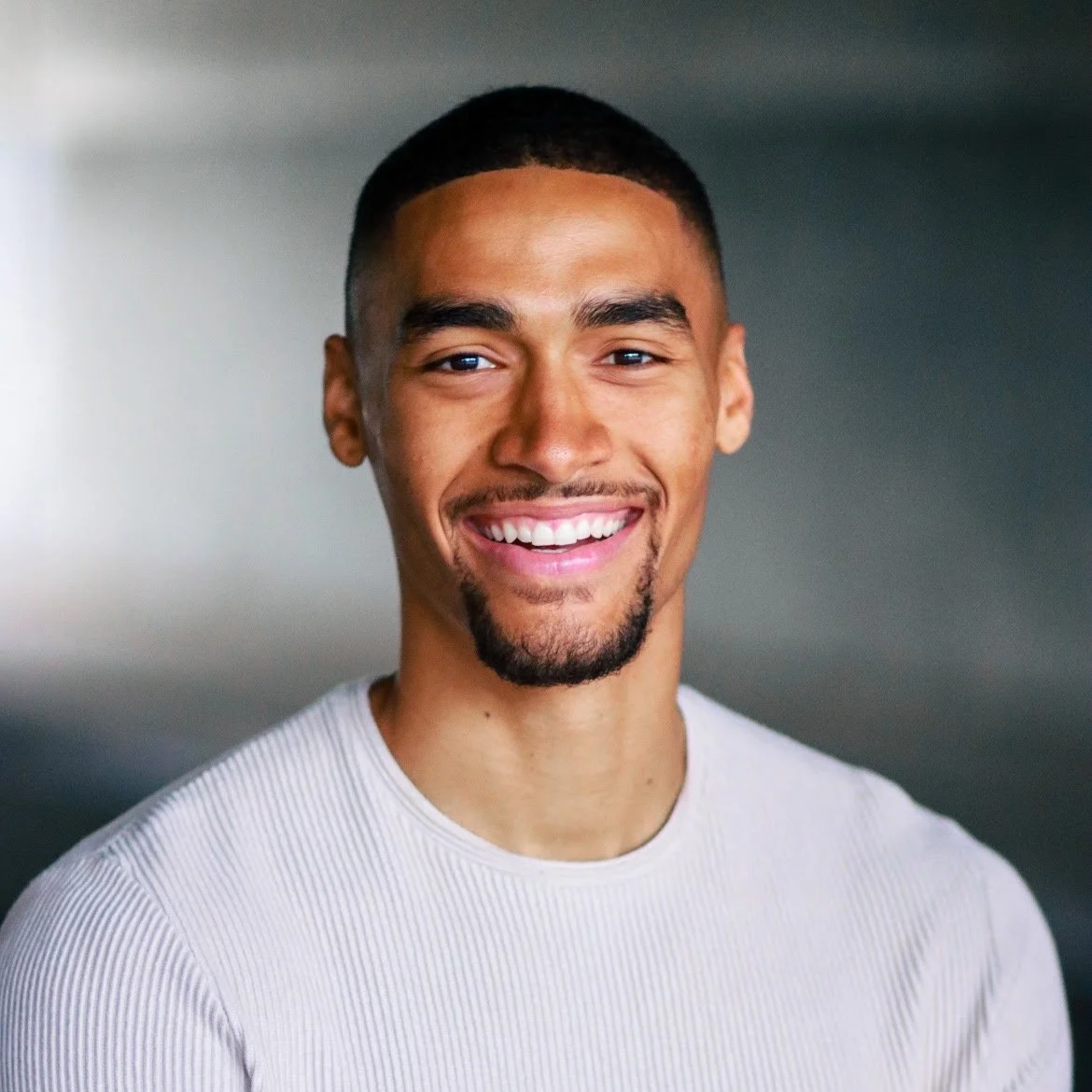
In this episode of The Energy Fix, Tansy sits down with Kyle Gonzalez to explore one of the biggest health challenges of modern life: staying consistently active in a world that constantly encourages us to sit still.
Together, they discuss the evolutionary mismatch between our bodies and our environment, why consistency is often more about design than discipline, and how small mindset shifts can completely change your relationship with movement.
Kyle shares his personal journey into fitness, lessons learned through coaching, and practical strategies for creating sustainable habits that work in real life—not just in ideal circumstances. The conversation also dives into accountability, community support, neurodivergent-friendly approaches to movement, and why exercise doesn't have to be all-or-nothing to be effective.
Whether you're trying to get back into movement after a long break or looking for a healthier, more realistic approach to fitness, this episode offers a refreshing perspective.
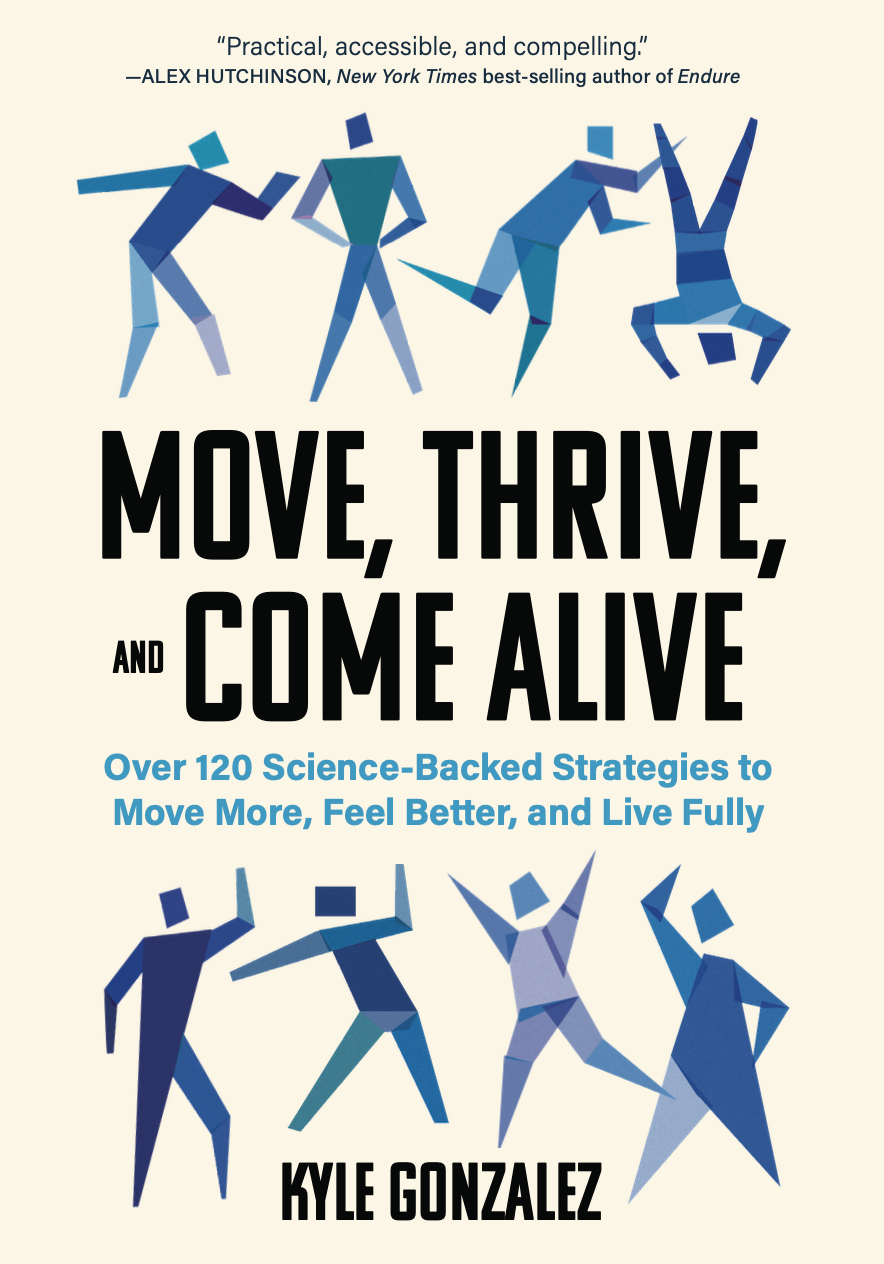
Purchase his new book!
Listen & Watch
🎙
Listen & Watch 🎙
What We Cover
In this episode, we talk about:
Why modern environments work against movement
The evolutionary mismatch between our bodies and today's lifestyle
Kyle's personal journey into fitness and health
Why consistency is often a design problem, not a discipline problem
Building confidence through small wins
Accountability and community support
Mindset shifts that support long-term success
Strategies for neurodivergent individuals
Common friction points that derail consistency
Bringing joy back into movement
Practical ways to fit movement into busy schedules
Why frequency often matters more than intensity
Key Takeaways
Consistency is often more about environment than willpower
Movement should support your life, not dominate it
Small actions create long-term momentum
Accountability can be a powerful tool for success
Building confidence starts with realistic expectations
All movement counts
Adaptability is essential when life gets busy
Mindset plays a major role in health behavior change
Walks can be one of the most powerful foundational habits
Just 1% of your week dedicated to movement can create meaningful change
Favorite Quotes & Sound Bites
A few moments you’ll want to remember:
"Consistency isn't usually a discipline problem."
"Movement creates energy, it doesn't drain it."
"Life is going to happen, be adaptable."
"Frequency matters more than intensity."
"Start small, be realistic, focus on the basics."
"Design your environment to support your goals."
"Movement can be anything, anywhere, anytime."
"Walks are like the gateway habit."
"1% of your week can change 100% of your life."
Chapters
00:00 – The Evolution of Movement in Modern Life
12:18 – Kyle's Journey into Fitness and Health
24:20 – Reclaiming Movement in a Sedentary World
32:04 – Mindset Shifts for Consistency in Movement
38:57 – Strategies for Neurodivergent Individuals
43:15 – Friction Points That Kill Consistency
47:03 – Real-Life Coaching Success Stories
52:08 – The Power of Mindset and Change at Any Age
55:04 – Bringing Joy Back to Movement
01:01:28 – Move, Thrive, Come Alive
01:06:00 – Coaching Through Pain and Injuries
01:10:25 – Movement for Busy Lives
Why This Episode Matters
Because so many people think they're failing at consistency when the real problem is the environment they're trying to succeed in.
It can show up as:
starting and stopping exercise routines repeatedly
feeling guilty for not doing enough
believing you need more motivation
struggling with all-or-nothing thinking
feeling exhausted by traditional fitness advice
wanting to move more but not knowing how to fit it into real life
And the frustrating part?
Many health plans are built around perfect circumstances instead of actual human lives. This episode is a reminder that consistency isn't about becoming more disciplined. It's about creating systems, environments, and expectations that make movement easier to return to—even when life gets busy.
Movement isn't supposed to take energy away from your life. It's supposed to help create more of it!
About Kyle Gonzalez
Kyle Gonzalez (MS, CSCS) brings over a decade of experience helping people optimize health and performance through coaching, teaching, and start-up leadership. A former D1 athlete, he’s been featured in Men’s Health, NBC News, The Washington Post, and Real Simple for his work in the fitness industry. He currently serves as vice president of Performance and Coaching at Coya, a human performance start-up, and is also the author of The Vitality System and host of The Vitality System Podcast. He lives in Los Angeles.
Links Mentioned In The Show
Get the book! Move, Thrive, and Come Alive
Website: https://www.thevitalitysystem.co/
Just Thrive Probiotics- Get 15% off with this link!
Fusionary Formulas: Use code TANSY15 for 15% off your entire order!
Podcast review promo...Get 15% off a distance energy healing session or a piece of jewelry with a positive review of the show. Email photo of review (after submitted on podcast platform) to info@tansyrodgers.com
Support Beyond The Episode
If this conversation hit home, and you’re craving deeper support (not just ideas, but real integration):
Join the newsletter →
If this episode challenged your beliefs about exercise, consistency, or what it means to be healthy, take a moment to ask yourself:
What's one small way I could add more movement to my life this week?
Because meaningful change rarely starts with a complete overhaul. It usually starts with one small step.
If you enjoyed this conversation, be sure to follow The Energy Fix, leave a review, and share this episode with someone who's been struggling to find a sustainable approach to movement.
Transcript
-
Kyle Gonzalez (00:00.098)
One is we live in the most technologically advanced time in history and also one of the most sedentary. With that, there's screens, there's work, there's digital work, there's all of these different things that grasp at our attention, that grasp at our energy, that grasp at our time. That is way different than how we evolved as humans. And secondly, I think as we look to become successful in this modern life, it's something that s fades to the back.
And our world isn't necessarily designed all the time for us to be more active and to move more. Sometimes it is set up for us to be sedentary and to be indoors and to be in these situations. And so I think we're fighting a design problem and we're fighting an evolutionary mismatch where our bodies want to be outside and moving and doing all these things, but our environment is actually set up some ways in the opposite.
Tansy Rodgers (01:05.442)
Welcome back to the Energy Fix, a podcast dedicated to help you balance your energetic body by diving deep into the sweet world of all things health and spirituality. My name's Tansy, and I'm an intuitive Crystal Reiki energy healer, energetic nutrition and holistic health practitioner, and a crystal jewelry designer. It's time to talk all things energy. Let's dive in.
Welcome back to the Energy Fix Podcast. Today we're going to be talking all about movement and really focusing on the part of movement that I think is so easy to get wrong. And that's how do you make movement something that you actually want to return to, something that excites you, something that motivates you, something that keeps you interested. Even when life gets busy, your energy gets inconsistent.
Motivation, maybe that is coming and going, right? We want to know how can we stay consistent? Because consistency isn't usually a discipline problem. It's a design problem. It's friction, identity, stress loads, maybe not having a plan that actually matches the season that you're in. And my guest today is the perfect guest to be talking all about that. My guest is
Kyle Gonzalez. He is a strength and conditioning specialist with a master's degree, a former D1 athlete, and he's spent the last decade helping people build sustainable health and performance. He's been featured in Men's Health, NBC News, The Washington Post, and Real Simple. And now he serves as vice president of Performance and Coaching at COIA, which is a human performance startup.
He's also the author of Move, Thrive, and Come Alive. And he's the host of the Vitality System podcast. We're gonna be talking all about how to reclaim movement in this modern, amazing world that we that we're in, but also how to build consistency without burning out and how to bring joy back into exercise so it supports your life instead of actually taking it over.
Tansy Rodgers (03:30.336)
All right, Kyle. Let's dive in to this conversation. Welcome to the show.
Kyle Gonzalez (03:35.998)
man, I am pumped up just hearing that intro, enthusiastic and ready. I appreciate you having me on, but but yes, excited to dive into things today.
Tansy Rodgers (03:45.428)
Kyle, this is my world too. I love this stuff so much. And I really love getting to converse and chat about something I'm passionate about with something that somebody else is really passionate about. And especially, I can tell you so much excitement around this. So yeah, good stuff.
Kyle Gonzalez (04:05.048)
Yeah. It is it is something that, yeah, it it oozes out of me. And sometimes I have to contain myself when I get on a platform because I just want to share so much and so excited about it all. But it's truly an important topic as well. And I think there's nothing more important that you could give someone than health and access and agency back in their life. So yeah, wherever you want to start, let's dive on into it.
Tansy Rodgers (04:28.738)
Right. Sounds good to me. All right, let's start with a real question. Why do so many smart, capable people really struggle to be consistent with movement, even when they genuinely want to feel better? What is your thoughts around this and how can you expand on this concept?
Kyle Gonzalez (04:49.356)
Yeah, this is the million dollar question, honestly. And I think it is something that I don't think people purposely fall out of health or fall out of movement or fall out of these things. I think there's two things that I that came to mind when you asked that question. One is we live in the most technologically advanced time in history and also one of the most sedentary. With that, there's screens, there's work, there's digital work.
There's all of these different things that grasp at our attention, that grasp at our energy, that grasp at our time. That is way different than how we evolved as humans. And secondly, I think as we look to become successful in this modern life, it's something that fades to the back. And our world isn't necessarily designed all the time for us to be more active and to move more. Sometimes it is set up.
For us to be sedentary and to be indoors and to be in these situations. And so I think we're fighting a design problem and we're fighting an evolutionary mismatch where our bodies want to be outside and moving and doing all these things, but our environment is actually set up some ways in the opposite. And there are some places where this is not the case. This is not an everywhere thing, but we spend ninety to ninety-five percent of our time indoors now. We all are spending
hours on our devices, whether that's laptops, screens, phones, all of these things. And so I think it is up to us to just take a step back, be a little bit more intentional of how we create our environment, how we design our environment so that we can fight a little bit of this friction that we're facing when it comes to movement.
Tansy Rodgers (06:29.346)
Mm-hmm. And so you have a picture on your wall right behind you that I think is the epitome of what you just said. And for those who aren't watching, it says the best way to predict the future is to create it. And you're absolutely right, not only just to create what you want, but also to create your environment to facilitate and to support this desire that you have, this design that you want. It really is all about the design.
Kyle Gonzalez (06:58.626)
Yeah. Yeah, it it really is. And I think for me it's something I've had to come to terms with because as a practitioner, we live in this space on a day-to-day and we see how our environments are set up. It's actually not that ridiculous to think about people sitting eight to ten to twelve hours a day because you sit to drive, you sit to eat, you sit to work, you sit to watch TV, you so it's like, okay, it actually makes sense.
So, how do you combat that? How do you then go on the other side of that? You have to bring a lot of intentionality, whether it's standing desks and less furniture and sitting on the ground when you can and taking movement breaks and exercise snacks and all these things we hear. It takes effort. And if you are, you know, a busy parent or a busy professional, sometimes these things start to float to the background. And so we'll talk a little bit about this today, I'm sure. Of I don't necessarily think it's a time problem.
I think it's a priority problem of just making sure it's higher on your priority list to bring these things into your purview to make sure that you're being intentional. because yeah, it it doesn't take much. And that's what I like try to advocate to people. It's not like you have to be moving and exercising for all the times of the day. It doesn't take much, but it does take intentionality.
Tansy Rodgers (08:17.026)
Yeah, yeah. And I I gotta share this with you because as you were talking, I I'm remembering this time I worked with this client. She had me come to her house and she wanted to get into an ex she wanted to get healthier in general. Food, some nutritional work, but also exercising and getting back into it. And she said, I I just don't understand. I don't know why I can't stay consistent with my exercise.
Workout. I have all the weights. I have everything I need. I just can't seem to stay consistent. And I was like, all right, so why don't you show me where you're working out? Kyle. I'm not even so she takes me down into her basement, which is her workout room, quote unquote. I'm using Eric Ques here, right? She takes me down into the basement. Her workout room that she's supposed to be inspired by is literally a little
Dank dark corner in the basement. There's no windows. It's a little smelly because it's a basement, right? She has a few weights down there. She has like a like a bike, some kind of a recumbent bike that she's sitting on. And it's all tucked in. There's there's boxes all around it. She's like, I just, I just this is where I'm working. I just can't stay consistent. I'm like, understandable.
There is nothing motivating about this place. So not only is it about everything that you're setting up, but it's also the environment that you're in too. So I can't wait to hear about some of your frameworks and what you suggest for people in these kind of situations.
Kyle Gonzalez (10:00.566)
Yeah. man, that rings so many bells for me because I've seen so many people that use their Peloton or their treadmill as their coat hanger or collecting dust. And it is it's sad, but I think again, it comes back to this like you you have to one, understand yourself and set yourself up for success. And we all know what maybe our s shortcomings might be, whether that be motivation, whether that be accountability.
Whether that be I just don't know what to do programming and all of these different things. And so luckily we live in a time and a space where we have access to so much information. We have access to great coaches. We have access to great communities. And I think finding what works for you is really an important step. And just being ready for change and setting yourself up mentally for change, because it it is hard. Behavior change is very, very hard. And so that's why I always break it down into like, okay.
I I I always talk to my people that I work with with like, what is realistic and what is ideal? We wanna start with realistic because everybody wants to start with ideal. Everybody wants to start with five times a week, Kyle, 45 minutes in the gym, gonna do this, gonna do that, gonna get after it. And then when they miss one session, they throw the whole week away and it's like, I failed. I didn't hit five. I'm not gonna do this. I'm not gonna show up tomorrow. And guess what? I'm just gonna order pizza because I don't feel great and da-da.
And it all goes down from there. As opposed to like, hey, let's set up what's realistic for you. Can we start at realistic? Maybe it is. I'm just gonna go for a 15-minute walk three times a week. Great. If it's more than what you're doing now, great. And I think being able to build the confidence, being able to build, like you said, the consistency, that is the number one piece. We see the cliches, progress over perfection, consistency over intensity. Those are true. And they couldn't be more true with.
If you can build the habit of showing up, guess what? You're telling yourself, hey, when I make a commitment, I show up for it. And even if it's five minutes, that builds, that grows momentum. And momentum is a very, very powerful thing, especially when it comes to health and movement. So yeah, it's it's definitely one of those things I work with a lot.
Tansy Rodgers (12:18.25)
Yeah, yeah. Well, before we really get even further into the frameworks, let's talk about your origin story, Kyle. Why fitness? When did fitness become more than sports or aesthetics and really turned into something that you saw as a life skill?
Kyle Gonzalez (12:35.426)
Yeah. man, this brings a smile to my face because as a kid and hopefully as most people listening as kids, it wasn't exercise or fitness or any of that. It was just play and it was just be outside and be a kid and go do things and playing tag and playing sports and going to the park and going in nature. And that's really where my love started. My dad was a huge explorer. We would go to a different park every single weekend.
And I think that kind of sparked the explorers gene in me. As I grew up, my mom worked in hospitals for 20 plus years. So I was always around health. My father unfortunately passed away of cancer. And so that brought that into my life of like, huh, there's these things that maybe we can or can't control and when it comes to health. And so for me, it was okay, how can I learn to be the healthiest version of myself, the happiest version of myself, and prevent some of these things that might be lingering?
I was also an athlete. And so when you're an athlete, you want to be the best at your sport. I was not at an early stage. I was not the strongest. I was not the fastest. I was not the anything. And so I was always that middle of the pack kid fighting to get a spot on whatever team it was. And I loved all sports, soccer, baseball, tennis, everything. And I was a competitor. So with that, it's like you gotta learn and be scrappy on how you improve from a performance standpoint.
And so that was kind of my entry point into really learning the science of anatomy and biology and how the human body works and mindset. I was cold plunging before cold plunges were cool and I was doing all that experimenting. And that was what I loved, just experimenting and trying these things. And so I was fortunate enough to play college basketball. I walked on to that team and again.
wasn't the best, had to work my way, had to really grind myself to to make it to where the standard was on the team. I I always joke, I raised the team GPA because I loved going to class and I majored in exercise science. so that was always great. And from there it was just like, my goodness, there's so much to learn and so much to know about movement in the human body. And that sometimes that's intimidating to people of like I'm never gonna learn all of this.
Kyle Gonzalez (14:58.114)
To me, it's like I I can just be endlessly immersed in this space. And so recovery, nutrition, mindset, sleep, all of these things were huge to me. And I just went down the rabbit hole. I got my master's, I got the alphabet soup after my name of all the certifications you can get in different spaces and places. And then I've had a realization of like,
What does all this mean if I just hold it in as knowledge? Like I wanna express this and help people live better. And so that's where that led to teaching was great. I loved teaching, but I didn't feel as connected to my students and their change and all of that. So it was like, Kyle, you gotta, you gotta be a practitioner. You gotta go work with people hands on, see the change, make sure these frameworks and ideas actually work and resonate with people. And
It's funny because I always joke, I went through all of the schooling and training and became a personal trainer. And it's like I see people who like took a weekend certification and they're a personal trainer too. But I took my craft so seriously and it didn't matter to me what everybody else was doing. It just mattered as can I help the person that's in front of me right now? And so that led to a journey of writing and reading, working at startups, being at bigger companies, but still always, always working with people.
Because yeah, there's no greater calling to me. Like I we talk a lot about the company I work at, COIA. we don't have an occupation, we have a vocation. And that vocation is really to empower people to live better lives, to bring energy to their interactions, to not just live better today, but tomorrow and for the rest of their lives. And so that's that's kind of where it all stemmed from, is just being a kid who was curious, who wanted to learn more about the human body, being surrounded by health, being an athlete.
and that now is expressed with this kind of unrelenting desire to want to continue to learn, continue to grow, continue to inspire and continue to work with people to to improve their health.
Tansy Rodgers (17:00.686)
I love this so much. You're you're talking. I'm like, you are my twin. There was just so much. How how many times have you sat down with an exercise in physiology textbook for fun because you just wanted to know more? Cause here, that was me. Yeah. I love it. I love it. So thinking about where you were and where you're at now.
Kyle Gonzalez (17:20.814)
Spirits, for sure.
Tansy Rodgers (17:28.326)
Is there a word or a phrase that you feel that you've stepped into at this point of your life as you're catapulting into the next phase?
Kyle Gonzalez (17:37.71)
this is such a good reflection exercise for me. The word that I cannot get away from that I love and come back to all the time is vitality. And I have like this platform where I help people, friends, family, community, and I call it the vitality system. It's also the name of my first book. and this word vitality just kind of encapsulates everything that I want to bring to life. And I I there's many definitions, but
It's centered around strength and energy and the power giving continuance to life. And I it just hits my soul when I hear the word vitality. And I think people throw it around in different longevity circles and health circles. But to me, bringing strength and energy and just really a presence to everything I do is really what I'm all all about. And yeah, whether it's the person I'm working in front of, whether it's the book I'm reading, whether it's the content I'm watching.
I really want to be fully immersed, fully present. I really want to bring energy. We have this term, again, that we also use at Koya called being a thermostat. Whatever room we come into, we want to set the temperature. And and I think for me that's so important. Whatever room I'm in, I want to make sure that I am bringing the energy to help raise everybody around me. And so in this Zoom and you know, virtual environment, that can be hard. And I've worked with
hundreds of people online. And so you really, really have to focus on that energy piece because people really want to know that you're in this with them. People want to know that you're meeting them where you are. People want to know that you are really going to be in this fight with them. And so for me, energy and vitality is really something I keep coming back to. Because guess what? Like we control that. And no matter what happens, you know, you know,
Bad day, good day, left, right, up, down, rainy, sunny. I can bring good energy and I can bring good effort and I can bring good attitude. And so I try to make sure I control that with whatever interaction I'm I'm in. So vitality is the word for me.
Tansy Rodgers (19:46.246)
A quick pause for a gut check because gut health is not just about digestion. When your gut is supported, it can impact so many big picture things like immunity and brain support, mood and energy, and even how steady your nervous system feels day to day. And when your gut is struggling, it can show up as more than bloating or bathroom drama.
It can look like feeling run down and more reactive or foggy or anxious or like you're just not bouncing back the way that you used to. And that's why I'm a big believer in supporting the microbiome as part of a real life wellness foundation, especially if you're under stress, if you're in a busy season of your life, or your system is already sensitive. One of my consistent staples is just thrive probiotics.
I love it because it's simple, it's consistent, and it helps me feel like I'm supporting my body's baseline without turning my routine upside down. Because here's the reality. When you're supporting your gut, you're often supporting everything downstream, like your immune functioning, your nervous system resilience, and how well your body and your brain can actually do their jobs.
If you want to try it out, you can use code TANSY15 for 15% off your entire order. Jump down to the show notes, click the link, and make sure to use Tansy15 for that 15% off. All right, let's get back into this episode. I love that. And and really, I mean, especially with what we're going to be talking about today, it vitality.
The concept of vitality is so important because we expand way greater than our physical being. And so when we're talking about exercise or body movement, or it's not just about the physical body. It's so much deeper. It's energetic, it's it's emotional, it's mental, it's spiritual, it's
Tansy Rodgers (21:48.788)
Everything encompassed in one. And I love I want to drive that home for the listener right now who's listening to this and thinking this is pure physical body. It is not. And I think that what you said right there really is the most beautiful catchphrase, all catchphrase of exactly that.
Kyle Gonzalez (22:09.996)
Yeah. Yeah. It it is it is something that is just so important. And I'm glad you underscored, highlighted that because I work with so many people and it they can be a little single track minded on trying to get to a physical goal or physical outcome. But I try to help people expand on movement, can do so much for you. And even just expanding outside of exercise, because people are like, I need to exercise and exercise. I'm like,
Life is more than just exercise. What you do on that 30-minute gym session, I'm actually more concerned at what the other 23 or 23 and a half hours looks like and how we can optimize that. And so for me, like you said, now for me, I would argue that like movement and physical practice is actually more emotional and mental for me, of a release of stress relieving, of something that just like
waters my soul for lack of a better term, and just helps me show up as a better parent, as a better partner, as a better friend, as a better coworker. And when those things happen, guess what? Life is gonna get better and you're gonna pour way more into the work you're doing, the people around you and the relationships that you have. And so yeah, it it's one of those things where I try to keep reminders around. I try to keep that at the forefront of how are you what what energy are you bringing to all these things? Cause it can get easy.
To slip into the, you know, whether it's my day is busy, victim mentality, there's things that are going against me, life can be unfair. But guess what? When we move our body, we create, and this is actually one of the concepts I talk about a lot. Movement to me isn't a drain of energy. Movement creates energy. And research points to this everywhere, whether it's productivity.
Whether it's health and wellness, whether it's physical, you know, you know, actually being able to physically express yourself, movement creates energy, especially when we recover proper properly. And so I think for people, if you are looking to have more energy in your interactions, have more energy at work, have more energy in all of the things that you do, movement is is no better place to look.
Tansy Rodgers (24:20.374)
Yeah. And and this has really changed over time. Everything that you just talked about, this has really changed over time as the world changes, as our demands change. And so let's look at the modern world that we're in right now. You talk about reclaiming movement in the modern world. What do you think the modern world has done to our relationship with movement physically and psychologically?
Kyle Gonzalez (24:48.564)
man, this is this is such a good question and I gotta keep myself brief here. But the mod
Tansy Rodgers (24:53.812)
You can go on your soapbox. Sorry.
Kyle Gonzalez (24:56.494)
No, the the modern world, I don't want to say everything is bad. I don't like the terms good, bad, this, that I I think it is just different. And I think like I mentioned earlier, we have adapted environments now. And we're, you know, i in certain places and obviously we're privileged to live in this beautiful country and and all of these things, and not everywhere is as privileged as we are, but where we almost we live in abundance. And so
We can do all of these things that actually don't require movement. And so with that, we've really focused on efficiency. We've focused on convenience. And these things have led to us kind of what I call like engineering movement out of our life. And so we we even can sit to exercise. We can be on these reclined bikes and sit to exercise nowadays, which again, for certain populations, can be great. But
Again, I think for us, it's really thinking about how can we really get back to and it's not like, we got to get back to prehistoric times and we were moving all the time and outdoors all the time, but I think how can we start to reclaim some of this natural joy with movement? We all have things that we love to do that involve movement. Look, it when we're moving, again, everything is changing. And so I think whether it's hiking, whether it's dance, whether it's sport.
Whether it's actually exercising, I mean I love exercising and get s tons of joy from that. I think for people, a lot of people think and put exercise in like this box and they're like, Kyle, I don't like exercise. And I'm like, whoa, whoa, whoa. Like I am positive that there's somewhere out there, some type of movement flavor that you actually do love. You just haven't found it yet. And so for me, it's really thinking about how can we
start to test how can we start to get out there and do these things that we've enjoyed throughout the course of our life that move our body, whether that's like I said, it could be simple as walks, it could be simple as just getting into green spaces, swimming, being by the water. All of these things are great uses and expression of movement in our lives. But I think we kind of relegate it into this box of it has to be in the gym, on a treadmill, with weights, all of these different things, which all are great.
Kyle Gonzalez (27:17.474)
But I think if we can expand that definition, we can encompass a lot more joy within movement.
Tansy Rodgers (27:24.32)
Yeah. Well, and you said that you don't like to use the terms good, bad, etc. You know, any of these terms that go along. Many people kind of do use it as a moral scorecard, right? Like like I'm doing good, I'm doing bad. I yeah, yeah. So I'm curious your thoughts here.
What does that mindset do to the nervous system when we start to categorize it as either good, bad, or any other other terms that you might use? And how do you help people shift that mentality?
Kyle Gonzalez (27:59.746)
Yeah. This is a big one. And I I work with tons and tons of people that really get stuck, and I talk about this a ton, really get stuck in like an all or nothing mindset. And I really try to shift people towards like always something instead of all or nothing. And I think it's important because momentum works in both ways. And so if you are always getting down on yourself when you miss the gym, guess what? That momentum and that habit is gonna build.
And that then becomes something that becomes a self-fulfilling prophecy. And so it is not always going to be perfect. And I think that's what we need to optimize for. Life is going, I say life is going to life. Life is going to happen. Things are going to happen. I have an 18 month old, I have a dog, and all of these things. And you're always getting thrown curveballs. But guess what? If I am expecting that and if I am ready and adaptable and understanding that there might even be a hierarchy of, like, hey,
Here's what I want to do. Here's if I don't have time for that. And here's like emergency break glass plan. I love people, I love coming up with hierarchies for people because they think it's like always gotta be option A. And I'm like, guess what? I can give you B, C, D, E, all of these things so that you can still show up. And like I said, showing up builds momentum in the positive direction so that let's say you show up and it wasn't ideal, but it was five straight days, you showed up, you got something done.
On that sixth day, you're so much more confident to be like, hey, whatever life throws at me, I'm gonna show up no matter what. And so for me, having backup plans, having fallback routines, examining your defaults, what do you default to when you're bored, when you're tired, when you're sad, when you're mad, and all of these things? Because I know I used to have not so great defaults. But then when I identified that, I'm like, I can just kind of shift some of these things so that when these situations come up.
my defaults are a little bit better. And so for me, getting out of the good, bad, you know, optimal, not optimal, it's like everything is gonna fall on a spectrum. And I always love the term anything over zero compounds. And so if you can just do something, guess what? You can build on that and you can build momentum as opposed to doing absolutely nothing or going backwards, where again,
Kyle Gonzalez (30:23.018)
Even that is not the end of the world. I always say the I'm throwing a lot of terms out here, but it it's all coming flooding back to my brain. but I always say to be clear with where you're going, but flexible in how you get there because life is is gonna take a weaving route. And so I know what some of my goals are, I know what some of the things I want to achieve are, but I am not on this rigid Kyle, you have to take step A, step B, step. I am saying I want to get here. Here are the tools that I have to get there.
But I know it's gonna be a flexible path there. So be clear with where you wanna go and flexible how you get there helps a lot of the people that I work with relieve some of that weight and pressure that, you know, we see in social media these days. It's like 30, 30 day abs or, you know, get this thing in 15 days. And it's like, that's what people think is the reality. When truthfully, it's like the faster you get something, the quicker it is to lose it.
And the slower you get something, the easier it is to sustain. And so that's where I wanna live is sustainable. I hate the word hacks. I hate the temporary quick fixes. I hate all of that. What I really want you to understand is how can you build a lifestyle that you love and that you can sustain? And that's that's where all my work stems from.
Tansy Rodgers (31:39.192)
Which really everything you just talked about is such a great way to train yourself into other areas of your life. I mean, this is really a big life practice, right? The more that you can do exactly what you just said, that transfers over into how you handle other situations, relationships, jobs, et cetera, right?
Kyle Gonzalez (32:04.012)
Yeah. Yeah. One hundred percent. It is so transferable. And I always talk about like for me it's it's something that these are life values and life principles and like you could remove the fitness, the movement and all of that, and these principles still apply. And I think that's the beauty of it is that I try to apply them when it comes to sleep. I know sleep is not always gonna be perfect when it comes to nutrition. Guess what? Who wants to live in a world where they have to be a hundred percent perfect on nutrition all the time?
I would venture to say almost nobody. I love my chips. I love my burgers. All of those things. But guess what? I'm intentional about when I do these things. And I'm intentional about how they fit into my lifestyle. And I enjoy all of the foundations. And I think that's another thing that I I think is getting lost in the modern day. People think they have to do the
13-step morning routine and they feel like they have to do the cold plunge every morning and they feel like they have to do all of these like really influencery tough things when really it's like, are you getting enough sleep? Are you consistently eating whole foods? Are you moving your body every day? Are you having a proactive practice for stress management? Like basics. These are the basics. If those aren't covered, you have so much room to improve.
just there. Like that's the eighty, ninety, I'd venture to say ninety five percent. The five percent is like, okay, yes, maybe we can talk about some of these tools and gadgets and technologies. But if we start there and leave that ninety five percent, we are majoring in the minors.
Tansy Rodgers (33:43.374)
Preach it, Kyle. Foundations. That is the crux of it all. Foundational work. Yes. All right. So, okay, let's let's go back into that whole concept of consistency. I want to really dive in here because I got I got a few questions around this. All right. Great. So consistency. What matters more? Frequency, intensity, or or yeah, let's start there.
What matters more, frequency or intensity?
Kyle Gonzalez (34:14.446)
Frequency for sure. And I would say again, I would rather someone show up, let's call it, f for five minutes over five days, rather than show up 30 minutes for one day. And again, what this does, I mean, you read any of the habit books, James Clear and Atomic Habits and BJ yeah, BJ Fogg and Tiny Habits, and there's a bunch of them, Charles Du Haig and The Power of Habits, all of them point to
You have to kind of build this identity around I'm the type of person who does X, Y, or Z. I'm the type of person who goes to bed on time, or I'm the type of person who shows up for movement and whatever that is. That then builds momentum or even better, builds confidence. And guess what? A lot of people when they're starting these journeys, they're a little bit unsure, they're unknown on where to go, what to do, how to do it. Confidence can be the biggest pusher of like.
I'm now ready to show up again. And so for me, I would rather you show up for that five minutes, get that done. And guess what? You know, we hear dopamine and all these neurochemicals. It does cause this mental body says, I did something, I checked this off, this was good. And then you keep doing it. And guess what? Like James Clear says, you're casting votes for the person that you want to become. And I think you really have to see yourself as
the type of person who does these things. Because before you can become that person, it actually helps to embody the mindset of that person. Because then you actually start to take on the behaviors of like, you know what? I'm actually, if I'm the type of person that's healthy, I'm going to take the stairs here instead of the elevator up. Or, you know what, I'm going to park a little bit further away. Or you know what? I'm going to go on a walk on this break as opposed to picking up my phone and scrolling social media. And when you do that enough times,
Guess what? You start to seek out different ways that you can be more active or different ways you can be that person. And I think that's where it really starts to open up possibility because you can move more in so many different ways. I can give you a thousand ways to move more. That's not the issue. The issue is really building the confidence, building the accountability. So simple answer, frequency for sure over intensity. and then guess what? As you do more with the frequency,
Kyle Gonzalez (36:39.916)
you will be able to then push the intensity when you do show up. And so when you try to go intensity first, you end up on that roller coaster ride of, I did great for two days and then I fell off for four. I did great for a week. Up I fell off for another week. So again, we see this a lot in nutrition. We see this a lot in movement. We see this lot in sleep. Pick something that you can sustain rather than something that you could do for a week.
Or a month, because we all know I could grind through any diet for 30 days, but is that the diet I want to have for the rest of my life? Heck no. Like I and so again, these are things that you really want to set yourself up for. Even if it's a season of life, whatever it is, do I want to be sustaining this for the season of life? Do I want to be sustaining this for the rest of time? These are all great questions to really take a step back and be like, well, then why am I doing it right now? So that's that's how I think about it.
Tansy Rodgers (37:33.42)
Yeah. I always talk about the lowest hanging fruit, like when you're just starting out. Like what is the easiest thing that you can do just to build that confidence, to build that consistency, to keep yourself moving forward, to keep yourself motivated. Yeah. Yeah.
Kyle Gonzalez (37:48.108)
Yeah. I I use that I yes, I use a similar framing, minimal effective dose. And it's like the the great exercise science term of like, what is the minimal effective dose? And I think sometimes people take that and are like, like just do the least, you know, effortful thing and you know, whatever. But for me, it's like, no, what is the least amount of effort to get the best results or best kind of, you know, buy-in with all these things? And so minimal effective dose comes up a ton.
And I think the the always something overall or nothing comes up a ton as well. But both all useful frameworks and there's so many ways to scratch it, but it all starts with like start small, be realistic, focus on the basics because the boring basics are what works. And so yeah, it's something I I talk about until I'm blue in the face and I will continue to talk about.
Tansy Rodgers (38:35.584)
All right, million dollar question. Because we have a lot of listeners that are neurodivergent, especially ADHD, who struggle with consistency and staying on task. Do you have any advice for these folks?
Kyle Gonzalez (38:57.772)
Yes. man, a lot of advice, but I think I would I would narrow it down into two things. One, accountability. I think whatever form that comes in, I talk a lot about community, but I think just this umbrella term of accountability, that can mean getting a coach that helps you kind of put together the plan and holds you accountable. That can mean working out with a friend.
That could mean some sort of technology that nudges you or you know, whatever the new technologies out there are. That could be a wearable, that could be you know, I've seen things where you're in an online community like Strava or something like that. Accountability and community are an extremely powerful force, one of the most powerful forces when it comes to staying committed and staying consistent. And so when I think about those things, it is just.
100% a necessity for some people. Some people can loan wolf it, but I think it is important to find whatever community looks like and means to you because that'll help it last for a lifetime. And then on the other end, I would say environment. And we talked a little bit about this, but I'll break it down into some easy categories of people, places, like things and gadgets, and then information.
Are you surrounding yourself with the right people? And that goes back to community. Are you surrounding yourselves with the right places and what does your physical environment look like? Whether it's, you know, making sure you keep you have a standing desk or you have an underdesk treadmill or you have a jump rope nearby or you put your shoes in workout outfit the night before. All of those things can be super helpful. Things speak to like the gadgets and wearables and things like that. What are the things that are going to help you move along this process?
And then one of my favorites that's less talked about is information. Whether you know it or not, you're being influenced by the information you're consuming. And so if you are constantly consuming negative content, even if it has nothing to do with movement or fitness, that is going to affect your battery, your energy. And so for me, I think ultimately, can you design the informational appetite, if you will?
Kyle Gonzalez (41:15.874)
To be one that is positive, to be one that is going to serve the purpose of helping to motivate you, helping to get you on the right path, or just omitting certain things altogether. For me, I try to have screen time limits because I know there are such positive things that I want to get out of social media that I want to get out of being on my email and stuff like that. But if I leave it unchecked.
I will usually tend to go towards some of the more either negative or non-self-serving things that I really just don't want to be consuming at that much time. So again, I try to put some of these things and boundaries and barriers on on these things because I know we are fighting a very, very hard battle against some of these technologies, which again, not bad at any level. I think we all want to live in a world where we have social media and we can connect in these communities, but we just have to make sure it doesn't go unchecked.
Which sometimes can can be a problem. So yeah, I would say accountability, community, and and really making sure you're you're thinking about environment.
Tansy Rodgers (42:17.838)
You are so right on the money, Kyle. So right on the money. I I have to say, I have to add to that for anybody listening, how right on the money he is. When I learned that I had ADHD and that my brain loved to fly in 20 different directions at once, accountability groups, I'm in about three of them right now for different things. Accountability is huge, huge. Number two, I literally have stations.
throughout my house. And what I mean by stations is that they're in my eyesight. I have my workout station, literally all of my weights are right here beside my desk. I have my book station of things that I want to read. I have my journal station for when I need to get stuff out of my head. Like you have to set up your environment. Everything he said is so right on the money. I love that so much. Yes. So
Kyle, if we're expanding just even a little further on this when we come to the consist consistency, what are some of the most common friction points that you see that quietly kill consistency?
Kyle Gonzalez (43:30.55)
Yeah, this is a good question and definitely want to take it in a different direction than what we've gone. But I I think when it comes to consistency, sometimes there's like both ends of the spectrum on like either not having a plan at all. And so starting on the I have no plan and I I'm a little bit anxious because I don't know what to do, I don't know how to do it and kind of get lost there. And then there's the other side of the spectrum, which is like I have planned everything.
everything to a T. And if anything goes off of that plan or diverts, then I'm like panicking and getting anxious. And so I think again, it comes back to just being flexible and being adaptable. And when you're coming into something like this, focusing on the effort, focusing on showing up rather than I am trying to execute some plan perfectly or I am trying to get to to some end outcome. And so again
We really want to focus on the things that we can control. And so I think sometimes when people get into these journeys, they put faith and they put energy into things that they might not be able to control. And I think we can always control our effort, our attitude, our energy and all of those things. So that would be one. I think yeah, another thing for me is when I'm thinking about being consistent, it's how can I really
Try to understand just the the general environment that I'm in. Am I ready to change is a big question that I ask because sometimes the right change at the wrong time is the wrong change. And so this is a big one for me because when I work with a lot of people, it's like I really want to land on what is realistic, what is sustainable, but what are you actually ready to take on right now? And sometimes
During certain seasons of life, I'll talk summer because we're in summer right now. And a lot of times people want to take on these mammoth goals. I talk to parents a lot. And it's like, I want to take on these mammoth goals. I'm a busy professional. I'm a parent. And guess what? Kids are getting out of school. The weather is changing. So there's sports going on. There's all of these different things happening. And so again, the right change, they want to, you know, maybe it's lose weight. They want to build a movement practice. They want to do all of these things.
Kyle Gonzalez (45:53.304)
But where they are are at mentally and where they want and what's ideal might not match their life situation at that point. And so it's really bringing their expectation back to what is realistic during this time. And I've helped people really kind of level those expectations because again, expectations can really you know, you we hear it, you know, expectations can be the thief of joy. And so I think again, setting those in the right place is super, super important.
And assessing your readiness for change. Because again, I'll say it one more time. The right change at the wrong time is the wrong change. And so we really want to find what is realistic, what can we stick to, what can we mentally really start to process and show up for day in and day out, as opposed to something that looks good, sounds good, but maybe doesn't feel good or isn't that realistic. So those are some other things that I think about, but
there's so many, many more friction points and so many more keys to consistency because it is such an important thing when it comes to how can we get from where we are now to where we want to go.
Tansy Rodgers (47:03.982)
Can you give us an example? Maybe it is something that you would do or perhaps it's somebody that you've already helped. Can you give us an example of how you have helped somebody either go from doing nothing or from going hard for two weeks and then disappearing? You know, either side of that spectrum. What do you what do you coach them in?
Kyle Gonzalez (47:26.498)
Yeah, this is a great one. And this one person popped up in my mind. She was a mother and she was one of those people that came in with, you know, what we would call a fixed mindset around movement and exercise. She would say things like, I'm not an exerciser or I don't work out and all of those things. And I kind of like unpacked those a little bit of like, what does that mean that I'm not an exerciser? Because like
It is like I said, the movement possibilities in the movement world is so vast. And so, like, we all are movers, we're all exercisers in some way, shape, or form. Maybe you're just not seeing it as that. And so, first opening up her perspective to that was a big thing. And then it was a a big goal. It was, I think it was 30-pound goal. And she wanted to do this and maybe it was a year or maybe it was eight to twelve months, eight to twelve month range. And so I was like, okay.
understand where your goal is, understand where your head is. And so we kind of worked through a plan that was maybe a little bit underwhelming to her at first. And so she couldn't put together that the plan that we were starting with was not the plan that we were going to get to. And so I convinced her to just get into this plan. We actually found something that she enjoyed doing, which out of all things, I didn't think it'd be this, but it was like walking on her treadmill with the weight vest on, a lightweight vest, inclined treadmill walk.
She could watch her favorite show on that and so she could spend some more time doing it. Weights was a struggle, as you know, we know some people still subscribe to the myth that weights are gonna make you bulky or they just don't want to touch any type of resistance or anything like that. And so for me, it was convincing her that, hey, this is actually gonna help with things like arthritis. This is actually gonna help with joint pain. This is actually gonna help with overall strength.
and activities of daily living. She loved to garden. She loved to be outside. She loved to do all these things. And I'm like, guess what? Strength training is gonna make you way more functional when it comes to all of these practices. And so two times a week strength training, plus we did the incline treadmill walks. As we worked together and as she started to show up, it was the be most beautiful thing because we started off with a plan that was realistic. We started off with something that she could do. It actually morphed into her asking
Kyle Gonzalez (49:55.564)
What more can I do? And my God, can I try this thing and can I try that thing? And I almost caught her about two and a half months in. I caught her and I just joked with her and I said, wait, I thought you didn't enjoy exercise. And that was just this beautiful moment of her having that light bulb turn on, of saying, that was me of the past. For her, it was like 30 or 40 years that she had that mindset that she didn't want to exercise. It was intimidating. She didn't like gyms either. So we had to do it at her in her home, which was great.
She had the equipment. But for me, that light bulb moment of her actually starting. And I don't think she necessarily loved the exercise. She loved how the exercise made her feel and she became addicted to how she felt and she could not let it go. It was one of those people where we had to make sure we matched her recovery with her work because she would just be like, God, I went on a six-mile walk this day and Kyle, I did this many steps.
And so for me, that was a beautiful thing to turn her from someone who was, I am not an exerciser. And really for her was a mindset shift. That was the biggest thing. Turning her into, hey, I am a person that shows up for myself. I'm a person that wants to be a better partner. I want to be a better parent. And so that was really a beautiful story of how this works. And guess what? She lost more than 30 pounds.
She sustains all of the things we're doing now. We don't even work together. She just messages me every so often to, you know, staying on the journey. And that's what I love too, is giving people the tools and empowering people so that they don't necessarily always need a product or a service or a person that there's no better gift I can give anyone or you know, there's no better thing you can do for someone than to give them, like I said, agency and ownership.
and empowerment over their health, over their pract habits, over their energy. So that story, yeah, man, I I smile ear to ear when I think about it because of where she came in and where she ended, it's just like a total head and shoulders switch.
Tansy Rodgers (52:08.642)
Kyle, about how old was she?
Kyle Gonzalez (52:11.15)
She was in her fift high fifties when she started and we worked together for about two to three years. So yeah, probably fi early low sixties to high fifties.
Tansy Rodgers (52:22.752)
So let's emphasize here that it doesn't matter how old you are, that you can change your mindset, you can change your ways and your behaviors, and you can do something different.
Kyle Gonzalez (52:34.85)
Yep. Yeah. It's yeah. And it's it's such a beautiful thing because there's no bad time to start. It's just like getting doing these things is going to help you at any age, is going to help you at any fitness level, is going to help you at any training age, whatever the the metric is. start where you are and the the the most important thing is to start. I actually just wrote on this concept. The the famous quote or phrase is like,
The best time to plant a tree was 20 years ago. The second best time is now. And so I love that phrase of like, right now, we have the power, the control, the energy to do it. And if we can put that foot in front of the other and get started, take that first step because every journey, a journey of a thousand steps, starts with one. And so can we start with that first step? Can we build that momentum? Because yeah, I I don't know how many times I can say it in a podcast, but momentum is such a powerful thing.
And I think when people start to feel what exercise and what movement and what physical activity does to them, not just from a physical standpoint, like we talked about, mentally, energetically, emotionally, spiritually, that is something that you cannot replicate. I always ask people, and sometimes, you know, this this can can be a question that can backfire, but I always ask people, when's the last time that you worked out or did something active and you regretted it?
And most people, 99% of the time, they do not regret showing up for a workout. They do not regret going for the hike. They do not regret regret swimming in the ocean or whatever it is. And so for me, it's like that tells you something. You finished and you felt better afterwards. And so I'm always craving different experiences where I go into it and I feel better afterwards. And movement is one that 100% of the time for me, I feel better afterwards.
Tansy Rodgers (54:28.556)
Yeah, yeah. I was gonna joke and say you always do have that one percent.
Kyle Gonzalez (54:33.386)
I know. There's always there's stuff to do. Always.
Tansy Rodgers (54:36.694)
Yeah. Well, okay. So you found you helped her to find something that she actually really enjoyed. And earlier you mentioned the word joy. So let's talk about joy. People hear joy movement, and maybe they start thinking, I can dance in my kitchen or you know, what whatever it is. I would love to hear what your thoughts are, what your insight is.
on bringing joy back into movement that's actually in a very practical way. Ways you can implement this as an adult and not feel like you're just dancing around the kitchen, even though I think that that's a great way to move your body. But yeah.
Kyle Gonzalez (55:21.324)
Yeah. That's it's a great question. And I think practicality is something that is very, very important, especially in the modern world. Like I said, we're busy, we're distracted, there's things pulling out our attention and our energy. On the practical side, I would say there's a couple things that I love, which are under desk treadmill, standing desk. I love like light, lightweight, weighted vests. So like think like
anywhere from five to ten percent of your body weight on a weighted vest that you can wear around it's it's gonna be impactful. And again, start small, build your way up. Walks, I think people so underestimate walks. And I think this is something that I talk about a lot. When we look at the movement problem, sometimes people think more exercise, more exercise, more exercise. I challenge people to think, how can we also think about less inactivity?
And so sometimes it's actually not about getting more in that time block or whether it's the gym or whatever that is. Sometimes it's actually breaking up the long periods of sedentary bouts throughout your day. And so that's why some of these tools within our day can be great. Also, it it's simple things like again, n the the way I actually put this is all movement counts even when you're not counting it. And so playing with your kids, taking your dog on a walk, gardening.
Cooking food, all of these things, even when you mentally start to count those things in your head, it has a profound effect on how that actually shows up. Aliyah Crumb, she's a researcher out of Stanford. Her work has become super popular in what we call what she calls belief effects. She worked with hotel maids. And what she did with these hotel maids was she measured their output as they're going through their day doing their job.
And she marked that down. And then she did this really, really cool thing, which was told them, hey, do you guys know that the work that you're doing is actually like physical activity and exercise? And they all were like, no, like we don't, we don't really see it like that. And so she then told them about the benefits of what they're doing, the different actions they're doing. They're squatting down, they're reaching, they're doing all these things, they're going up steps, they're carrying equipment. She told them about what they were doing and that it was activity.
Kyle Gonzalez (57:45.16)
measured them again after telling them, and wouldn't you know, heart rate improved, blood pressure improved, they lost weight, they didn't change what they were doing. They didn't do more. They didn't do any of these things. I thought that was one of the most incredible and fascinating studies that I've ever seen of just like mentally just getting into that place, put them in a better spot to actually reap the benefits of what they were doing. And so for me,
the all movement counts, even when you're not counting it, is to try and see more of your life as movement and see more of the opportunities in your life. The other stat that is is a popular one is like at airports, only 2% of people take the stairs and 98% of people take the escalators. And we all have been there, we all know, but I've gotten my mom, I've gotten my wife to whenever we're at the airport,
When we can, now we have an 18 month old. That's a different story. Strollering up stairs is is no joke. But we carry. We go up the stairs and we carry our bags. This is hilarious because everybody's like looking at us like, why are they walking up the stairs? And it's so bad that that is the looks that we're getting when we're trying to do something healthy. But we're all it's the irony just is hilarious because we're all about to go sit on a plane for three, four, five, six, seven hours, yet.
Everybody's sitting down before they're about to go sit down. And for me, I'm like walking in the airport. I'm like doing walks. I'm checking out the bookstore. I'm going up and downstairs. So again, when we can start to see in our environment where movement is and inject it in these little places, not exercise. It doesn't have to be exercise. It can be standing more. It can be exercise snacks, all of these little things. That is really when things start to transform. And that is where
A lot of this low hanging fruit that you talked about earlier, we can find a lot of that in that movement. So yeah, just some funny, funny stories about seeing movement in your environment.
Tansy Rodgers (59:48.76)
Break because inflammation is one of those root issues that can quietly mess with everything, like your energy, your joints, your digestion, your recovery time, your mood, and even mental clarity. And here's the tricky part: a lot of people wait until they feel terrible to actually support inflammation. But inflammation is often a slow build.
Things like stress and sleep and food choices, hormone imbalances, overtraining, underrecovering. Well, it all stacks up. That's why one of my consistent staples is turmeric gold by fusionary formulas. It's designed to support a healthy inflammatory response. And I like it because it's practical. There's no complicated routine. It's just a really grounded, steady support that you can actually keep up with. And
It is clean products. If your body has been feeling more achy, stiff, foggy, or reactive than you want it to be, this is a solid option to consider as part of your foundation. And you can use my code, code TANSI15 for 15% off your entire order. Turmeric gold isn't the only thing they have, they have an array of
incredible products that you can explore and try out. I will link it down in the show notes so that you can easily jump right on over and use that code CODETANSI15 for 15% off. Alright, let's get back into this episode.
Yeah, which really is such a beautiful lead-in to talking about your book. Let's talk about your book. It's called Move, Thrive, and Come Alive. I would love to know two things, especially. Number one, what is the core promise coming from this book? You know, what what is it all about? And number two, is there a favorite chapter or a favorite part in your book that just inspires you or that you were excited to write about?
Kyle Gonzalez (01:01:55.276)
Yeah. yes. This is this is awesome. And I appreciate you bringing it up. Yes, this book, the premise of it, we've been talking about it, which is awesome. And it kind of just encapsulates encapsulates this conversation. Really, the premise is to rethink fitness, to drop any preconceived no notions of fitness, rethink fitness, and like we've been talking about, reclaim the joy of movement. And now I always tell people the best movement practice includes a little bit of what you want in love and a little bit of what you need.
Together because we can't only do the things that we just love and forget some of the things that we might not love. I think there are ways to actually enjoy the things that we don't love, but that's another conversation. So
Tansy Rodgers (01:02:36.992)
So you don't know. Sometimes you don't know what you don't know, and you may find you love something that you have never even tried.
Kyle Gonzalez (01:02:46.114)
Yeah, that is that couldn't yeah, that is the truth. And I've seen that we just talked about that story with my member. And yeah, I think people all the time put movement in a box. And I try to open up that box and say, movement can be anything, anywhere, anytime. And so really this premise of like rethinking fitness, redefining fitness and and the way that makes the most sense for you. And it's also like practical. I wanted this book as I wrote it to be practical.
accessible and sustainable. Like those are the words indigestible. Like those are the words that come to my mind when I think about it. And so the way I actually wrote it is each, there's 120 plus tips, tools, habits, strategies. And each of those tips, tools and habits is about one page long. So if you're not a reader, guess what? You can open up to any page. Can you read one page? I'd hope so. I'd hope you have three to four minutes to read one page. And so for me,
That was how I wanted to write it because I understand people are busy, attention is valuable. I want you to be able to find any page in this book and find some value. And so with that, I broke it up into sections where like I think people can resonate with there's a getting started section, there's a building a routine section, there's a training your body section, there's a training your mind section, there's a expanding your horizons. All of these sections are like.
Hey, maybe expanding your horizons is like, I'm actually a fitness enthusiast. I want to learn about what's cutting edge and going on in the movement world. Maybe you are on day one, you're intimidated as hell, and you want to get into this world, but you're scared. Guess what? Getting started, that's perfect. Or building a routine, that's perfect. And so I wanted everybody to see themselves in this book. And for me, it was getting back to the joy of like,
all of the stories from my life, all of the stories from the people that I've worked with, all of the stories that I've consumed, how can I bring that together and show people that movement is for everyone? And so that is really what this book is a call to move better, a call to move more, a call to feel better, a call to live fully, a call to, dare I say it, bring vitality back to your life. And so it has been just such a pleasure. It's been like
Kyle Gonzalez (01:05:09.826)
three or four years of just writing and researching and gathering stories. but it seems like the perfect timing. Like coming out of COVID, coming out of all of this stuff, we've kind of been in this like malaise of like, w you know, what to do, when to do it, how to do it, a lot of voices, a lot of just noise out there. I want this to just be pure fundamentals, foundational, meet people where they are.
And and yeah, that was the goal with writing it and I hope that's what that the goal is as people pick it up.
Tansy Rodgers (01:05:41.832)
Mm, awesome. Well, talking about meeting people where they're at, if somebody has pain or old injuries or fear of doing it wrong, how either have you coached or how can the book help to coach that person through this to help them move forward?
Kyle Gonzalez (01:06:00.076)
Yeah, that's a great point. And I think a lot of people deal with aches and ailments and prior injuries and things that come up. My first call is to one, start as small as you can and do the things that are pain-free. Hopefully, walking is one of those things that you can do. And I think that's such such a great place to start. Not just from, like we said, the physical aspects of circulation, reducing inflammation, reducing joint stiffness, and really doing all these things, but
Just to kind of get your body moving for other activities that you might take on. But for me, it is all about really being proactive and preventative as opposed to trying to have interventions. A lot of people, again, they start with something that they think they need to do as opposed to starting with what their body and what their mind is ready for. And so that's why I typically
Unless it's working with special populations like athletes or first responders or people who are really, really you know, kind of in tune with this space, I usually start people a little bit less than where they think they are because again, we want to build momentum, we want to build confidence, and we also need to assess and understand what you are capable of. And so I take people through a lot of movement assessments, and you can even I have one in my book actually, like a very basic movement assessment.
Take yourself through some of these exercises. See, it's again, not necessarily a good or bad. It's just information. Where are you starting? If you know where you're starting, then you can help prevent what happens way too much, which is, Kyle, I wanted to get back into the exercise routine. I was starting for two weeks and then I I blew out my shoulder. Or and then I did this to my calf. Or and then this happened. And I'm like, why is that? Probably because you went too fast, too intense, too hard, too soon.
And guess what? That injury not only is going to discourage you from coming back, it's going to set you back weeks, months, years sometimes. And so for me, it's like first, do no harm. First, assess where we are, and then we can start to move forward. I think James Clear says in his book Atomic Habits, we have to standardize before we optimize. And so I think people want to jump to optimal, but it's like let's standardize the habit first. Let's figure out what works, what doesn't.
Kyle Gonzalez (01:08:20.182)
Where we can push to. This is why it's great to have a coach or a community or an accountability partner. But for me, it's definitely one of those things that I'm very, very cautious with. And the last thing I'll say is don't underestimate the power of everything else outside of exercise, i.e., sleep, i.e., nutrition, i.e., stress management, because you could be crushing your workout routine, hitting everything to a T.
If you're not sleeping correctly or enough, if you are not eating enough protein, if you want to build muscle, if you are not managing your stress and you're always in a stressful environment or chronic stress, guess what? You're actually not going to probably get the benefits that you want out of that movement. And so it is a holistic picture. It is an integrative picture. And anybody who's worked with me knows that I rarely
rarely talk in isolation about just fitness or just exercise. It's always a, okay, well, how are you sleeping? How can we make sure that we're putting all of these things together in a manageable way and not trying to give you 19 things to do? But you'd be doing yourself a disservice if you're sleeping four hours a night, but doing two hours of exercise every day. Cause guess what? When do we repair? When do we recover? It's during sleep. And guess what?
What gives our body the parts and things it needs to recover? It's our nutrition. So again, these things all work together. And any good practitioner or coach would be, you know, doing you a disservice if they're not thinking about these other things as well.
Tansy Rodgers (01:09:56.012)
Yeah, yeah. So spot on. well, I guess I would kind of want to look at just the other side. You know, as we we bring this podcast to a wrap, I wanna make sure that we're also hitting the population that's stressed out, burned out, busy, busy people that don't have the time to go to the gym to do a full workout. So I would love to hear if you were if somebody came into your office and they said,
Listen, I don't have time to work out. I know I need to. I can't go to a gym. What would you recommend as maybe some of the very first movement habits, habits that you would recommend for somebody in this category?
Kyle Gonzalez (01:10:39.97)
Yep. This is a great question and one that I get a ton. And so the first tools the first tools that I go to, we've talked about it. First, number one is walks. I think they're such a good nature walk. It could be a creativity stress relief walk. It could be a post meal walk. It could be a morning walk, evening walk. I always say walks are like the gateway habit. You know, once you start walking more, you see how beneficial it is and you're like, ooh, what other movement things can I do throughout the day? So that's number one.
Tansy Rodgers (01:10:44.632)
Sure.
Kyle Gonzalez (01:11:09.058)
Get your walks in. I think what I tell people, a lot of people think 10,000 steps, that's what's seared into everybody's head. Research actually points to 7,000. You're getting a ton of benefits if you're hitting that number. But guess what? Even if you're not there, if you're at two or three or four, again, not judgment, not good or bad. It's information. I tell people, can you get a thousand more steps than where you are now? What that is if you're not tracking or don't have a wearable, 10 to 15 minutes more a day. And that's super simple, super easy to think about.
That alone research has shown 23% decrease in mortality risk with just 1,000 extra steps from wherever you are. So again, I don't, I don't, I can't think of anything with more banging on your buck than than that. So that's one. Number two is this idea of like exercise snacks. I've mentioned it a couple of times throughout the podcast. What does that actually look like for me, breaking up long bouts of sitting? So if you're working for two, three, four, five hours sitting at a desk.
Can you move five minutes out of every hour? Can you stand up and stretch? I do kind of these anti-sit stretches and I'll do it for 30 seconds. Sit back down, get back into work. It does not take much. Really, what you're doing, you're increasing blood flow, you're reducing this joint sit sh stiffness, sorry I should say. the best way I've heard it put is the body that you sit in all day is the body that you'll live in and live with.
And so think about that. When you're sitting, your shoulders are hunched, your neck is forward, your back is hurting, your glutes, quads, hamstrings are all turned off. So guess what? When you go to then do something active, that's what your body is prioritizing. That's the shape it's been in all day. So it's hard for it to think about what it should prioritize if you're not giving it some idea of that. And that's why I say hit some stretches, touch some shapes, do some things that tell your body, hey.
It's okay to do a lunge. Hey, it's okay to squat down. It's okay to hinge over so I don't pull out my back. Because again, the body that you prioritize and the shapes that you prioritize become what your body actually starts to express. So exercise snacks can be as small as stand up, stretch, sit back down. It can be as small as I'm one thing that I love is like five squats, five lunges each leg.
Kyle Gonzalez (01:13:29.878)
And then either five desk push-ups on your desk, wall push-ups, or regular push-ups. Get back, get back into it. My wife, and my dog for that matter, sometimes think I'm crazy because I'll be writing on my laptop and then I'll just be like, oof, I kind of feel myself like lagging a little bit in energy. I'll stand up, I'll do that, and she's just looking at me like, what are you doing? And I'm like, just doing a qu quick exercise snack. This is the only snack I say you can definitely binge on it, so go for it.
And then lastly, I would say when it comes to just injecting movement throughout the day, is like, how do you have different practices that are embedded into your day? So, like, let me explain that. For me, I work remote, which is I love working remote. That's great. I also love in person, so I do a lot of community-based things. But for me, there's nobody telling me, Kyle, hey, go stand up or Kyle, hey, do this thing. I have to set practices.
What do most people live off of? They live off their schedule. And so for me, I do what's called a 9, 12, 3. At 9 a.m., 12 and 3, there's meetings on my calendar five minutes long. That's basically just a reminder. Hey, you should move. Sometimes I have a meeting during that time and I actually can't do it, but at least it's there to remind me. So maybe when I get done, I do it. But there has to be reminders, nudges, environmental things that come. For me, it used to be.
When I was in office, me and a couple of my we worked at a fitness company, so of course we would do something like this. But after 12, everybody would go to standing desk. It's like right after lunch, and you're kind of getting into that time where you get a little lethargic and you're like, two, three PM comes around. But guess what? When you're standing, it's a little harder to be that lethargic. And so after 12, raise to standing. So again, whatever it is, is it five minutes every hour? Is it, you know, standing after 12? Is it nine, twelve, three?
What are the little like heuristics you can have to really inject movement into your day? And like I said, does not have to be much. It can be simple, it can be straightforward, but these things matter a ton and they move the needle a ton, it's not gonna show up overnight or in a week, you're not gonna lose 10 pounds. But I guarantee you, and I always bring up this that if you stand around four to five hours per day more over a year.
Kyle Gonzalez (01:15:53.516)
That's almost 18,000 plus calories burned, which is over five pounds of fat when you think about it that way. So again, seems small in the day to day, but if you stretch that out and you're doing these things and you're adding in other habits, it can be very, very powerful. So again, might not seem like it's working day of, but I guarantee you assess your energy, audit your energy throughout the day, add these movement practices and reassess. I guarantee you that you'll be more productive. I guarantee you you'll feel better.
So couple of things, walks, exercise, snacks, designing your environment.
Tansy Rodgers (01:16:27.946)
Mm. Mm. So good. So good. Kyle, this has been incredible and I can't wait to learn about where people can find you and where to get your book. But before we go there, before we go to all the logistical stuff, let's do a few rapid fire questions. I want people to know what you, as the movement expert, does in certain situations or just some fun things about how you see yourself. Okay. All right. So are you ready?
Kyle Gonzalez (01:16:57.774)
Yes, I'm
Tansy Rodgers (01:16:58.094)
Okay. All right. There's three of them. Here we go. Number one. What's a movement rule that you broke that has actually made you healthier?
Kyle Gonzalez (01:17:09.74)
Oof. I used to be someone that was like, I need to spend 60 minutes or 30 minutes in the gym to for it to count. And guess what? I bro that rule got broken for me because I have a dog and an 18-month-old and commitments and things. And so that rule got shattered. And it actually ended up being something that liberated me from the rigid nature of.
Kyle, you have to be in the gym for this long in order for it to count, or you have to burn this many calories. And it opened me up to so many more movement possibilities of how I work out at home, how I work out with my 18 month old, how I go on runs with my dog, all of these little things. And so it really actually ended up being something that is a godsend because now I don't have that pressure. I just want to show up for myself, for my family, for my kids, for all the things. So
Tansy Rodgers (01:18:01.678)
I think that's an inspiring one for a lot of people. Good one. All right. Number two. What is your own personal sign that you need movement for your mood to shift?
Kyle Gonzalez (01:18:15.83)
My personal sign is I think for me there's just like an underlying energy lag slash how I show up in different interactions and all those things. Like I know that I need movement to really push my energy meter to the top. And when I can do that, when I can fill my own cup, I have the energy to pour into all different types of things. And so
For me, if I ever find myself a little bit timid on like bringing energy to an interaction, I'm like, ooh, that's not Kyle. That's not how I operate. And so I try to work out in the morning for that purpose, or we have a we do post meal walks in our family. And so that helps me kind of refill that battery and refill that cup. But if sometimes I'm like missing out on movement.
it starts to creep into how I show up and I I don't I don't love that. So that's why movement's a everyday practice for me because I want to be energetic. I want to be enthusiastic and I want to really bring the energy to all my interactions.
Tansy Rodgers (01:19:20.622)
Mm. Yeah, yeah. All right. And finally, number three, and this is just more of a fun one. If your body had a theme song on a sluggish day, what would it be?
Kyle Gonzalez (01:19:33.298)
man. If my body had a theme song, the first thing that came to mind, which I'll just say is Don't Stop Believing. Don't stop believing So I I practice this stuff, I preach it all, don't stop believing in what you know. That would be ringing in my head. so there you go, that's unfiltered.
Tansy Rodgers (01:19:52.782)
I love it. I love it. All right. Kyle, where can people find you? Where can they get your book? And where are you hanging out?
Kyle Gonzalez (01:20:02.37)
Yes, I am based in Los Angeles, California. It is beautiful. I can't wait to get outside after this. But where can people find me? on Instagram and LinkedIn. I try to post content regularly. my Instagram is Kyle Gonzalez3, G-O-N-Z-A-L-E-Z 3. and then like you mentioned, I have a new book, Move Thrive, Come Alive, came out last week and it's just been incredible. The reception, the feedback, the
all it has just been overwhelming and I'm so grateful. I'm so humbled by it all. Writing a book is a long and beautiful journey. And it couldn't have been more perfect in how it all worked out and how it came out. So yeah, it's available everywhere books are sold Amazon, Target, Barnes and Noble in your local book bookstore. But I am always looking to write, to read, to stay up in this field and to make sure that I'm doing what.
is my mission, which is to empower people to live healthier, happier, more active lives and to really redefine what it means to be healthy in this modern day, because I think sometimes we lose touch with it. And we've talked about it at nauseum today, but I will be screaming from the rooftops until there's no more rooftops for me to scream at.
Tansy Rodgers (01:21:18.334)
And amazing listeners. As always, all of those links will be down in the show notes. So make sure you jump on down there and get your hands onto that book and get into Kyle's world. Kyle, do you have any last words that you would like to lay on the listeners before we hang it up for today?
Kyle Gonzalez (01:21:35.744)
Yeah. one, thank you. I I think like I said, we are we are kindred spirits and I thank you for the energy and the questions and everything. It's always a pleasure to just come and speak on these things. But also for anybody out there and everybody out there that is just looking to get into movement, I would encourage you to open up your mind to the different possibilities that movement can bring and understand that movement can do so much for you. I
A last thing I'll say is I call it the rule of 1%. The CDC recommends 150 minutes of exercise a week. And that equals 1% of your week. And so understand that sometimes it's not a time problem. It can be a priority problem, but that 1% of your week can change 100% of your life. And so I think people just understanding that it doesn't take a lot of time. It just takes intentionality.
And I promise, I promise, I promise it'll be worth it. Mm-hmm.
Tansy Rodgers (01:22:36.472)
Thank you so much, Kyle. I love this conversation so much. It really takes movement out of the I should category and brings it back into the this supports my life category. So thank you so much for being here and for sharing your expertise and your knowledge and your passion. I appreciate you.
Kyle Gonzalez (01:22:56.77)
Thank you so much for having me. It was a pleasure.
Tansy Rodgers (01:23:00.746)
If you're listening and you've been stuck in all or nothing, either doing nothing or going hard and burning out, let this be your permission slip today. Let it be your permission slip that you can build something sustainable. Consistency is not about being perfect. It's about creating a relationship with movement that you can return to over and over and over again, even when life is lifing.
Kyle's book is Move, Thrive, and Come Alive. And I will make sure, as I said earlier, to link everything down in the show notes. And until next time, keep spreading that beautiful energy you were born to share.
