

Ep. #194: The Identity Shift Behind Fitness, Discipline & Consistency with Brock Holyoak
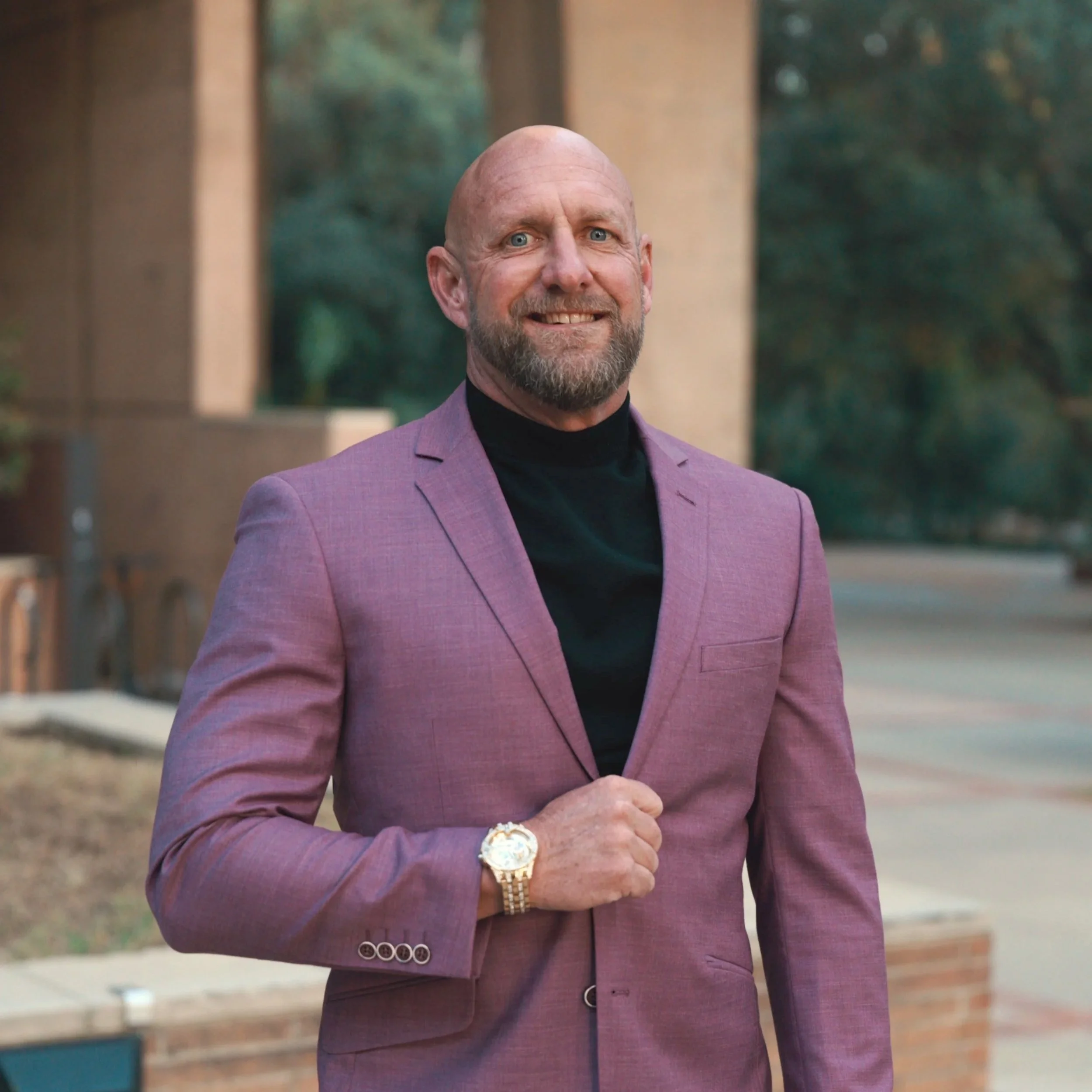
Fitness is not just about workouts, food, or discipline.
It is also about the identity you build through your choices, your follow-through, and the way you learn to trust yourself again.
In this episode of The Energy Fix, Tansy sits down with Brock Holyoak for a direct and motivating conversation about fitness, discipline, consistency, mindset, excuses, and the identity shift that helps you become the strongest version of yourself.
Brock shares his journey from a blue-collar construction background into fitness entrepreneurship, along with the lessons he learned about resilience, rebuilding after setbacks, self-trust, and taking action before you feel fully ready.
Together, Tansy and Brock talk about why fitness has become so overcomplicated, how conflicting health advice can keep people stuck, and why simplicity is often the most powerful place to begin. Brock breaks down practical ways to start small, from short workouts to simple dietary swaps, while also challenging the excuses that keep people from moving forward.
This conversation also goes beyond fitness into responsibility, presence, personal standards, desire, and the language we use with ourselves. Brock reminds listeners that confidence is built through competence, consistency, and confirmation — not by waiting until everything feels easy.
This episode is not just about getting healthier.
It is about becoming the kind of person who follows through, keeps promises to themselves, and builds a stronger identity through daily action.
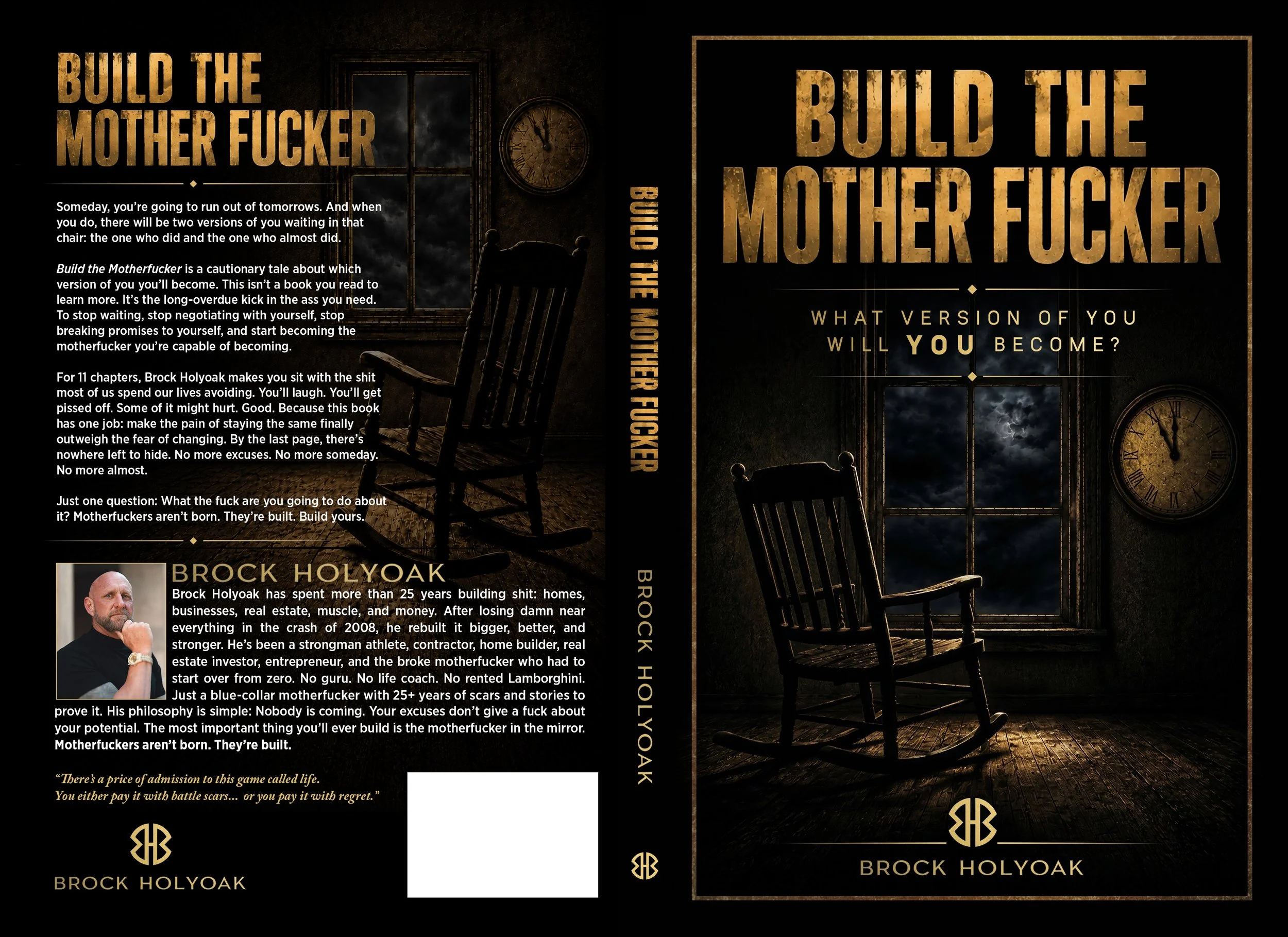
Purchase his new book!
Use promo code BUILDTHEMOTHERFUCKER to get the special package just for listeners of The Energy Fix!
Listen & Watch
🎙
Listen & Watch 🎙
What We Cover
In this episode, we talk about:
Why fitness feels so complicated right now
How to simplify health and fitness routines
The importance of consistency over perfection
Brock’s journey from construction to fitness entrepreneurship
How setbacks can become part of rebuilding your life
Why confidence is built through competence and confirmation
The overwhelm of conflicting health advice
Simple dietary swaps that can support fat loss
How to stop waiting for perfect conditions
Common excuses that keep people from exercising
The shift from victim mindset to ownership
How language and self-talk influence motivation
Why starting with 15 minutes can still matter
Affordable ways to begin exercising
Brock’s Keep It Stupid Simple approach to fitness
Building a stronger identity through action
Why personal standards matter
Trusting yourself and embracing individuality
Why desire matters for long-term commitment
How daily consistency supports legacy, health, and self-respect
Key Takeaways
Fitness does not have to be complicated
Consistency matters more than perfection
You can start with simple movement and small dietary changes
Excuses often lose power when we get honest about them
Confidence is built through action, competence, and follow-through
You do not need a lot of time or money to begin
The language you use shapes how you see yourself and what you do next
Getting comfortable with discomfort is part of growth
Discipline matters, but desire helps fuel long-term commitment
Identity is built through the choices you repeat
Personal standards create accountability and self-respect
Trusting yourself comes from keeping small promises to yourself
The strongest version of you is built through daily effort, not perfect conditions
Favorite Quotes
A few moments you’ll want to remember:
“While you’re waiting, someone else is going to jump in.”
“You build confidence through competence and confirmation.”
“It’s not that you couldn’t, it’s that you didn’t.”
“Eat better, move more, be consistent.”
“Start now, start immediately.”
“You can outwork talent if you just do the work.”
“You have plenty of time, just do it.”
“Get comfortable being uncomfortable.”
“You have to be comfortable sucking at something before you get good.”
“You have to build that identity for yourself.”
“If you want it bad enough, you’ll figure out a way to do it.”
“Build towards building the best version of you.”
Chapters
04:28 – Why Fitness Has Become Overcomplicated
05:34 – The Simplicity of Effective Fitness
07:18 – Conflicting Health Advice and Overwhelm
09:45 – Building Confidence Through Consistency
10:37 – Dieting, Holidays & Mindset Shifts
12:19 – Simple Dietary Swaps for Fat Loss
14:19 – Brock’s Journey from Construction to Fitness
19:55 – Rebuilding After Setbacks
21:21 – Self-Trust and System Safety
24:36 – Being Fully Present in Life
26:48 – Understanding and Overcoming Excuses
29:18 – From Victim Mindset to Ownership
31:22 – Consistency, Passion & Personal Growth
34:49 – Starting Small with 15-Minute Workouts
37:42 – Common Excuses and Honest Accountability
39:51 – Affordable Ways to Start Exercising
44:49 – The KISS Approach to Fitness
48:40 – Building a True Self-Identity
54:40 – Trusting Yourself and Embracing Individuality
01:00:50 – Quick Tips for Busy Schedules
01:03:33 – Consistency, Desire & Long-Term Commitment
Why This Episode Matters
Because fitness can feel overwhelming before you even start. And for a lot of people, that creates more hesitation than action.
It can show up as:
waiting until life feels less busy
thinking you need the perfect plan before you begin
starting and stopping because the routine feels too intense
believing you do not have enough time, money, energy, or discipline
letting one hard season become proof that you cannot follow through
confusing information gathering with actual progress
losing trust in yourself because you keep breaking promises to yourself
This episode matters because Brock brings fitness back to the basics.
Start where you are. And while that sounds simple, it also asks us to be honest. Honest about our excuses. Honest about our desire. Honest about the identity we are building through our daily choices. Because every time you take action, you are not just checking off a workout or making a better food choice. You are giving yourself evidence.
That is where the identity shift begins.
About Brock Holyoak
Brock Holyoak is a blue-collar entrepreneur, speaker, fitness advocate, and the founder of NuFit, formerly True Grit Fit—a simple, affordable HIIT fitness app designed to eliminate excuses. He has spent more than 14 years building Desert Valley Enterprises from the ground up, surviving challenging economic seasons and rebuilding along the way. Brock believes that work ethic beats talent, fitness should be simple, and people are capable of becoming far stronger than the excuses they have accepted.
Links Mentioned In The Show
Website: https://brockholyoak.com/
Get the book, "Build The Motherfucker" and get the special package for show listeners! Use promo code BUILDTHEMOTHERFUCKER
Social Media: @brockholyoak
Podcast review promo...Get 15% off a distance energy healing session or a piece of jewelry with a positive review of the show. Email photo of review (aftersubmitted on podcast platform) to info@tansyrodgers.com
Support Beyond The Episode
If this conversation hit home, and you’re craving deeper support (not just ideas, but real integration):
Join the newsletter →
If this episode gave you the nudge you needed, ask yourself:
What is one simple action I can take today that supports the identity I want to build?
If you enjoyed this conversation, follow or subscribe to The Energy Fix, leave a review, and share this episode with someone who is ready to stop overcomplicating fitness and start becoming the strongest version of themselves.
Transcript
-
Brock Holyoak (00:00.312)
It's kinda like you'd go out there and you had these hard ass plastic beaded jump ropes just swinging around and you're sitting there rocking back and forth and you're like, I'm gonna go and then you hesitate. I'm gonna go and then you hesitate. Do that a few times and then finally some little blonde headed chick with pigtails comes over and pushes you out of the way and jumps in and takes your turn. That's kind of life, you know? That's a life lesson we learned in third, fourth grade that if you're gonna hesitate, somebody else is gonna take your spot.
So while you're waiting, while you're thinking, somebody else is gonna jump in, somebody's gonna do the thing that you wanted to do and they're gonna live the life that you wanted because you you were too hesitant. You weren't willing to take action.
Tansy Rodgers (00:54.69)
Welcome back to the Energy Fix, a podcast dedicated to help you balance your energetic body by diving deep into the sweet world of all things health and spirituality. My name's Tansy, and I'm an intuitive Crystal Reiki energy healer, energetic nutrition and holistic health practitioner, and a crystal jewelry designer. It's time to talk all things energy. Let's dive in.
Welcome back to the Energy Fix Podcast. Thank you so much for being here again with us today and for returning for another incredible conversation. Now, before we jump in, make sure that you jump on over and that you are subscribed and following the show so that these conversations keep showing up for you each and every week. And if at any point, if at any point somebody pops into your mind while you're listening to this,
Send this episode on over their way. Sometimes the simplest share is exactly the nudge that somebody else needs. Now, let's get into today's conversation. Today, we're gonna be talking about fitness, discipline, work ethic, entrepreneurship, fatherhood, what it really takes to become the strongest version of yourself. But we aren't talking about overcomplicated routines and plans.
We're gonna be really honest because, hey, people are tired. You might be listening to this and saying to yourself, I'm exhausted. How do I have time to be more active? How do I have time to do a complicated routine? Well, my friend, I'm here to tell you that you don't have to worry about that. We are really going to be breaking it down for you. My guest today is Brock Holyoke.
He is a blue-collar entrepreneur, speaker, fitness advocate, and the founder of New Fit, formerly True Grit Fit. It's a simple, affordable HIT program, Hit Fitness app that's designed to eliminate excuses and help people get results without spending hours in a gym. My neurodivergent friends listening to this, did you hear that? It is a simply designed app. So
Tansy Rodgers (03:16.642)
You're definitely going to want to listen to this. Brock has spent more than 14 years building Desert Valley enterprises from the ground up. He so he has survived difficult economic seasons. He is rebuilt along the way. And he really believes that work ethic beats talent and that fitness should be simple. People are so.
capable of becoming far stronger than the excuses that they have accepted. And Brock is going to be talking all about that today. So let's get into this show. Thank you so much, Brock, for being here. Welcome and let's dive in.
Brock Holyoak (03:58.454)
Hey, thanks for having me. Let's let's get into it.
Tansy Rodgers (04:02.246)
Yes, this conversation holds a very near and dear place into my heart because this was very much at the beginning, the foundation of where I began, fitness in general, and making sure that it was accessible for people. So I want to really just get right into this, Brock, and let's start with the things that many people seem to feel.
Why has fitness become so complicated that people feel defeated before they really even begin?
Brock Holyoak (04:36.6)
Think it's a I think there's just an inundation of information. Like you have all these fitness gurus out there that try to overcomplicate things for the sake of overcomplicating it so that they can sell you like an expensive program, right? And it's like, well, I wake up at five in the morning and I do a cold plunge and then I do red light therapy and then I do the sauna and then meditation. And it's like, congratulations, I guess. You wasted half your day. But it's like,
Very few things move the needle. So eat better, move more, be consistent. Like those are the three things that move the needle. So with the New Fit app, like we've created the New Fit app to be a cartoon-esque, video game-esque style character that you follow along with. So i it it's a little bit more for like the video gamers and stuff, like it's more cartooned and geared towards that. But
It eliminates all the excuses because it's 25 minutes of hit cardio. It takes less time than watching an episode of SpongeBob SquarePants. So you can definitely find 25 minutes in your day to do that. We've set the price point at 99 cents a month. So like money shouldn't be an issue. Like you can find a dollar in the parking lot of any grocery store that you pull into.
You can do it from your living room or your bedroom or pretty much anywhere. So it's like you don't need gym memberships, you don't need equipment. Like, what are you waiting for? Right. Like all all the all the excuses that you have around I don't have time. I don't have money. I don't I feel weird at a gym. Like, get after it. Cause you can do it in your living room at twenty-five minutes for a dollar a month.
Tansy Rodgers (06:27.758)
And so all of those things that you talked about, the morning routine stuff, that listen, all of that stuff can be great. All that stuff can be valid for your health. But what I have found is and what I have found personally, but also from so many people that have talked to me is like, okay, but which thing should I do? There's so many things. This person says this is important, and this person says this is important. And it just becomes this stack that almost feels
So overwhelming and exhausting that you end up not doing anything. And so, or, or you end up doing it all and then get completely burned out. So, having something that can keep you on track and really just continue you through so you don't have to think about it, I think is so important.
Brock Holyoak (07:18.808)
Yeah, it's just like I said, eat better, move more, be consistent. Those are the three main factors that's going to generate weight loss, muscle gain. What whatever your goal is, like if you're eating towards muscle gain, like you're probably going to be in a more of a calorie surplus. If you're eating towards fat loss, you're going to be in a deficit. So it's just kind of moving moving the parameters around that, just and and and it's a little bit. Like you don't need to be.
In a thousand calorie a day deficit, right? Like you see it all the time with everybody with their New Year's resolution, right? It's like they'll get into it in November and it's like husband and wife, and they're like, Hey, we're gonna we're gonna get in shape come January first. Why not just get in shape now? Right? But it's like in their mind, it's like, okay, it's November, we can go through the holidays, we can eat whatever we want, we're gonna put 10 pounds on, and then we gotta start ten pounds heavier than what we were.
Two months from now, right? And then we get into it and it's like this crash course diet. Now we're gonna cut our calories in half. We're gonna go to the gym and we're gonna beat ourselves up for an hour a day. We're gonna get on a treadmill, we're gonna beat ourselves up for an hour a day. By the time February comes, you're done. Like you've burned yourself out. And maybe if you're lucky, you got back down to the same weight you were before you decided to pig out for the month and a half. So it's just
Like start now, start immediately. Like one thing one thing that I will say that I think anybody listening can like benefit from is if you do instantly what others do eventually, like you are the smartest person in the world. If you start while somebody else is thinking, somebody else is hesitating, somebody else is waiting, you're moving. You're doing something. You're learning, learning what works. Some of the things that don't work, like
You're pivoting, you're repositioning, like, and then you're doing it again and again and again. And as you're continuing to do while they continue to think, you just get better and better and better. And it's kind of one of those things when you get into it and you build the consistency around the two things, eat better, move more, and you you can build that consistency, then you build competence, right? And with that competence, you build confidence.
Brock Holyoak (09:45.102)
Through the competence, you build confirmation, confirmation that like what the fuck you're doing's actually working. And then that becomes your motivation. And so that's the psycho, right? Like everyone thinks that it starts with motivation, but it's like you build that motivation by doing the thing, not learning about it or thinking you actually have to put it in action and do the thing.
Tansy Rodgers (10:07.532)
Yeah. I I want to reference something you said and also call this straight out. You talked about all the people that go through the holidays and they're like, let's just, you know, let's eat whatever we want. Let's start January first. We're gonna have this big goal. And really, that comes right down to mindset. Now all of a sudden, you've just set yourself up for this whole mindset shift of this is gonna be terrible.
This is deprivation. I no longer can enjoy myself because I'm giving up everything that I just said was going to be the enjoyable factors through the holidays. And it's like you get into this mindset of, all right, let's just do this. Let's deprive ourselves. And then you burn out by the middle of February. I don't think I don't think people realize how detrimental that can actually be to goals and progress.
Brock Holyoak (11:06.862)
Yeah, it's just it's like a binge and bust, right? So it's like because it's like, I'm not gonna have this forever. And then all of a sudden, okay, let's let's dramatically reduce our calories when it's like if you just start and gradually kind of reduce the calories or reduce the activity, right? And it's it's simple things because it's like I mean me, me included, it's like I could I could probably sit down tonight and go through everything that I eat.
And eliminate one thing or replace that one thing with something that's more filling and with less calories and not really have to do much, right? So it's like if if your morning routine is going to Starbucks and getting a milkshake that's a thousand calories, it's like just replacing that with like black coffee or some sugar free alternative, like there's a thousand calories.
a day that you can essentially just eliminate out of your diet without doing anything. Like very little effort, right? Like I'm just switching from A to B.
Eliminated a thousand calories and it's like thirty five hundred calorie deficit a week is a pound of fat loss, right? So it's like you're losing two pounds a week, roughly, by just fixing that one thing, like not even going to the gym, not even trying, like not even doing anything.
So it's it's just simple, it's simple things that you can just start implementing a little at a time. And as you start seeing that needle progress, you're like, this isn't really all that hard, right? Because people get in this, like I think everybody that I talk to that has like a problem with their weight, the second you say diet, it's like they want to curl up in the fetal position. Everybody's on a diet, like a the the
Brock Holyoak (13:08.29)
The basic definition of diet is like what you consume on a daily basis through your food intake, right? So unless you're not eating at all, you're on a diet. It could be a shitty diet, but you're still on a diet, right? And so that's where it's just like, okay, well, clean the diet. Clean the diet up. And when you clean the diet up, shockingly, you're eating more food because lower calorie foods mean that you can eat more of them.
You can eat three or four pounds of blueberries a day and only consume a couple hundred calories. You consume one donut at the gas station, it's more calories than four pounds of blueberries. More calories than a pound of meat, you know what I mean? So it's just simple little things that you can substitute for for the bad thing, replace it with a good thing.
Tansy Rodgers (14:04.118)
Yeah. Well, now before we go deeper into all of this, I want to hear your story. What brought you into fitness entrepreneurship and this mission of helping people really cut through their excuses and get stronger?
Brock Holyoak (14:19.278)
So I grew up in a blue collar family. My dad, my grandpa were in the construction trade. So it's like I learned a adult vocabulary very, very early in life, right? Like I was pretty advanced with my foul language fairly early in life, right? But it was kind of like I was raised in that. And so it was like, you know, don't have like my dad used to always tell me it's like,
You know, you're gonna be in this industry, don't have feelings, right? Like you can't have feelings if you're gonna be in this industry. And so it's kinda a lot of tough love, a lot of you're not hurt, like like we only went to the doctor if we had broken bones sticking out or gushing blood, you know. It was like, just rub some dirt on it, you're okay. But yeah, I started out two thousand two I got my concrete license, went into concrete construction, started out as a concrete contractor.
You know, basically did small jobs that I could do on my own. And then within probably about a year, we were doing multi million dollar jobs.
Subdivisions for, you know, home builders and stuff like that. And then 2008 hit. We were kind of able to go through 2008. Kind of got into like 2009, mid mid part of 2009. And then, you know, all of the projects we were on. We had the general contractor went bankrupt. The bank that had everything financed went bankrupt. So we basically just lost a ton of money.
And work that we had spent nine months doing that we never got paid on. So lost all of that. I had a few investments that ended up being, you know, Ponzi schemes or I think one of them was a Ponzi scheme. The other the other guy had a partner that siphoned all the funds out of the account and just bailed the country. You saw him sitting there like, dude, I just built this up for the last six or seven years to where we were doing relatively well. I've got
Brock Holyoak (16:29.624)
Two thousand dollars to my name.
And I sat there, like it was it was hard because I sat there for three, four, five weeks just drinking and like what the hell, like pissed off at the world, wanting to, you know, find these people and hurt them and do all this stuff, you know. And then finally it was just like one day I'm just sitting there and I'm like, might not be your pro like it might not be your fault that this happened, but it's still your problem.
You still have to fix it. So it's like the only way this gets fixed is if you pull your fucking head out of your ass and go to work. So I ended up doing some research. It was kind of a shift in the market where, you know, real estate was down, but the oil fields were doing really well. So outside of the oil fields, 30, 40, 5 minutes, were some booming towns with.
residential construction because the people that were moving into the oil fields wanted to move their families closer. So we went out, or I I went out anyways and got made some contacts, went out, started doing some work, trying to rebuild everything, lived in a metal storage unit for about four months. Just slept on a bunk of plywood, showered like I'd fill water jugs up on job sites and just shower in the corner of the storage unit.
No AC, no heat, just a damn metal storage unit, you know? And it's like just you do what you gotta do, you know. I left my family behind for four, five, six months and just got after it. Like that's all I did was work and
Brock Holyoak (18:17.528)
try to build try to build money to where we had a little bit build up. And I think after after about eight or nine months, I ended up building enough money to where I could come back. Housing market picked up and then we just kinda slowly progress through it, build everything back up. And then I made the transition, I think in about two thousand twelve or thirteen from concrete construction, because I'm kinda getting old and it's concrete's not
All that forgiving on your body, right? So I'm just like, I gotta, I gotta go a different direction. And so then we kind of shifted and went into home building. And from there, that's what I've been doing for the last 14, 15 years is building semi-custom homes. And I kind of come up with a few rules around everything. Like when when I was kind of rebuilding everything, it was like, unless you can buy it with cash, you don't need it.
And so everything that we rebuilt was rebuilt with cash. So we had no debt.
Brock Holyoak (19:24.616)
And yeah, like I said, it's just one of those like any investment that I go into, it's like it it's an investment that I control. So I don't like I don't have any money in the stock market. I don't have any money in crypto. All my money's tied up in like real estate that I understand and that I control. So it's just kind of some things that I've put in place to where it's like, okay, if if I'm gonna if I'm gonna go to zero again, it's gonna be my own fault.
Tansy Rodgers (19:55.584)
If you're listening to this podcast episode, there is a really good chance that you're the person who holds a lot. And sometimes the issue isn't that you need more information. Sometimes you need your system to feel safe enough to actually integrate what you already know. That's what my Soul Stream and Enlightened Sessions are for. They're intuitive, energy-based sessions designed to help you recalibrate.
Emotionally, energetically, physically, and in your nervous system so you can move through life with more clarity and less internal noise. People book these when they're feeling stuck, overloaded, anxious, emotionally heavy, or like their energy isn't fully theirs anymore. And we work with that. We work with what's present, clear what's been lingering, and help you come back to center in a way that feels grounded and real.
If you want to book a session or you want to simply know more, you can head on over to tansyrogers.com or jump down into the show notes and click the link that will take you directly to those services. And if you're not sure which session is the right fit, send me a message. I'll help you choose. I'll help to guide you in the right direction. Alright, let's jump back into this episode.
Brock Holyoak (21:21.348)
in taking care of my finances, right?
And so just kind of you know, that whole put your head down and your ass up and get to work kind of mentality was was how I had to rebuild everything, and then and I I kind of look at life the same way, right? Like every aspect of life. It's like just if if you put in the work, like you can outwork talent if you just do the work, you know, put in the work, do the work.
And there there is a thing with repetition, right? Like it's like you get in you get into the repetition part of it and that's good. But at some point, like if you're starting out, so say you're starting out in fitness, build the repetition. Like don't don't worry about like being really good at it. Don't worry about like correct form or correct motions or like that that stuff comes down the road. And so like don't
Don't be afraid to look weird and awkward, kind of, if that makes sense. But as you're building into it, after you get into it 30 or, you know, 100 days, 120 days, it's like now it's like, okay, you're into the groove. So now you have to start the optimization process. And that's kind of the process that a lot of people forget. Is like you can go to the gym and you can go through the motion and not make progress.
Like you can you can eat and not change anything and just kind of go through the motion, kind of kind of half ass everything and not really see the results. I I go to the gym I go to, I've I've had a membership for probably over ten years now. It's like there's still a handful of the same people that I see that look the same that hasn't changed. Like
Brock Holyoak (23:14.658)
There's, you know, they're still going in there, they're still going through the motions, they're still half-assing it, and they still and they look half-assed, right? And it's like, I kind of sit back and wonder, are you the same person that half asses everything? Are you the same person that shows up to work, does just enough to not get fired, but never enough to get noticed, never enough to get promoted? Are you the same person that goes home and half-asses it with your kids?
You're sitting on the couch and your kid comes running over. Hey, dad, look like what what cool thing I found or what cool thing I did. And it's like you're on your phone, hey, yeah, cool, buddy. Nice. You know, not even kind of half, half present, half not, you know. Just 15 minutes of being fully engaged with your kids means more to them than three hours of like half-assing them.
And I think we all kind of fall into that category sometimes. But I think we have to be aware enough to be like, hey, sometimes let's just put the phone in the other room and like lock in and be fully present, fully engaged with what we're doing. And I think if you can translate that into all aspects of life, you're gonna be better through all aspects of life, right? If you go to work, go work. If you're the janitor at Home Depot.
Go be the best damn janitor that you can be because that guy gets promoted to district manager. Right. And I do enough work with construction with Home Depot that I know that the separation between janitor and district manager is very finite in skill. Very fine. So it's like it doesn't take much to go from janitor to district manager. I've dealt with them both, and I can almost
say that the conversations that I have with the janitors are as more entertaining or interesting than the ones that I have with the district manager.
Brock Holyoak (25:16.974)
But it's if you if you can get that process dialed in, it translates into all aspects of life, right? Go to work, work. If you're home, be present, be engaged, lock in with your family, lock in with your wife. You know? Don't just half-ass it. And that's gonna build, that's gonna build your relationship with her. That's gonna build your relationship with your kids. If you can take that over, lock in at the gym. Don't go sit on the stupid
leg extension machine and sit there for forty-five minutes playing with your phone or texting people or taking cool selfies or looking for that one perfect song so you can do a 30 second lift. Just you you went there for a reason. Do the work. Do what you went there to do.
Tansy Rodgers (26:04.716)
Well, if we're talking mindset stuff, let let's just expand on this. If we're talking mindset stuff, why do you think people fall into that trap of what you just talked about? You know, the the sitting on the machine and just scrolling on their phone or, you know, half assing it through. Like how why do people fall into that? But then also, why do you think that they come up with some of these excuses?
What is actually lying underneath it? Like so for example, if somebody would say, I don't have time to work out, or I don't have enough time to be as fit as I want to be, what do you think's actually going on underneath the surface?
Brock Holyoak (26:48.726)
I think it's a lot of it's language. So I think a lot of it's a mental mindfuck. There's always two versions of you, right? The one that wants to be lazy, the one that wants to make excuses, the one that wants to point blame to somebody else. And then there's
Tansy Rodgers (27:03.934)
Because excuses are easy, right?
Brock Holyoak (27:06.114)
Because it yeah, it's way easier. It's easy to say I can't. Is it that you couldn't or is it that you didn't, right? Is it so language that I hate? I hate the word try. The two versions of you, right? I'm gonna try to go to bed at nine, I'm gonna try to wake up at five, I'm gonna try to go to the gym. Or the other version that's I'm going to bed at nine, waking up at five, I'm going to the gym. Which version of you do you think actually gets the job done?
And all it is and it's a shift of just removing that one word.
Brock Holyoak (27:45.112)
Tomorrow's another word that I hate, right? My 22-year-old son uses that every day. And I have to tell him every day, dude, tomorrow doesn't exist. What do you mean? What do you mean? It's a mirage out in the distance, right? The second that you get there, it disappears. Right? Because tomorrow never actually comes. Because by the time tomorrow comes, it's today again. So whatever you were going to do tomorrow.
Just do today. If you can fit it in today, do it today. And then that's actually one less thing that the next tomorrow you don't have to do. Right. And so with him, that's one of the hardest things that I've been trying to like beat through his thick skull is like, dude, just you have plenty of time, just do it. Do it now, and then that's one less thing you have to do later.
Tansy Rodgers (28:36.15)
Yeah.
Brock Holyoak (28:36.59)
So I think just learning understanding the language, the bullshit language that we sell ourselves, right? Because the only ones that we're really lying to is ourselves. Nobody else buys it. You are where you are in life because of what you do. You look like you look, you feel like you feel, you act like you act because of what you do. And if you don't like that, you have to change. And until you figure out that I don't like that, I'm disgusted with myself.
I don't like how I look. I don't like how I fit. I don't like how I'm active. Until you can on be honest with yourself, nothing's going to ever change.
Tansy Rodgers (29:18.734)
How does somebody start to get out of that victim mindset when they've been there for so long?
Brock Holyoak (29:28.034)
Victim mindset is you can either I kind of look at it like everybody's dealt a shitty hand, right? Well, in poker, you can lose with it, or you can you can lose with a good hand and you can win with a shitty hand. So it's it's just how you play the cards that you were dealt. You were dealt these cards, and I'm not saying that there aren't people that were dealt shittier hands than others because there are, but you still have to play that, you still have to play that hand. And it's what you do with that hand.
That determines where you go. And so instead of looking at it through the lens of a victim, it's you kind of almost have to change from poor me to poor every other that can't do what I'm capable of doing. Put yourself through some hard shit. Get comfortable being uncomfortable, right? If you get comfortable being uncomfortable, you're gonna be ahead of a lot of people. And if you can do that,
Then then you can then you can really sh make that mindset shift to where it's instead of it being, poor me, it's all your fault. It's no, it's my fault. I've got to fix this shit and poor every other it can't keep up.
Right. And it's just just that mindset shift. It's once you have it, once you have it, now you can do basically whatever you want. And I think the reason why I like fitness as a start point is because it's like it's the easiest needle to move, you know. It's like you said, if you're consistent for 90 days, if you're moving more, you're eating better, and you're consistent for 90 to 100 days.
That's going to become routine, but you're also going to see in that 90 days a dramatic change.
Brock Holyoak (31:22.124)
You'll see a you'll you'll see a huge change. I mean, I've changed I've changed my body composition throughout the years. I I was into strongman for a while. My last one I did was right before I turned 40. And I'm like, okay, this is I know this is my last one, and I want to get as big and as strong as I possibly can. And I'd never really been over like 240, 245 pound mark. I think I was sitting at about 235 pounds.
Get as big as I possibly can, as strong as I can, so I can have this as like my last hoorah. And I'm I've got a little over 60 days to kind of prep for this show. So I put on 35 pounds in 30 days. I tripled my calories overnight. I just started eating everything. Now, was it did I look like this? You know, no, I had, you know, a lot of body fat that I'd put on with.
the muscle, but with strong man, you kind of want a little bit higher body fat percentage anyway. So, but the reasoning behind having to gain it so fast was it's it takes time to get used to the weight. You get you put on 35 pounds, your blood pressure is going to spike, you're you're not going to be comfortable moving that much weight. And it's when you go from 235 pounds to 270, 275 pounds, is you know, it's a lot of weight to pack around.
So I did it, got used to it, had time to kind of go in, you know, had that month time frame to get used to it. And then had another two or three weeks to dial everything in before the competition. And it was, it was the strongest that I think I've ever been in a lot of my stationary lifts. My biggest, my biggest issue that I had was my deadlifts were always like horrible because of the concrete construction.
Right. It's like you bend over all day, your lower back just takes a takes a beattie. And so that's the number one thing that I want to move. And I think I think I ended up pulling six hundred and thirty-five pounds for a deadlift at 40 years old. So I was pretty I was pretty happy with that.
Brock Holyoak (33:42.542)
But then I also went the other way. Coming into the first of the year, February-ish, I'm I'm getting a little bit soft. I need to, I need to tone up, I need to cut up. And the weight that I used to stay at the 230 that I used to stay at to look like have this physique, I couldn't hold that weight without it, you know, getting a little bit soft. And so I kind of went the other way starting, you know, mid February. And it's I lost 35 pounds in 30 days going the other direction.
So it's doable. It's just committing yourself to doing it and actually sticking to the plan.
Tansy Rodgers (34:21.141)
Yeah. I first off, I used to love watching Strongman. It's been a really long time since I watched it. I used to love it though, especially when they would they would play like the world's strongest fan over the holiday season. that was so much fun. Anyway, anyway, I die I digress. so I want to go back to how you talked about the hands that you were dealt with, right? Thinking about that, when somebody stands back and says, All right.
This is what I'm dealt with. But then they start to go into excuses. You talk about five excuses that keep people from improving their health. What are those excuses, excuses, and how do we actually call them out without falling into this spiral of shame that can so easily come about and so easily trip us up and fall into?
Brock Holyoak (35:12.782)
So I think the the five biggest things is one, it's I don't have time. Right. That's that's usually number one. I don't have time, my life's hectic, I don't have time to do it. Like I said, like my program's twenty five minutes and it's a full body workout. So you're getting strength, conditioning, and cardio in all in one one session.
But yeah, you can find time. There everybody has the same amount of time. It's just just move your scheduling around and figure out a time that works. You don't have to get up there's not a specific time that says that, this is optimal to go lift weights or this is optimal to go do cardio. You can simple little things. It's a 10 minute walk in the morning, a 10 minute walk at lunch, a 10 minute 10 minute walk when you come home. That's 30 minutes. I mean, that's a start point, right? So just
I I just I look at things like dumb it down to its simplest form because the simplest form is generally the things that actually work. So we were kind of talking about the saunas and the red light therapy and the cold plunges, and it's those all work and they all have specific things that they do, but the the needle moves very minimal, right? Those are, I would say must-do's.
For Olympic athletes, for strongman competitors, for strength trainers, for athletes, right? Like those are things like that's the thing that separates that hundredth of a second in a race or a downhill ski or you know, an extra couple of pounds on a deadlift or a farmer's carry or something, right? Those th that's the thing that will give you just that little bit of separation to win. But just for everyday people, it's
I mean, t if you have time and you wanna do it, do it, but just know it's gonna move the needle very slightly. It it's not it's not the biggest driver that you can focus on.
Brock Holyoak (37:16.984)
So that's I think that's the biggest excuse is not having time. The next is, I I'm not I'm not consistent, right? Well, you are consistent. Everybody's consistent. You're either consistent with doing the right thing or you're consistent with shitty habits, right? So you're it you're still consistent though, right? You're just very consistent at doing shitty things.
Tansy Rodgers (37:42.774)
It's true. I never thought of it that way.
Brock Holyoak (37:45.378)
So if if you look at it from that s from that standpoint, it's like, I am very consistent at going to Starbucks, grabbing a donut, going to McDonald's for lunch, doing all of this shit that isn't helping me in any way. What if I'm consistent with better things? So I think those are like your first two. The next one is going to the gym. I feel weird and I don't know how to use the equipment.
There's this thing called Chat GPT that knows everything. You can plug different workouts into it and it will give you a play-by-play. It'll send you to YouTube. It'll send you wherever you need to go to see how this workout's performed, right? So you can get familiar before you go. Or you can just do simple basic moves at home. You don't, you don't necessarily need the gym to start. You can start with push-ups, sit-ups, squats.
With no weight. Get comfortable doing that. It's going to be uncomfortable for you because you haven't done those, but it's not going to be extremely uncomfortable, right? And then as you get comfortable being uncomfortable here, then you can add, you can raise the bar, you know, to where at some point it's like, okay, now I feel confident enough that I know enough of the basic stuff that okay, now I can go get a gym membership.
And I think the other one would be money. Well, I don't want to spend all this money at a gym. There's plenty of gyms that are ten to twenty bucks a month. I can guarantee you that Starbucks drink that you're buying in the morning, if you just cut that out, that's your gym membership plus times probably five, right?
So tw you you can always find a gym that's gonna be ten to twenty bucks a month, right? They're they exist. So I think money would be one of them. And what are we down to? What what do you get on your side?
Tansy Rodgers (39:51.86)
I'm gonna say this just from it being like from a a female perspective, but I hear all the time, and this kind of goes with the I don't have time, but it it's just like a little nuance. I have to take care of that, or I have this responsibility, or I have to go over, you know, like there it is the whole concept of everybody else's needs before my own. I hear that one a lot.
Brock Holyoak (40:20.792)
So either procrastination or 'cause I I th I do think a lot of people fall into that procrastination thing. It's kinda like it's the try thing, right? Like I'm gonna try to do this and it's we'll try kind of set you up for if I have time, if it's convenient, if I feel like it, if you know, if the moon and the stars and the universe align, then I'll do it, kind of a thing, right? But it again, it's one of those where, you know, it's like I said, the the guy wandering around the gym.
Trying to talk to everybody that that'll talk to him so he can put off doing what he's supposed to be doing. And it's I think it's kind of like that procrastination overload kind of thing. And and a lot of it too is it's I would say like I guess to fill my fifth fifth one in is it's this motivation information porn that we consume on a daily basis. Because everyone's looking for more information. They're looking for more motivation. And it's you just get stuck in this loop of, I learned something new today. I feel
Tansy Rodgers (41:09.4)
Yeah.
Brock Holyoak (41:19.198)
extremely motivated watching this clip, right? But then you do absolutely nothing. There's so much information. I'm mid-40s. We had limited information. And so it was kind of more like if it's something that you want to do, you actually just have to go do it and learn as you go. Where now it's there's so much information that people get stuck in this loop of I'm learning and because I'm learning and because I'm consuming, it's
Productivity and it's it's not being productive at all, right? Unless you're actually implementing what you're learning, you're not doing anything. You're just at a standstill. The old game that you used to play when you were in elementary school, the double dutch, right? You'd go out there and you had these hard ass plastic beaded jump ropes just swinging around. You're kind of sitting there rocking back and forth, and you're like, I'm gonna go, and then you hesitate. I'm gonna go and then you hesitate.
Do that a few times and then finally some little blonde-headed chick with pigtails comes over and pushes you out of the way and jumps in and takes your turn. And it's like, that's kind of life, you know, that's a life lesson we learned in third, fourth grade. That if you're gonna hesitate, somebody else is gonna take your spot. So while you're waiting, while you're thinking, somebody else is gonna jump in, somebody's gonna do the thing that you wanted to do, and they're gonna live the life that you wanted because.
Brock Holyoak (42:48.59)
Too hesitant. You weren't willing to take action.
Tansy Rodgers (42:53.568)
A quick break because I want to share something I make that's meant to support you in real life, not just look cute on your wrist.
I create intentional crystal jewelry through BEU crystals. These pieces aren't random. I design them using crystal energy, and I also weave in numerology and geometry, and I infuse the pieces with Reiki Healing Energy as part of my process to really help support you on an energetic, deep level. They're like little wearable anchors, the kind you can touch when you're overwhelmed, when you're heading into a hard conversation, or when you need a reminder.
To come back to yourself more solid, more grounded, more authentic. I'm not here to tell you that jewelry fixes everything, but I am here to tell you that having a steady physical cue can change your day, especially if you're sensitive, easily overstimulated, or your brain likes to sprint way ahead of you. If you want to browse what's available or see what is newly released, head on over to BEUCrystals.com.
I'll link it down in the show notes so that you can easily shop and check out what is available. And as always, if you have any questions or you want to do any custom work, you can easily reach out to me right there. Okay, let's jump back into this episode.
Tansy Rodgers (44:22.252)
Yeah. Which is why your method KISS, which is called KISS, Keep It Stupid Simple, is so helpful because it's really pulling away all of those things to make it really incredibly simple. What does that look like in real life for the person who has fallen off every other plan that they've tried and they're really just looking to find something they can actually stick to?
Brock Holyoak (44:49.986)
There's very few things that actually move the needle. It works the same way in business, right? When you dumb business down to the basics, is what do you need? You need a product to sell. Okay. Then what do you need? You need people to sell the product to. Okay. And then you need those people to actually buy the product and you need to deliver the product as promised, right? It's four things, and that's the loop. It gets more complex as you get into it, but those are the four things. Learn the four things.
Learn what you're gonna sell, learn your customer, find your customer, sell the product to them, and then deliver the product. If you can figure that out, now start. Right? Don't wait, don't hesitate, start. Because you're not going to sit there and look at YouTube videos, you can watch motivational videos, you can watch how-tos, and you're gonna get inundated with all this information. But as you're learning and not doing anything, you're not really learning in real time. Right. You have to, you have to.
Be comfortable sucking at something before you get good. Like, so to never suck at that thing that you're like, I suck at this now, to never suck at it, you actually have to start doing it and getting better. I would say take the chance on yourself. And a lot of that I think comes down to self identity.
Tansy Rodgers (46:12.684)
That's what I was just gonna say. Discipline and self identity, yeah.
Brock Holyoak (46:17.646)
So there's there's motivation, right? Motivation gets you excited. And then you have discipline, and the discipline gets you moving. But discipline's not going to keep you going, right? Discipline's just that one thing that's I'm gonna go do this today, even though I'm sore, my back hurts, you know, my legs are tired, but I'm still gonna go get the best workout I can. Is it gonna be the best that you've ever done? Probably not, but you're gonna push through it and do it anyway.
Brock Holyoak (46:49.634)
But desire, because if you have that passionate desire to do something, and whatever that thing is, it's you'll stop at no bounds to figure out how to make it work. And so find that thing that you desire, that you truly desire the most, whether it be, you know, a six-pack abs, whether it be a multi-million dollar business, find that thing that excites you, that you're very passionate about.
go all after that because passion is just that thing that's like, get out of my way. I can move mountains with it. If that mountain's in my way, I'll just move it. Move it, go around it, go over it, go under it, whatever I've got to do, I'm gonna get to the other side of it.
And so I think y they're all tools. Motivation's a tool, discipline's a tool, but I think the desire is the one that keeps the flame going the most.
Tansy Rodgers (47:47.51)
Yeah. Well, so so thinking about the identity piece to this, let's expand on that a little bit more. How do you find how do you find that your identity starts to shift when you really embrace the desire? You know, before we started recording, we were talking a little bit about identity and these labels that we
put onto ourselves based off of things that we learn about ourselves or the things that we see and surround ourselves with. So I would love to talk a little bit about how that translates into your identity because Brock, let's, let's, or I should say, listeners, I want, I want you just to understand here, this conversation between Brock and I isn't about work harder or do more. It's not about that. It is literally about you choosing yourself.
And saying, I am identifying as this person. I am changing who I am on a cellular level in so many ways. So, Brock, let's talk about what that actually looks like when you start push, when you start learning from what you read about labels or these identities, and then you start to choose your own identity for yourself.
Brock Holyoak (49:05.366)
A lot of people gravitate towards that labeling, whether it be a condition or a disability or whatever it be, so that it's like, okay, I have something I can grab a hold of. This is an identity that I can grab a hold of. This is something that that I know that there's some other people. I can join a Facebook community with people that have the same condition or the same issues and we can talk about our problems, but if that's all you're talking about is problems. You're not talking about solutions, you know.
And there's enough of that getting created on a day-to-day basis, you know. So it's like your mind's a hundred percent sound. It's just it's all the chaos and the clutter and the chatter and the noise from outside that's just pulling you in a hundred different directions. All day long, everybody's telling you what to think, how to feel, what to believe, who to hate, what success lips, what you should be as a man, what you should be as a woman.
what group you should belong to, what brand you should assimilate with, you know? No wonder everybody's just drowning in this pool of anxiety and uncertainty and overwhelm. You've got everything pulling you in all these different directions. A lot of identities now aren't individual identities. They're rented identities. They're borrowed identities from brands. They're
Borrowed identities from groups, from religious organizations, from political organizations. It's the next catchy cliche catchphrase that some uses with their political speech that this person grabbed a hold of and now I'm going to quote it until it's beat into the ground. You know what I mean? And it's just like, is that truly your identity? Because you can't really latch on to an identity. You have to build that for yourself.
You have to build that identity. Kind of build out a framework around identity. You have to, you have to get away from the nose. Get in your car, get in your truck, turn the radio off, turn the podcast off, turn the social media off, and just get inside your head, right? Like, and whether that be going for a drive and just in your head, whether it be like go find a dark room in your house to hide in, go in the garage, go in the basement, take a hike, take a walk.
Brock Holyoak (51:25.272)
Wherever that setting is for you that you can find that you can isolate yourself and turn off all the noise, do that. And then discover you've found the quiet place. You're in your own head. Now start figuring out what you actually think, feel, and believe. Because there's so many people that spend countless hours trying to figure out what other people think, feel, and believe, but they spend
diddly time trying to figure out what they actually think, fill, and believe. Right? One's putting you into a group, into a classification. The other one is actually you. And so you can't truly build a true identity without understanding what your values are.
E. Exam. What do you believe? Why do you believe what you believe? Why do I believe what I believe? Is this actually my belief or did I inherit that?
Brock Holyoak (52:24.662)
Look at it, look at everything from a different perspective. Look at the belief that you created, and then look at it from all other points of view. Look at it from a different perspective, a different vantage point. After you question, is that still really what you believe? And be honest with yourself, you know. Name your values, name your standards, name what you believe, name what you stand for. Once you name and declare.
what you stand for, then that creates an urgency and an action to actually want to implement that, right? If you're gonna declare this is what I believe, this is what I stand for, then that's kind of gonna set you in motion, you know, to act upon that, to start implementing that. The truth. Be brutally honest with yourself. Sit down, have a conversation with yourself. Tell yourself the truth.
Who you are, what you stand for. What are your standards? Am I living the standards that I'm I'm saying that I believe in? If not, then you have to start changing your behaviors so that they align with the standards that you believe in. Don't tell me about what you're doing. Show me what you're doing. You know, it's kind of a show, don't tell kind of a theory. Individuality, right?
Give yourself permission to be different. Give yourself permission to rock the boat, to disagree, to not be afraid to say, this is what I stand for and I won't accept any less than this. I'm not going to tolerate anything less than this.
Trust yourself.
Brock Holyoak (54:12.782)
Trust the person that you're building, trust the person that you're becoming above anyone else. Because when you can trust staring back at you, everyone else's approval kind of goes away. Their approval is one where it's, I trust in what I believe more than I trust in what you want me to believe. So I don't care if you approve. And then youth, be unapologetically youth. Get to that point to where.
You've built that version of you that you fully trust. That not the version of you that somebody else wants you to be, not the you that gets along just to get along, the you that can just be, I don't give a fuck what you think about me version of you. Right. Like that's the version that you want to create.
Clarity comes with that identity. So once you build that identity, once you know who you truly are and what you truly stand for, now you become clear. Now you have certainty of who you are and what you stand for. So that's your standards. That's your values. And you've you've created them for yourself. You haven't borrowed them, you haven't rented them. They're a hundred percent unique to you.
Tansy Rodgers (55:31.638)
You know, and as you were talking, I was thinking to myself how the rented or borrowed identities, I think, are why so many people fall into these places of of obsession and burnout and punishing themselves because they think that they are to be a certain way and they keep pushing and not actually listening to what they need, right? But when you build this identity through this structure that you just laid out and talked to us about.
That feels like it's so much easier to tune back into who you actually are, what you actually need, and how you're going to move forward. That's gonna be the right steps for you, not necessarily for this version that you are trying to put out there. That's not even who you are.
Brock Holyoak (56:19.008)
Yeah. It's easier to get along and it's easier to fit in than it is to to actually build that version of you. Once you build that, you're pretty unstoppable because now you know what I'm willing to accept and what I'm not willing to accept. And I think on a mass scale, it's one of those we look at we look at the world and it's the Republicans' fault, it's the Democrats' fault, it's Trump's fault, it's Biden's fault, it's
Tansy Rodgers (56:26.007)
For sure, yeah.
Brock Holyoak (56:47.852)
You know, these guys are causing chaos over here. That's why everything's screwed up. And I I think if we could all sit down and take the fingers from pointing out and point them back at ourselves and say, No, it's me. It it's my fault. It's my fault that this whole thing screwed up. Right. Because we didn't we didn't just get these greedy, selfish politicians. Like they they grew up as us. They went to the same schools, went to the same churches, the whole thing was
Raised in the same world that we were raised in. So if we understood on a mass level that it's like, look, it's our fault. We need to increase our standards. Because if we increase our standards, then we will accept no less. Right? We all let things slide. We don't hold ourselves accountable. And therefore, if I can't hold myself accountable, how can I hold my children accountable? How can I hold, you know, my spouse accountable?
How can I hold my neighbor accountable? A lot of it's like because the identity is rented, the standards are rented. So if we're too lazy to sit down and actually understand what we think, fill, and believe, then we have to rent the identity. If we have to rent the identity, then that comes with whatever standards that identity has already put in place.
Tansy Rodgers (58:10.764)
Yeah. Mm. Yeah. All right. So as we start to wrap up this conversation, I'm really curious. I want something tangible for the listener. If someone only had 15 minutes today, what would you tell them to do to really get started? Other than getting the app, signing up for the app.
So that they can get into these workouts. What would you say is gonna help to move that needle just to get somebody started?
Brock Holyoak (58:47.0)
I would say at least do some kind of movement, whether it be go for a walk. but p if it's fifteen minutes, if all you've got's fifteen minutes, push yourself hard for that fifteen minutes. Do a circuit of push up, sit up, squats for fifteen minutes all out. Back and forth. Go push up, sit up, squat, repeat for fifteen minutes, right? Just do that over and over and over again. It's conditioning and you're getting muscle engagement, right?
So those are like basic ones. If you have a gym membership, I'll tell you the one that I do on occasion that like kicks my ass. Get on one of the step mills. Set that thing for that thing for 10 minutes and crank it up to as fast as you can go and see how many floors you can accomplish in 10. Like it will kick your ass. Get on the elliptical and warm up for 60 seconds and then.
Crank out 20 seconds of all out, just go as fast as you can with 60 second rest, 20 second sprint. 60 second rest, 20, like that's six, that's six minutes. It's a minute to warm up, 20 second workout. So there's a minute, and then you got 60 seconds in between plus a minute cooldown. Six minutes, you can get on an elliptical and sprint and get a workout in six minutes that you would get if you were just, you know, going at low intensity.
For forty five to fifty minutes.
Tansy Rodgers (01:00:13.442)
Yeah. Listeners, he is spot on with that.
Brock Holyoak (01:00:19.086)
So there's always something that you can do even within time constraints, right?
Tansy Rodgers (01:00:24.14)
That's awesome. I love those tips. I love that because again, it's just keeping it very simple. All right. So before we talk about where people can find you and how they can get their hands onto your app, let's just do a few rapid fire questions. I want to hear the wisdom from Brock when we're talking about specifics here. Okay. Are you ready for the three rapid fire questions?
Brock Holyoak (01:00:50.712)
See if my brain can think fast.
Tansy Rodgers (01:00:52.726)
I think you're gonna do amazing. All right. Question number one. What is one exercise people love to hate, but probably need the most?
Brock Holyoak (01:01:04.718)
Squats. Leg any anything leg. I think legs the ones that everybody hates to do. And it's it's the one that even if that's the only muscle exercise, gym exercise or whatever that you can do, that's probably the one that because it engages the majority of your muscles. So that's one. Deadlifts, I deadlifts are kind of take or leave because there's a lot of people that can't do those for whatever reason. So them are
Them are good. I do deadlifts sometimes where I'll set like a timer for ten minutes and it's I'll do body weight. So just whatever my body weight is, I'll put on the bar and I'll do deadlifts for ten minutes and try to hit a hundred reps.
That's that's a that's a good cardio conditioning one. Plus you're pretty well spent by the time you get done with that. Yeah. But yeah, anything deadlifts, legs, stuff like that, the the more multi muscle movements that you can get, those are the ones I think a lot of people hate. Like
Tansy Rodgers (01:02:06.848)
Yeah. All right. Question number two. What is one excuse that you can spot a mile away that drives you crazy?
Brock Holyoak (01:02:17.176)
Think I already hit on that one with the with the try. With the try. Yeah.
Tansy Rodgers (01:02:21.622)
Yeah. That's that was an easy one.
Brock Holyoak (01:02:24.322)
That's that's my biggest one that I absolutely hate is anybody saying try.
Tansy Rodgers (01:02:29.878)
Yeah. Yeah. All right. Last question. What is one simple habit that changes everything when people actually do it?
Brock Holyoak (01:02:41.24)
Consistency in whatever it is that you're doing. If you can do it consistently for a hundred days, that seems like that's that's the number, a hundred days. If you do one thing consistent for a hundred days, that becomes your your habit, that becomes your pattern, that becomes that repetition that you just continue to do.
Tansy Rodgers (01:03:03.756)
Yeah, yeah.
Brock Holyoak (01:03:05.278)
I'm just not going to eat any sugary dessert. I'm just not going to eat that for a hundred days. Be as inconsistent as you want with the rest of your diet. Be as inconsistent as you want with your workout. It's still gonna be a habit that you create. Now, at the end of that hundred days, it's like, I don't even crave any of that. This has become my new pattern, right? So I don't even crave that. And then add one more.
Tansy Rodgers (01:03:33.08)
Brock, where can people find you and how can they get their hands onto new fits?
Brock Holyoak (01:03:39.564)
Newfit is set to launch in November. I'm hoping we have a few teasers coming out that we are gonna be putting out on our social media channels. So you can find social media channels at Brock Holyoke. you can go to Brockholyoak.com. It has the link for the New Fit app. It has the link for my new book that's coming out. It's called Build the Motherfucker. So that's a lot more of like this mindset that we've been talking about, just like building the building the best version of you that you can build.
motivate it's not it's not necessarily a motivational book. It's an anti-motivational book, but kind of one of those where it's like I said, there's there's always two versions of the same person. And it's kind of a cautionary tale of like at the end of your life, when you're too old to do anything, you're sitting in a dark room by yourself having that conversation. Is that conversation going to involve you?
Telling yourself, man, look at all the cool things I did, all the battle scars that I had, all the wins, all the losses, the life that I lived, all the chaos, all the mayhem. But like, look at these cool stories that I'm reflecting on. Like, look at the cool life that I lived. And as you're sitting there kind of reminiscing these stories, you're just like, man, what a has been I used to be, you know. But like, look at all the cool shit I do.
And then the other version that that almost did those things, that almost took the risk, that almost took the chance, that almost lived the life, that has to sit there in regret thinking there's no time left to do any of these things. And all the things that I wanted to do, I never did. So I'm not even a has been. I'm a never was. I think that would be almost the saddest way to die is.
In a pool of regret, knowing that you had more in you. You just didn't choose to go after. You didn't choose to go all in. So, book, there should be a link for the book. That's set to come out in October. I don't have an exact launch date. I'm waiting with our publishing company, I think, is finalizing our book cover right now. So that should be it's gonna be an October release. I just don't know the exact date that that's coming out, but we will have
Tansy Rodgers (01:05:38.55)
Yeah.
Brock Holyoak (01:05:59.532)
All the updated information, if you go to the Brockholyoak.com, you can go to each page directly from there and find out when they are coming out. Doing for all the listeners, we've got a special promo code that you can use, Let's Go. So if you put in Let's Go for a promo code, when the New Fit app is available, you'll get a free 30-day download. So you can try it out for free. And when the book launches,
If you buy through there, just put build the motherfucker in for the promo code and you'll get the full pack like the full package, the the audio, the digital download, and a hard copy. You'll get twenty five percent off on all of the bundle and you'll also get a personalized signed hard copy.
Brock Holyoak (01:06:52.728)
That's where you can find me and hopefully I gave you guys enough insight that you wanna get off the couch and start doing something, 'cause that's what this is all about. So
Tansy Rodgers (01:07:04.27)
Awesome. As always, all of that information will be down in the show notes. You know how that works around here. So make sure you jump on down there. You can get your hands onto the promo codes and all of that information. Brock, do you have any last words you want to lay on the hearts of the listeners before we sign off for today?
Brock Holyoak (01:07:23.47)
Build towards building the best version of you that you possibly can every day in all aspects of life. as I said earlier, do instantly what others do eventually and you're golden.
Tansy Rodgers (01:07:38.338)
Thank you so much, Rock, for being here and for sharing your heart and your passion. I really appreciate you.
Brock Holyoak (01:07:44.664)
Thank you.
Tansy Rodgers (01:07:47.82)
Some people are walking around thinking that they need this perfect plan before they can actually begin. Or they're carrying shame from all the times that they started, stopped, fell off, or told themselves that they could get back to it later on, but then never did. Strength is not built by waiting for life to become easy. It's built in the simple things when we stop avoiding them. You don't need to overhaul your life today, you just need to get started.
And until next time, keep spreading that beautiful energy you are born to share.
