

Ep. #160: Perinatal Mental Health, Nature Connection, & Redefining Birthing with Alyssa Coleman
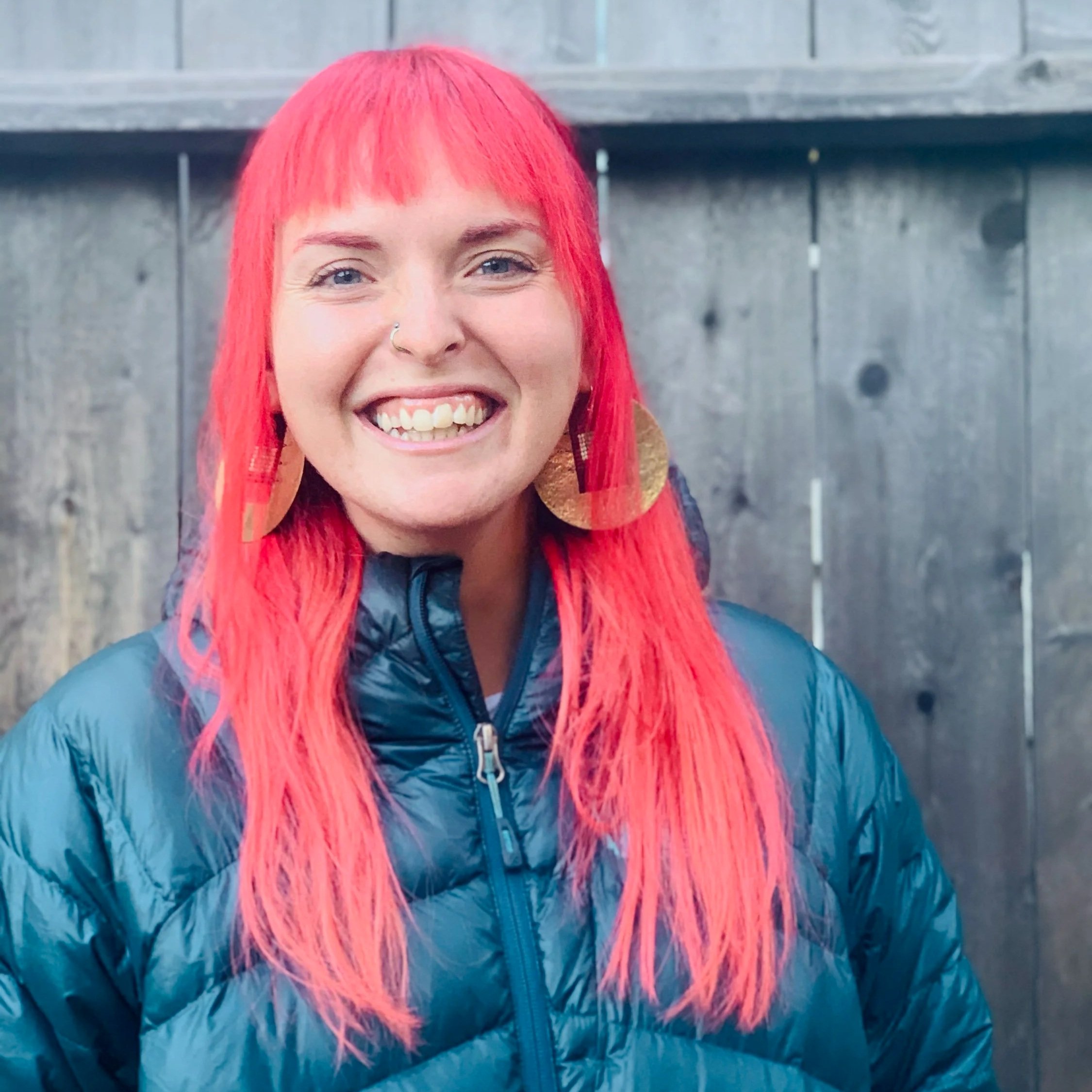
Pregnancy and birth don’t just change your body.
They change your identity, your nervous system, and how you see yourself in the world.
In this episode of The Energy Fix, Tansy is joined by Alyssa Coleman for a deeply needed conversation about perinatal mental health — a topic that often gets minimized, glossed over, or medicalized without honoring the emotional reality underneath it.
Together, they explore pregnancy and birth as profound rites of passage, the identity shifts that happen postpartum, and how nature connection can regulate the nervous system in ways that are simple, accessible, and deeply stabilizing.
This conversation is tender, grounded, and expansive. It speaks not only to birthers, but to anyone navigating a season of transformation.
Listen & Watch
🎙
Listen & Watch 🎙
What We Cover
In this episode, we talk about:
Why perinatal mental health is often overlooked
Pregnancy and birth as transformative rites of passage
The emotional and identity-level shifts after birth
Medical overwhelm and invisible pressure on birthers
Signs of struggle during pregnancy and postpartum
How nature connection regulates the nervous system
Nature as a mirror for the birthing experience
Practical ways to integrate nature into daily life — even in urban settings
The importance of community and support systems
Key Takeaways
Perinatal mental health deserves attention, language, and support
You do not return to your “old self” after birth
Identity transformation is part of the process, not a failure
Nature connection can be a powerful stabilizer for the nervous system
Emotional struggle during pregnancy can be subtle and easily minimized
Reclaiming birth as a rite of passage can shift the entire experience
Support systems are not optional — they’re protective
Favorite Quotes & Sound Bites
A few moments you’ll want to remember:
“This is a rite of passage for you.”
“You’re never actually returning to your old self.”
“Nature is a powerful ally in healing.”
“Nature connection is vital for nervous system support.”
“It’s emotional, it’s identity level.”
“The perinatal season isn’t just physical.”
“What am I telling myself that I should feel?”
Chapters
02:30 – Understanding the Journey of Perinatal Mental Health
09:51 – The Importance of Nature Connection
19:50 – Signs of Struggle in Pregnancy and Postpartum
30:11 – Reclaiming the Rite of Passage
42:27 – Identity Transformation Post-Birth
52:00 – Nature as a Healing Ally
01:00:55 – Practical Steps for Nature Connection
01:17:29 – Final Thoughts and Resources
Why This Episode Matters
Because the perinatal season isn’t just physical.
It can show up as:
emotional swings that feel bigger than you expected
pressure to “feel grateful” when you’re overwhelmed
medical overload and decision fatigue
questioning who you are now
grief for the version of you that existed before
feeling disconnected from your body, or overly responsible for everyone else
And the confusing part?
You can love your baby and still feel lost.
You can choose this path and still feel shaken by it.
This episode matters because it reframes pregnancy and birth as rites of passage — not just medical events. Alyssa brings language to the identity-level shifts that occur, and reminds us that there is no “going back” to an old self after birth.
The goal isn’t to return to who you were. It’s to integrate who you’re becoming!
About Alyssa Coleman
Alyssa Coleman is a perinatal mental health advocate and guide who integrates holistic health, nature connection, and nervous system awareness into her work. She supports birthers and families navigating pregnancy, postpartum, and identity transformation with a grounded, experiential approach that honors both science and lived experience.
Her work centers on reclaiming birth as a rite of passage, supporting emotional well-being, and restoring connection between body, identity, and environment.
Links Mentioned In The Show
Retreat & Project Info: https://nurturethejourney.my.canva.site/
Alyssa's Website : https://www.unbrokenbraidbirthwork.com/
Burnout Bracelet: beucrystals.com
Sessions & Energy Healing: https://www.tansyrodgers.com/services
Podcast review promo...Get 15% off a distance energy healing session or a piece of jewelry with a positive review of the show. Email photo of review (after submitted on podcast platform) to info@tansyrodgers.com
Support Beyond The Episode
If this conversation hit home, and you’re craving deeper support (not just ideas, but real integration):
Join the newsletter →
If this episode hit home, follow or subscribe to The Energy Fix so you don’t miss what’s coming next. Reviews help the right people find this show (the ones who need the grounded stuff, not the flashy stuff).
And if you have a question you want answered, or a topic you want covered, send it my way—seriously. Your real-life questions shape what we talk about here.
Transcript
-
Tansy Rodgers (00:13.73)
Welcome back to the Energy Fix, a podcast dedicated to help you balance your energetic body by diving deep into the sweet world of all things health and spirituality. My name's Tansy and I'm an intuitive crystal Reiki energy healer, energetic nutrition and holistic health practitioner, and a crystal jewelry designer. It's time to talk all things energy. Let's dive in.
Welcome back to The Energy Fix. Thank you so much for being here with us again today. Today we're going to be talking about something that I think isn't discussed nearly enough. We're going to be talking about perinatal mental health and how pregnancy and birth can be profound rites of passage, not just for the birther herself or oneself, but also for those that are involved. It's not just a medical event.
It's not something just to get through. It is something to experience and it is something that is going to expand you as an individual. We're also going to be exploring something I personally love because it brings the body back into the conversation and that is nature connection. We're going to be talking about it as a real pathway for the nervous system.
and how to regulate it and how to use it to help you heal, but especially during pregnancy and postpartum and grief and identity shifts, because this is gonna play a huge factor in this whole conversation around perinatal mental health. My guest today is Elisa Coleman. She is a full spectrum doula, wilderness guide, and adventure therapist in training currently studying mental health.
counseling with a focus in adventure-based and experiential counseling. She's building bridges between perinatal care and the natural world in a way that really feels both tender and powerful. And she's also working on a nature immersion research project and retreat that we're going to get into a little bit later on and you'll learn all about that. All right, we're going to get into this conversation. Welcome to the show, Alyssa. Let's dive in.
Tansy Rodgers (02:30.231)
How are you?
I am great. Thank you so much for having me. I'm excited to be here.
Thank you. This is going to be a great conversation. Definitely something we haven't talked about on the show, but yet I think is so important because I think it just gets swept under the rug. you know, people have been having children since the beginning of time. And it's just like this thought of, well, this is just what happens. This is part of the human experience. But nobody talks about
You
Tansy Rodgers (03:03.732)
all of the things that could happen that could shift the world for the people involved.
Yeah, yes. I personally am like often confused about why more people aren't deeply obsessed as I am. Yeah.
Yeah.
It's a major life event. Yeah, right, right. Well, before we really dive into this, let's get to know you and where you're at in this season of your life. Let's talk about a word or a phrase that you're really embodying right now and that you're feeling is an important part of your season and where you're at.
Sure, yeah, I love that. I think, yeah, a word that is coming to mind right now is like mutuality. Feels like something I've been feeling pulled towards recently is just like this awareness of reciprocity within everything that like nothing exists in this like unilateral way, but really we're always kind of functioning within this like responsive web of relational contact.
Alyssa Coleman (04:16.193)
That's something that's been feeling really present for me, both just like personally and professionally. yeah, something that maybe I'm working to embody, but definitely is like present in my day to day. On my mind for sure.
And how are you seeing it show up in your life? How are you seeing it show up in your life? And how are you also honoring it?
Mmm.
Yeah, in so many ways. It just feels like bringing that awareness into any interaction fleshes out the reality of it. As opposed to moments where we could maybe easily see another human as an object. I feel like a phrase that is in the ether is a non-player character. That hurts my soul to think of anyone as a non-player character. No, just recognizing that every interaction
that we have is between like two or more whole worlds of a human, you know? And then also even just like not humans are more than human kin, like how there's mutuality in that and that this web that we're all a part of ripples with the contact of all of, like any sort of intersection of interaction. Yeah, I don't know.
Tansy Rodgers (05:36.77)
Well, honestly, I love that I feel like we are moving towards these times of just really allowing ourselves to fully and completely not only connect with other humans, but also in a way that is loving and respectful and honoring of that soul. And that really feels like it's what you're talking about here. Yeah.
Yeah, yeah, definitely.
Well, Alyssa, before we dive into this beautiful conversation, I want to pull back the curtain. I want to get to know you. I want to hear what you have to say about when you say perinatal mental health, what does that actually include? And what do you wish more people really understood about that?
Yeah, yeah for sure. Okay so perinatal mental health. The perinatal period is generally defined as like of course starting with pregnancy and then extending to the arbitrary cutoff is like one year postpartum. But I like to incorporate into this kind of working definition also the trying to conceive journey feels really important from my perspective to like also allow space for in this and then
And also just kind of, yeah, those more like extended aspects of postpartum that don't really just like suddenly stop after the one year mark. There's no like, you know, it just feels like kind of silly to like, there's a buzzer that goes off and like, okay, it's one year time to get over it now. Like it doesn't really work like that. So I think, yeah, the working definition should have space in it for like.
Alyssa Coleman (07:17.986)
these extended aspects of postpartum and then also the like any feelings of like incompletion that might arise from things like like unresolved birth trauma or like the disenfranchised grief of miscarriage or like identity shifts. Those are things that very much continue to impact people past that one year mark. So I like to create more space in the definition of like it's not just like pregnancy to one year. There's much more space
idiosyncratic experience within it because not everybody moves through this at the same rate, know, that's not like, yeah, it's not hard and fast like that. yeah, I think something that I guess that kind of speaks to something that I wish that more people sort of knew about it is that it doesn't really like conform to this kind of like neat time stamped version of events and similarly it doesn't like
look the same for everyone. And I think sometimes the perinatal mental health landscape can be like kind of oversimplified or like stereotyped almost and like, yeah, like you'll have these hormonal shifts, you'll have the baby blues, you'll be really tired and then like you'll get over it and you'll be back to your old self, right? Like done and done. But I think something that feels really powerful to highlight as like maybe something that we can speak to
more in this is that like that concept of returning to the old self is like a fallacy because the old self isn't there anymore. The old self has absolutely evolved and like in postpartum it's absolutely evolved and in pregnancy it's in the process of evolving. So
Yeah, pregnancy, postpartum, entry into parenthood, it's all this incredibly expansive, stretching and growing in literally all ways. And those are the exact conditions that are required for profound transformation, right? And in this phase, in this season of life, that transformation is literally supported and fueled by all layers of your being right down to a cellular level. And that's incredible, of course, so beautiful and profound.
Alyssa Coleman (09:35.736)
And it's also like can be really unsettling and like super intense. So yeah, those are like, yeah, aspects of the reality of it that I think could be really helpful to like hold more fully for perinatal folks.
Yeah, wow. And so you can tell the passion just exudes out of you when you talk about this. And you also mentioned earlier that you feel so passionate about this and want people to know more. And so I want to know your story. What what got you here? What pulled you towards this birth work and being so passionate about this conversation, but also being pulled towards bringing nature and that connection and the woods into this whole conversation?
Tell us your journey.
Yeah, for sure. I love that. love like, I love the grouping of birth work and the woods together and like the pull towards them together because it truly is like actually the same motivation even if it like didn't, it like took me a moment to realize that the motivation is exactly the same. But yeah, so.
Basically, it kind of comes back to that. feel like I've sort of always been on this quest, which I am very much not alone in. I think that, yeah, pretty much we're all on this quest in one way or another to kind of seek out, to find, to lean into and celebrate and live in these things that feel like the most real and true to me, like the most genuine aspects of...
Alyssa Coleman (11:19.17)
being a human, like those beautiful little microcosms or intersections that somehow capture the essence of what actually really matters and allows that to be alive. these other sort of constructs that we have to live in sort of can fall away for a minute. I just feel like there's so many.
we have to navigate a world that like back seats the soul so often, where we're like, you go over there and we have these things to tend to. But I love the spaces where the soul gets to like come out and walk around and we get to like live in this like simultaneous.
like the most basic birth, both birth and nature feel like the most like basic fundamental things, but they're also the most like mystical, incredible things, right? So yeah, so that's kind of my background is in.
therapeutic wilderness guiding and I was led there because like nothing felt more real to me than meaningful and transformative encounter with nature and other people through that so Yeah, and I think honestly birth Lives in that same intersection for me. So like I think of pregnancy and birth as their own wilderness of their own because they truly are and yeah, they're like
I love places that feel like the metaphorical and the literal are like walking hand in hand. Like there's so much incredible metaphorical richness in nature and in birth. But then there's also this unparalleled actualness where it's like, yeah, birth is literally, not exaggerating, the seed of all creation.
Alyssa Coleman (13:19.106)
Like it actually is that. And then of course there's like so many layers of metaphor in that. So yeah, it's like these places just like wilderness and birth work.
they are like flexion points where the sacred and the mundane come like really incredibly close together. And I just love thinking about how that's like not a new recognition. That's like something that we've always known kind of. And I think about...
like Artemis is the Greek goddess of wilderness, right? And she's also the Greek goddess of childbirth. Like this knowledge is like in our ether. it's, yeah, not a new thing, but it's maybe like has gotten, gotten a bit forgotten or piled on top of by, you know, so many of these societal realities that we have to navigate. So.
Yeah, and so I don't know, that was like kind of a winding way to answer your question, Yeah. Always winding through the wilderness over here.
Yeah, no, no. And that's so I didn't know that Artemis was the goddess of both of those. And I find that incredibly fascinating because, like you said, is already in the ether. Like that is already being connected and you're just bringing that to awareness. Yeah. And, you know, when you were talking, one of the things that I was sitting here thinking about was now what I'm about to say, I don't mean to open any can of worms.
Alyssa Coleman (14:52.558)
I'm beautiful.
And this may be way too early for any of this kind of discussion, but I feel like it fits so beautifully. I was sitting here thinking about how so many birthers struggle when they go into the hospital setting and have their birth and they're disconnected from nature and groundedness and they're disconnected from all of those.
...
natural rhythms that can help them birth and feel connected and feel like they are in the process rather than just like being part like rather than being like an outsider observer of the process if that makes sense. Absolutely. Yeah and why so many may actually just really have a harder birth perhaps because of so many of those disconnections but again like that's just
.
Tansy Rodgers (15:51.984)
me observing as you're talking and what I know about energy, you know.
Yeah, no, absolutely. You're spot on, Tansy. That's real. And like you said, yeah, sometimes it might lead to a harder birth. I would say like, I don't know if it's even a flip side, but maybe just like an addition to that is sometimes it can feel like it leads to an easier birth in a way that like is like easy in terms of, sorry, air quotes easy, in terms of it takes something out of it. And sometimes it takes the
birthing person out of it. They're like, okay, this is easy because I can just... Again, yeah, maybe this is... maybe we're going, this is a whole other podcast episode, but like, I have nothing... I'm not like fully against epidurals or anything, but as an example, epidural, you're like, I could just get an epidural and then I don't even have to be here. I can like not... you're talking about not feeling the rhythms, like you can literally not feel what's happening and sometimes...
That's what's needed sometimes. I fully can get behind that. And also, there are ways in which something is potentially lost in that.
Again, that's totally fine sometimes. I don't want anyone to think that I'm saying you can't do that. You can do whatever the heck you want on your birth, it's yours. And I love and support you through that. But yeah, so it's interesting to think about, yeah, in some ways, sometimes an air quotes easier birth can also sort of have some flavor in it that's like...
Alyssa Coleman (17:39.808)
In wilderness guiding sometimes we talk about like hard easy easy hard where like sometimes in the moment you want to do the easy thing like not get out that extra layer that you need because it's way down in your pack and you don't want to but then later it's going to be harder to do the hard thing so sometimes you have to do the hard thing so that's easier later it's kind of like that.
A quick pause because burnout doesn't just live in your life, it lives truly in your body. And one of the first places that stress shows up is in the gut. When your system is under pressure, digestion starts to get really weird. Cravings start to get loud. Your sleep can become incredibly choppy and your moods can feel like it gets incredibly triggered over anything that happens.
gut isn't this nice to have experience is actually part of supporting your resilience and supporting this potential for burnout to completely take over your life. That's why one of my go-to staples is Just Thrive, specifically Just Thrive Probiotics. It's a simple way to support your microbiome, especially when life is getting busy. Your nervous system is already doing the most that it can do. It needs a little extra support.
And honestly, when you're already in burnout or heading towards it, the last thing that you need is a complicated routine. Just Thrive Probiotics creates a simple way to take care of the situation. If you want to check it out, I have a link down in the show notes. When you click that link, you can use code TANZY15 to get 15 % off your entire order. Just Thrive Probiotics is one of my absolute favorites and non-negotiable.
for my gut health. Head down to the show notes, click the link and use code TANZY15 to get 15 % off your entire order. Yeah, yeah, that makes total sense. Well, so when someone is struggling during pregnancy or postpartum,
Tansy Rodgers (19:50.772)
And we're talking, we're bringing it into the mental health side now. What are the signs that often get missed or minimized, especially the high functioning version of this suffering? What do you see as people starting to feel like they're being disconnected and really struggling with that mental health aspect?
Yeah, I think that something that I've seen a lot is the struggle to actually communicate what is going on for you as a birthing and postpartum person. Because I'm thinking specifically about postpartum clients right now. This energy of like...
They feel like they're trying to put in the effort to communicate their reality, but that genuine attempt at communication is filtered through this, what I feel like is the, air quotes, the should energy that dominates the perinatal space often of like.
you know, I should be grateful or I should feel fine by now or I should know how to do this or yeah, any number of shoulds that and that filtering process, it takes like that genuine like not okayness filtered through the the should energy and all these like societal norms. And so what comes out is like something that can land as just kind of like a casual
comment kind of. You know, like someone trying to say like, this is really hard and I don't know what I'm doing. yeah, too often I think that that can be met with the sort of like brushing off energy where you're like, yeah, well, none of us know how to do it and we're all just figuring it out. Good luck. Bye. Yeah, which is, yeah, I get the, the...
Alyssa Coleman (22:05.676)
the effort of care behind that of like, yeah, yeah, same, same, but you know, keep on keeping on. Right, and it's not to say that like every casual comment is an indication of a mental health struggle, but what I am hoping to communicate is that...
We need to societally create more space for perinatal folks to have their voices be really heard, to slow down around what's hurting for them and hold it, even if it is something that might feel like quote unquote just part of the gig. Yeah, let's actually listen to that and sit down with that human being and help them hold their reality.
And yeah, because yeah, even with especially I think with that high functioning sort of suffering that you're mentioning, it's like, it can look like people, yeah, this like a new parent or a pregnant person might be like going through the motions, doing the tasks that need to be done. And from the outside, people might be like, great. Yeah, she totally looks like she's got it. It's all good.
But I think that I'm sure that you can attest to this and I can attest to like, it's sometimes quite possible to do all the tasks and like look like outwardly okay and inwardly be like freaking out or whatever the words are that capture like the particular flavor of like mental distress that's going on for that person. So I think like, it's not always that these little communications are,
necessarily indications of something like big and dire, but they are invitations to actually listen to a human and be there with them through their process. So I think that's something that can get missed in the brushing off. We don't have to make it a huge deal. It can still feel like have a casual energy to it, but a casual and deeply caring energy is what we need. Yeah.
Tansy Rodgers (24:15.03)
Yeah.
Well, I mean, it kind of comes back to that whole emotional theme. Like, you know, what people are expressing on the what people are expressing, no matter if they're high functioning or not. This is the same as burnout. No matter if they're high functioning or not, no matter if it looks like they have everything together and everything is fine. There are still these like emotional themes or these things that that that actions, I should say those actions that they may be expressing.
expressing that are showing I'm actually not okay. I'm just really trying to mask it. So I'm curious if you find some really common emotional themes that tend to pop up around pregnancy, postpartum, you know, any of this time frame that really show
that really show that there might be some concern going on. And also then, how do you normalize it? How do you help that person move through it?
Yeah. Yeah, okay. So let's see, I think some themes in terms of like maybe like unexpected feelings or emotions or experiences that can come up around, you know, in the perinatal continuum. I think a lot of the themes kind of come back to
Alyssa Coleman (25:48.224)
like feelings of guilt. So I think that that's like the secondary layer on top. So there's like any number of things, whether it's like overwhelm or like numbness or rage or low energy depressions, like all of those things, whatever the like foundational actual experiences.
oftentimes gets layered with guilt and shame and that's what really creates this like suffering mess is what it's feeling like in my like trying to describe it right now so yeah i think that
Oof, what it takes is like creating the space and allowing the space for a whole range of emotions and like ambivalence and paradox to exist within this time frame. Like, and maybe all time frames, let me just sidebar that, but yeah, like you can feel unparalleled joy and also like...
deep confusion and overwhelm. Like those can exist moment to moment and neither one needs to be true and the other one false. Like we need to be able to like hold ambivalence and dissonance in this time. And that can be really hard for a person to do by themselves. And then even more so if the people around them are like, you need to, you know, have this, here's a classic one. Here's a classic one.
I've worked with so many folks who didn't experience that.
Alyssa Coleman (27:30.772)
love bomb moment of like, this is the perfect, I'm like deeply in love with this little babe, like the second that I see their eye. And that can be so hard for them to feel like, am I allowed to swear on this? Yeah. shit, I didn't like feel the thing that everybody said that I'm supposed to feel, right? And then they're like, well, this must be somehow like.
an unalterable declaration of my inadequacy as a person or as a parent. That didn't happen for me, so I must be a terrible person kind of feeling. That one.
That's a good. Yeah, like a what's wrong with me?
Yes, yeah, Literally, okay, number one question that I get as a doula in any realm is, is this normal? That's the baseline question that everybody has. And I'm like, yes, usually yes. But yeah, so like, letting an experience like that as an example be...
what it is, like, yeah, okay, maybe you didn't feel that love bomb moment. And that is absolutely okay and normal to feel like so overwhelmed that you can't, you feel like it's like maybe blocking you from that connection that you're hoping to feel. And letting that be okay without adding the layers of suffering that come from like guilt and making it mean something about you as a, you know, your fundamental self, like.
Alyssa Coleman (29:02.392)
These, you're gonna feel a whole range of things and those things will ebb and flow and change just like everything always will as a fundamental rule of the universe, right? So I think that like the creating even just like a fractional little bit more of an invitation for like kind of like a curiosity and equanimity around like
Yeah.
Alyssa Coleman (29:30.828)
the mental health landscape and the emotional landscape of this time period is like, can we get curious about why we're feeling that way? And can we also recognize that we're not going to feel that way forever? That can feel really hard when you're like in something deeply, but yeah, finding little, little...
kind of, I'm thinking of like when the paint is chipping and you can like just tiny chip away at this like all these layers that are holding that as stuckness and allow for a little bit more spaciousness through equanimity. It's a practice.
Yeah.
Yeah, yeah. Well, and I think too, one of the things that just doesn't get really honored, really talked about or acknowledged is just the amount of fear and pressure and medical overwhelm that people can feel when they're in this process, whatever stage they're at. Right. There's just so much that could be happening. And so, Alyssa, I'm curious.
How can the birther really reclaim all of this as a rite of passage if they're trying to navigate through these emotions? how like they're in the middle of all this. They're feeling the fears. They're feeling the pressure. Maybe they're medically overwhelmed depending on what's happening. And how can they still turn it around and say this is a rite of passage? And I honor that because I am sure that that's challenging.
Alyssa Coleman (31:08.174)
Yes, for sure, definitely. man, yeah, and especially with what you named of the like medical overwhelm of it, that just the degree to which birth has become medicalized, like truly some people are existing in this space where they like, like I'm thinking of a client that I have right now that she keeps saying to me like, pregnancy is not easy. Pregnancy is not easy. And it's always when I'm at an appointment.
with her and what she means is like, I'm always having to, she like kind of translated, like finished the thought for me when I asked further. She was like, I'm just always having to go to so many appointments. Pregnancy is not easy. I'm like, that's part that's like getting, yeah. She's like, that's the hard part. It's kind of coming all these ultrasounds. my God, it's too much.
Yeah, so like, yeah, the medical overwhelm part of it, even in like a healthy, uncomplicated pregnancy, can feel like a lot for, yeah. So just wanting to name that like the medicalization of birth is really at a lot of the core of a lot of this sort of overwhelm and fear and pressure. And I wanna talk about that a little bit more. And I also wanna first like...
kind of start from the top with this idea that you mentioned of reclaiming childbirth as a rite of passage and like.
I think anytime that I go to talk about this, I feel inclined to name that I love this idea. And I for sure did not come up with it. It's not me. I don't want any listeners out there to be like, wow, Alyssa Coleman, she came up with childbirth. No, no, no, no, no, no, honey. I am but a disciple of this movement. I think it's like...
Alyssa Coleman (33:01.164)
You know, our mutual friend, Bianca Sprague from Babyomia, shout out Bianca, you're incredible. She always says that citation is a feminist practice and that you should always cite your sources so that you can name and uplift the people who are doing this work and we're all in it together. So I just want to shout out Rachel Reed, who I don't know if you're familiar, but she's a midwife and author of the incredible book, Reclaiming Childbirth as a Right of Passage.
So like, it's right there. It's all right there in the title. And then of course there's the wonderful Dr. Robbie Davis Floyd who, she's a reproductive anthropologist and researcher and she's given so much to the birth world, including a super classic book, Birth as an American Rite of Passage. just like for some context, like this conversation has been
going on for quite a while. Robbie wrote her book two years before I was even born. So I'm only just entering in, offering whatever little bit that I can to this ongoing conversation. yeah, so with that, I think that so much of this fear and pressure and overwhelm that you're speaking to,
To me it kind of goes back to, especially if we're gonna like talk about it in the context of a rite of passage, I think it can be like really powerful to provide like a little bit of framing around the, like I think we all have like a general sense of what a rite of passage is, but there's one element in it that I'm like, that, let's like maybe highlight that so that people can be like, okay, this is a rite of passage that I'm about to do, that's scary. Like.
Rites of passage, I think we understand them to be like a ritualized movement from one place to another, from like one role or status to another. And we know there's challenge in them. There's inherently like there's supposed to be challenge. And also, and I feel like this is the important part, that challenge is paired with a recognition of very probable success. So that's like actually part of the the
Alyssa Coleman (35:26.538)
structure of it, right? So like rites of passage are generally not meant to be insurmountable. That kind of defeats part of the purpose, right? Like they're like the idea is you this is something that is navigable given the correct container and that container is a community of support, right? So I think that going into
the rite of passage of childbirth with that understanding of a very probable success. Like that is part of what you're doing here. And I think that can help.
with that sense of fear and pressure and overwhelm, because I think a lot of that, societally, comes from feeling like we have to do it ourselves. And sure, you're the only one that can lift your foot up and step over the threshold, but on either side of the threshold are your people. So you're not meant to have to do it alone. And...
again, like, yeah, rites of passage happen within this web of support. I think, yeah, I don't know if that directly speaks to your question, but, and yeah, that's like sort of thinking about the like rite of passage part of it, but then if we're like gonna bring in a little bit more of that, the like doing that in this modern medicalized world.
That really brings me to Robbie Davis Floyd, because she kind of, she talks about the three models or paradigms of birth, which are, these are like the kind of settings that birth can happen in, or like the context, I guess. So she talks about the technocratic model, the humanistic model, and the holistic model of birth.
Alyssa Coleman (37:29.472)
And of course, although there's always variants and people trying to do things differently out there, which shout out to you trying to do things differently out there. Love you, respect you. Yeah, even given those variants, what we're working with here in the United States and...
really pretty much in like all industrialized countries is the technocratic model. So that means that birth is highly medicalized, doctor-led, and informed by this either like quite blatantly or more subconsciously informed by this view of like the birther as a machine and the baby as a product.
which is like, that's not it, right? Some is missing there. And I think we all know that to be true. Like we know that that's not it. I think even people who are upholding that know that it's not it somewhere deep down. But yeah, so I think that reclaiming the rite of passage of childbirth within that particular societal context means like...
remembering and finding ways to really like access the reality of childbirth beyond the concept of being a dysfunctional machine because one you're not dysfunctional and two you're not a machine and like yeah accessing entry points into like really feeling into that birth is not just a physical experience and it certainly is not an experience that must be managed and controlled
by a gatekeeping other. So it's bringing it back to centering the birthing human and allowing that human to like enter into all aspects of the journey while being held by that community of support, right?
Alyssa Coleman (39:22.038)
I just also want a name that like, I think sometimes maybe people can like hear these ideas and they're like, well that must be like, you know, crunchy granola home birth, right? But it doesn't have to be that. like, I feel really passionate about this like effort towards...
Deepening into birth can happen can and should happen not I mean not to should anyone I need to like erase that word from my vocabulary, but can happen in any birth setting like it doesn't have to Follow any this or that birth trend or whatever This can happen in a hospital and I Yeah, I'm very glad that hospitals and obstetricians exist like they are needed, but they're not needed in every birth scenario and they're certainly not
needed as like the owners of the birth experience because they're not. They're members of your web of support and they're just they're just in your web if you want them to be. They're not you know the gatekeepers of it. So yeah I think that like honoring
the reality of the unfolding, the multi-layered unfolding and transformation of birth can happen anywhere and that's like what the reclaiming is. Yeah.
I think that's beautiful and I love that you defined what rite of passage is and that you pulled out that one piece because I think that so many times when we think of whatever it is, even outside of pregnancy, this is a rite of passage, it almost creates this feeling like you should be grateful. You should be grateful that you're getting to do this because it is a rite of passage for you.
Tansy Rodgers (41:20.336)
that can really cause a lot of frustration. Why don't I feel that way? Guilt, shame, all of these emotions popping up. Yeah, yeah.
Yeah. Yeah, that's a good point. Yeah, thinking about like our other, there's so few rites of passage in our current like Western societal context. I feel like the ones that people really think of are like graduation and like weddings. Yeah, that's it. Yeah. Funerals.
Yeah.
Yeah, and so that's a good point. Like, yeah, the idea of like, at graduation, they're like, this is a rite of passage. And you're like, okay, I guess that means I should feel a certain way about it. Yeah, that is an interesting element to it. And I would love to invite into the conversation around rites of passage in the perinatal time frame. Is that like, the invitation in this rite is you get to feel what you feel, not what people tell you you should feel.
Yeah. Well, and I wouldn't even, okay, so let's add on to that based off of what you said earlier and you had said about, you know, we could come back and have this conversation. If we're talking about like this whole concept of rite of passage, about the birthing experience, right?
Tansy Rodgers (42:47.874)
There's also something you mentioned earlier. You said you're never actually returning to your old self. That is a falsity. And so let's talk about how that right a passage of the birther themselves.
taking the child out of the equation for the moment, right? The birther themselves is stepping into a new way of being physically, mentally, emotionally, spiritually, energetically, and they're never actually going back to who they were. Can we talk about that a little bit deeper and just share some insight about what you've seen with that?
Yeah, for sure. I love that so much Yeah, and it's it can feel so foreign even like in my birth work like experience as a birth and postpartum doula it I can sense in my clients sometimes especially at like postpartum clients where if I'm like focusing on them and not focusing on the baby They're like kind of confused for a second. They're like with it, but like
Like yeah, like they're so intertwined at that moment that like Yeah, the the self as like a singular thing stops existing it's not The singularity the concept of singularity and like separateness gets messed with during this time frame Which is to me so freaking cool because it can if we hold it in a certain way it can help
sort of bring us back closer to the reality of like what is going on here existing as like a being in the earth is on the earth as part of the earth it's like yeah the we're like so obsessed with hyper individualism and
Alyssa Coleman (44:45.058)
can so easily forget that how everything is interconnected and intertwined. But yeah, pregnancy, childbirth, postpartum, these are times where it becomes very clear. Like, I'm not just one thing. Like, I was one thing and then I grew another thing and now that other thing is a different thing. You're like, what? It's like, shakes up the whole paradigm. Yeah, so I think that that's definitely part of the identity shift.
And as much as there's these really cool elements of it that I am trying to celebrate, it's also really weird. It's hard, especially in this context of a society that really values individualism and like...
Like production like being productive and doing things like we're like the doingness that is incorporated into like our sense of selves Can be really hard to navigate in the perinatal? timeframe because there's a lot less space for doing Just like logistically and then also There's like a shifting in energy of like well, yeah sure one the energy of like
maybe being too depleted to go and do things that you used to do that help you to feel a sense of self. But then also a shifting of what you are tending to care about, what you're feeling pulled towards. That can be really interesting to navigate. And something that I love navigating with specifically postpartum clients is relearning themselves, basically.
And that there can be so much like spaciousness and like potential in that where often it can kind of at first maybe land as like an ungroundedness where they're like I don't even know who I am. like I think my sense is that.
Alyssa Coleman (46:54.752)
my stance and like my what I will like stand here and uphold for you is that you do know who you are. It just takes a moment to kind of refine that and it takes intention and like a lot of love and tenderness to refine that. Yeah so I don't know does that answer your question at all or am I just
No, no, it does. So, so how so in that whole process, because that is there, stepping into a new aspect of themselves in so many ways. How do you help them ground back in and really just be with that? And to relearn, to refine, relearn or whatever words you like to use.
Mm.
Alyssa Coleman (47:43.084)
Yeah, yeah, yeah, definitely. Well, so there's like different layers to that for sure. And in so many different ways, like how to help in the fair natal time frame always kind of comes back to like first.
basic needs. And those basic needs actually often do, I think maybe specifically in this moment of creating space for the birthing person and the new parent to kind of reconnect with themselves, is like a lot of times it might look like taking their baby so that they can go have a nap, take a shower, return.
returned softly, soft land back into some things that they like hold onto as parts of themselves. Like I'm thinking of a client that was an artist and like the day that she got to go back to doing art, like, it like makes me a little emotional to think about it. She like, it meant so much to her to be like, I actually got to just like sit and paint today and that was like, that was more than.
you know, that was like what her soul needed in that moment. And to be able to support that literally by like, I would just like hung out with her baby for a little while while she did that. Like that's all it took. And so yeah, there are a lot of these moments in which I think what's deeply needed is...
I feel like I'm gonna sound like a broken record by the end of this, but like that web of support of like creating the like a landing net to hold the things because there's just too many things to hold at some point and so to hold something while Maybe that's something is the baby. Maybe that's something is a little bit more metaphorical than the baby So that the the unfolding process that like
Alyssa Coleman (49:48.334)
reconnecting and basically the the processing process like your body your body mind spirit is processing on so many different levels and a lot of times what's needed is just the space for that to happen and the body mind spirit knows what to do it just like needs time to do it and it needs
spaciousness to do it. yeah.
Well, it's all about regulating the nervous system, right? A quick break, because if you're listening to this episode and you're saying that this sure sounds like me, but you just don't know what to do and you don't want to white knuckle it anymore to try to get out of burnout, then I have something for you. I offer two different programs. One is called SoulStream and the other is called Enlighten Sessions. And they're designed to help you come
back to center when you're overstimulated, caring too much, or stuck in the loop of not knowing what to do and feeling like you don't know how to access the healing. These sessions are a mix of intuitive guidance and energy work that really helps you to calm your system, to clear what's been sticking to you emotionally and energetically, and to help you feel more grounded in your own body again so that you can make decisions from clarity
instead of this place of survival mode.
Tansy Rodgers (51:24.226)
Both sessions have different aspects of healing and it's going to be completely dependent on where you're at and what you need right now. So head down to the show notes and click the link and check out the different programs, SoulStream and Enlighten and see which one is fitting you right now and which one you need to help you move forward. And if you're not sure which one is right for you, you can contact me and we can have a conversation and I will head you in the right direction.
I'm looking forward to seeing you on the table. That nervous system!
Obviously, you know, there's a lot shifting and changing hormonally, which can affect your nervous system regulation. But then there is also all the other things that are thrown in, the identity changes, the fears, the medical overwhelm, like all of that stuff. Right. And so I want to bring this nature concept in now. because we're working with the nervous system so much here, nature connection, what does it actually do for the mind and the body?
and why have you seen it to be such a beautiful, powerful ally in these perinatal seasons?
Yeah, yeah, for sure. so good. I love it. Man, okay, so I think that so much of what's needed in the perinatal season is like letting yourself be held energy, whether that's like quite literally or more metaphorically.
Alyssa Coleman (53:07.864)
But yeah, there's something to be said of support people knowing how to hold, and there's something to be said about birthing people knowing how to let themselves be held. And that, of course, extends past this. We're all working on that no matter what, right? But I think that nature...
to me is such a powerful ally in that of accessing this feeling of being held and connecting to this direct line to something that's something bigger. Again, the metaphor of something bigger, but then actually the very actualness of something bigger. yeah, and we can...
Again, this is always true, but I think more profoundly even during the perinatal season is that we can turn to nature to witness and kind of like parse through and reckon with this energy of creation that's all around us all the time and yeah, it's just like so incredible to have the opportunity to lean into that while as someone that's like somewhere along the perinatal continuum and recognize that you're like explicitly, precisely participating in that energy of creation.
Like, whether you know it or not, you're speaking the same language as nature. I think finding ways to meaningfully connect with nature can help you to recognize your fluency in that and learn new vocabulary around it. And nature just creates this... It's just such an incredible space and like...
Again, that idea of mutuality that I brought it at the beginning, it's like you're co-regulating with nature. It's not like an inert thing that you enter into and extract something out of. It's like you and this being, this giant being that you're a part of, you're co-regulating together. It's incredible for your nervous system.
Alyssa Coleman (55:20.15)
And yeah, I think like something that's sort of specific to why this feels powerful during the perinatal season is I think about how in birth there's like this really interesting complex relationship between the sympathetic and the parasympathetic nervous system like during labor because of course like
your sympathetic nervous system will be online. Like you're like experiencing a lot of intensity and it's important for that to be there. And it's also important for it to be balanced by the parasympathetic. So they're both like, they're like in this dance and that dance is like central to how the birth will unfold.
And so I think during pregnancy, it's like so profound to find places where you can kind of practice that balance of sympathetic and parasympathetic. And nature is such an incredible place for that because like, yeah, you're like co-regulating, you're like in this rest and digest, but you also have like an alertness where you're like, you know, hopefully in a space where you feel comfortable enough to not be like actively scared, but you're still
you're aware and present. So that's really interesting kind of dance that we can practice in nature. And also just such an invitation to release our like death grip on control and comfort. We cannot control the unfoldings of nature around us. And that feels like something really powerful to kind of interact with in pregnancy.
Yeah. Well, and so this kind of you might have already just spoke to something that I wanted to ask you because you've mentioned a couple of times, but especially in the beginning, how childbirth and nature are literally one in the same. Like it is it is essentially they just go hand in hand because it is essentially really the same thing. Right. And so I would love to know how you've seen.
Tansy Rodgers (57:36.934)
nature as a mirror to this rite of passage. Like you've seen this mirror and how it kind of shows up and it just turns its lens right back to you. You may have just mentioned that, but I'm curious if you have other examples or ways that they just flow and you can learn from nature and connecting.
Yeah, yeah, definitely. Yeah, I love that. yeah, it's so interesting to think like...
Sometimes I feel like I'm convinced that we're actually the mirror of we're reflecting back whatever it is that we can remember and capture of nature. We're like, whatever, nature's natureing and we're gathering some of that. Or I don't know, maybe, yeah, it's a mutual mirroring. But yeah, think I did maybe speak to it a little bit, kind of just a releasing of control and kind of...
I don't know, sort of letting go of the concept of control and instead inviting in little bit more recognition of like the classic like divine order through chaos kind of idea where it's like nature is not
a deeply like controlled thing as much as we have very much tried to and constantly are controlling it. In its essence it's not like strictly, it's not neat, it's not time stamped, it's not you know it it looks messy but it holds this like divine intelligence within that messiness because it works and it allows itself to unfold.
Alyssa Coleman (59:23.374)
I don't know. yeah, you said it's a kid is around here. I used to work at this camp that one of their, it was like an ancestral skills camp and one of their slogans was nature doesn't give a fuck. It's like, nature's like nature is just natureing and it's like so incredible for that to like, it doesn't care if you think it's beautiful. It just is beautiful. It's like, you know, I love that.
Yeah, maybe some of that freedom that's in that, it's like allowing yourself to unfold the way that nature unfolds. it just is. As I mentioned, the unparalleled actualness of it. And then also the constant change and cyclicalness of like...
Yeah, I kind of going back to that idea of equanimity is like, whatever you're feeling or experiencing, it's going to change. That's like the way that the universe works. like seeing in nature the cyclical movement of like life, death, life, and that there's not so much these like strict cutoffs between them.
and yeah, more of like a flowing in between them. Yeah, there's, yeah, I have so many thoughts, but I'll leave it at that for now.
Yeah. Well, okay. And so what if somebody doesn't really live in an area where it's easy to access nature? Maybe they're Porsche winners, maybe live in the city or they don't really have access to trails. So what is your suggestion there? How can they continue to nurture that connection and still get the benefits out of it?
Alyssa Coleman (01:01:17.302)
Yeah, yeah for sure. I think I love that because totally heard and I also I would, I love the opportunity to let people know that there is like no way that you can fail at nature connection and there aren't like you know prerequisite things that you need for it. Like truly
Even if you just take a moment to like take a deep breath, maybe like put your hand on your chest and feel the air going in and going out. Like that right there is...
That's it. You are nature. even if you, I know like some people think, well, I don't, I have access to like a pristine wilderness environment. That's okay. It is literally the fabric of our existence. We're sitting in it right now. So yeah, it's not like something that you do and either succeed at or don't.
It's more like something that you already are or like a framework that you can move through the world in. yeah, it doesn't have to be this big grand thing. can be like noticing a sunbeam coming through your living room window and like taking a moment to let it hit your skin and like feel the nourishment in that. For some people it's like...
tending to house plans, which like, yeah, more power to you because I try and I feel a little bit of failure around that, but some people are great at it. Yeah, for some people it's like connecting with their pets. That's a huge one. And yeah, could even if you don't have access to trails near you.
Alyssa Coleman (01:03:10.734)
That's totally fine. It could be like taking a 10 minute walk down the block with your baby in a carrier, stroller, or like your pregnant belly holding on to it. You can, here's something that I love, is taking your baby on a nature walk while you're pregnant. You can like, you're like, little one, here's this, take a look. Sorry, that's a bit of a tangent, but.
Yeah, it doesn't have to be a grand thing. It could be like, yeah, you go outside for like five minutes and you feel how the wind feels on your face and what the air smells like and like how these tiny little birds fluff up to stay warm in the winter. Like, whatever it is. Taking a moment to like notice something around you that feels like a gift that you're like, whoa, I never noticed.
the way that that tree holds onto the other tree at the top. So sweet. Yeah, so like it's interesting because it's, I always like to emphasize for my clients that like pregnancy, birth, and the parenting continuum, like as much as there are these large shared phenomenons, like yours is yours. And that is the same with nature connection. Like yours is yours. You get to find yourself within it and you get to...
you know, engage in like, truly resonates with you through it. You can't do it wrong. Yeah.
Yeah, I love that. You know, there's so many times that I've been working with clients and I recommend getting out into nature, just being connected in. And one of the number one things that I am told is, again, depending on the time of year, oh, it's winter time. I'm not going out too cold or or I.
Tansy Rodgers (01:05:07.79)
have any place to go hang out and outside and you know go for a walk and but like you said it doesn't have to be complicated it can literally be playing with a house plan or putting your hands onto a leaf or just opening your window and sticking your head outside for a few moments yeah there's so much you can do and yeah and so to expand on that because I know that you're trained that you are in
training right now to bring this adventure therapy into your work. What is different about healing through experience, this body and the environment compared to just talk therapy alone? Like what do you see, especially when it comes to perinatal folks, but in general, what do you see as being such a great aspect of this?
Yeah Yeah, I love that of course because otherwise I wouldn't be on the career path that I'm on but yeah, okay, so I will start with that like There's nothing inherently wrong with talk therapy I do it all the time. It's great and also It's just like it's just one part of the story, right? So
I guess I've sort of spoken to it a little bit inadvertently with like the languaging choice of mind, body, spirit, right? Like we're not a mind. Our mind is a part of us. We're not a body. Our body is a part of us. And we're not a spirit. Our spirit is a part of us. are a partnership between all of these forces and none is complete without the other. So as much as talk therapy can be like,
very supportive and helpful for that partnership. often, of course, leans a bit more in the mind direction, which is, yeah, it's okay, but it's just part of the story, right? to kind of like, yeah, I think experiential and somatic approaches help to balance that out. And...
Alyssa Coleman (01:07:16.918)
I think, man, it feels like that is always true and then even more so profoundly impactful during pregnancy and yeah, the perinatal continuum just, because pregnancy is like such a profound invitation to balance those scales within that partnership, because like, yeah, of course, societally,
I think we all know and feel that our society is extremely mind-centric. And pregnancy, childbirth, postpartum, kind of come in like, nope, sorry, you're an animal and you can't logic your way out of this. It's just this fully embodied, deeply altering experience that is...
like so whole being that it would feel if you weren't addressing the like body spirit part of the continuum, it would be like ignoring the elephant in the room, I feel like. And it also kind of, yeah, it leaves out an entry point into so much of the transformational energy of the experience. Yeah, just experiential.
somatic kind of orientations can offer an entry point into shifting things that can be like more kind of readily integrated and assimilated into the system, if that makes sense.
Yeah, yeah. Well, OK, let's talk about your project. Let's talk about your project. want to know. I you are I love this connection. I am between the perinatal mental health and nature. I love this connection. I find it so important. I talk about nature connection all the time in the work that I do for nervous support, regulate for nervous system support regulation. And but I want to talk about how you are creating something to really just
Tansy Rodgers (01:09:25.328)
push this initiative forward to get more people to understand this connection. So tell us about your project. What is your vision? What will participants actually experience? What do you hope for the research of this to help make possible?
Yeah, cool. Yay. I'm so excited about this project. Yeah, I'm so glad to chat with you about it. yes. So I am partnering with the wonderful Somatic Nature Therapy Institute, which is in Boulder, Colorado. And I am holding a three-day experiential nature immersion retreat for pregnant individuals. Yeah, and with support from the Outdoor Research Collaborative, which is an
an awesome organization disseminating research on the broad array of nature-based, adventure-based, experiential therapeutics out there. With support from them, I am using this retreat and this opportunity to look at the ways in which meaningful connection with nature during pregnancy may help to support overall perinatal mental health throughout the entire continuum. So the hope is that...
Yeah, nature immersion and meaningful encounter with nature during pregnancy can have a positive impact on maternal mental health outcomes. So the ripples of this.
cultivating this connection is something that we're hoping to gather more information and narratives around so that we can kind of pull out themes. And my hope is that this research can help to shift towards more proactive, holistic care and support for perinatal folks that really honors their deep human needs as opposed to...
Alyssa Coleman (01:11:25.308)
and also their deep human needs and the incredible potential of this moment of pregnancy to tend to those needs and tend to the transformation that's potential there, as opposed to what's kind of currently in the space is mostly reactive treatment of symptoms.
once they arise further down the line. So yeah, this is kind of looking upstream to like what can we do to support the needs of these humans before those needs aren't met to such a degree that it manifests as mental health challenges. So yeah, so the retreat will take place this May, May 31st to June 3rd. It will be in Estes Park, Colorado at this beautiful place called the Dow House.
It's right before the entrance to Rocky Mountain National Park. It's like literally across the street from a super iconic Colorado 14er. Just such a beautiful location. can't even like so feel so lucky that we're gonna be holding it there. yeah and participants can expect to engage in like light experiential activities.
mostly like nature walks and shinrin-yoku-esque like nature mindfulness, as well as the rites of passage as you know as we've been speaking about the rites of passage oriented kind of engagement and ceremony. So yeah, it's really the intention is
to create kind of a container in which to cultivate and live into even if it's only for three days. Hopefully this can expand further than that for the folks who participate, but really lean into the reverence for this season of life and honoring the journey that these participants are on and how that journey can ripple out in so many ways and create beautiful shifts that we need.
Tansy Rodgers (01:13:14.104)
Create.
Alyssa Coleman (01:13:43.824)
I will just name, so maybe this is implied, but folks who are interested in participating must be pregnant. And they must be in their second trimester. And just for like logistical reasons, if anyone's ever been, any listeners out there have been pregnant before, they might be like, yeah, I get why. Because the second trimester is kind of like, it's, a lot of people feel better than they did in their first.
they're like got a little bit of energy back. And yeah, unfortunately participants just given the like nature of where we're at and what we're doing, high risk pregnancies will not cannot be supported unfortunately. Yeah so
If you or anyone you know is going to be in their second trimester at the end of May, beginning of June, let them know. It's a really wonderful opportunity.
And so we're going to get to where people can find you, Elissa. But since we're talking about this, let's talk specifically about where people can learn more, sign up, share it, whatever kind of support they want to give. Where would you direct people to go?
Yeah, so we have a webpage, which we should I say it out loud? Yeah.
Tansy Rodgers (01:15:09.486)
You can say it out loud, but I'll have it in the show notes as well. Go ahead and say it out loud.
Yeah, it's Nurture the Journey at, well, Nurture the Journey, and it's not at a .com, so it's very confusing to me to say out loud sometimes, but it's at my.canva.site.
This is what happens when you don't want to pay for a domain name. But yeah, nurturethejourney.my.canva.site. There's also, we have an Instagram page for it and that's at nurturetheunderscorejourney. And you can also, if you feel so inclined, you can find more information about it on the Somatic Nature Therapy Institute website. There is a page on there about it. But yeah, that,
Nurture the Journey webpage will have all of the information.
for probably any question that you have. And if there's anything missing, feel free to reach out to me and the contact information that's provided there. And yeah, you'll see on the page spots to sign up, spots to donate. This is a research project that is funded, as I sort of mentioned, in part by the Outdoor Research Collaborative. And we're running this not for profit, only...
Alyssa Coleman (01:16:35.534)
We're only covering overhead costs and our hope is that we can kind of provide the opportunity for folks who would historically not have access to this sort of support to be able to participate and not have financial barriers be prohibitive. So donations are highly welcomed if you're in such a place, if you're feeling inspired by this or excited and like want to be a part of it somehow.
please feel free to donate. It could make the difference in someone being able to participate or not. yeah.
Awesome. Awesome. Yeah, that'll be down in the show notes. So you can go on down and click the link and and support in any way that you're feeling called to at this point. Yeah. Yeah. So awesome. I love it. I love it. Well.
I am curious, let's just kind of finish this conversation before we get into your rapid fire questions and learning more about you, Alyssa. I want to just finish today's conversation and just talk about something practical. If a pregnant or postpartum listener really just wants one way to get started today, one way to step forward, a small action, maybe it's to help keep their nervous system safe or maybe it is to move forward and
do some of the work that you've talked about today, what would you suggest might be an easy step forward for them?
Alyssa Coleman (01:18:07.842)
Hmm, yeah. Hmm, that is an interesting one. feel like it...
Right, it could be so different for different people, what's first coming up for me is this idea of kind of returning to slowing down. If you can find any little moment to kind of slow for a second to allow that processing to unfold. So whether that's like for some people that might look like stepping outside for a minute for like a short little walk and just like breathing deeply into that noticing something you haven't noticed before, or maybe it's just sitting and
noticing your breath going in and out of your body. Just creating pause, yeah, know easier said than done sometimes, but it can truly be just a small pause. Yeah.
I love it. I love it. All right. Well, before we get to know where people can find you and all the work you're doing, let's just do some fun, rapid fire questions. Get to know you a little bit deeper. Get to take you into the humanness of you. So I am curious. you, first off, are you ready?
yeah, sure.
Tansy Rodgers (01:19:20.62)
All right, all right, all right. So three questions. right. Okay. Number one. What's your comfort move to regulate your nervous system after a big day?
Ooh, wow. My first thought that came to mind was, I guess it depends on the kind of day, but some days it's like laying face down on my living room floor. Let's be honest. But then after that, it's going on a walk with my partner. That's for sure. Whenever I'm like, don't know what to do with myself. We're going outside. We're taking a little walk with the partner.
I so can appreciate there are times where I literally lay on the floor like a starfish and I'm just like I don't hear anything. I don't want to do anything. I just want to be here in stillness. Yes
Yeah. I love it. I can totally get behind staring blankly at a wall. That works.
All right, number two, what is one thing you're currently obsessed with?
Alyssa Coleman (01:20:25.066)
my gosh, I'm super obsessed with knitting and like what well like I'm in a very like maker moment like sewing knitting weaving Wildcrafting I made a basket recently. It was incredible. That kind of stuff.
awesome. All right. Okay and finally number three. If you could take one listener on a nature walk right now what's the first thing that you'd like to have them notice?
Hmm, well I think maybe we could start with like noticing what it feels like for the ground to hold your weight and you do the interaction, the flexion point between you and the ground. That would be the first thing.
I it. love it. Alyssa, thank you so much for being here and for having this conversation and just cracking, cracking the conversation, the egg open to allow people to really just see what is below the surface. Where can people find you? What? You talked about your project already, but if there's anything else that you got going on your work that you're excited about, I'd love to hear about that too.
Yeah, for sure. Yeah, so if anyone is interested in reaching out to me just to like chat birth work stuff or is interested in like dual services, you can you can find me at my website is unbroken braid birth work.com. So feel free to reach out to me through the contact form there. And yeah, I don't have any personal socials because to be honest, that is just I'm just so not a social media person. I don't know that probably doesn't really come as a surprise. But yeah, so
Alyssa Coleman (01:22:15.024)
But feel free to reach out to me at unbrokenbrainbirthwork.com. And I am always happy to hear from folks. So even if it's just a shout out that has nothing to do with birth work services, here for it. You can also find my email on the Nurture the Journey web page. yeah, feel free to write me a letter and send it by carry or pigeon.
And as always, all of those links will be down in the show notes. Yeah, appreciate it. Except for the pigeon. The pigeon won't be there. You have to go get your own. Alyssa, thank you so much. Do you have any last words that you would like to lay on the hearts of the listeners for today?
not sure
Alyssa Coleman (01:23:00.342)
Hmm, I think I'm just like loving the energy of our laughter together, Tansy, and it's like just wanting me to shout out like an invitation towards levity in these moments that can, you know, feel like a lot, right? Like there's still space to laugh and breathe out.
Yeah, thank you so much. Thank you for being here. Thank you for the work that you're doing and thank you for just shaking up the system and allowing these incredible birthers to experience something different and new and healing.
Yeah, thank you, Janzie.
Alyssa Coleman (01:23:40.206)
Thank you.
What Alyssa shared today is such an important reminder. It's the reminder that the perinatal season isn't just physical, it's emotional, it's identity level, and it can be wildly tender. Whether you're pregnant, postpartum, trying to conceive, supporting a loved one, or still carrying pieces of your experience from years and years ago, it all pertains. And I really want to echo this. There's no going back to an old self after birth.
becoming and sometimes that looks messy and sometimes it's beautiful and sometimes both is true. So here are two questions I want you to sit with today. Number one, what am I telling myself that I should feel right now and what changes if I let myself feel was actually true instead? number two, where can I invite nature in as a steady ally this week, even if it's just for a minute so that you're
nervous system has somewhere to let go and to rebalance itself.
If you want to connect with Alyssa, make sure to check the show notes for her links and for all of the details. And remember, she has the upcoming project that she is doing. So definitely if that is something you're interested in supporting or attending, definitely head down to the show notes and click that link so that you can get a spot and or support this very incredible project that she is putting together. Thank you for being here.
Tansy Rodgers (01:25:16.248)
Thank you for holding space for conversations like these. And if this really landed on your heart, I ask you to take a moment and just head over wherever you're listening to this, just head over and leave a positive review, leave some stars. This is how you can support the show and get it into hands of like-minded individuals just like you. And until next time, keep spreading that beautiful energy you were born to share.
